Skip to Content Facebook Feature Image

Royal prerogative: King Charles III banishes Andrew to buttress the House of Windsor's foundations

ENT

Royal prerogative: King Charles III banishes Andrew to buttress the House of Windsor's foundations
ENT

ENT

Royal prerogative: King Charles III banishes Andrew to buttress the House of Windsor's foundations

2025-10-31 22:38 Last Updated At:22:40

No one is bigger than the monarchy. Not even the king’s brother.

In the end, that reality spelled the end of Andrew’s life as a prince of the realm.

As details of Andrew’s links to the sex offender Jeffrey Epstein continued to dribble out and Parliament raised questions about his rent-free residence at a sprawling country house near Windsor Castle, King Charles III moved Thursday to shield the monarchy from any further revelations.

In a statement issued by Buckingham Palace, the king said he had taken steps to strip his brother of all his titles and honors, including the one he has held since birth — prince. From now on, the scandal-plagued British royal will be known simply as Andrew Mountbatten Windsor.

Andrew is also being forced to move out of Royal Lodge, the 30-room mansion near Windsor Castle where he has lived for more than 20 years.

“The monarchy needed to draw the thickest line they could between Andrew and the rest of the royal family,’’ said Craig Prescott, an expert on constitutional law and the monarchy at Royal Holloway, University of London. “And he’s precisely done that.”

The king’s decision came after the announcement earlier this month that Andrew had agreed to stop using the titles failed to stanch the flood of tawdry stories that threaten to weaken support for the monarchy. Far from ending the media frenzy, the earlier move spurred calls from some members of Parliament that Andrew be formally stripped of his titles and evicted from Royal Lodge.

That raised the prospect of a parliamentary debate on Andrew’s conduct that would have subjected the royal family to even more unwanted publicity.

Andrew’s disgrace comes as Charles, who is 76 and undergoing treatment for an undisclosed form of cancer, works to resolve stubborn problems and buttress the foundations of the monarchy for his elder son, Prince William, to inherit.

“This, I think, was a very clear statement of what had to be done to get the house in order (now) and also going forward for the future,” said George Gross, a royal expert at King’s College London. “That makes life easier for Prince William … I think that’s also part of it. But it felt inevitable.”

While the king’s decision may help shield the monarchy from the fallout from the scandal, it won’t end Andrew’s problems.

The latest round of stories about Andrew was triggered by the publication of a memoir written by Virginia Giuffre, who alleged that she was trafficked by Epstein and had sex with Andrew when she was 17. Giuffre, an American living in Australia, took her own life earlier this year.

Her brother, Sky Roberts, on Thursday lauded his sister’s long fight to expose Epstein and Andrew, but continued to call for the king’s brother to be prosecuted.

Andrew has repeatedly denied having sex with Giuffre or committing any crimes.

Historian Andrew Lownie, author of a recent biography of Andrew and his ex-wife, Sarah Ferguson, said he believes there are grounds to investigate allegations ranging from sex trafficking to misconduct in public office.

“I don’t think it’s the end of it, I think there are many more disclosures to come,” the author of “Entitled: The Rise and Fall of the House of York,” told Britain’s Press Association. “But at least they’re taking some decisive action.”

Andrew, 65, is the second son of the late Queen Elizabeth II. He spent more than 20 years as a Royal Navy officer before leaving to take up his royal duties in 2001.

He has been the subject of tabloid stories stretching back to at least 2007, when he sold a house near Windsor Castle for 20% over the 15 million pound asking price. The buyer was reported to be Timur Kulibayev, son-in-law of Nursultan Nazarbayev, then-president of Kazakhstan, raising concerns that the deal was an attempt to buy influence in Britain.

Those allegations, coupled with reported links to a son of former Libyan strongman Moammar Gadhafi, led to Andrew being stripped of his role as Britain’s special envoy for international trade and investment.

But royal experts believe Andrew was often shielded from the full weight of his scandals because of his position as the queen’s favorite child.

That became untenable in November 2019, after Andrew gave a disastrous interview to the BBC in an effort to counter media reports about his friendship with Epstein. He was widely criticized for failing to show empathy for Epstein’s victims and for offering unbelievable explanations for his friendship with the disgraced financier.

Soon after the interview aired, Andrew was forced to give up all of his public duties and charity roles.

Now Charles is severing his brother’s remaining ties to the institution of the monarchy. The Royal Lodge has been a particularly sore point, with Andrew until now rejecting the king’s entreaties to give up his 75-year lease on the property. He will now live at the king's private estate at Sandringham in eastern England.

Prescott, the constitutional expert, said Andrew’s banishment should be seen as part of a transition in the monarchy that began after Elizabeth’s death in 2022.

As long as the queen was alive, people were reluctant to criticize the monarchy because it was seen as personally criticizing the queen, who became a revered figure during her 70-year reign.

Charles has never had that same status and he recognizes that the crown has to be accountable to the people and their representatives in Parliament, Prescott said.

“This is part of the transition of the monarchy becoming more like a typical public institution, capable of being scrutinized by Parliament in one way or another,” he said.

“There was public demand and parliamentary demand for the king to do something,'' Prescott added. "And he’s done it.”
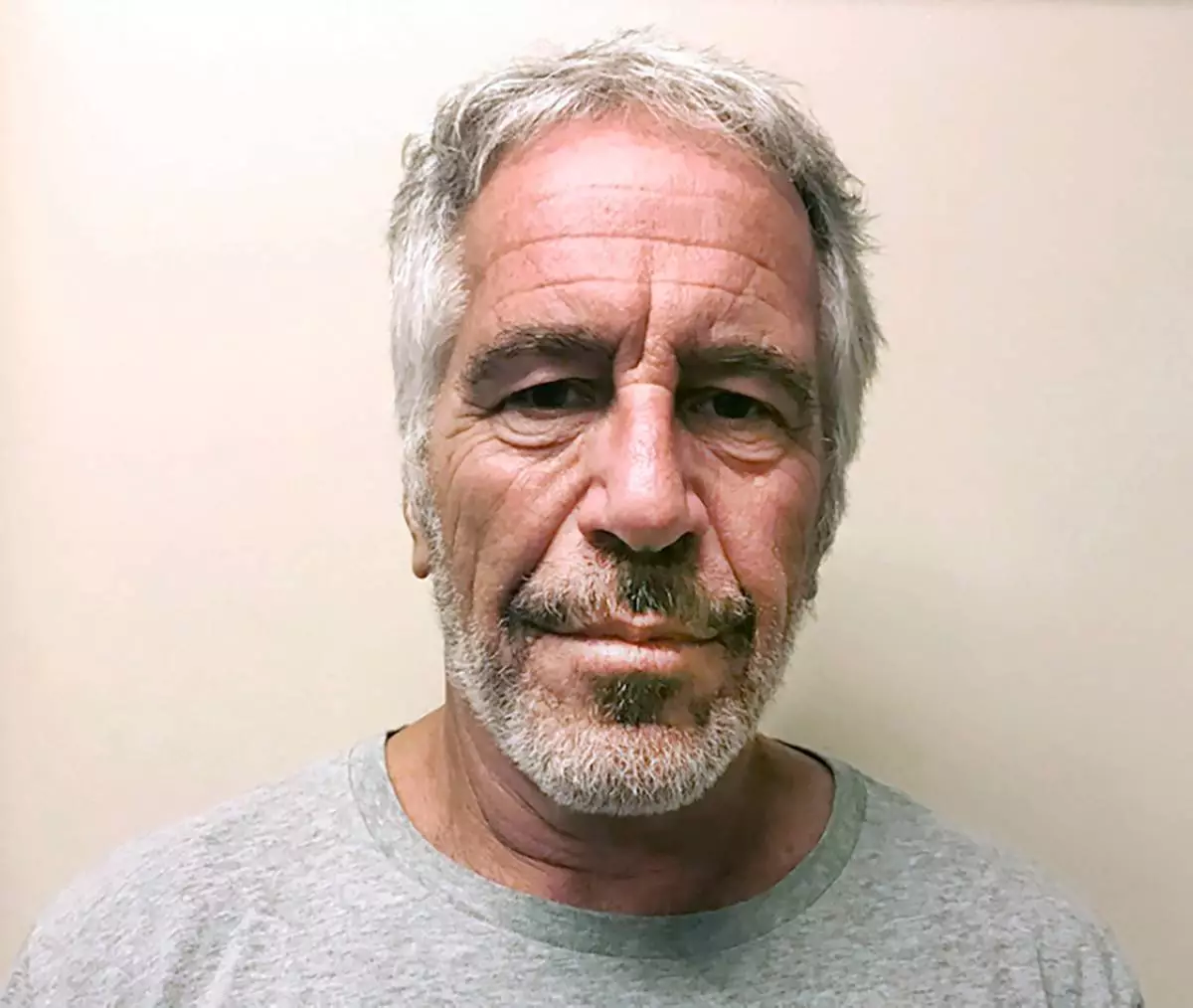
FILE — This photo provided by the New York State Sex Offender Registry shows Jeffrey Epstein on March 28, 2017. (New York State Sex Offender Registry via AP, File)
FILE — This photo provided by the New York State Sex Offender Registry shows Jeffrey Epstein on March 28, 2017. (New York State Sex Offender Registry via AP, File)

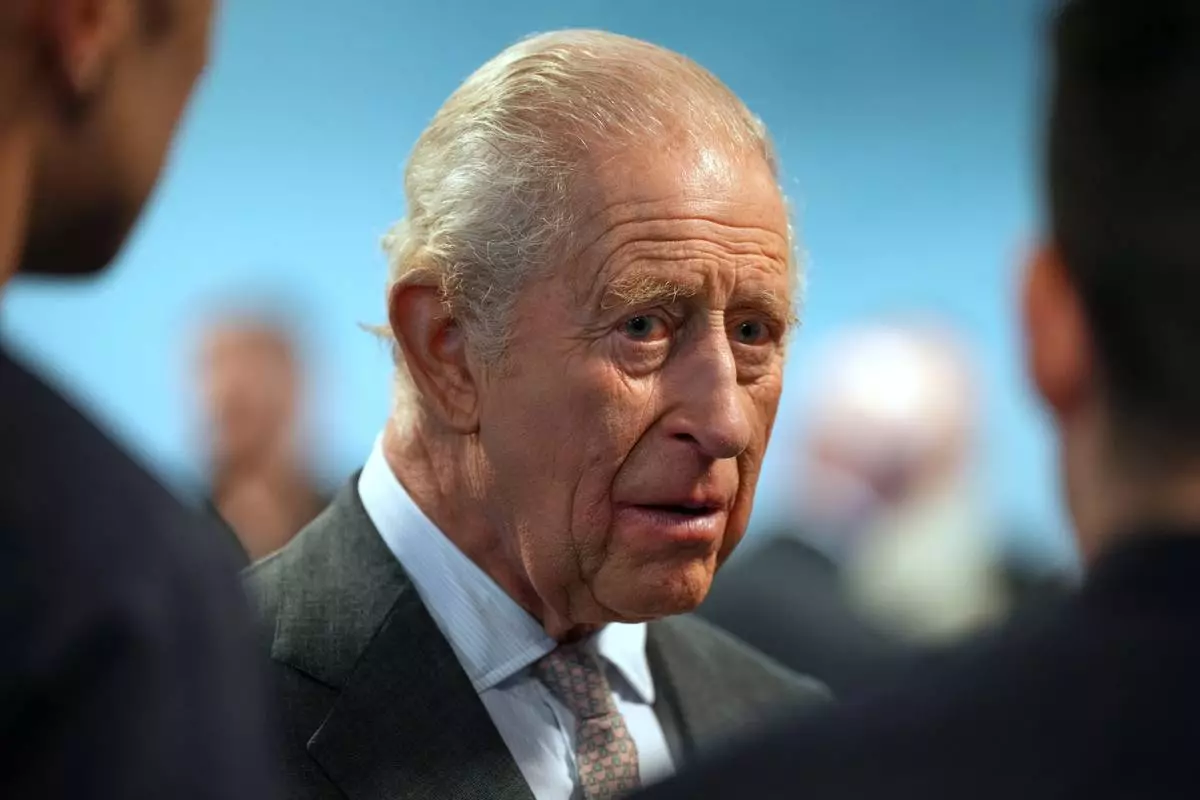
Britain's King Charles III meets emergency service personnel at Greater Manchester Police Headquarters in Manchester, England, Monday, Oct. 20, 2025 to hear from staff representing Great Manchester's Police, Fire and Rescue and Ambulance services about their roles responding to recent events and protecting people in the area.(AP Photo/Alastair Grant, Pool)

Britain's King Charles III meets emergency service personnel at Greater Manchester Police Headquarters in Manchester, England, Monday, Oct. 20, 2025 to hear from staff representing Great Manchester's Police, Fire and Rescue and Ambulance services about their roles responding to recent events and protecting people in the area.(AP Photo/Alastair Grant, Pool)

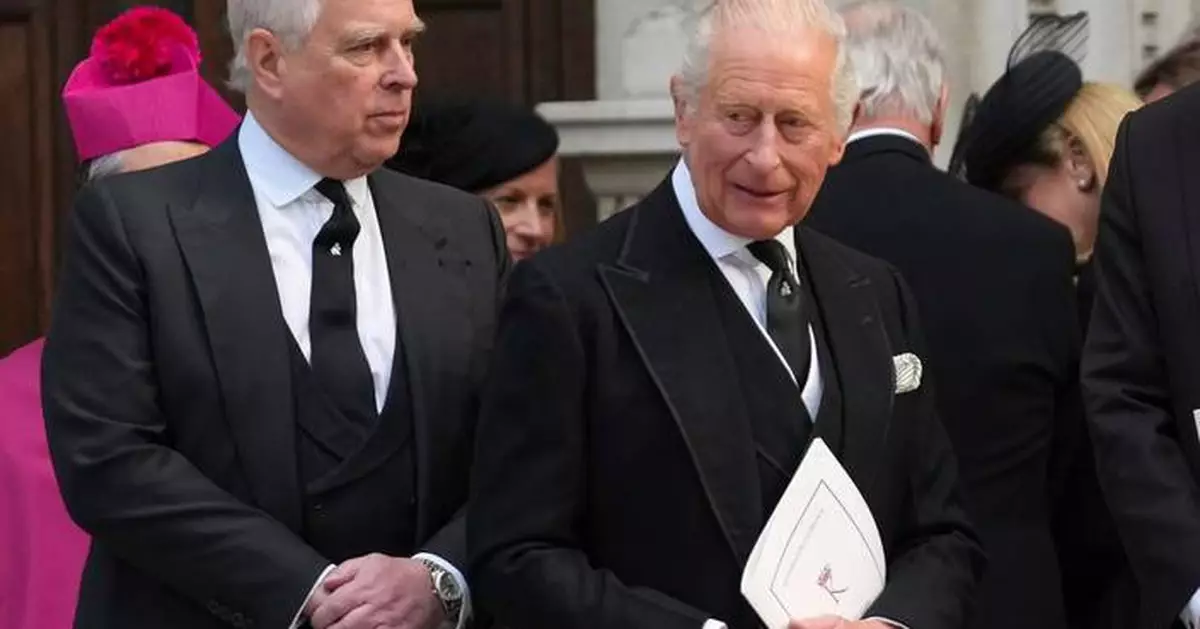
FILE - Britain's Prince Andrew, left, and Britain's King Charles III leave after the Requiem Mass service for the Duchess of Kent at Westminster Cathedral in London, Tuesday, Sept. 16, 2025. (AP Photo/Joanna Chan, File)

FILE - Britain's Prince Andrew, left, and Britain's King Charles III leave after the Requiem Mass service for the Duchess of Kent at Westminster Cathedral in London, Tuesday, Sept. 16, 2025. (AP Photo/Joanna Chan, File)
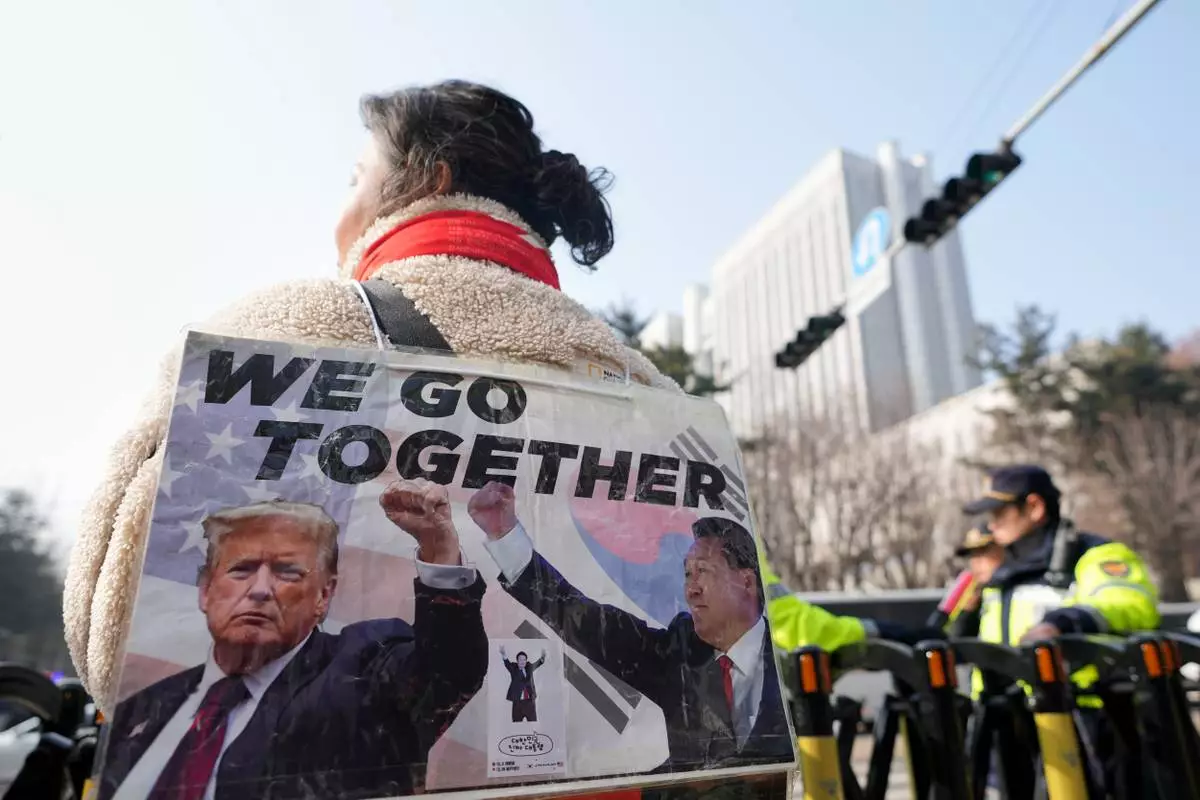
SEOUL, South Korea (AP) — A South Korean court sentenced former President Yoon Suk Yeol to five years in prison Friday in the first verdict from eight criminal trials over the martial law debacle that forced him out of office and other allegations.

Yoon was impeached, arrested and dismissed as president after his short-lived imposition of martial law in December 2024 triggered huge public protests calling for his ouster.

The most significant criminal charge against him alleges that his martial law enforcement amounted to a rebellion, and the independent counsel has requested the death sentence in the case that is to be decided in a ruling next month.

Yoon has maintained he didn’t intend to place the country under military rule for an extended period, saying his decree was only meant to inform the people about the danger of the liberal-controlled parliament obstructing his agenda. But investigators have viewed Yoon’s decree as an attempt to bolster and prolong his rule, charging him with rebellion, abuse of power and other criminal offenses.

In Friday’s case, the Seoul Central District Court sentenced Yoon for defying attempts to detain him, fabricating the martial law proclamation, and sidestepping a legally mandated full Cabinet meeting and thus depriving some Cabinet members who were not convened of their due rights to deliberate on his decree.

Judge Baek Dae-hyun said in the televised ruling that imposing “a grave punishment” was necessary because Yoon hasn’t shown remorse and has only repeated “hard-to-comprehend excuses.” The judge also restoring legal systems damaged by Yoon’s action was necessary.

Yoon’s defense team said they will appeal the ruling, which they believe was “politicized” and reflected “the unliberal arguments by the independent counsel.” Yoon’s defense team argued the ruling “oversimplified the boundary between the exercise of the president’s constitutional powers and criminal liability.”

Prison sentences in the multiple, smaller trials Yoon faces would matter if he is spared the death penalty or life imprisonment at the rebellion trial.

Park SungBae, a lawyer who specializes in criminal law, said there is little chance the court would decide Yoon should face the death penalty in the rebellion case. He said the court will likely issue a life sentence or a sentence of 30 years or more in prison.

South Korea has maintained a de facto moratorium on executions since 1997 and courts rarely hand down death sentences. Park said the court would take into account that Yoon’s decree didn’t cause casualties and didn’t last long, although Yoon hasn’t shown genuine remorse for his action.

South Korea has a history of pardoning former presidents who were jailed over diverse crimes in the name of promoting national unity. Those pardoned include strongman Chun Doo-hwan, who received the death penalty at a district court over his 1979 coup, the bloody 1980 crackdowns of pro-democracy protests that killed about 200 people, and other crimes.

Some observers say Yoon will likely retain a defiant attitude in the ongoing trials to maintain his support base in the belief that he cannot avoid a lengthy sentence but could be pardoned in the future.

On the night of Dec. 3, 2024, Yoon abruptly declared martial law in a televised speech, saying he would eliminate “anti-state forces” and protect “the constitutional democratic order.” Yoon sent troops and police officers to encircle the National Assembly, but many apparently didn’t aggressively cordon off the area, allowing enough lawmakers to get into an assembly hall to vote down Yoon’s decree.

No major violence occurred, but Yoon's stunt caused the biggest political crisis in South Korea and rattled its diplomacy and financial markets. For many, his decree, the first of its kind in more than four decades in South Korea, brought back harrowing memories of past dictatorships in the 1970s and 1980s, when military-backed leaders used martial law and emergency measures to deploy soldiers and tanks on the streets to suppress demonstrations.

After Yoon's ouster, his liberal rival Lee Jae Myung became president via a snap election last June. After taking office, Lee appointed three independent counsels to look into allegations involving Yoon, his wife and associates.

Yoon's other trials deal with charges like ordering drone flights over North Korea to deliberately inflame animosities to look for a pretext to declare martial law. Other charges accuse Yoon of manipulating the investigation into a marine’s drowning in 2023 and receiving free opinion surveys from an election broker in return for a political favor.

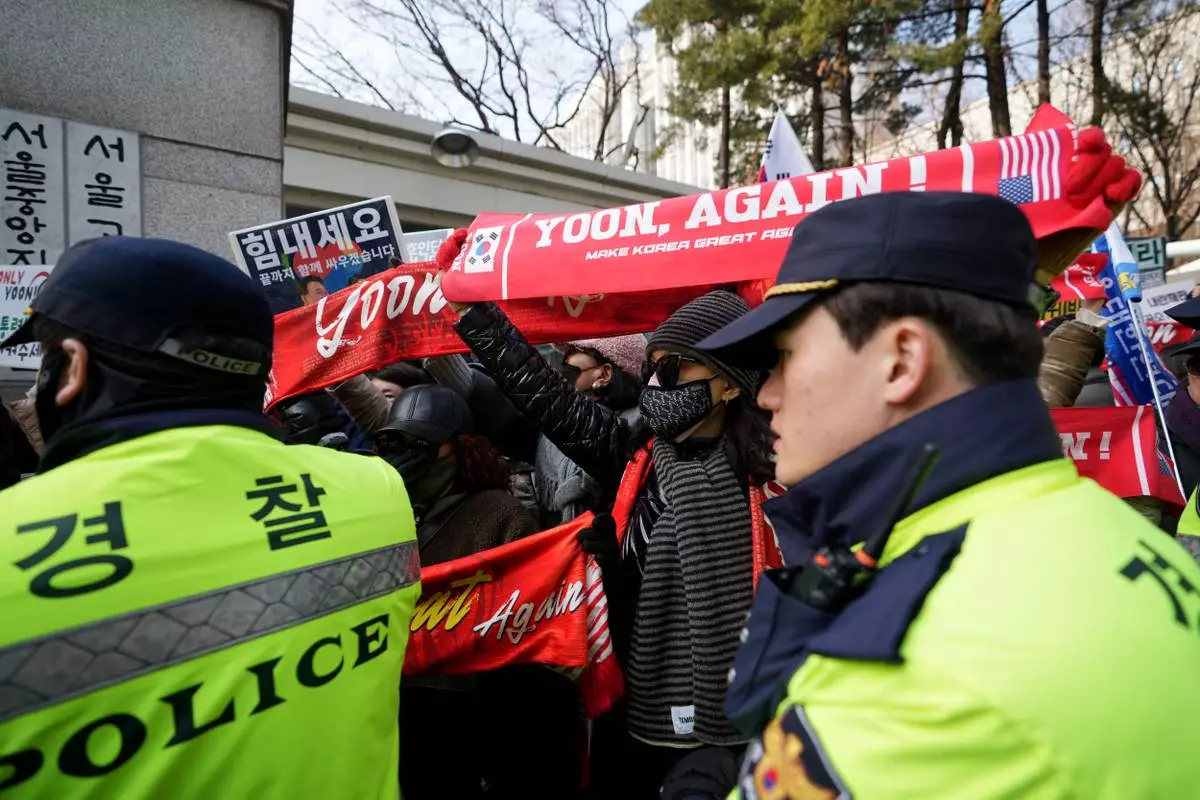
A supporter of former South Korean President Yoon Suk Yeol shouts slogans outside Seoul Central District Court, in Seoul, South Korea, Friday, Jan. 16, 2026. (AP Photo/Lee Jin-man)

A supporter of former South Korean President Yoon Suk Yeol shouts slogans outside Seoul Central District Court, in Seoul, South Korea, Friday, Jan. 16, 2026. (AP Photo/Lee Jin-man)

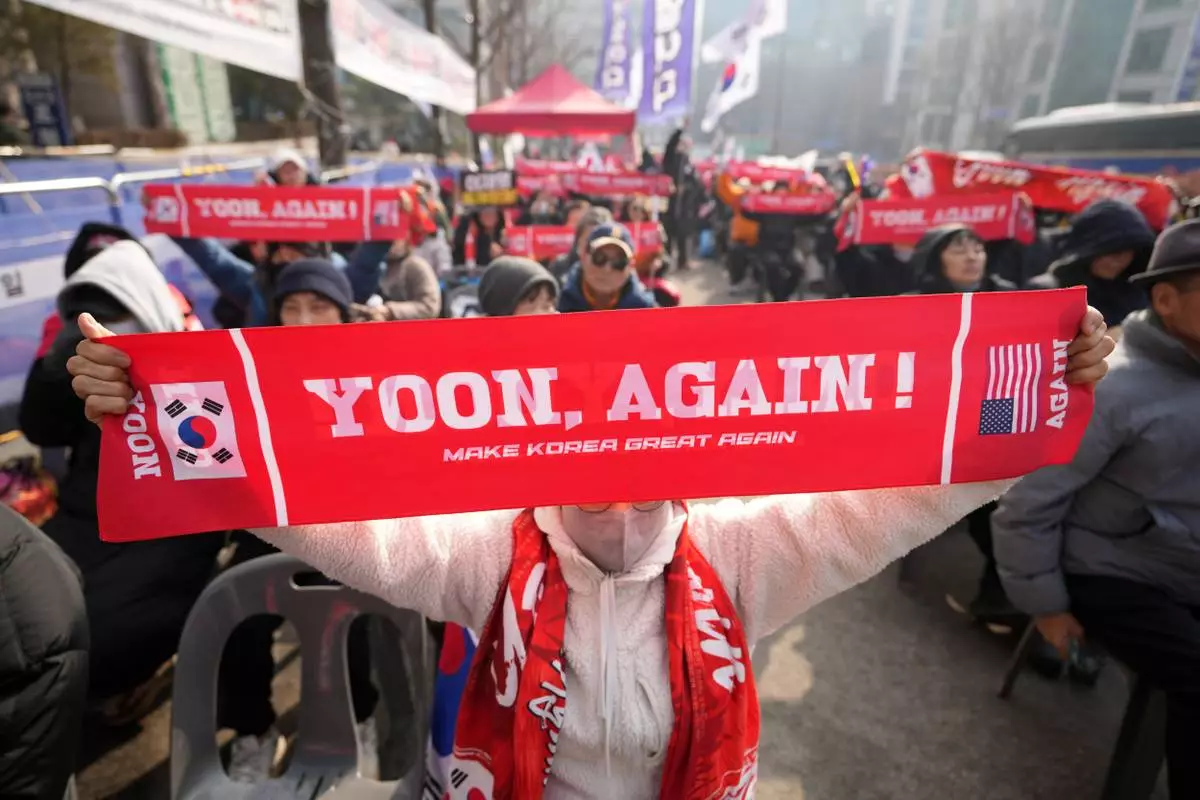
Supporters of former South Korean President Yoon Suk Yeol hold signs and flags outside Seoul Central District Court, in Seoul, South Korea, Friday, Jan. 16, 2026. (AP Photo/Lee Jin-man)

Supporters of former South Korean President Yoon Suk Yeol hold signs and flags outside Seoul Central District Court, in Seoul, South Korea, Friday, Jan. 16, 2026. (AP Photo/Lee Jin-man)

A supporter of former South Korean President Yoon Suk Yeol waits for a bus carrying former South Korean President Yoon Suk Yeol outside Seoul Central District Court, in Seoul, South Korea, Friday, Jan. 16, 2026. (AP Photo/Lee Jin-man)

A supporter of former South Korean President Yoon Suk Yeol waits for a bus carrying former South Korean President Yoon Suk Yeol outside Seoul Central District Court, in Seoul, South Korea, Friday, Jan. 16, 2026. (AP Photo/Lee Jin-man)

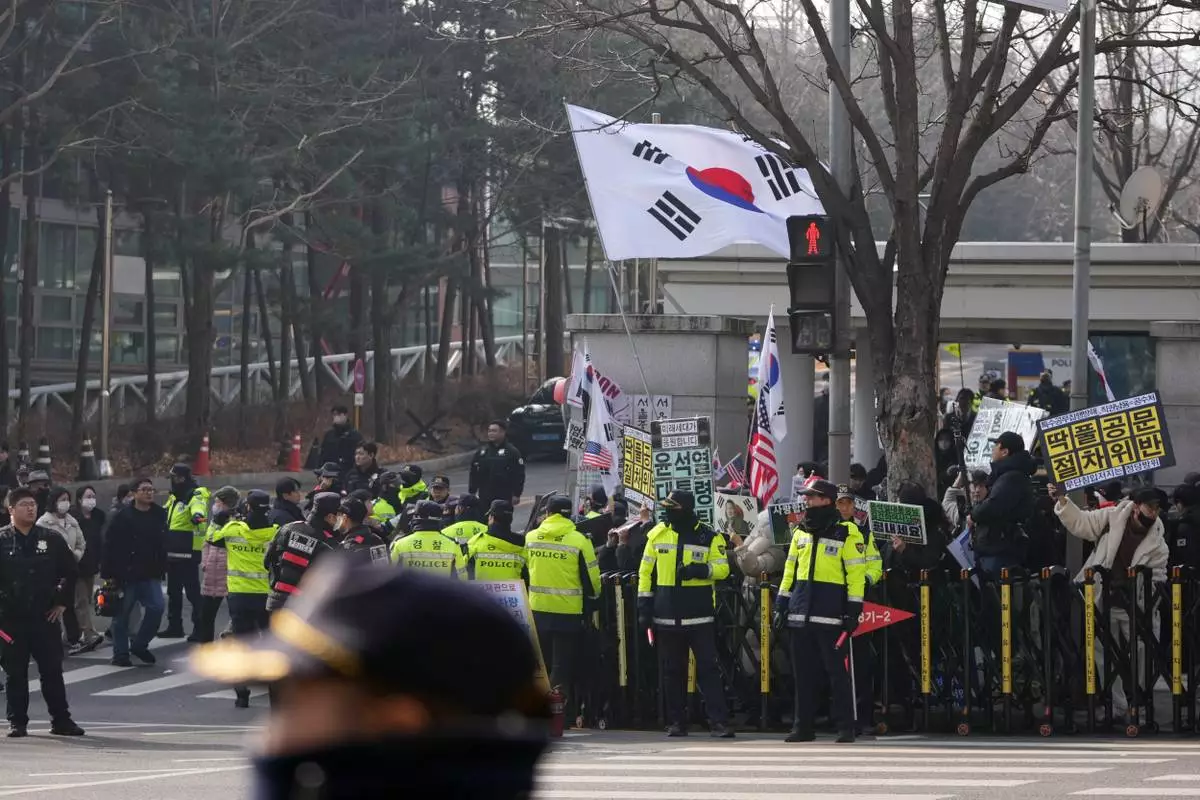
Supporters of former South Korean President Yoon Suk Yeol hold signs as police officers stand guard outside Seoul Central District Court, in Seoul, South Korea, Friday, Jan. 16, 2026. (AP Photo/Lee Jin-man)

Supporters of former South Korean President Yoon Suk Yeol hold signs as police officers stand guard outside Seoul Central District Court, in Seoul, South Korea, Friday, Jan. 16, 2026. (AP Photo/Lee Jin-man)

Supporters of former South Korean President Yoon Suk Yeol hold signs and flags outside Seoul Central District Court, in Seoul, South Korea, Friday, Jan. 16, 2026. (AP Photo/Lee Jin-man)

Supporters of former South Korean President Yoon Suk Yeol hold signs and flags outside Seoul Central District Court, in Seoul, South Korea, Friday, Jan. 16, 2026. (AP Photo/Lee Jin-man)

Supporters of former South Korean President Yoon Suk Yeol hold signs outside Seoul Central District Court, in Seoul, South Korea, Friday, Jan. 16, 2026. (AP Photo/Lee Jin-man)

Supporters of former South Korean President Yoon Suk Yeol hold signs outside Seoul Central District Court, in Seoul, South Korea, Friday, Jan. 16, 2026. (AP Photo/Lee Jin-man)

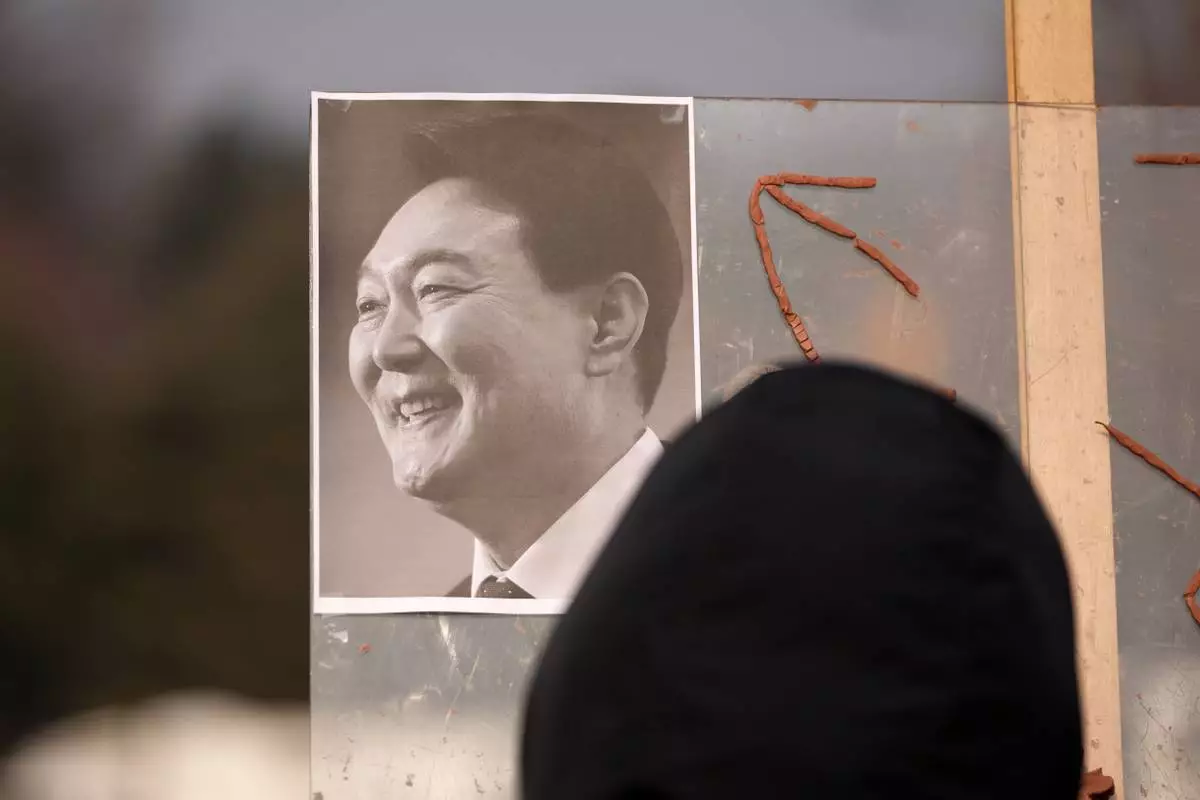
A picture of former South Korean President Yoon Suk Yeol is placed on a board as supporters gather outside Seoul Central District Court, in Seoul, South Korea, Friday, Jan. 16, 2026. (AP Photo/Lee Jin-man)

A picture of former South Korean President Yoon Suk Yeol is placed on a board as supporters gather outside Seoul Central District Court, in Seoul, South Korea, Friday, Jan. 16, 2026. (AP Photo/Lee Jin-man)

Recommended Articles