China's investment in key energy projects reached 1.97 trillion yuan (around 277 billion U.S. dollars) in the first eight months of 2025, marking a year-on-year increase of 18.2 percent, according to the data released by the National Energy Administration on Friday.
As of the end of August, the investment of six provincial-level regions, namely Shandong, Jiangsu, Guangdong, Xinjiang, Yunnan and Inner Mongolia, had each exceeded 100 billion yuan.
During the eight months, the investment in wind power projects increased by over 40 percent year on year, while the investment in key solar power projects rose by 17.5 percent.
Meanwhile, the investment registered a year-on-year growth of over 100 percent in key new power storage projects in Xinjiang, Guangdong, Yunnan, Shandong and Inner Mongolia.
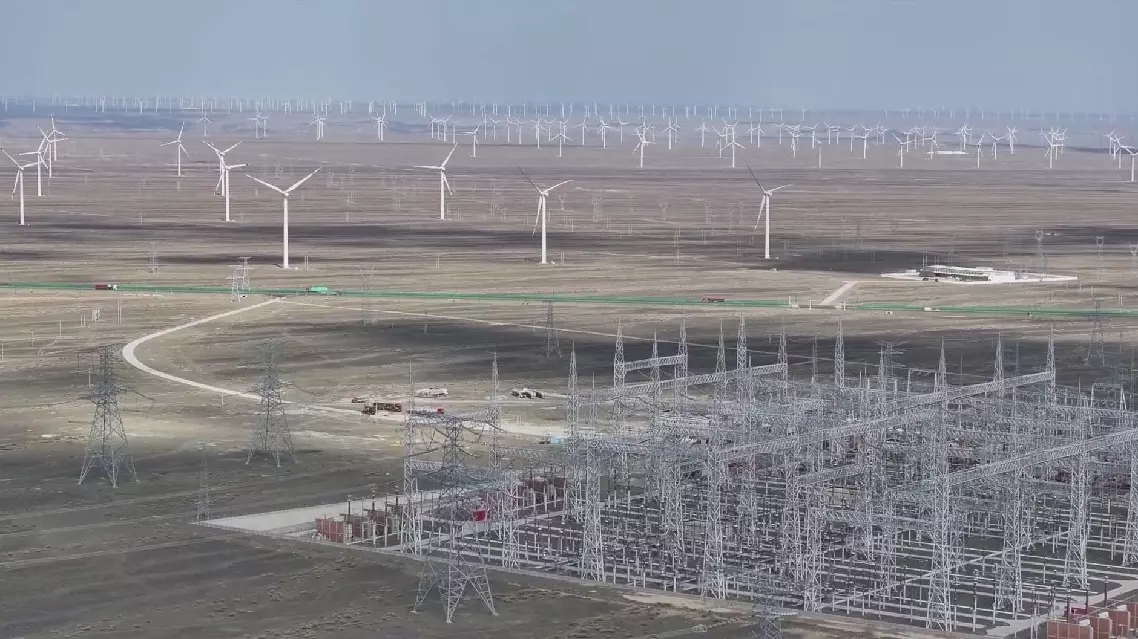
China's investment in key energy projects up 18.2 pct in Jan-Aug period
The Asian Development Bank (ADB) on Wednesday downgraded its economic growth outlook and raised inflation projections for developing Asia and the Pacific due to severe and prolonged disruptions from the conflict in the Middle East.
The ADB forecasts regional growth at 4.7 percent in 2026 and 4.8 percent in 2027, down from the 5.1 percent forecast for both years in early April, based on an assumption of earlier stabilization of the situation in the Middle East.
The bank projected the inflation in the region to accelerate to 5.2 percent this year from 3 percent last year, before easing to 4.1 percent in 2027. While the early April forecast predicted a 3.6 percent inflation in 2026 and 3.4 percent in 2027.
The new outlook assumes that oil prices average around 96 U.S. dollars per barrel in 2026 and will ease to around 80 U.S. dollars per barrel in 2027, both above the pre-conflict average of 69 U.S. dollars per barrel in January and February this year.
Under an even more severe downside scenario of renewed conflict escalation, in which oil prices spike in May 2026 and remain even higher, growth in developing Asia and the Pacific could slow to 4.2 percent this year and 4 percent next year, while inflation could reach 7.4 percent in 2026.
The bank said continued risks to energy production and transport routes, alongside sustained pressure on oil and gas prices, will particularly affect economies heavily dependent on imported fuel, remittances, tourism or external financing. It added that the disruptions to global energy and trade networks could be long-lasting, not just temporary volatility.
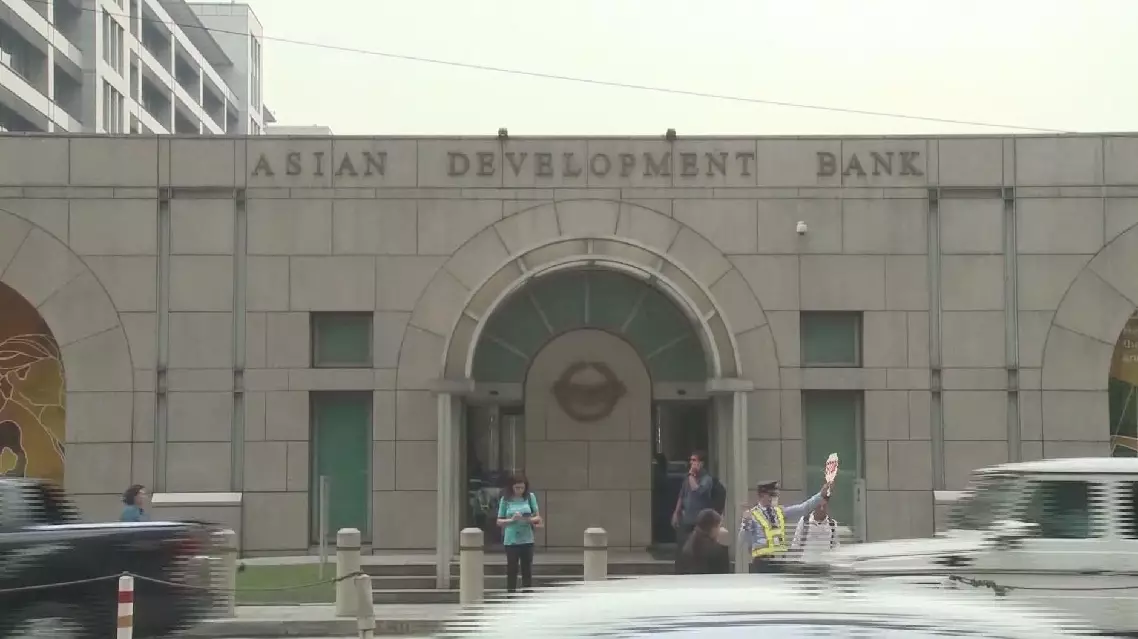
ADB cuts developing Asia, Pacific growth amid Middle East conflict disruptions