SEATTLE (AP) — OpenAI and Amazon have signed a $38 billion deal that enables the ChatGPT maker to run its artificial intelligence systems on Amazon's data centers in the U.S.
OpenAI will be able to power its AI tools using “hundreds of thousands” of Nvidia's specialized AI chips through Amazon Web Services as part of the deal announced Monday.
Amazon shares increased 4% after the announcement.
The agreement comes less than a week after OpenAI altered its partnership with its longtime backer Microsoft, which until early this year was the startup's exclusive cloud computing provider.
California and Delaware regulators also last week allowed San Francisco-based OpenAI, which was founded as a nonprofit, to move forward on its plan to form a new business structure to more easily raise capital and make a profit.
“The rapid advancement of AI technology has created unprecedented demand for computing power,” Amazon said in a statement Monday. It said OpenAI “will immediately start utilizing AWS compute as part of this partnership, with all capacity targeted to be deployed before the end of 2026, and the ability to expand further into 2027 and beyond.”
AI requires huge amounts of energy and computing power and OpenAI has long signaled that it needs more capacity, both to develop new AI systems and keep existing products like ChatGPT answering the questions of its hundreds of millions of users. It's recently made more than $1 trillion worth of financial obligations in spending for AI infrastructure, including data center projects with Oracle and SoftBank and semiconductor supply deals with chipmakers Nvidia, AMD and Broadcom.
Some of the deals have raised investor concerns about their “circular” nature, since OpenAI doesn't make a profit and can't yet afford to pay for the infrastructure that its cloud backers are providing on the expectations of future returns on their investments. OpenAI CEO Sam Altman last week dismissed doubters he says have aired “breathless concern” about the deals.
“Revenue is growing steeply. We are taking a forward bet that it’s going to continue to grow,” Altman said on a podcast where he appeared with Microsoft CEO Satya Nadella.
Amazon is already the primary cloud provider to AI startup Anthropic, an OpenAI rival that makes the Claude chatbot.
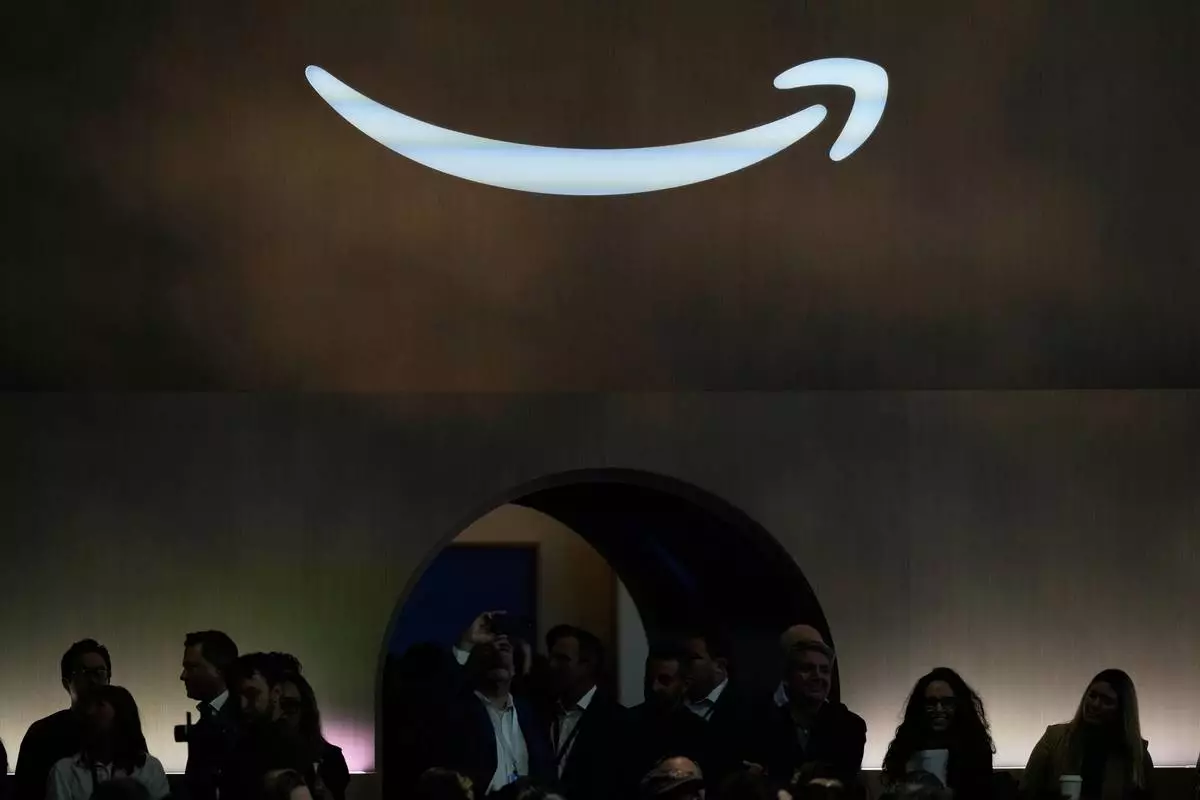
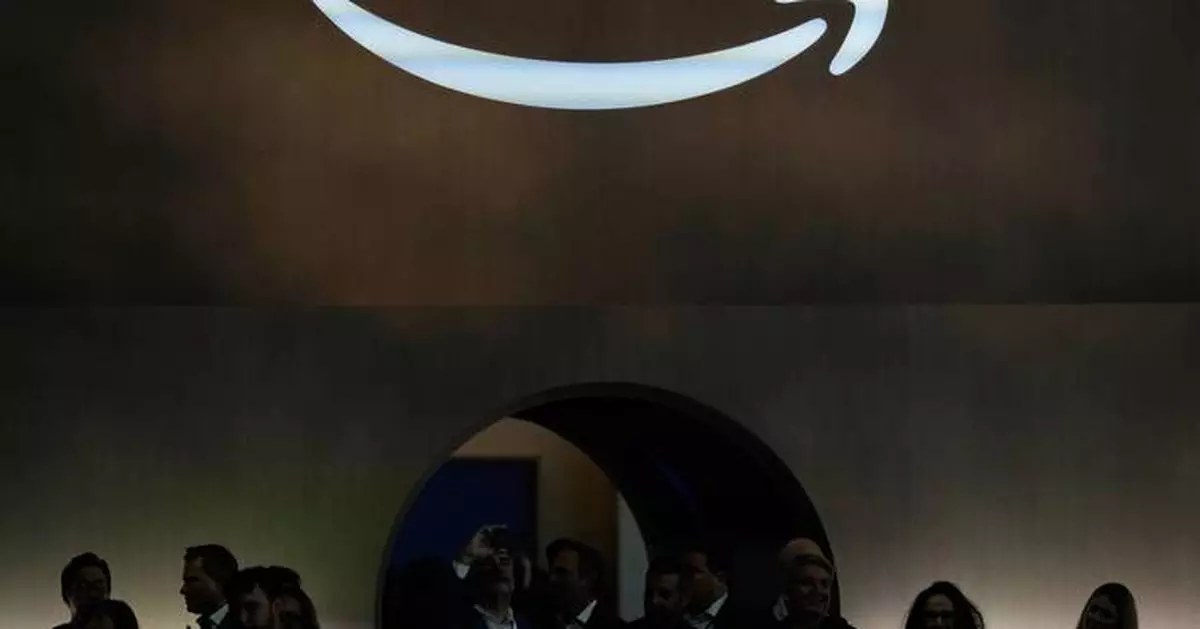
FILE - An Amazon logo is seen at an Amazon event in New York, Tuesday, Sept. 30, 2025. (AP Photo/Seth Wenig, File)
CAPE CANAVERAL, Fla. (AP) — NASA fueled its moon rocket Wednesday for humanity’s first lunar trip in more than half a century, aiming for an evening liftoff with four astronauts.
Tensions were high as hydrogen fuel started flowing into the rocket hours ahead of the planned launch. Dangerous hydrogen leaks erupted during a countdown test earlier this year, forcing a lengthy flight delay.
But no significant leaks occurred by the time Wednesday's fueling wrapped up. The launch team loaded more than 700,000 gallons of fuel (2.6 million liters) into the 32-story Space Launch System rocket on the pad, setting the stage for the Artemis II crew to board.
“It is time to fly,” commander Reid Wiseman said on the eve of launch via X. Favorable weather was forecast.
Three Americans and one Canadian will fly around the moon without stopping or even orbiting — then head straight back for a Pacific splashdown. They will set a new distance record for the farthest humans have traveled from Earth as they zoom some 4,000 miles (6,400 kilometers) beyond the moon and then hang a U-turn.
Astronauts last flew to the moon during Apollo 17 in 1972.
Artemis II is the opening shot of NASA's grand plans for a permanent moon base. The space program is aiming for a moon landing near the lunar south pole in 2028.
“The next era of exploration begins,” NASA Administrator Jared Isaacman posted on X.
Best wishes already have started to pour in, including from England's King Charles III to Canadian Space Agency astronaut Jeremy Hansen.
Hansen will become the first non-U. S. citizen to launch to the moon. The crew also includes Christina Koch and Victor Glover, the first woman and first Black astronaut, respectively, destined for the moon.
“In this historic moment, you stand as a bridge between nations and generations,” the king wrote in a letter to Hansen, “and I commend you for your courage, discipline and vision that have brought you to this threshold.”
The Associated Press Health and Science Department receives support from the Howard Hughes Medical Institute’s Department of Science Education and the Robert Wood Johnson Foundation. The AP is solely responsible for all content.
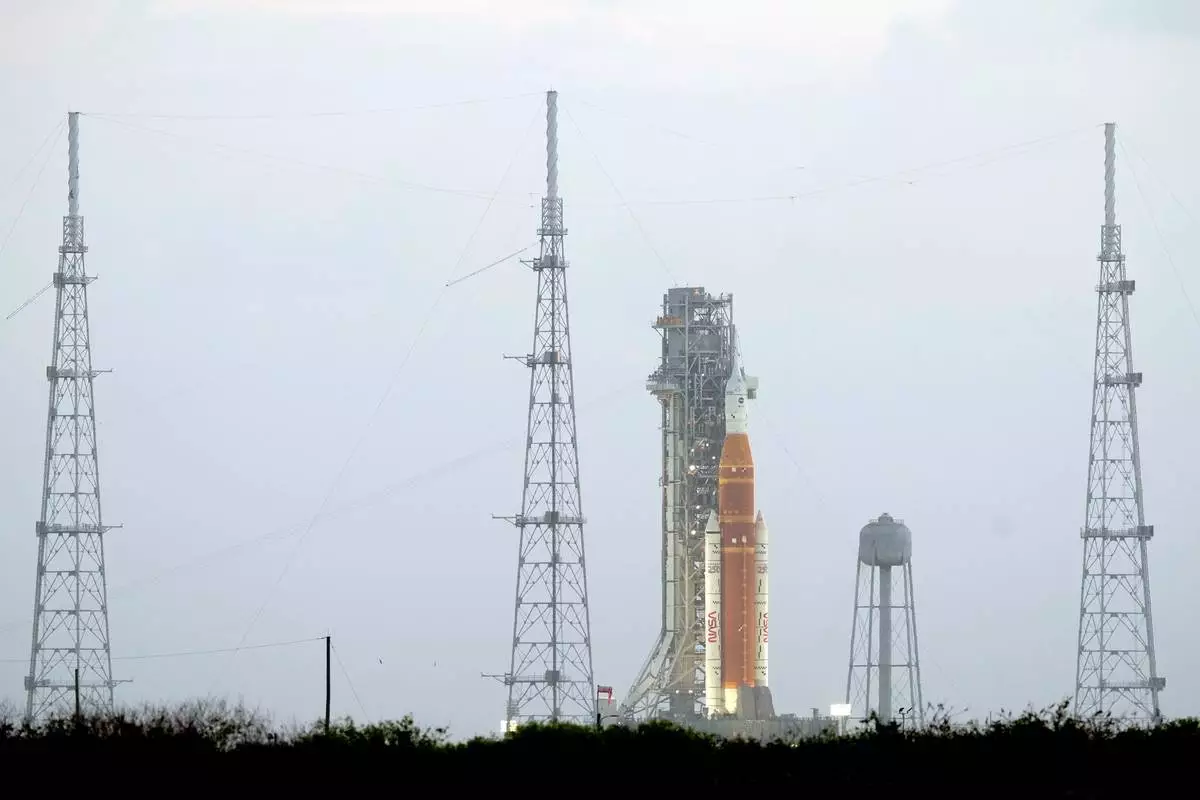
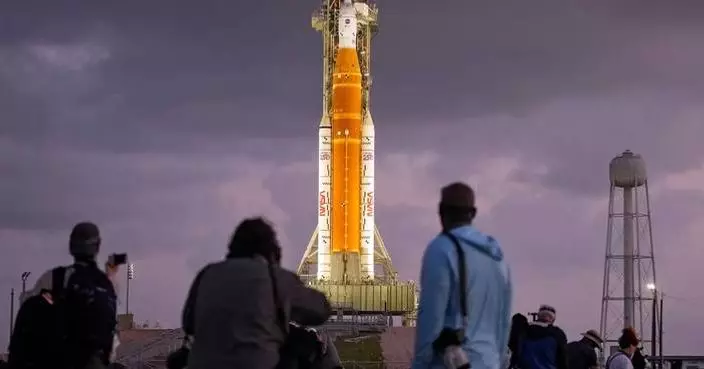
NASA's Artermis II moon rocket sits on Launch Pad 39-B at the Kennedy Space Center hours ahead of a planned launch attempt Wednesday, April 1, 2026, in Cape Canaveral, Fla. (AP Photo/Chris O'Meara)
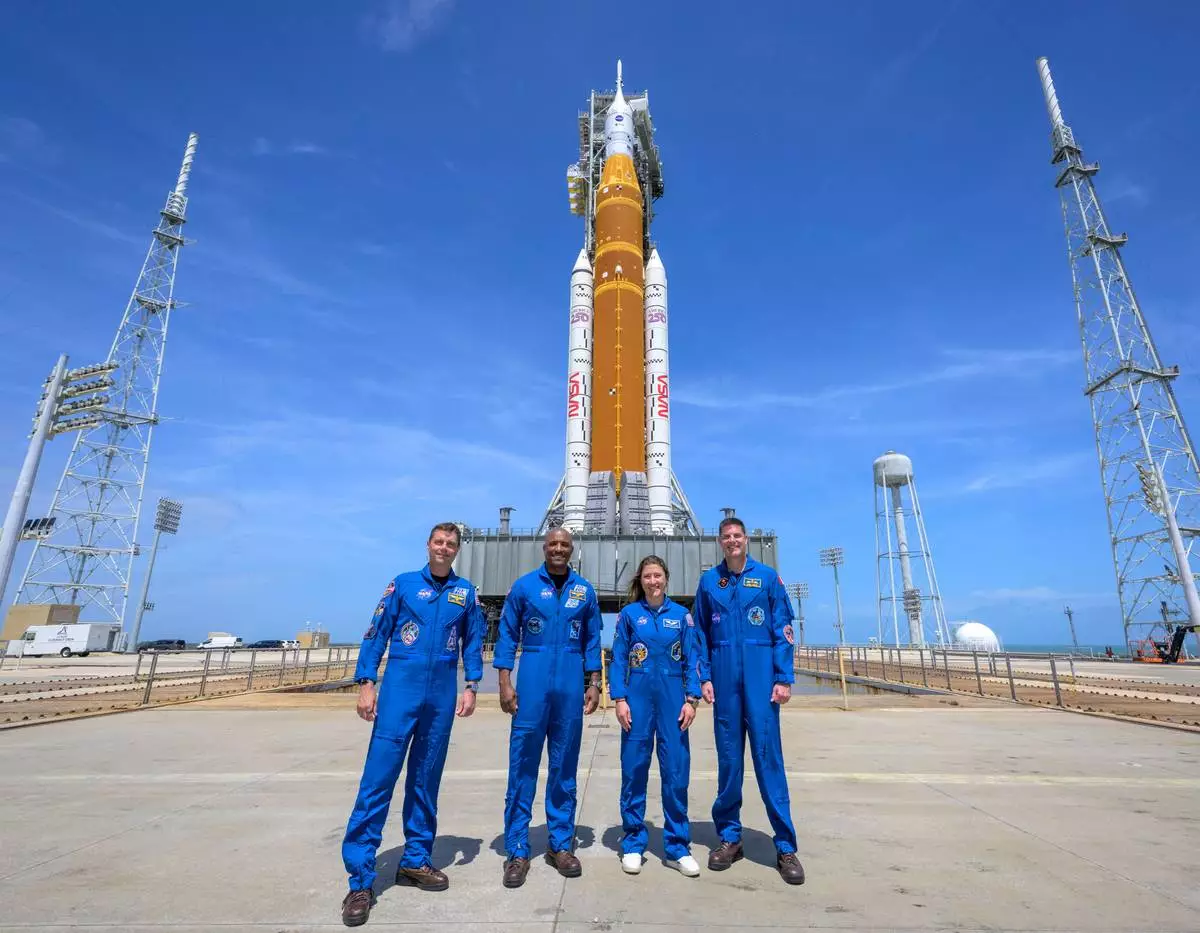
This photo provided by NASA shows NASA astronauts Reid Wiseman, Artemis II commander, from left, Victor Glover, Artemis II pilot, Christina Koch, Artemis II mission specialist, and CSA (Canadian Space Agency) astronaut Jeremy Hansen, Artemis II mission specialist, right, in a group photograph as they visit NASA's Artemis II SLS (Space Launch System) rocket and Orion spacecraft, Monday, March 30, 2026, at Launch Complex 39B of NASA's Kennedy Space Center, in Cape Canaveral, Fla. (Bill Ingalls/NASA via AP)
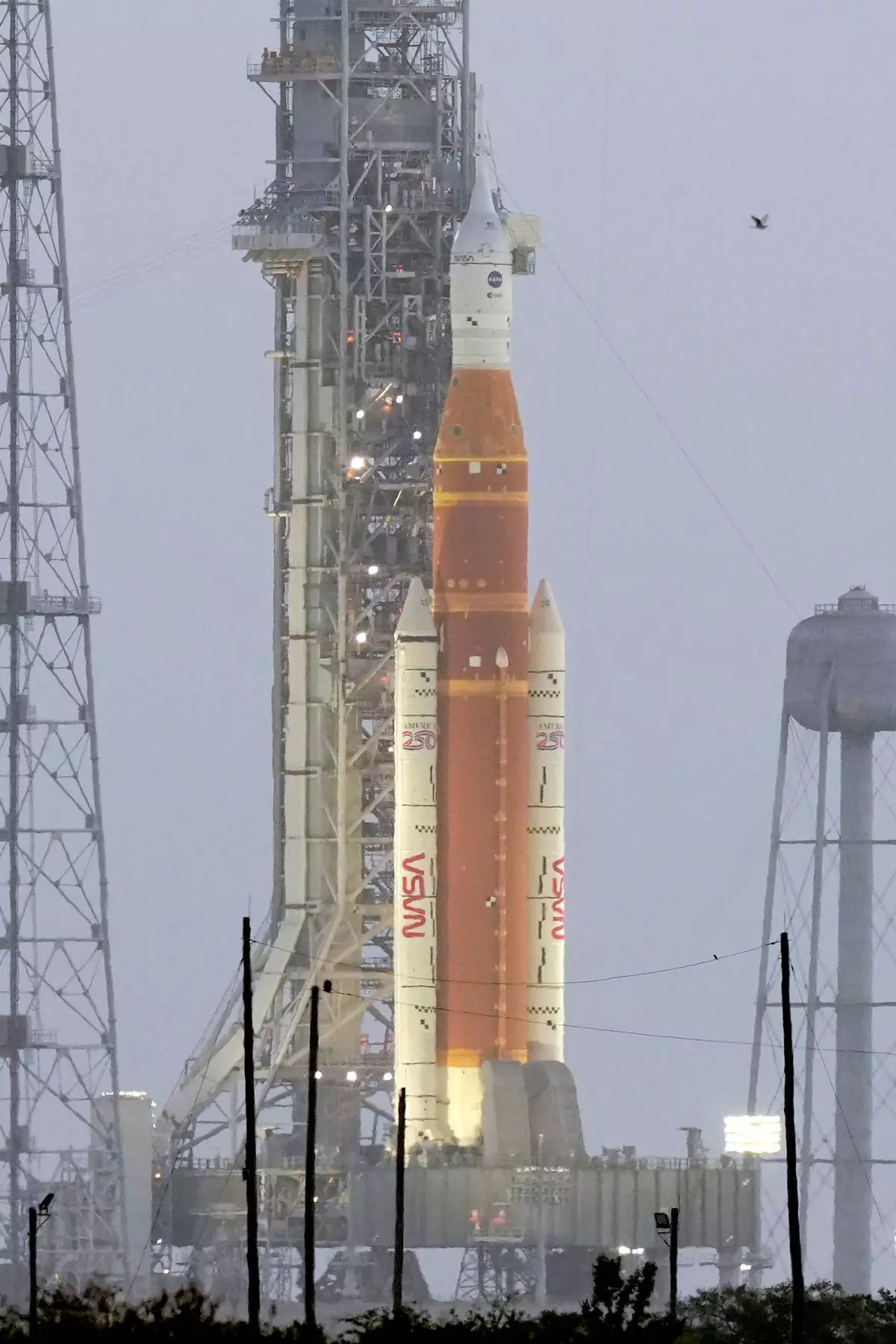
NASA's Artermis II moon rocket sits on Launch Pad 39-B at the Kennedy Space Center hours ahead of planned liftoff Wednesday, April 1, 2026, in Cape Canaveral, Fla. (AP Photo/Chris O'Meara)