Skip to Content Facebook Feature Image

Seattle Mayor Bruce Harrell faces a hard reelection fight against progressive activist Katie Wilson

News

Seattle Mayor Bruce Harrell faces a hard reelection fight against progressive activist Katie Wilson
News

News

Seattle Mayor Bruce Harrell faces a hard reelection fight against progressive activist Katie Wilson

2025-11-05 14:10 Last Updated At:14:20

SEATTLE (AP) — Democratic Seattle Mayor Bruce Harrell faces a tough reelection fight against progressive activist Katie Wilson as voters in the liberal city recoil from President Donald Trump's second term and question whether the incumbent has done enough to address public safety, homelessness and affordability.

Harrell, an attorney who previously served three terms on the City Council, was elected mayor in 2021 following the chaos of the COVID-19 pandemic and racial justice protests over George Floyd's murder by Minneapolis police.

More Images
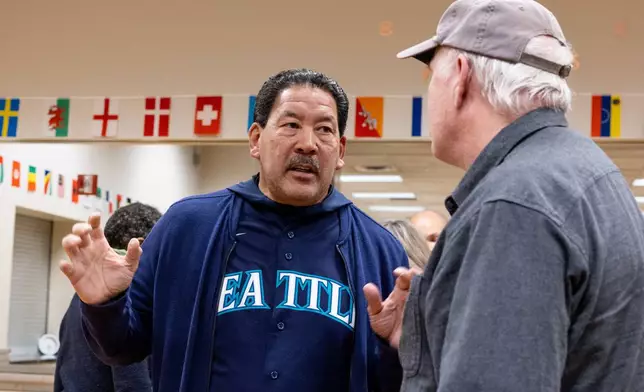
Seattle Mayor Bruce Harrell speaks with attendees after a climate forum Thursday, Oct. 16, 2025, in Seattle. (AP Photo/Maddy Grassy)
Seattle Mayor Bruce Harrell speaks with attendees after a climate forum Thursday, Oct. 16, 2025, in Seattle. (AP Photo/Maddy Grassy)

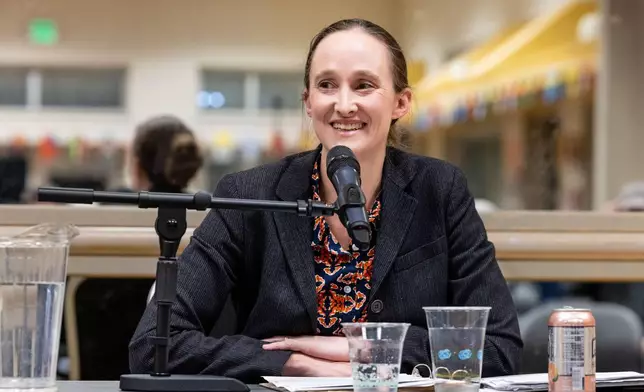
Seattle mayoral candidate Katie Wilson speaks during a climate forum Thursday, Oct. 16, 2025, in Seattle. (AP Photo/Maddy Grassy)
Seattle mayoral candidate Katie Wilson speaks during a climate forum Thursday, Oct. 16, 2025, in Seattle. (AP Photo/Maddy Grassy)

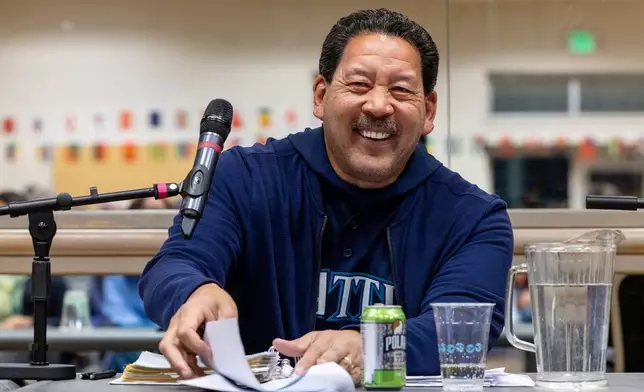
Seattle mayor Bruce Harrell smiles during a climate forum Thursday, Oct. 16, 2025, in Seattle. (AP Photo/Maddy Grassy)
Seattle mayor Bruce Harrell smiles during a climate forum Thursday, Oct. 16, 2025, in Seattle. (AP Photo/Maddy Grassy)

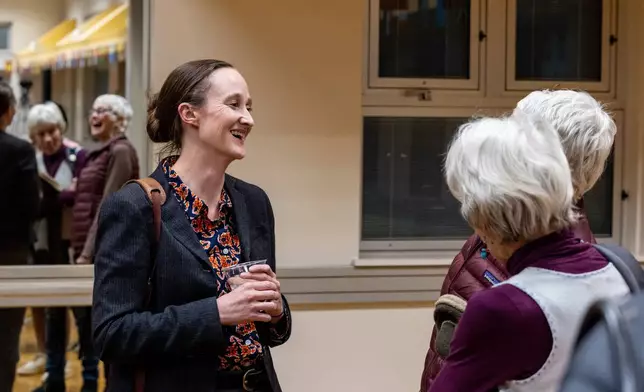
Seattle mayoral candidate Katie Wilson speaks with attendees after a climate forum Thursday, Oct. 16, 2025, in Seattle. (AP Photo/Maddy Grassy)
Seattle mayoral candidate Katie Wilson speaks with attendees after a climate forum Thursday, Oct. 16, 2025, in Seattle. (AP Photo/Maddy Grassy)

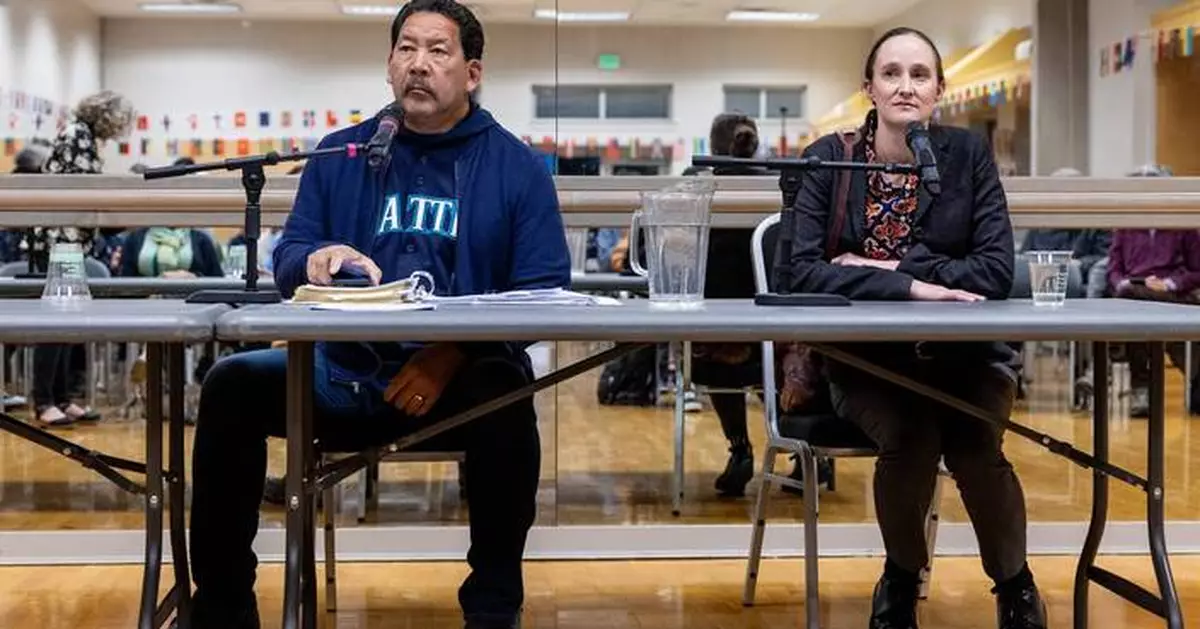
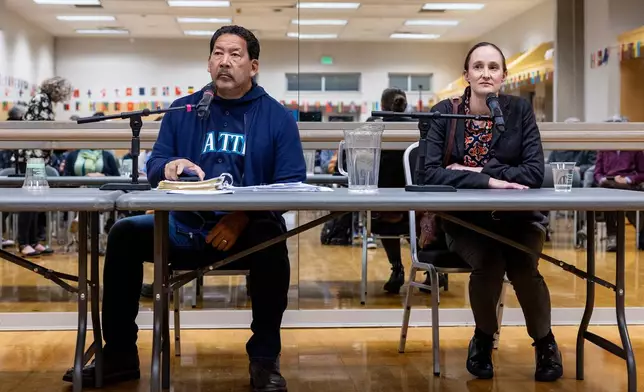
Seattle mayor Bruce Harrell, left, and mayoral candidate Katie Wilson, right, listen during a climate forum Thursday, Oct. 16, 2025, in Seattle. (AP Photo/Maddy Grassy)

Seattle mayor Bruce Harrell, left, and mayoral candidate Katie Wilson, right, listen during a climate forum Thursday, Oct. 16, 2025, in Seattle. (AP Photo/Maddy Grassy)

It will likely take several days to determine a winner in Tuesday's contest. In Washington state's all-mail elections, ballots must be postmarked by Election Day, meaning a substantial portion of the vote is counted after Tuesday.

With crime falling, more police being hired, less visible drug use and many homeless encampments removed from city parks, the business-backed Harrell seemed likely to cruise to reelection at this time last year. He's been endorsed by Democratic Gov. Bob Ferguson, Attorney General Nick Brown and former U.S. Transportation Secretary Pete Buttigieg.

But Trump's return to office has helped reawaken Seattle's progressive voters. The lesser-known Wilson, a democratic socialist running a campaign that echoes some of the themes of progressive mayoral candidate Zohran Mamdani in New York, trounced Harrell by nearly 10 percentage points in the August primary.

“Voters in places like Seattle are frustrated with the status quo, particularly in the context of Trump’s attacks on blue cities,” said Sandeep Kaushik, a Seattle political consultant who is not involved in the race. “They’re kind of moving back into their progressive bunker and are much more inclined to say, ‘Yeah, we should go our own way with our own bold progressive solutions.’ That all that plays into Katie’s hands.”

Wilson, 43, studied at Oxford College but did not graduate. She founded the small nonprofit Transit Riders Union in 2011 and has led campaigns for better public transportation, higher minimum wages, stronger renter protections and more affordable housing. She herself is a renter, living in a one-bedroom apartment in the city's Capitol Hill neighborhood, and says that has shaped her understanding of Seattle's affordability crisis.

Wilson has criticized Harrell as doing too little to provide more shelter and said his encampment sweeps have been cosmetic, merely pushing unhoused people around the city. Wilson also paints him as a city hall fixture who bears responsibility for the status quo.

She has been endorsed by several Democratic organizations as well as by U.S. Rep. Pramila Jayapal, the former chair of the Congressional Progressive Caucus.

Harrell, 67, played on the Rose Bowl champion University of Washington football team in 1978 before going to law school. His father, who was Black, came to Seattle from the segregated Jim Crow South, and his mother, a Japanese American, was incarcerated at an internment camp in Minidoka, Idaho, during World War II after officials seized her family's Seattle flower shop — experiences that fostered his understanding of the importance of civil rights and inclusivity.

Harrell has said Wilson, who has no traditional management experience, isn't ready to lead a city with more than 13,000 employees and a budget of nearly $9 billion. He also has criticized her for supporting efforts to slash the city's police budget amid the 2020 racial justice protests.

Wilson has said that proposal was based on some fundamental misunderstandings and that she since has learned a lot about how the police department works. She says she supports having a department that is adequately staffed, responsive and accountable to the community.

Both Harrell and Wilson have touted plans for affordable housing, combatting crime and attempting to Trump-proof the city, which receives about $150 million a year in federal funding. Both want to protect Seattle’s sanctuary city status.

Wilson has proposed a city-level capital gains tax to help offset federal funding the city might lose and to pay for housing; Harrell says that’s ineffective because a city capital gains tax could easily be avoided by those who would be required to pay it.
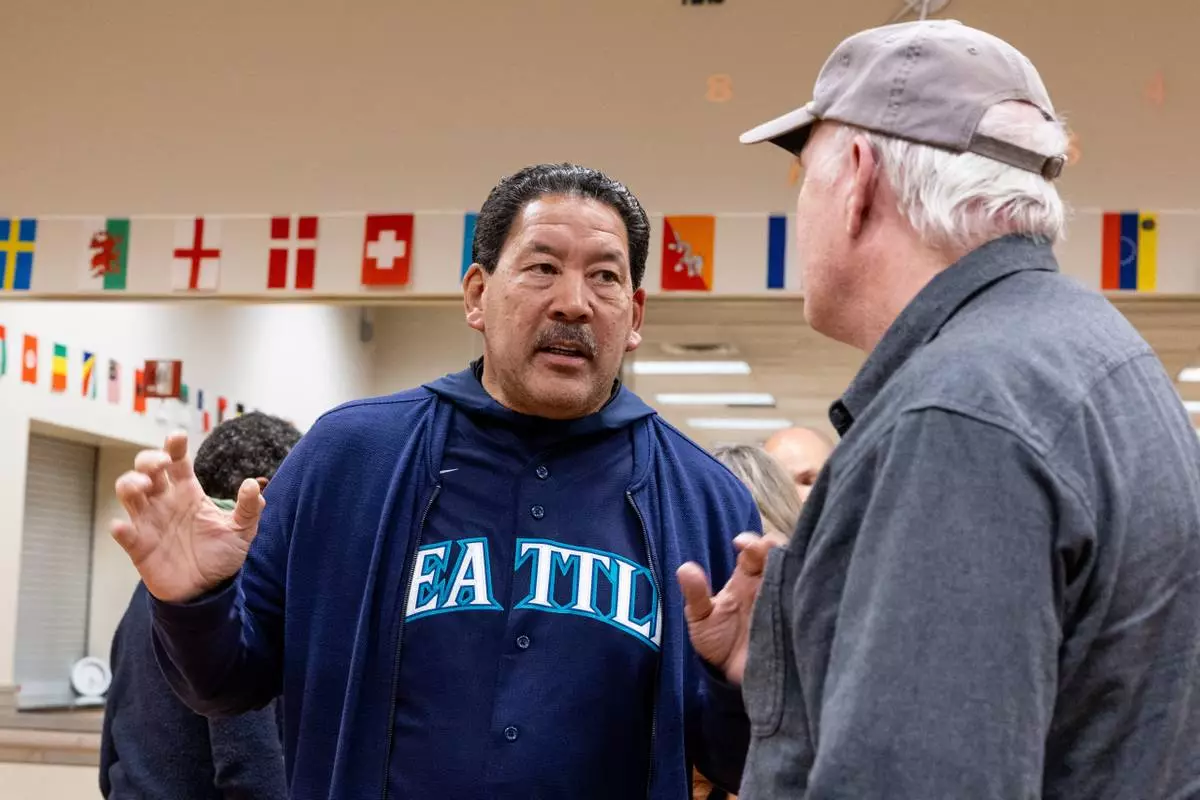
Seattle Mayor Bruce Harrell speaks with attendees after a climate forum Thursday, Oct. 16, 2025, in Seattle. (AP Photo/Maddy Grassy)
Seattle Mayor Bruce Harrell speaks with attendees after a climate forum Thursday, Oct. 16, 2025, in Seattle. (AP Photo/Maddy Grassy)

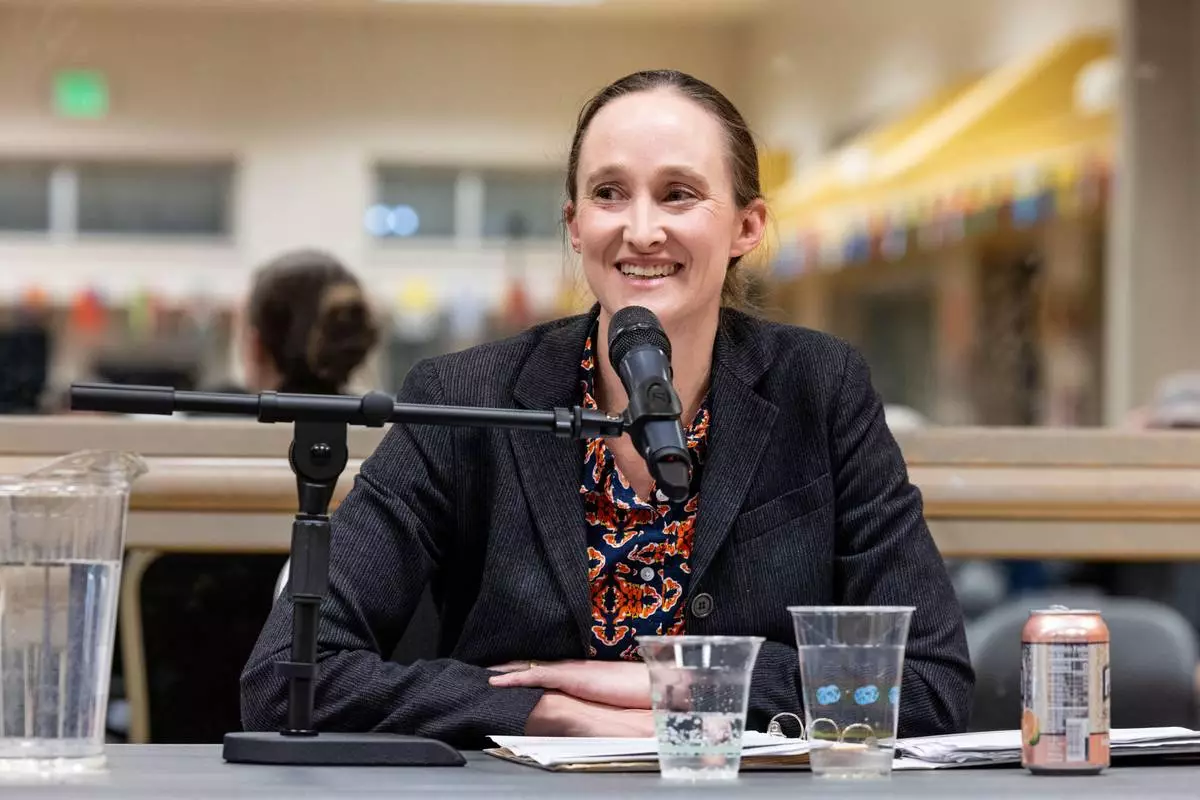
Seattle mayoral candidate Katie Wilson speaks during a climate forum Thursday, Oct. 16, 2025, in Seattle. (AP Photo/Maddy Grassy)
Seattle mayoral candidate Katie Wilson speaks during a climate forum Thursday, Oct. 16, 2025, in Seattle. (AP Photo/Maddy Grassy)

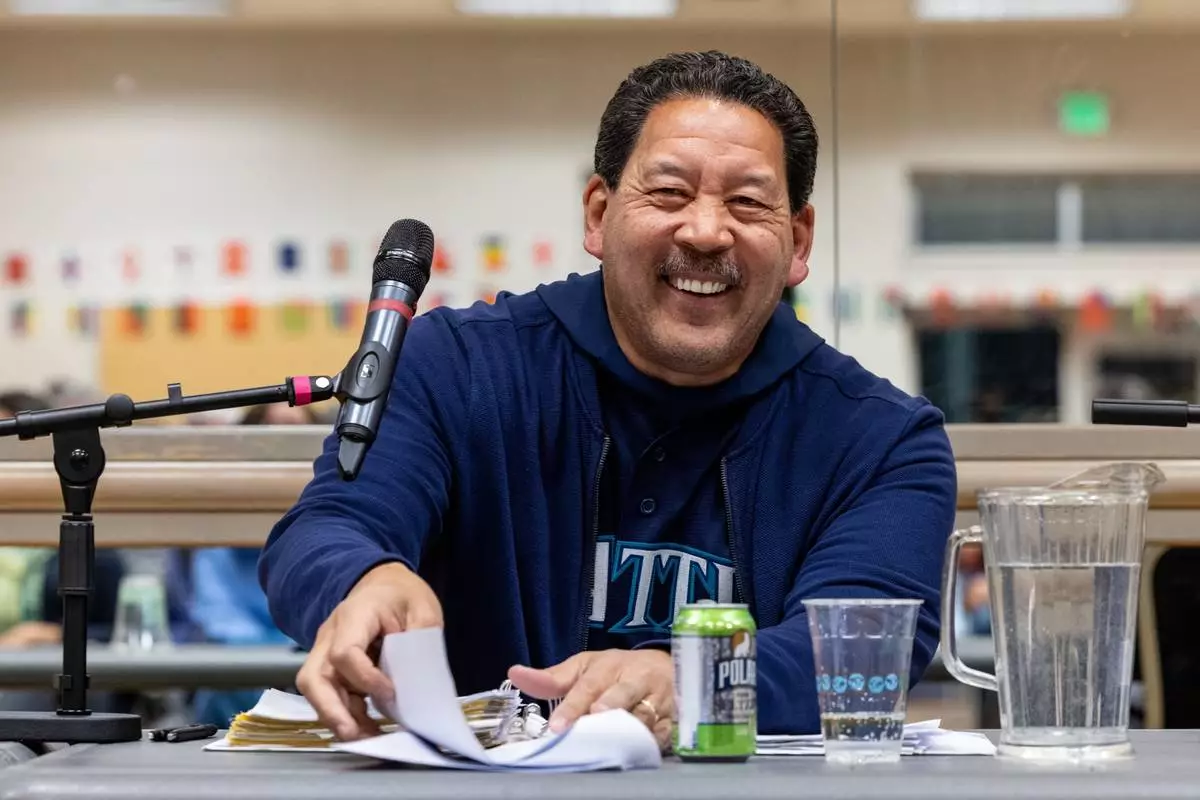
Seattle mayor Bruce Harrell smiles during a climate forum Thursday, Oct. 16, 2025, in Seattle. (AP Photo/Maddy Grassy)

Seattle mayor Bruce Harrell smiles during a climate forum Thursday, Oct. 16, 2025, in Seattle. (AP Photo/Maddy Grassy)

Seattle mayoral candidate Katie Wilson speaks with attendees after a climate forum Thursday, Oct. 16, 2025, in Seattle. (AP Photo/Maddy Grassy)
Seattle mayoral candidate Katie Wilson speaks with attendees after a climate forum Thursday, Oct. 16, 2025, in Seattle. (AP Photo/Maddy Grassy)

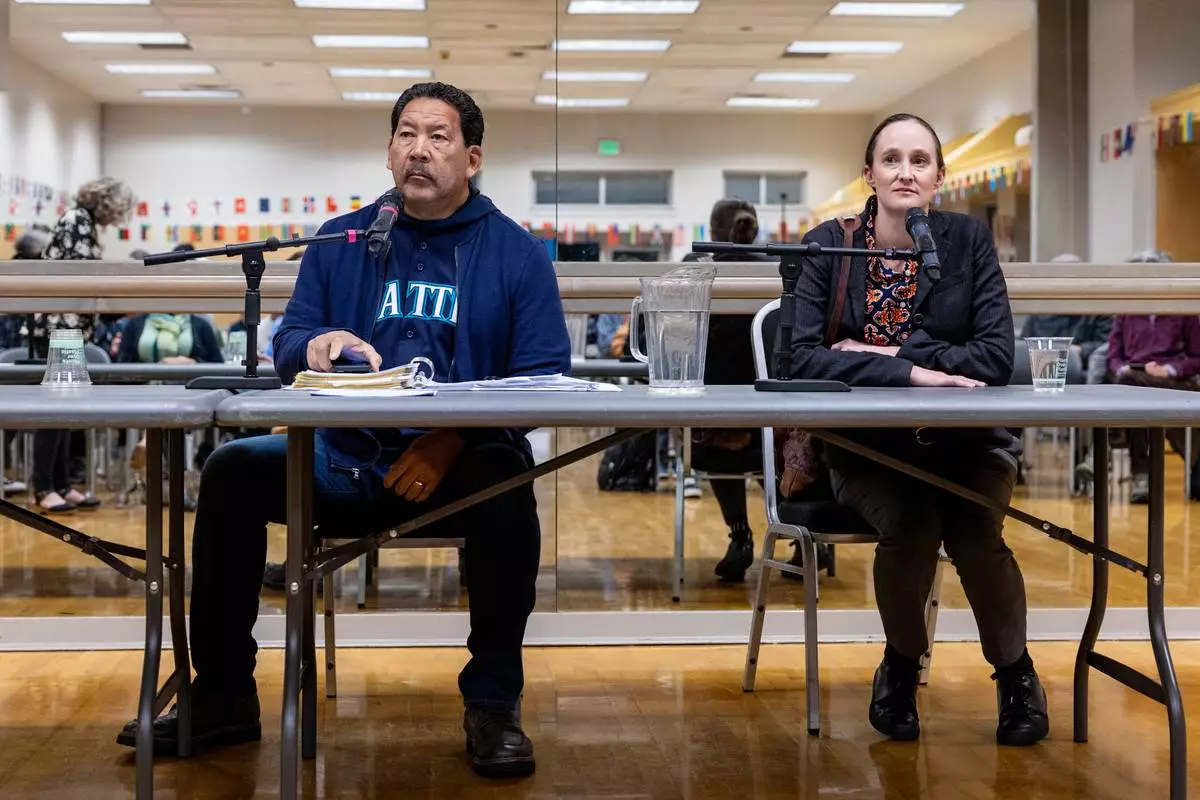
Seattle mayor Bruce Harrell, left, and mayoral candidate Katie Wilson, right, listen during a climate forum Thursday, Oct. 16, 2025, in Seattle. (AP Photo/Maddy Grassy)
Seattle mayor Bruce Harrell, left, and mayoral candidate Katie Wilson, right, listen during a climate forum Thursday, Oct. 16, 2025, in Seattle. (AP Photo/Maddy Grassy)
DUBAI, United Arab Emirates (AP) — U.S. President Donald Trump has warned Iran that the U.S. will destroy one bridge or power plant each time Iran shoots at a ship in the Strait of Hormuz.

The warning came after the U.S. carried out another wave of strikes on Iran, where air defenses opened fire over the capital, Tehran. Iran launched a missile attack on a Jordanian city on Israel’s doorstep, and alerts were issued in Bahrain and Saudi Arabia.

In his warning on social media, the president returned to earlier threats to target civilian infrastructure in retaliation for Iranian attacks.

“From this point forward, any time the Islamic Republic of Iran shoots at a ship in the Strait of Hormuz, whether it be by Missile, Rocket, Drone, or any other device or weapon, the United States will bomb and destroy ONE BRIDGE OR POWER PLANT,” Trump wrote on social media.

The 11th night of American airstrikes on Iran came as diplomatic efforts have shown little public sign of progress. Officials on both sides have dug in on their dispute over the Strait of Hormuz, a crucial waterway for global energy that remains largely closed because of Iranian attacks.

Iran has avoided striking Israel since hostilities resumed last month, apparently hoping to keep it from reentering the war. But the missile and drone attack on Jordan’s city of Aqaba, within sight of Israel’s Eilat, raised concerns over a further widening of the conflict after an agreement to halt hostilities collapsed.

The closure of the strait, through which a fifth of the world’s traded oil and gas passed during peacetime, has jolted the world economy with effects far beyond the Middle East. A new threat by Iran-backed Houthi rebels in Yemen to target Saudi shipping in the Red Sea puts another trade chokepoint at risk.

Benchmark Brent crude oil rose to around $94 a barrel in trading, and gasoline prices are once again climbing ahead of U.S. midterm elections this fall.

Jordan’s military said it intercepted four Iranian missiles over Aqaba, while two others fell in “uninhabited areas.” Plumes of smoke could be seen overhead in videos filmed by people in the nearby Israeli city of Eilat. Jordan said it also intercepted four Iranian drones.

Another missile alert sounded in Bahrain, and Saudi Arabia warned residents of the Persian Gulf city of Dammam to seek shelter. Saudi authorities later said the danger had passed, without elaborating.

The U.S. military said earlier Wednesday that it had completed an 11th night of strikes on Iran, with targets including aircraft hangars and drone storage sites.

Iran's state-run IRNA news agency reported explosions across several provinces. Iran's Health Ministry says U.S. strikes over the past 11 days have killed 53 people, including six women and three children, and wounded nearly 600 people.

Iran's paramilitary Revolutionary Guard insisted its retaliatory attacks would continue.

Before the latest strikes, Iranian Interior Minister Eskandar Momeni visited Pakistan, a key mediator in the conflict, seeking to revive diplomacy. But it was unclear what new arrangement might be reached to end the war, which lately has become a battle for control over the Strait of Hormuz.

Iran's Interior Ministry spokesman Ali Zeinivand said “diplomacy isn’t called off” and that messages were still being exchanged, without elaborating, according to IRNA.

At a regional summit in the Philippines, U.S. Secretary of State Marco Rubio denounced Iran’s actions in the strait.

“If we create a precedent in the Middle East where a nation state can decide that they are going to control an international waterway, charge a toll and if you don’t pay them, blow up your ships, we have created a very dangerous precedent which will repeat itself in other parts of the world, including in this region,” he said.

In response to Iran’s attacks, the U.S. re-imposed a blockade on Iranian ports.

Speaking from the Oval Office on Tuesday, U.S. President Donald Trump gave a dim view on possible talks, saying the U.S. had “no interest in meeting.”

He signaled that U.S. forces could soon target an under-construction Iranian nuclear site buried deep under a mountain.

The site, known as Pickaxe Mountain, lies on the south side of Iran’s Natanz nuclear enrichment site, which was bombed by the U.S. during the 12-day war between Iran and Israel in 2025. But Pickaxe Mountain has remained untouched as Iran continues to dig at the site.

Iran has always insisted its nuclear program is peaceful, while resuming the enrichment of uranium to near weapons-grade levels since Trump scrapped a 2015 nuclear deal during his first term. The U.S. and others believe Iran had a nuclear weapons program until 2003 and may reconstitute it in the future.

Binkley reported from Washington. Associated Press writers Bassem Mroue in Beirut, and Michelle L. Price and Jim Gomez in Manila, Philippines, contributed to this report.

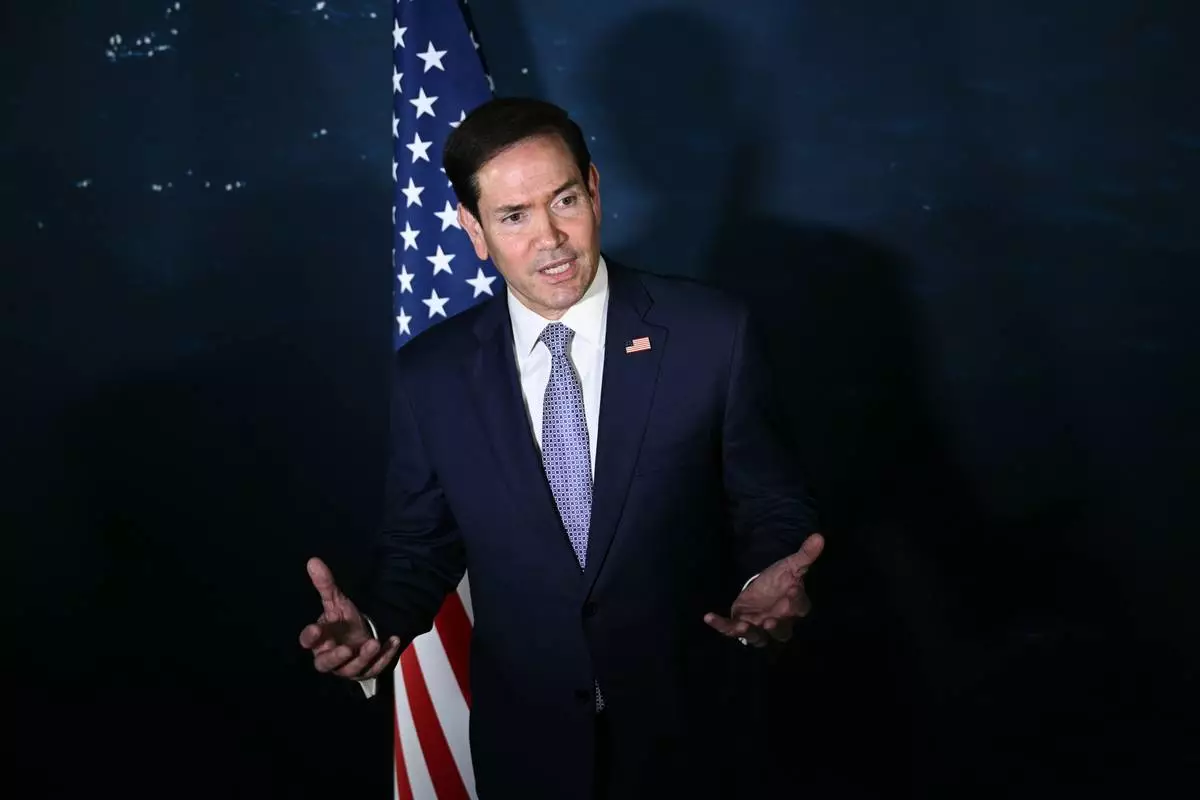
Secretary of State Marco Rubio speaks during a press conference on the sidelines of the Association of Southeast Asian Nations (ASEAN) Foreign Ministers' Meeting in Pasay, Metro Manila, Philippines Wednesday, July 22, 2026. (Brendan Smialowski/Pool Photo via AP)

Secretary of State Marco Rubio speaks during a press conference on the sidelines of the Association of Southeast Asian Nations (ASEAN) Foreign Ministers' Meeting in Pasay, Metro Manila, Philippines Wednesday, July 22, 2026. (Brendan Smialowski/Pool Photo via AP)

Recommended Articles