Skip to Content Facebook Feature Image

International economic forum in east China tackles open trade, security-based development

China

China

China

International economic forum in east China tackles open trade, security-based development

2025-11-06 16:07 Last Updated At:17:07

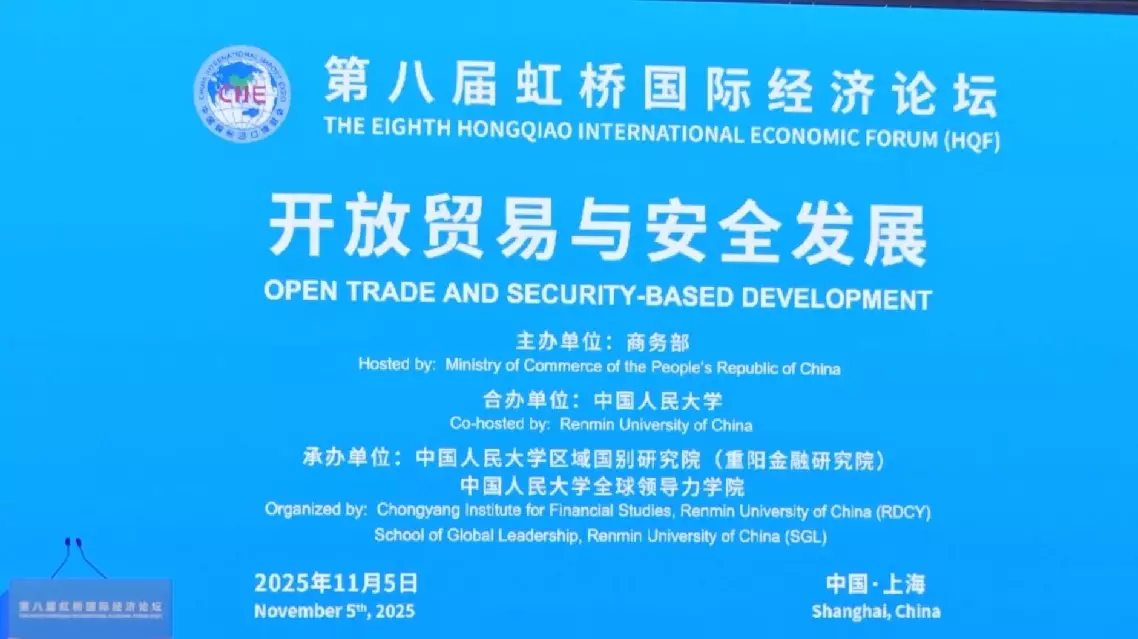
"Open Trade and Security-based Development", a sub-forum at the 8th Hongqiao International Economic Forum in Shanghai, east China, Wednesday gathered distinguished global experts to deliberate on trade openness, supply chain resilience, and global governance.

As an important part of the 2025 China International Import Expo (CIIE), the sub-forum featured prominent scholars, including Nobel Laureate in Economic Sciences Thomas Sargent and Columbia University Professor Jeffrey Sachs.

"The technology that truly 'wins' is the one that is not only more effective to use, but also offers cost-scale advantages, has greater diffusion potential, and empowers other countries, enabling them to innovate more independently. In this regard, I believe China's technology is a kind of spreading technology. From green energy to infrastructure, including AI and the optimization of our entire governance system, China’s technology is empowering other countries," said Jin Keyu, professor from Hong Kong University of Science and Technology.

The 8th China International Import Expo and the Hongqiao International Economic Forum opened in Shanghai on Wednesday, with organizers saying these events demonstrate China's determination to promote high-standard opening up and shared development with the rest of the world.
International economic forum in east China tackles open trade, security-based development
International economic forum in east China tackles open trade, security-based development
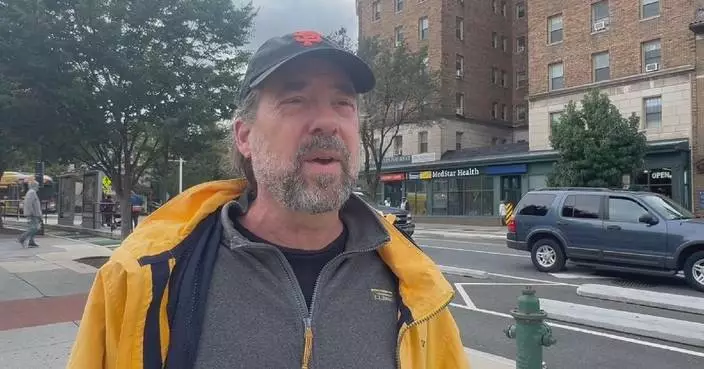
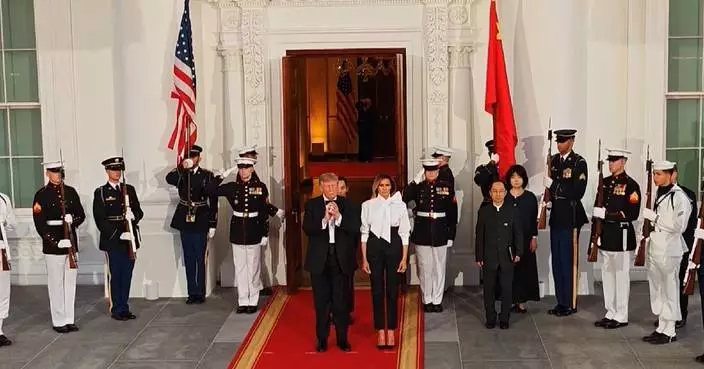
The U.S. decision to impose a 15 percent global tariff has cast more confusion and uncertainty for businesses and consumers, according to financial analysts.

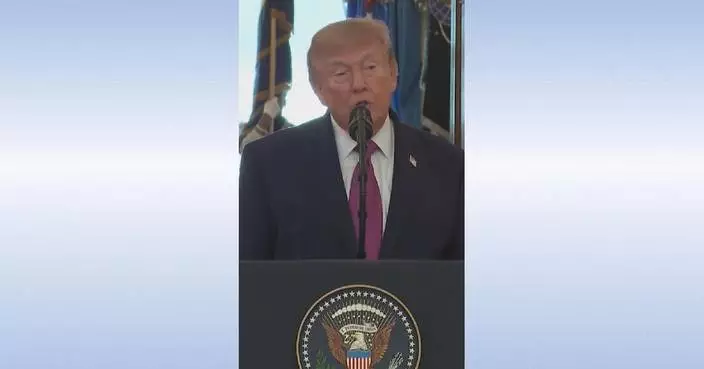
U.S. Supreme Court ruled Friday morning in a 6-3 vote that U.S. President Donald Trump's tariff policy under the International Emergency Economic Powers Act was illegal.

Infuriated by the ruling, Trump signed an order imposing a 10 percent tariff on imports from all countries hours later. Then on Saturday he said that he will raise the new global tariff to 15 percent.

The White House said the new levy is being imposed to address "fundamental international payment problems," adding that it will stay in effect for 150 days under a section of the Trade Act of 1974.

Certain products will be exempt from that levy - including some critical minerals, beef and tomatoes. The Trump administration also said it's considering other legal avenues to impose duties.

While the Supreme Court deemed many of Trump's tariffs illegal, it did not specify a means to pursue refunds, instead leaving that issue to lower courts. That could mean protracted legal wrangling for years for U.S. importers and uncertainty over if and how consumers will see any benefit.

"I would caution consumers, business owners, from assuming that this is going to have an immediate benefit, that this is going to cause immediate lower prices. That isn't likely. What this really does is, again, cause a lot more uncertainty," said Stephen Kates, senior financial analyst with Bankrate, a consumer financial services company based in New York City.

Trump tariffs cast more uncertainty for businesses, consumers: analyst

Trump tariffs cast more uncertainty for businesses, consumers: analyst

Recommended Articles