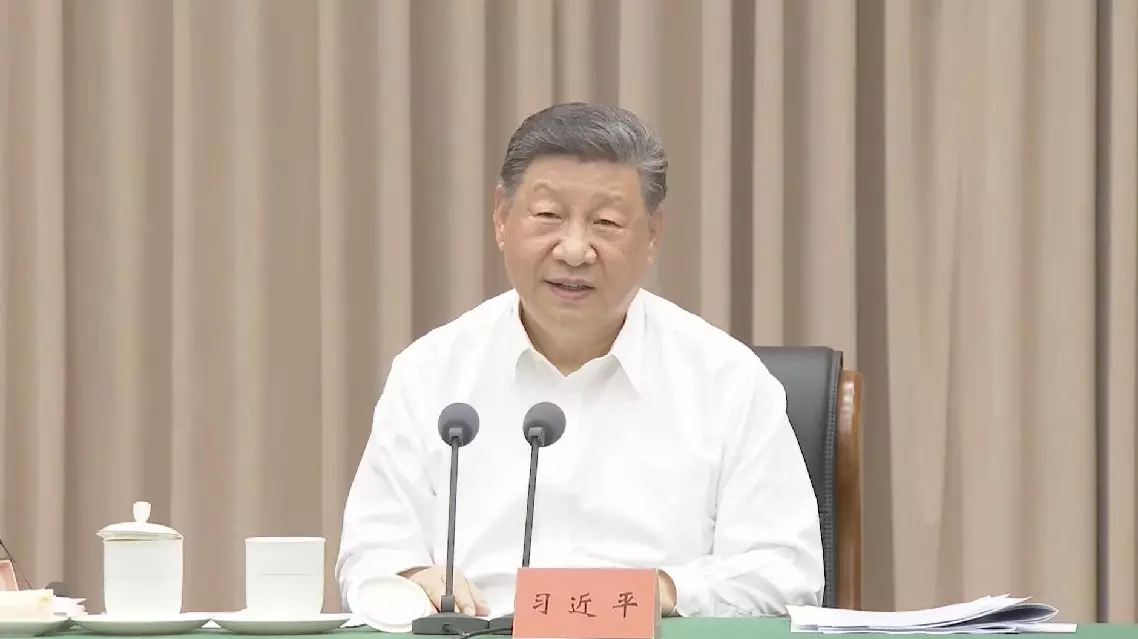
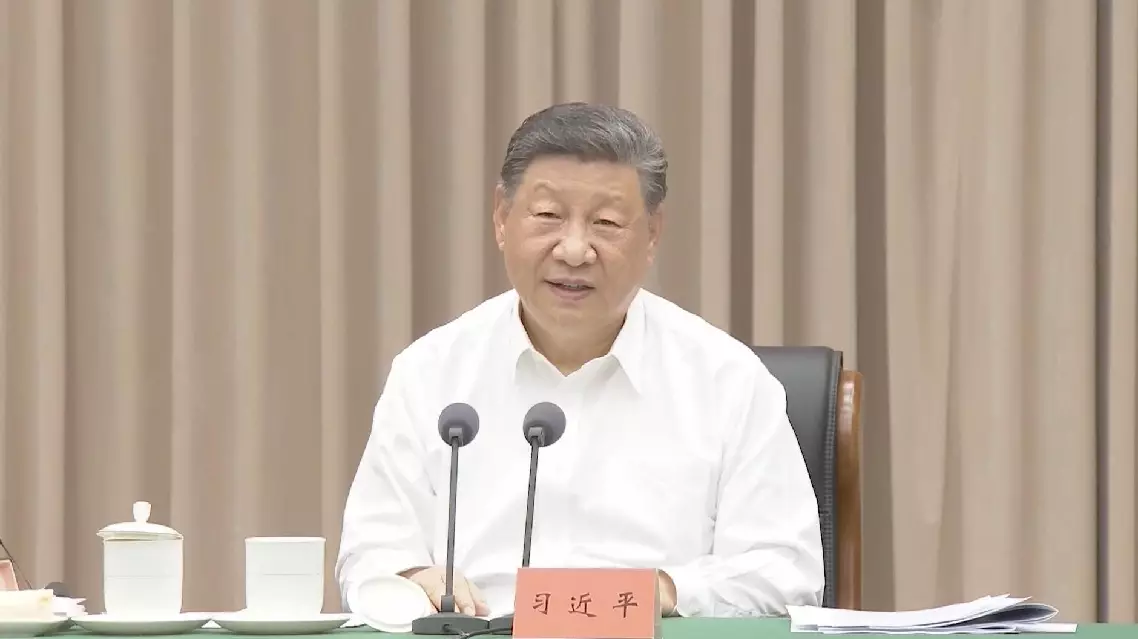
Chinese President Xi Jinping stressed adopting high standards in building the Hainan Free Trade Port (FTP) on Thursday.
Xi, also general secretary of the Communist Party of China (CPC) Central Committee and chairman of the Central Military Commission, made the remarks when hearing a work report in Sanya, south China's island province of Hainan, on the building of the Hainan FTP.
Building the Hainan FTP is a major policy made by the CPC Central Committee to comprehensively deepen reform and opening up in the new era, Xi said.
He stressed earnestly studying and implementing the guiding principles of the fourth plenary session of the 20th CPC Central Committee, and called for achieving the targets of the Hainan FTP development in all respects via close coordination, proactive actions and sustained efforts.
The Hainan FTP will officially launch island-wide special customs operations on Dec 18 this year, which Xi said is a landmark move taken by China to unwaveringly expand high-standard opening up and promote the development of an open world economy.
The strategic goal of developing the Hainan FTP is to build it into an important gateway to steer China's opening-up in the new era, Xi stressed.
To realize the strategic goal, efforts should be made to fully implement the Master Plan for the Development of Hainan Free Trade Port and the Hainan Free Trade Port Law, and develop policy and institutional systems compatible with a high-standard FTP step by step, he said.
Xi stressed the necessity to steadily expand institutional opening up, and further advance trade and investment liberalization and facilitation.
It's important to enhance opening up based on the flow of goods and factors of production, and construct a more open talent introduction mechanism, he said.
The main objective of developing high-standard Hainan FTP is to promote high-quality development in Hainan and contribute to the nation's efforts in building a new development pattern, Xi noted.
He called for efforts to build a modernized industrial system that fully leverages the characteristics and strengths of Hainan, upgrade leading industries, facilitate full integration between sci-tech innovation and industrial innovation, and make new breakthroughs in fostering new quality productive forces.
Hainan should strengthen coordinated development with the Guangdong-Hong Kong-Macao Greater Bay Area, deepen regional cooperation with the Beijing-Tianjin-Hebei region, the Yangtze River Delta, and the Yangtze River Economic Belt, fully integrate into the Belt and Road Initiative, and play a leading role in advancing high-level opening up, Xi said.
Noting that ecology is one of Hainan's major advantages, Xi said that the province should make continued efforts in promoting coordinated land and maritime development, address prominent environmental issues, and advance the high-quality development of the national pilot zone for ecological conservation.
Measures should be taken to ensure that public services are inclusive, meet essential needs, and provide a cushion for those most in need, Xi said, adding that Hainan should work to resolve the pressing difficulties and problems that concern the people most, so as to make solid progress toward prosperity for all.
Xi stresses high standards in building Hainan Free Trade Port
Xi stresses high standards in building Hainan Free Trade Port