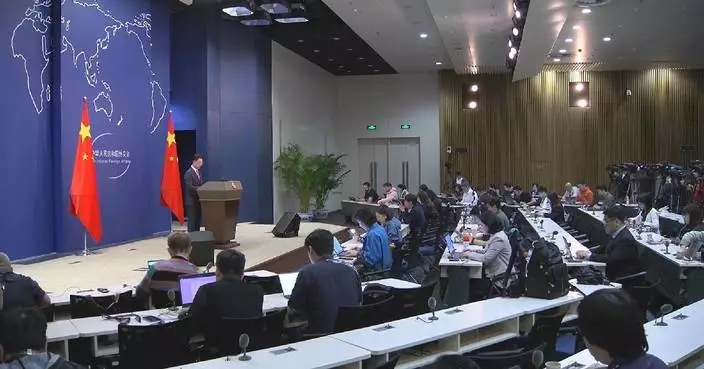
The restricted navigation through the Strait of Hormuz has triggered significant disruptions across the international shipping sector, driving up shipping costs and legal pressures related to shipping.
Iran has restricted navigation through the Strait of Hormuz, a vital strategic waterway linking the Persian Gulf to the Indian Ocean, as part of its response to U.S. and Israeli military attacks that started on Feb 28.
The partial blockade of this vital global energy route has not only impacted global energy supplies but also caused a ripple effect on energy trading, shipping operations, and the insurance market.
Wai Yue Loh, partner of DAC Beachcroft, and a specialist in shipping, trade, commodities and insurance law said he has been dealing with questions from shipping clients after the conflict in Iran broke out.
He said the commodities traders bear the brunt of Strait of Hormuz crisis and explained the interconnected vulnerabilities across the three industries most affected.
"It's easy to forget that the first industry directly affected would be the commodities traders who are buying and reselling crude oil coming out from the Middle East. Crude oil cargoes from this region account for about 25 percent or more of the world's crude oil supplies. The second industry affected would be the shipowners or the ship operators whose ships are chartered by these commodities traders, in simple terms hired by these commodity traders, to carry these cargoes from the Persian Gulf to refineries around the world for refining. These refined products are then on-sold to other buyers worldwide. The third would be the insurance industry that provides, amongst other things, war risk cover for ships that are trading globally," he said.
With the rising risks of war, shipping companies face not only security challenges but also complex legal issues such as rising insurance costs, increased uncertainty in contract performance, and the apportionment of liability, he added.

Hormuz Strait crisis delivers severe blow to global shipping industry

Hormuz Strait crisis delivers severe blow to global shipping industry
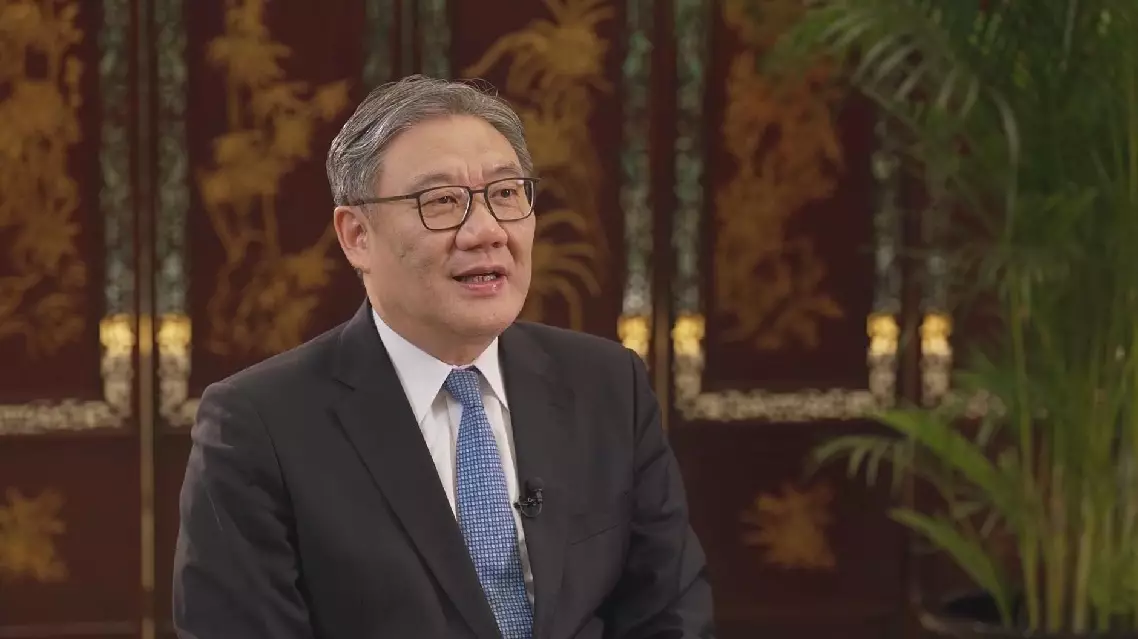
China's Minister of Commerce Wang Wentao outlined the key priorities of the 32nd Asia-Pacific Economic Cooperation (APEC) Ministers Responsible for Trade Meeting, which opened on Friday in Suzhou, East China's Jiangsu province.
In an interview with CGTN ahead of the two-day meeting, Wang said free trade, digital cooperation and green economy are high on the agenda of the meeting.
"The key areas include advancing regional economic integration and the Free Trade Area of the Asia-Pacific, supporting the World Trade Organization (WTO) in strengthening digital cooperation and developing green economy. At present, the international situation is marked by intertwined turbulence and chaos, with intensified geopolitical instability. The rise of unilateralism and protectionism poses serious challenges to the international economic and trade order, disrupting global and Asia-Pacific development. Against this backdrop, all parties have higher expectations for this trade ministers' meeting, hoping that it can build consensus and deliver outcomes," Wang said.
This year marks China's third time hosting the APEC meetings and the 35th anniversary of its membership.
By 2025, China had become the largest trading partner of 13 APEC economies. Trade between China and APEC economies reached 3.7 trillion U.S. dollars, accounting for 57.8 percent of China's total foreign trade.
China has signed 24 free trade agreements or economic and trade arrangements with 31 countries and regions, including 15 APEC economies. In recent years, China has also completed upgrades of free trade agreements with APEC economies such as Singapore and Peru.
The minister said that China has always been a firm supporter and an important contributor to APEC.
"We have actively shared our vast market and development opportunities with all parties. China's door to the world will only open wider and wider. Facing the common challenges, China will continue to fulfill its responsibilities as a major country, further deepen reform, expand high-standard opening-up, and continue to provide new opportunities for the Asia-Pacific region and the world with its new achievements in Chinese modernization," the minister said.
China's Commerce Minister outlines priorities for 32nd APEC trade ministers' meeting