Doctor after doctor misdiagnosed or shrugged off Ruth Wilson’s rashes, swelling, fevers and severe pain for six years. She saved her life by begging for one more test in an emergency room about to send her home, again, without answers.
That last-ditch test found the Massachusetts woman’s kidneys were failing. The culprit? Her immune system had been attacking her own body all that time and nobody caught it.
Click to Gallery
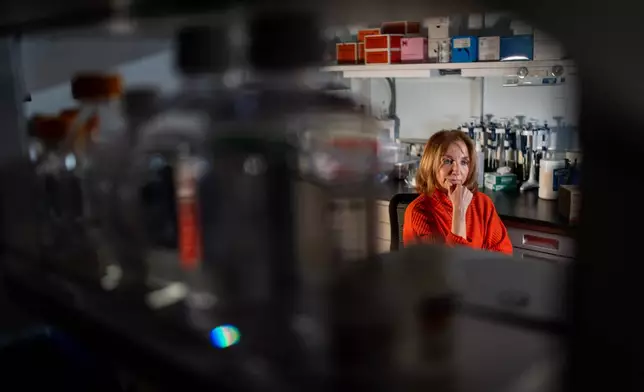
Dr. Mariana Kaplan, chief of the National Institute of Arthritis and Musculoskeletal and Skin Diseases at the National Institutes of Health, is photographed during an interview at her lab, Tuesday, Jan. 21, 2025, in Washington. (AP Photo/David Goldman)
Dr. Mariana Kaplan, chief of the National Institute of Arthritis and Musculoskeletal and Skin Diseases at the National Institutes of Health, works in her office, Tuesday, Jan. 21, 2025, in Washington. (AP Photo/David Goldman)
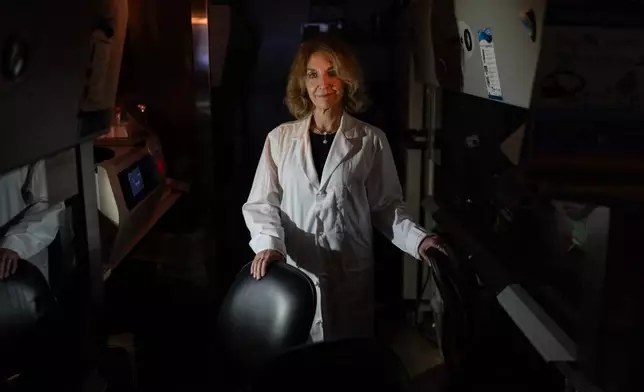
Dr. Mariana Kaplan, chief of the National Institute of Arthritis and Musculoskeletal and Skin Diseases at the National Institutes of Health, poses for a portrait in her lab, Monday, Aug. 25, 2025, in Washington. (AP Photo/David Goldman)
Ruth Wilson, who has lupus and is sensitive to the sun, stands at the water's edge while at the beach with family, Saturday, Aug. 16, 2025, in South Yarmouth, Mass. (AP Photo/David Goldman)
Ruth Wilson, whose lupus took six years to diagnose, receives her monthly lupus-focused IV treatment at UMass Memorial Medical Center, Tuesday, Jan. 14, 2025, in Worcester, Mass. (AP Photo/David Goldman)
Ruth Wilson looks for a parking spot as she arrives for her monthly lupus-focused IV treatment at UMass Memorial Medical Center, Tuesday, Jan. 14, 2025, in Worcester, Mass. (AP Photo/David Goldman)
Ruth Wilson, who has lupus, takes a nap after the onset of a migraine and fatigue, as too much sunshine is one of her triggers, while at the beach with family, Saturday, Aug. 16, 2025, in South Yarmouth, Mass. (AP Photo/David Goldman)
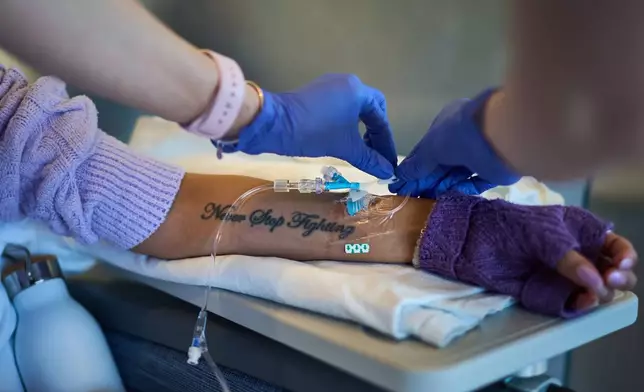
A tattoo reading "Never Stop Fighting" decorates the arm of Ruth Wilson, as she receives her monthly lupus-focused IV treatment at UMass Memorial Medical Center, Tuesday, Jan. 14, 2025, in Worcester, Mass. (AP Photo/David Goldman)
Ruth Wilson, who balances her lupus illness with volunteering to help other patients, puts on makeup as she gets ready for the Walk with Us to Cure Lupus fundraising event, Saturday, Oct. 18, 2025, in New York. (AP Photo/David Goldman)
Ruth Wilson, who has lupus, leaves her monthly lupus-focused IV treatment at UMass Memorial Medical Center, Tuesday, Jan. 14, 2025, in Worcester, Mass. (AP Photo/David Goldman)
“I just wish there was a better way that patients could get that diagnosis without having to go through all of the pain and all of, like, the dismissiveness and the gaslighting,” she said.
Wilson has lupus, nicknamed the disease of 1,000 faces for its variety of symptoms — and her journey offers a snapshot of the dark side of the immune system. Lupus is one of a rogues’ gallery of autoimmune diseases that affect as many as 50 million Americans and millions more worldwide – hard to treat, on the rise and one of medicine’s biggest mysteries.
Now, building on discoveries from cancer research and the COVID-19 pandemic, scientists are decoding the biology behind these debilitating illnesses. They’re uncovering pathways that lead to different autoimmune diseases and connections between seemingly unrelated ones – in hopes of attacking the causes, not just the symptoms.
It's a daunting task. That friendly fire ravages nerves in multiple sclerosis, inflames joints in rheumatoid arthritis, dries out the eyes and mouth in Sjögren's disease, destroys insulin production in Type 1 diabetes, weakens muscles in myositis and myasthenia gravis — and in lupus, it can cause body-wide havoc.
The list goes on: A new count from the National Institutes of Health tallied 140 autoimmune conditions, many rare but altogether a leading cause of chronic disease that’s often invisible.
“You look normal. People see you and they don’t think you have this horrible disease,” said Wilson, 43, who balances her illness with volunteering to help educate the public and even doctors about life with lupus.
While there’s still an enormous amount to learn, recent steps have some specialists daring to wonder if just maybe, ways to cure or prevent at least some of these diseases are getting closer.
In dozens of clinical trials, scientists are harnessing some of patients' own immune cells to wipe out wayward ones that fuel lupus and a growing list of other diseases. It's called CAR-T therapy and early results with these “living drugs” are promising. The first lupus patient was treated in Germany in March 2021 and remains in drug-free remission, the researchers said last month.
And a drug named teplizumab can delay the start of Type 1 diabetes symptoms in people destined to get sick, buying some time before they’ll need insulin. Citing that “tantalizing evidence,” the NIH’s new five-year plan for autoimmune research — if it gets funded — urges pursuing similar windows to intervene in other simmering diseases.
“This is probably the most exciting time that we’ve ever had to be in autoimmunity,” said Dr. Amit Saxena, a rheumatologist at NYU Langone Health.
Your immune system has multiple overlapping ways to detect and attack bacteria, viruses or other bad actors. That includes teaching key soldiers -- T cells and antibody-producing B cells — how to distinguish what’s foreign from what’s “you.”
It’s a delicate balancing act, especially considering germs sometimes adapt features similar to human molecules so they can confuse and sneak past immune defenses. And while the immune system has built-in safeguards to curtail any misbehaving cells, autoimmune diseases set in when the system gets off-kilter.
Numerous genes involved in different immune functions can make people susceptible to common autoimmune diseases. That means if one family member is sick, others may be at increased risk. Such genes can include variants that once protected our ancestors from long-ago threats including the Black Death but that today can translate into a hyperactive immune system.
But “genes are not everything,” said Dr. Mariana Kaplan of NIH’s National Institute of Arthritis and Musculoskeletal and Skin Diseases.
Studies show if one identical twin develops an autoimmune disease, the other isn't guaranteed to get sick. Non-genetic factors that trigger an immune response play a big role, such as infections, certain medicines, smoking, pollutants. In lupus, even a bad sunburn is suspect.
“At some point there is a second or third hit and the immune system says, ‘That’s it, I can’t handle any more of these insults,’” said Kaplan, who directs systemic autoimmunity research.
And women are more likely to get autoimmune diseases than men, maybe because of estrogen or their extra X chromosome. That's especially evident in lupus; women account for 90% of cases, often young ones like Wilson.
Fainting spells and body-wide rashes began in her 20s and intensified with two pregnancies. Youngsters in tow, she saw a variety of doctors for fevers, swelling, joint and back pain until that fateful ER visit when she requested a urine test.
Months of grueling treatment saved her kidneys. But over a decade later, the Littleton, Massachusetts, woman still lives with daily pain from lupus. Deep fatigue and brain fog — difficulty with concentrating, short-term recall, multitasking — wax and wane.
Therapies have improved in recent years, from high-dose steroids and drugs that broadly suppress the immune system to include additional options that focus on specific molecules. Wilson gets a monthly lupus-targeted IV treatment and takes about six daily medicines to calm her overactive immune system and related symptoms.
Worse are what are called flares, when symptoms abruptly and markedly worsen. For Wilson, they bring sudden high fevers, legs too swollen to walk, more intense pain, lasting days to a week. They impact her job at a medical lab and time with her husband, teen son and college-age daughter.
“It’s not a bad life, it’s just a bad day,” she tells herself to get through.
Kaplan, the NIH scientist, has a biological explanation for the daily slog: The same inflammatory proteins that cause aches and fatigue during a cold or flu continually course through the bodies of patients with systemic autoimmune diseases like lupus.
“These are my babies,” said Dr. Justin Kwong, a research fellow in Kaplan’s lab at NIH, as he carefully examines cells in an incubator.
Kwong is performing something so tricky it's not done in many laboratories: He's growing batches of neutrophils, the body’s most common white blood cells.
They are first responders that race to the site of an injury or infection, and Kaplan suspects they’re among the earliest immune cells to run amok and trigger certain autoimmune diseases.
How? Some types of neutrophils spew out their insides to form sticky spider-web like structures that trap and kill germs. The neutrophils die in the process.
But patients with lupus and some other diseases harbor abnormal neutrophils that form too many webs, Kaplan said. Her team is investigating if other immune defenses mistakenly sense the resulting debris as foreign, sparking a chain reaction.
“We think that’s a fundamental initial process,” Kaplan said. “We’re trying to find why it happens, why it happens more often in women, and can we come up with strategies to stop this without harming the way we defend ourselves from infections.”
Another common feature: Patients with a number of autoimmune diseases, especially women, often suffer heart attacks and strokes at unusually young ages. Kaplan’s research suggests those aptly named NETS, or neutrophil extracellular traps, may be key — by damaging blood vessels and spurring hardened arteries typically seen in older people.
But neutrophils don’t live long outside the body and testing mature ones from lupus patients’ blood won’t show how they went awry — something Kwong’s baby neutrophils may aid.
Whatever triggers it, lupus has bafflingly varied symptoms and treatments that can keep some patients symptom-free but not others.
That suggests “lupus is not a single disease,” Kaplan said. “What we call lupus probably represents many different conditions that have some common factors."
How to subtype lupus isn't clear. But another disease, rheumatoid arthritis, may offer clues. Perhaps best recognized by painfully disfigured fingers, RA can attack any joint and even some organs, sometimes scarring lungs.
Like with lupus, RA treatment is trial-and-error and scientists are exploring different underlying factors to explain why. In one study, an international team used tiny samples of patients' joint tissue to identify six inflammatory subtypes of RA based on patterns of cells, how they clustered and their activity.
It “changed how we think about the disease,” said Northwestern University rheumatology chief Harris Perlman, one of the coauthors. Now researchers are comparing cells in joint tissue before and after patients start a new drug to see if they could help guide treatment choices, he said.
Wilson learned to wear sunscreen and a big hat outdoors and how to ration her energy in hopes of avoiding flares. When her kids were old enough for school, she returned, too, getting degrees that led to laboratory research and data science jobs — and a better understanding of her own disease and its treatments.
One day her then-rheumatologist asked if she'd answer some medical students' questions. Wilson remembers many knew “what lupus looks like in a textbook” but not the patient perspective.
“I realized, my god, I need to start talking about this.”
What that looks like now: One evening last February, Wilson bubbled with nerves and excitement at finally meeting some members of her online lupus support group. At UMass Chan Medical School, Wilson greeted the two women and two men with hugs. They shared symptoms and treatments — and rueful stories of well-meaning relatives urging them to just get more sleep to combat the lupus fatigue that rest can't conquer.
A month later, Wilson traveled to Washington for a meeting organized by the Lupus Research Alliance, where she urged scientists and drug company researchers to heed patient reports of changes in their everyday lives, such as whether a new therapy helps brain fog.
Drug studies that measure physical symptoms and blood markers are “only capturing half the story,” she said. “If a treatment allows me to think clearly, to engage in my life, to be the person I know I am beneath all of this, then that is just as important as reducing inflammation.”
While her doctor isn't recommending experimental treatments yet, Wilson recently joined the Lupus Landmark Study that will track biological samples from 3,500 patients to better understand disease variations. Whenever a flare strikes Wilson pricks her finger for a blood sample to share.
“It’s important for me to also be a voice for patients because I think of myself and how lonely I was at the very beginning,” Wilson said. For a long time, “I never wanted to talk about it. Especially my kids, I wanted them to know that I was going to be OK. And so you put on your makeup and your lipstick and your three shades of eye corrector and you go on.”
The Associated Press Health and Science Department receives support from the Howard Hughes Medical Institute’s Department of Science Education and the Robert Wood Johnson Foundation. The AP is solely responsible for all content.

Dr. Mariana Kaplan, chief of the National Institute of Arthritis and Musculoskeletal and Skin Diseases at the National Institutes of Health, is photographed during an interview at her lab, Tuesday, Jan. 21, 2025, in Washington. (AP Photo/David Goldman)

Dr. Mariana Kaplan, chief of the National Institute of Arthritis and Musculoskeletal and Skin Diseases at the National Institutes of Health, works in her office, Tuesday, Jan. 21, 2025, in Washington. (AP Photo/David Goldman)

Dr. Mariana Kaplan, chief of the National Institute of Arthritis and Musculoskeletal and Skin Diseases at the National Institutes of Health, poses for a portrait in her lab, Monday, Aug. 25, 2025, in Washington. (AP Photo/David Goldman)

Ruth Wilson, who has lupus and is sensitive to the sun, stands at the water's edge while at the beach with family, Saturday, Aug. 16, 2025, in South Yarmouth, Mass. (AP Photo/David Goldman)

Ruth Wilson, whose lupus took six years to diagnose, receives her monthly lupus-focused IV treatment at UMass Memorial Medical Center, Tuesday, Jan. 14, 2025, in Worcester, Mass. (AP Photo/David Goldman)

Ruth Wilson looks for a parking spot as she arrives for her monthly lupus-focused IV treatment at UMass Memorial Medical Center, Tuesday, Jan. 14, 2025, in Worcester, Mass. (AP Photo/David Goldman)

Ruth Wilson, who has lupus, takes a nap after the onset of a migraine and fatigue, as too much sunshine is one of her triggers, while at the beach with family, Saturday, Aug. 16, 2025, in South Yarmouth, Mass. (AP Photo/David Goldman)
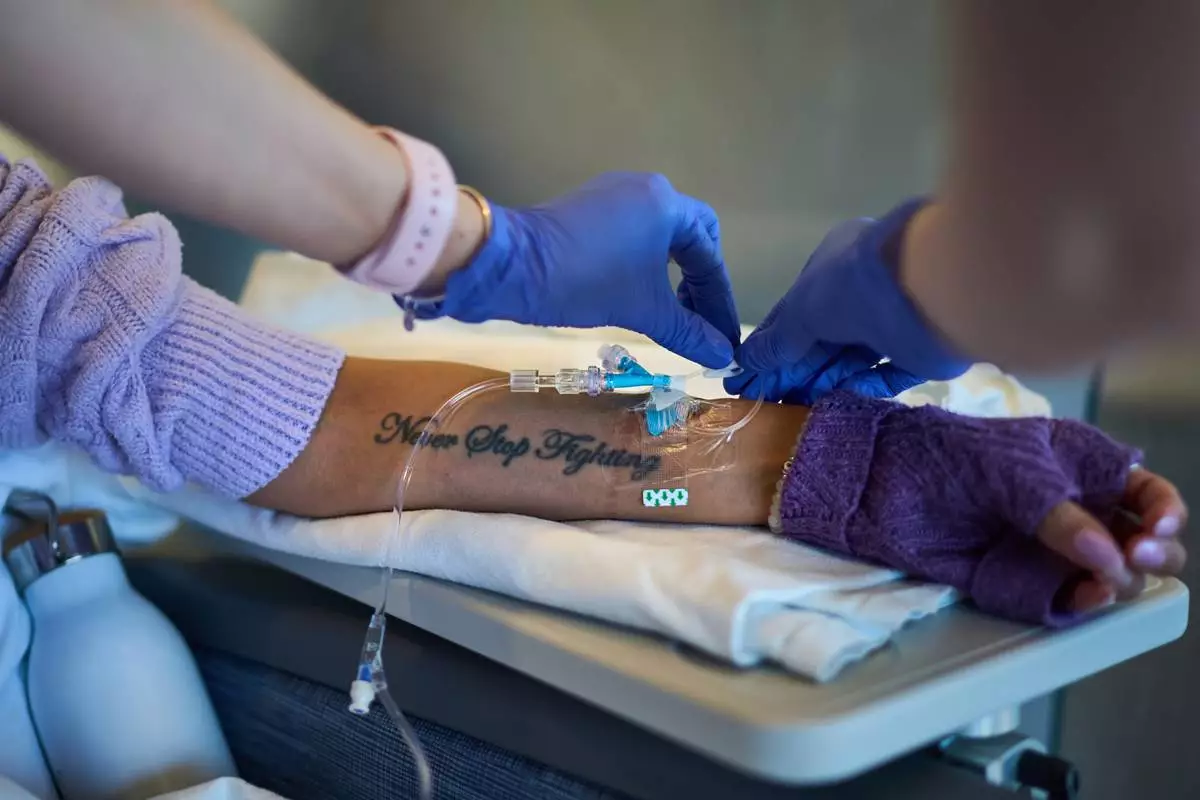
A tattoo reading "Never Stop Fighting" decorates the arm of Ruth Wilson, as she receives her monthly lupus-focused IV treatment at UMass Memorial Medical Center, Tuesday, Jan. 14, 2025, in Worcester, Mass. (AP Photo/David Goldman)

Ruth Wilson, who balances her lupus illness with volunteering to help other patients, puts on makeup as she gets ready for the Walk with Us to Cure Lupus fundraising event, Saturday, Oct. 18, 2025, in New York. (AP Photo/David Goldman)

Ruth Wilson, who has lupus, leaves her monthly lupus-focused IV treatment at UMass Memorial Medical Center, Tuesday, Jan. 14, 2025, in Worcester, Mass. (AP Photo/David Goldman)
U.S. President Donald Trump on Wednesday claimed Iran’s president wanted a ceasefire ahead of his speech to the American people. Trump made the claim on his Truth Social website. Iran’s Foreign Ministry spokesperson said Trump’s remarks were “false and baseless.”
The aircraft carrier USS George H.W. Bush is slated to go to the Middle East along with three destroyers, two U.S. officials said. The carrier strike group consists of more than 6,000 sailors. It comes as thousands of soldiers from the 82nd Airborne Division have also begun arriving in the Middle East, according to two other U.S. officials.
Meanwhile, U.S. gas prices jumped past an average of $4 a gallon for the first time since 2022 on Tuesday, as the Iran war continues to push fuel prices higher worldwide. Analysts say those high fuel costs will trickle into groceries as businesses’ transportation and packaging costs pile up.
Here is the latest:
The president told Reuters in a telephone interview ahead of his televised address Wednesday night that the U.S. would be finishing its war in Iran soon, but he wouldn’t give a timeline.
“I can’t tell you exactly ... we’re going to be out pretty quickly,” he said.
But once the U.S. leaves, he said “We’ll come back to do spot hits” on targets, as needed.
Almost 4 million barrels of crude oil a day transited the Bab el-Mandeb Strait in March, up from about 3 million barrels the prior month and the highest level since October 2023, maritime data firm Kpler said Wednesday.
The increase came as Saudi Arabia sent crude through a pipeline across its country to the Red Sea port of Yanbu after the virtual closure of the Strait of Hormuz. Saudi Aramco operates the East-West pipeline from the Aqaiq oil processing center near the Persian Gulf to Yanbu. It has enabled the Saudis to maintain some exports blocked by the Hormuz closure, but it lacks the capacity to fully compensate.
Before the war, Yanbu shipped 750,000 to 850,000 barrels a day. Of the crude passing through Bab el-Mandeb in March, 1.75 million barrels a day were loaded there, the data showed.
Most of the remainder transiting the strait in March was Russian oil bound for Asia, Kpler said.
Somalia’s government on Wednesday said it has limited control over fuel pricing, as imports are handled by private companies in a largely liberalized market.
Dahir Shire Mohamed, Minister of Petroleum and Mineral Resources, said prices have surged due to “external shocks,” linking the increase to “regional tensions affecting global supply routes.”
The price per liter has increased from $0.70 to $1.75, marking a 150% increase.
Tanzania’s Energy Ministry on Wednesday announced a 33% increase in fuel prices, attributing it to the conflict in Iran, saying it had affected supply and shipping. The ministry urged Tanzanians to use the available fuel “carefully and efficiently.”
American officials have given mediators “clear assurances” that Iranian Foreign Minister Abbas Araqchi and Parliamentary Speaker Mohammad Baqer Qalibaf won’t be targeted amid ongoing diplomatic efforts to stop the Iran war, according to two regional officials and one person briefed on the matter.
The person briefed said that Pakistan asked Washington to intervene to get Israel to remove the two officials from its hit list.
Israel’s prime minister’s office and the military didn’t respond to request for comment.
The assurances were also given at the request of other regional mediators to facilitate communications with Iran and push for indirect talks, said one of the officials, who is involved in the mediation efforts. All three spoke to The Associated Press on the condition of anonymity because they were not authorized to discuss sensitive diplomatic conversations.
A Gulf diplomat, briefed on the matter, said the U.S. assurances were “crucial” to ensure neither the foreign minister or the speaker or their teams won’t be assassinated. Reuters was the first to report that the two Iranian leaders were removed from a supposed hit list.
The two leaders spoke via phone in a “constructive” conversation, said Alexander Stubb, the Finnish leader.
“We exchanged thoughts on NATO, Ukraine, and Iran,” Stubb wrote in an X post. “It’s good to seek solutions to problems together.”
The call comes as the U.S. president is increasingly venting about allies and what he says is their unwillingness to get involved in the war in Iran, particularly in securing the Strait of Hormuz, prompting him to again talk about the U.S. leaving NATO.
Syrian state television said Wednesday that its crew reporting in the Quneitra Province in southern Syria was targeted by the Israeli military, a claim the military later denied.
A video aired by the station showed a journalist in a press vest falling to the floor following what the person filming said was “a second shelling.”
The Israeli military said the “journalists approached the scene only after the fire had been carried out and were not the target of the activity.” It wasn’t immediately clear what the military was targeting.
A revised draft of Bahrain’s proposal — obtained by The Associated Press — to protect commercial shipping in and around the critical waterway has removed explicit authorization for U.N.-backed military action while retaining language associated with it. A vote on the new draft is expected Thursday, according to a U.N. diplomat who wasn’t authorized to comment about plans not yet made public and spoke on the condition of anonymity.
The original text had been placed under Chapter Seven of the U.N. Charter, which allows the council to authorize actions ranging from sanctions to the use of force. But it faced opposition from Iran’s allies on the Security Council, China and Russia, which are both veto-wielding members. The U.S. and the Gulf countries, including the United Arab Emirates, had been lobbying on behalf of the proposal.
The diplomat said the watered-down language will still be a hard swallow for China and Russia but it’s expected to get the necessary votes to pass the 15-member council.
— Farnoush Amiri
President Trump says he’s strongly considering pulling the United States out of NATO, ratcheting up his criticism of European allies and exposing a wider rift in the trans-Atlantic alliance — this time over the Iran war.
While Trump’s talk of a possible NATO pullout dates back years, the comments to The Telegraph newspaper in the U.K., published Wednesday, were among the clearest and most disparaging yet — suggesting the fracture has deepened perhaps to a point of no return.
Asked whether he would reconsider U.S. membership in the alliance after the conflict in the Middle East ends, Trump replied: “Oh yes, I would say (it’s) beyond reconsideration.”
NATO didn’t provide immediate comment when contacted by The Associated Press.
U.K. Prime Minister Keir Starmer said his government was “fully committed to NATO” and called it “the single most effective military alliance the world has ever seen.”
Many European leaders have felt political pressure over the war, which faces opposition in their countries and has sent petroleum prices soaring as Iran has effectively shut the Strait of Hormuz.
▶ Read more
Macron, who held talks with Japanese Prime Minister Sanae Takaichi, said Wednesday they both believe in international law, the international order and the democratic values, adding: “This is why ... we both advocate for a return to peace, a ceasefire, calm, and free passage through the Strait of Hormuz.”
Takaichi said the two leaders agreed on the importance of quickly de-escalating the conflict and to secure the safety of the vital waterway and the stable supply of goods.
“With the international environment increasingly severe, I believe it is especially meaningful for the Japanese and French leaders to deepen our friendship and cooperation,” Takaichi said at a joint news conference at the Akasaka Palace in Tokyo.
The leaders said they also agreed to deepen their cooperation in defense, rare earths development, nuclear energy, space and other areas.
▶ Read more
Shelly Kittleson’s mother, 72-year-old Barb Kittleson, said she last exchanged emails with her daughter Monday. Shelly Kittleson sent photos of herself from Iraq, her mother said.
Barb Kittleson said she heard about the kidnapping from a news report Tuesday and was visited by the FBI at her home in Mount Horeb, Wisconsin, on Tuesday night.
When asked how she felt about the kidnapping she said, “Terrible. Scared. I’ll pray for her.”
She said her hope is for her daughter “not to be hurt and be OK.”
Shelly Kittleson left her home in Wisconsin in 1995, when she was 19 years old, and first headed to Italy where she went to school and worked as a nanny, her mother said. She spent about 10 years in Italy before eventually settling in Iraq, Barb Kittleson said.
Barb Kittleson said she had not seen her daughter in person since 2002 but they exchange emails a couple of times a week, including on Monday when her daughter sent her a couple of pictures.
Should the U.S. decide to send in military forces to secure Iran’s uranium stockpile, it would be a complex, risky and lengthy operation, fraught with radiation and chemical dangers, according to experts and former government officials.
President Trump has offered shifting reasons for the war in Iran but has consistently said a primary objective is ensuring the country will “never have a nuclear weapon.” Less clear is how far he’s willing to go to seize Iran’s nuclear material.
Given the risks of inserting as many as 1,000 specially trained forces into a war zone to remove the stockpile, another option would be a negotiated settlement with Iran that would allow the material to be surrendered and secured without using force.
Iran has 972 pounds (440.9 kilograms) of uranium that’s enriched up to 60% purity, a short, technical step from weapons-grade levels of 90%, according to the International Atomic Energy Agency, the U.N.’s nuclear watchdog agency.
▶ Read more
Sirens sounded across central Israel in multiple rounds within minutes Wednesday afternoon. Associated Press reporters heard loud booms in Tel Aviv as the windows of buildings shook from the reverberations.
Iran’s Foreign Ministry spokesperson, Esmail Baghaei, called Trump’s claim “false and baseless,” according to a report on Iranian state television.
Also, Iran’s paramilitary Revolutionary Guard separately issued a statement saying the Strait of Hormuz “is firmly and decisively under the control” of its forces.
“This strait will not be opened to the enemies of this nation through the ridiculous spectacle by the president of the United States,” it added.
Stocks are climbing worldwide, and oil prices are easing Wednesday as hopes build that the war with Iran could end soon. Some of the moves are tentative, though, after financial markets have already seen similar bouts of optimism get quickly undercut several times.
The S&P 500 rose 0.6% and added to its leap from the day before, which was its best since last spring. That followed even bigger gains for stock markets across Europe and Asia, including an 8.4% surge in South Korea, which were catching up to Wall Street’s rally from Tuesday.
The Dow Jones Industrial Average was up 292 points, or 0.6%, as of 10 a.m. Eastern time, and the Nasdaq composite was 1% higher.
Oil prices also fell back toward $100 per barrel after President Donald Trump said shortly before Wall Street began trading that Iran “has just asked the United States of America for a CEASEFIRE!”
▶ Read more
In addition to gas and oil stuck in the Persian gulf, urgent food aid destined for Sudan and Afghanistan is also facing severe delays, the UN agency for hunger emergencies, World Food Program, warned.
“Think of special nutritious foods required for Sudan,” Corinne Fleischer, WFP director of supply chain, told the AP. “Mothers and children are malnourished and they need this vitamin and mineral enriched food. We produced this in Pakistan as one of the countries. That is now stuck there.”
Fleischer explained that due to the risks of attacks in the southern part of the Red Sea, carriers now have to go all the way down through the Cape of Good Hope in Africa to reach West Africa.
Around 180,000 Iranian families have been displaced due to the ongoing war, but it’s hard to determine an exact figure because Iran doesn’t have a displacement tracking level as found in other countries, according to the International Organization for Migration.
Amy Pope, IOM’s director general, told The Associated Press the agency expects that figure to increase as more civilian infrastructure gets caught in the crossfire.
Pope also warned about the impact on migrants working in Iran who might not be guaranteed the same safety that an Iranian family is seeking.
“This is the kind of hidden consequence of a conflict like this. There are people ... who are not necessarily accounted for and ... won’t have the support they need,” she said.
President Trump on Wednesday claimed Iran’s president wanted a ceasefire ahead of his speech to the American people.
Trump made the claim on his Truth Social website.
Trump said “Iran’s New Regime President,” however. Iran still has the same president.
Trump also said a ceasefire would only happen when the Strait of Hormuz is “open, free, clear.”
“Until then, we are blasting Iran into oblivion or, as they say, back to the Stone Ages!!!” he wrote.
Iran had no immediate response to Trump’s post. Iran’s Foreign Minister Abbas Araghchi in an interview with Al Jazeera aired late Tuesday signaled Tehran’s willingness to keep fighting.
“You cannot speak to the people of Iran in the language of threats and deadlines,” he said. “We do not set any deadline for defending ourselves.”
A Pakistani vessel carrying oil arrived at the southern port city of Karachi after transiting the Strait of Hormuz, while a second vessel reached the port via a different route, a Karachi Port Trust spokesperson said Wednesday.
Spokesperson Shariq Farooqi said more Pakistani-flagged ships are expected this month to deliver much-needed oil from Gulf countries.
The development comes days after Pakistan’s foreign minister said Iran had agreed to allow 20 additional Pakistani-flagged ships to pass through the Strait of Hormuz, describing the move as a “constructive gesture” aimed at easing regional tensions.
Pakistan is also seeking to help end the conflict between the United States and Iran by encouraging both sides to return to negotiations.
The Strait of Hormuz is a critical artery for global oil shipments.
Iran’s capital, Tehran, held a funeral Wednesday for an Iranian Revolutionary Guard commander killed in an Israeli airstrike last week.
State television showed live footage of mourners waving Iranian flags at a funeral for Rear. Adm. Alireza Tangsiri, the head of Revolutionary Guard’s navy. An Israeli airstrike killed Tangsiri last week, with Tehran only acknowledging his death Monday.
Another funeral had been held Tuesday in Bandar Abbas, a key port city on the Strait of Hormuz.
A volunteer with the Iranian Red Crescent was killed by an airstrike Tuesday in the country’s northwest, according to the International Federation of Red Cross and Red Crescent Societies.
Alireza Sohbatlou was providing services at a clinic in Zanjan province when an airstrike hit the nearby religious site Azam Hussainiya of Zanjan, the humanitarian network said Wednesday.
He was the third Red Crescent volunteer killed in Iran since the start of the war, the IFRC said.
Iran’s supreme leader vowed Wednesday his nation will continue to support anti-Israeli forces in the Mideast.
The message from Ayatollah Mojtaba Khamenei, like others since he was named Iran’s new supreme leader, came in a statement read on air by a state television anchor.
“I firmly declare that the consistent policy of the Islamic Republic of Iran, in continuing the path of the late Imam and martyred leader, is based on continuing to support the resistance against the Zionist-American enemy,” Khamenei said in the comments from a letter to the Lebanese group Hezbollah.
Khamenei has not been seen since the war began Feb. 28. U.S. and Israeli officials believe he was wounded and remains in hiding.
An Indian citizen was wounded during a drone attack Wednesday in the United Arab Emirates, according to the official WAM news agency in Umm Al Quwain, one of the UAE’ seven emirates.
Shrapnel fell near an industrial area of Umm Al Thoub while air defense systems were intercepting a drone, the agency reported.
The Russian Embassy in Iran on Wednesday condemned an airstrike on the compound of the former U.S. Embassy there as it damaged a nearby cathedral.
The embassy said the blast broke doors and windows at St. Nicholas Orthodox Cathedral, just across from the compound.
An adjacent Russian nursing home sustained damage, including a collapsed roof, it added.
“We strongly condemn the ongoing US and Israeli aggression against Iran, which is increasingly affecting civilian infrastructure and religious and cultural heritage,” the embassy said.
South Korea will require public employees to alternate car use every other day starting next week.
The measure comes as officials raised the alert level over crude oil supplies, citing concerns about a prolonged crisis in the Middle East.
The climate ministry said Wednesday the government will implement an odd-even driving scheme, based on license plate numbers, for public employees using fossil-fuel vehicles starting April 8.
The government already had required public employees to keep their cars off the road at least one weekday starting March 25 to reduce energy consumption during the war.
Electric and hydrogen-powered vehicles, as well as those used by people with disabilities and pregnant women, will be exempt from the restrictions.
Asked about U.S. President Donald Trump’s comment to the Daily Telegraph newspaper that he is considering pulling out of NATO, U.K. Prime Minister Keir Starmer said Britain is “fully committed to NATO.”
Starmer called it “the single most effective military alliance the world has ever seen.”
Starmer told reporters that “whatever the pressure on me and others, whatever the noise, I am going to act in the British national interest in all the decisions I make.”
Prime Minister Keir Starmer says the U.K. will host an international diplomatic conference this week on ways to reopen the Strait of Hormuz.
Starmer says 35 countries have signed a statement committing to work together on restoring maritime security to the key oil transport route.
He said Wednesday that Foreign Secretary Yvette Cooper will lead a conference on the issue, and military planners are also working on plans for security once the Iran war ends.
Starmer said “a united front of military strength and diplomatic activity” is needed to restore stability.
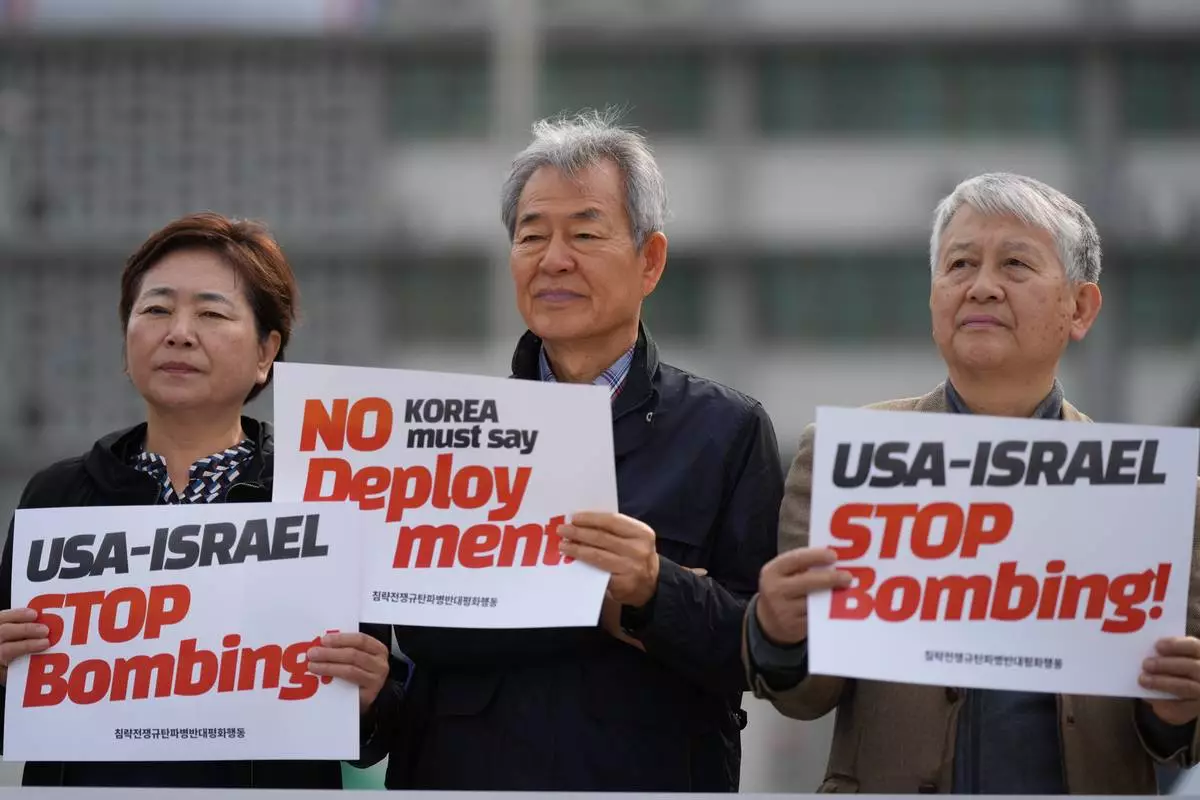
Members of civic groups hold signs against the U.S. and Israel attacks on Iran near the U.S. Embassy in Seoul, South Korea, Wednesday, April 1, 2026. (AP Photo/Lee Jin-man)
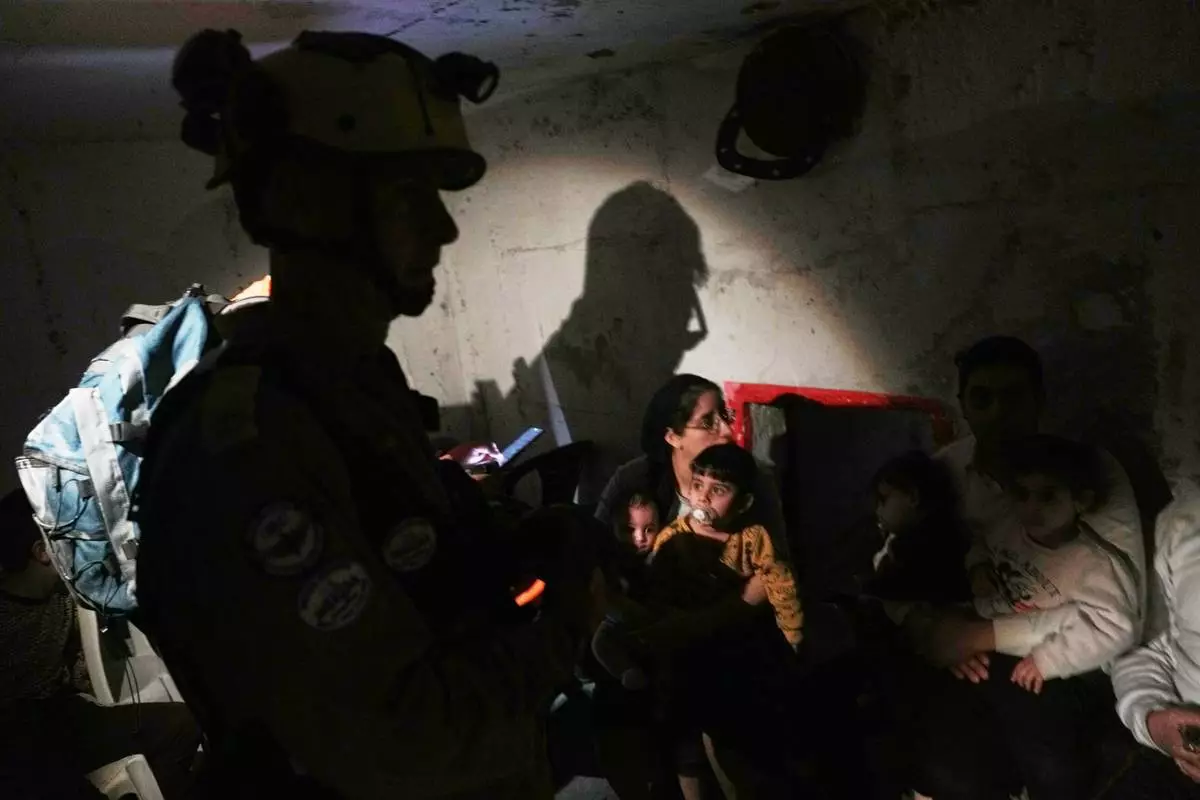
Israel's rescue teams and residents take shelter as sirens sounds next to a site struck by an Iranian missile in Bnei Brak, Wednesday, April 1, 2026. (AP Photo/Oded Balilty)
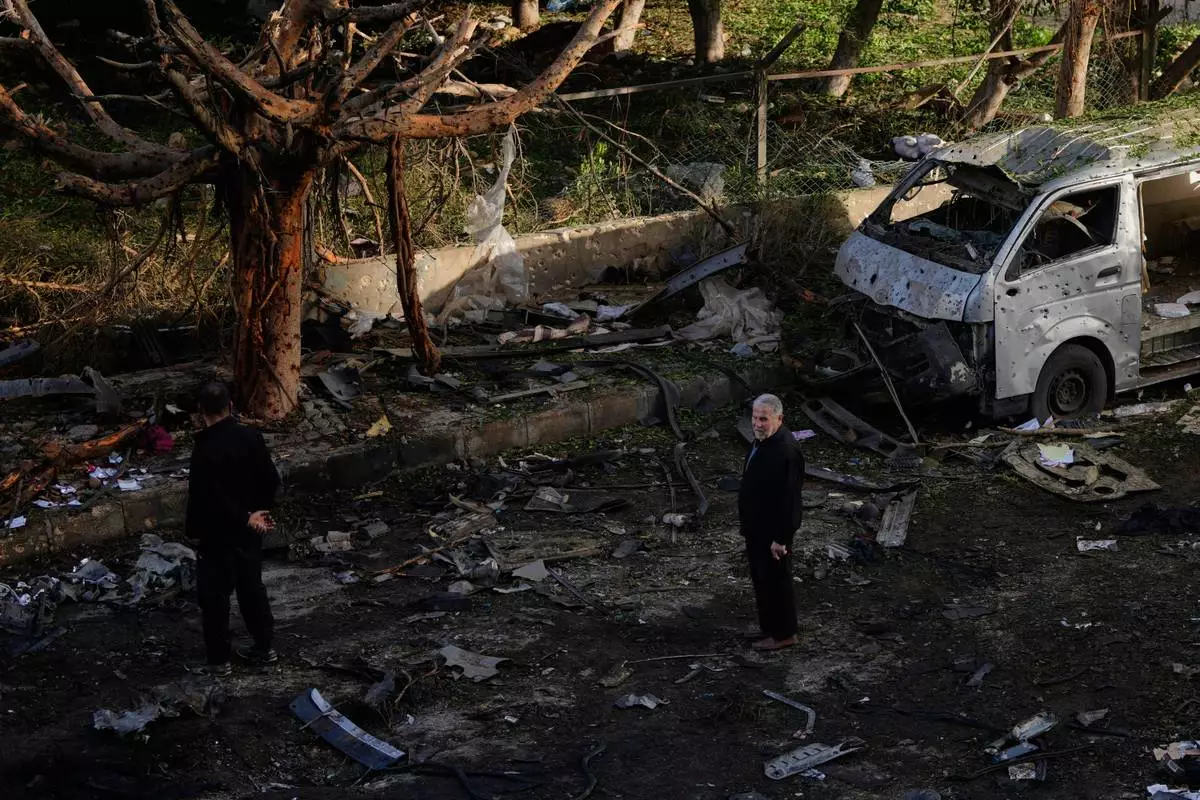
People stand near a damaged van beside scattered debris following an Israeli strike in Beirut, Lebanon, Wednesday, April 1, 2026. (AP Photo/Hassan Ammar)
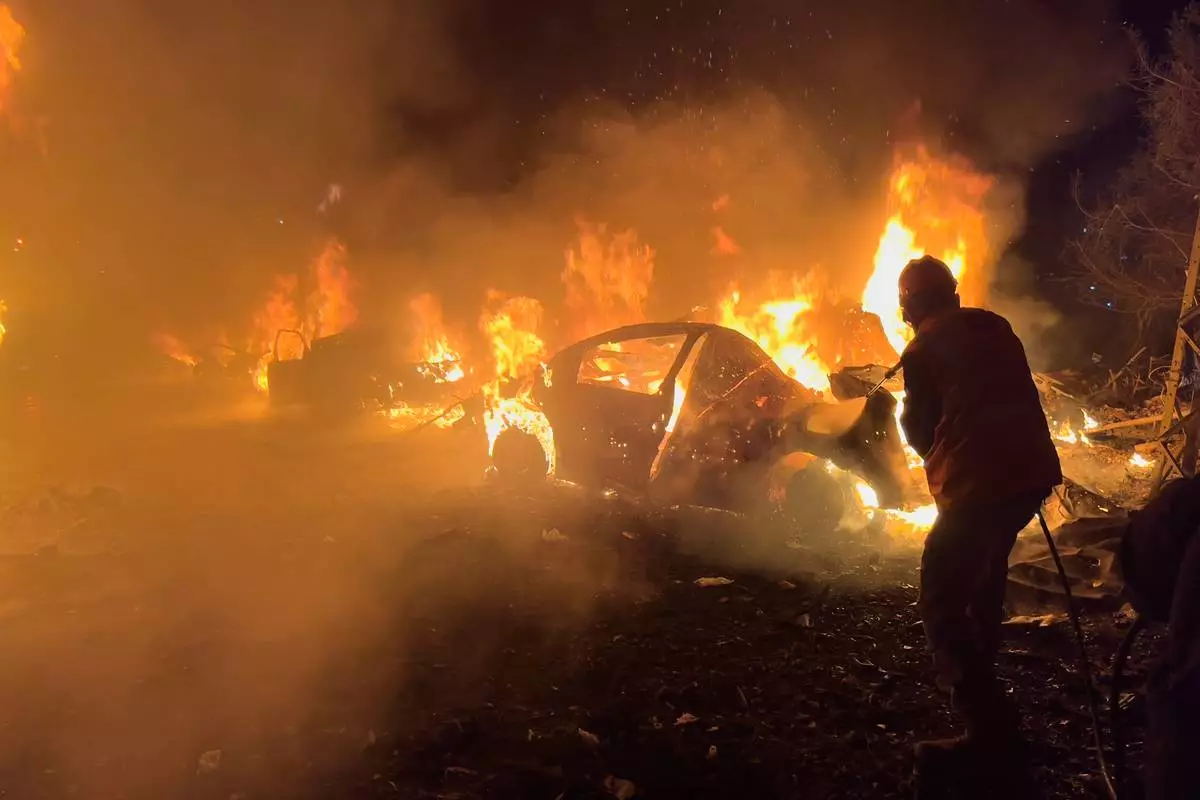
A firefighter extinguishes a car at the site of Israeli airstrikes, in Beirut, Lebanon, Wednesday, April 1, 2026. (AP Photo/Hussein Malla)

Residents and Israeli security forces inspect a site struck by an Iranian missile in Petah Tikva, Israel, Tuesday, March 31, 2026. (AP Photo/Ohad Zwigenberg)
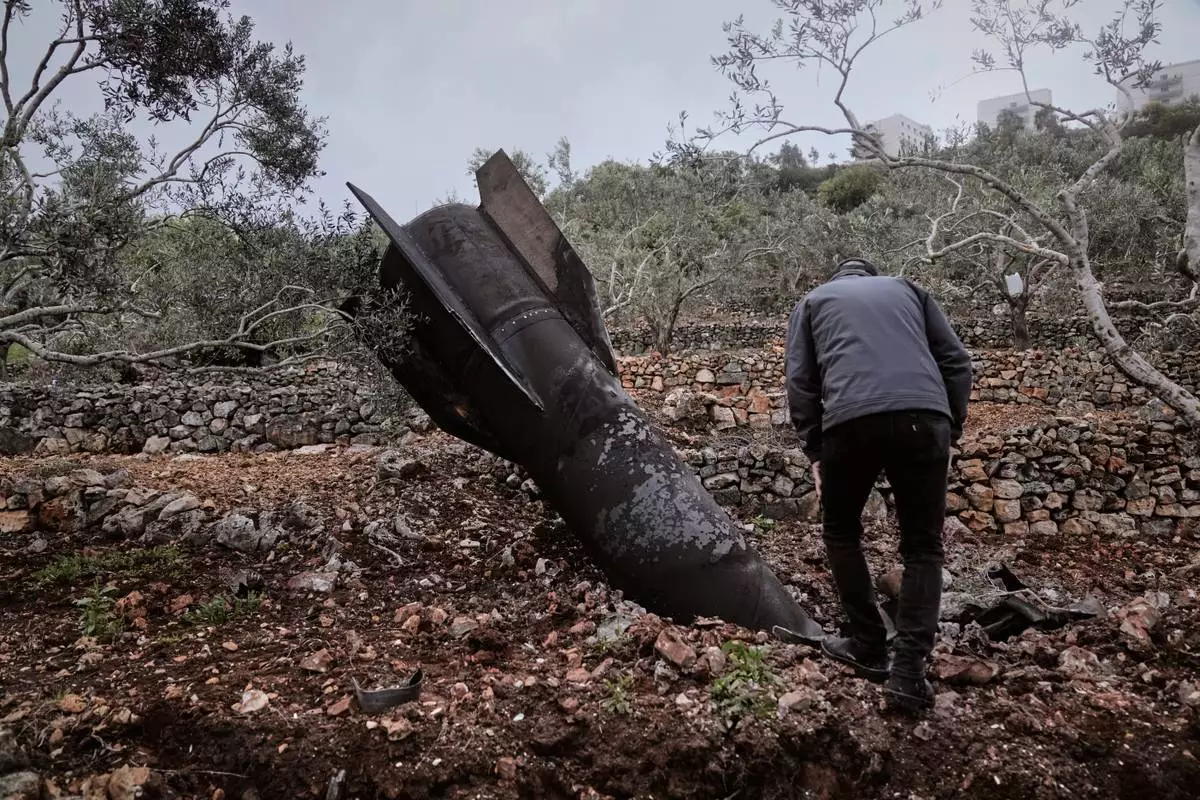
A man inspect the wreckage of an Iranian missile that landed near the West Bank village of Marda, Tuesday, March 31, 2026. (AP Photo/Majdi Mohammed)
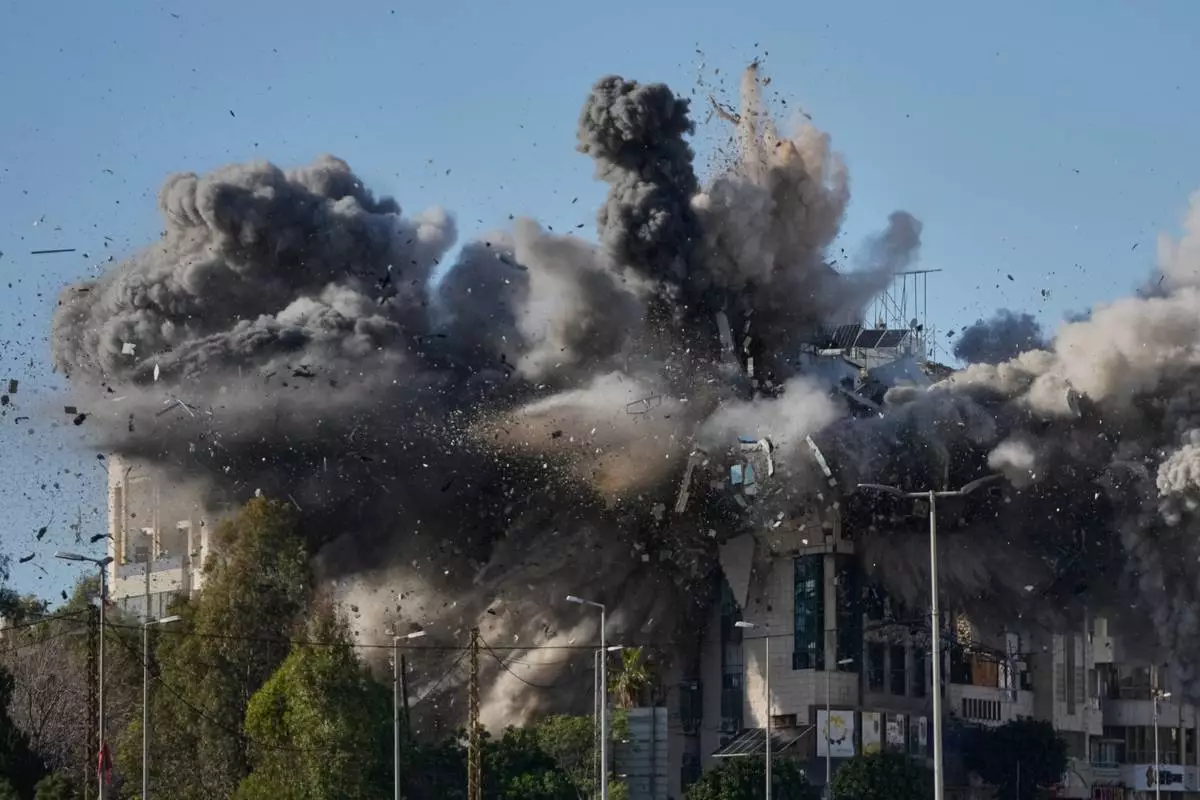
Smoke rises after an Israeli airstrike hits a building near the airport road in Beirut, Lebanon, Tuesday, March 31, 2026. (AP Photo/Hussein Malla)
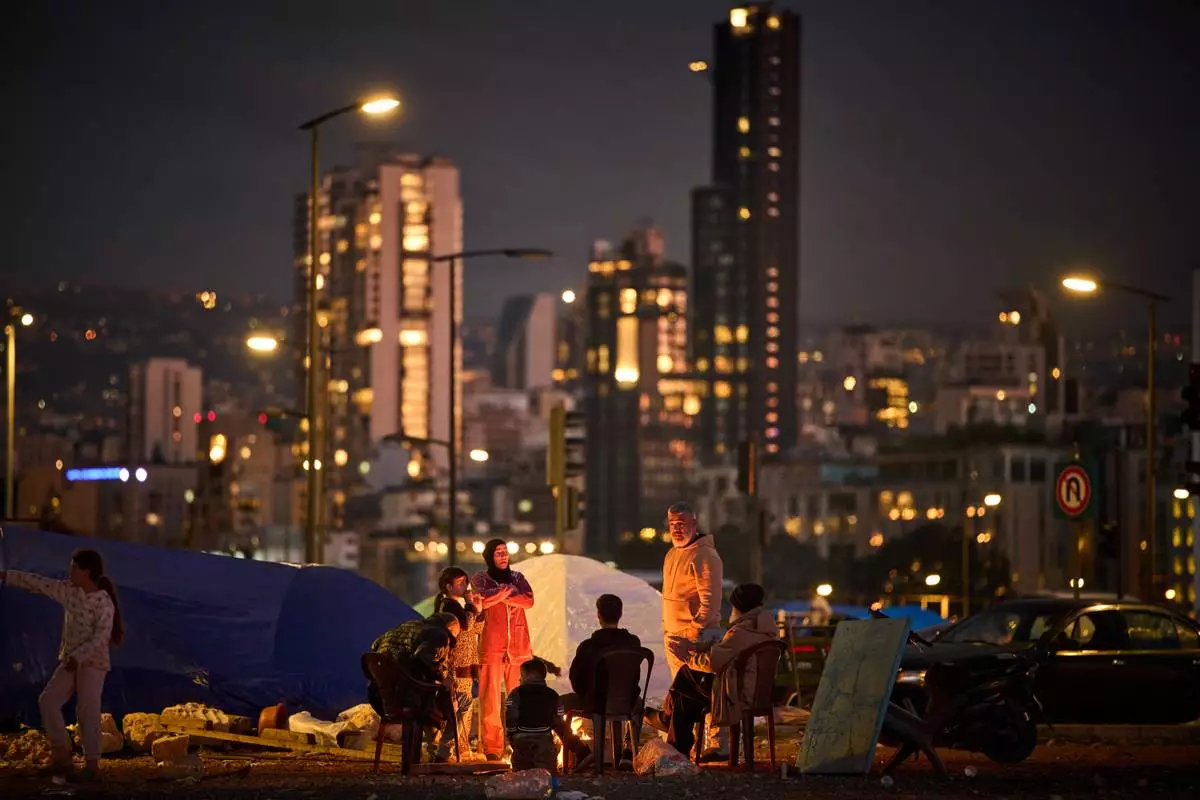
A family who fled Israeli shelling in southern Lebanon warm themselves by a bonfire next to tents used as shelters in Beirut, Lebanon, Tuesday, March 31, 2026. (AP Photo/Emilio Morenatti)