The CCTV Video News Agency (CCTV+) of the China Media Group (CMG) and local media organizations in Xi'an, the capital of northwest China's Shaanxi Province, on Thursday signed memorandums of cooperation with media institutions from across the Global South during a media forum which opened in the ancient Chinese city on the same day.
The document signing ceremony was held during the 13th Global Video Media Forum (VMF), which has gathered hundreds of government officials, leaders of international organizations, and representatives of major media outlets under the theme "Building Consensus for Shared Benefits: Media's Role in Global Governance."
The new agreement saw CCTV+, the Xi'an Daily Media Group, and the Xi'an Broadcasting Corporation jointly sign four memorandums of cooperation on its "Newsharing" project with four media institutions from Myanmar, Afghanistan, Kazakhstan and Kenya.
The "Newsharing" project was launched in 2016 to connect China's domestic media, businesses and local-level governments with the foreign press and their international peers, as well as potential media partners through the global distribution system (GDS) of CCTV+.
As the first and leading video news agency in China, CCTV+ provides domestic news content and a Chinese perspective on international news. It offers quality news footage, live signals and extensive archives to global media organizations and production companies.
Established by CCTV+ in 2011, the VMF focuses on video content dissemination and technological innovations and serves as a key annual exchange platform for global media users and partners. The event has now evolved into a premier global forum, attracting extensive participation from media organizations and professionals worldwide.
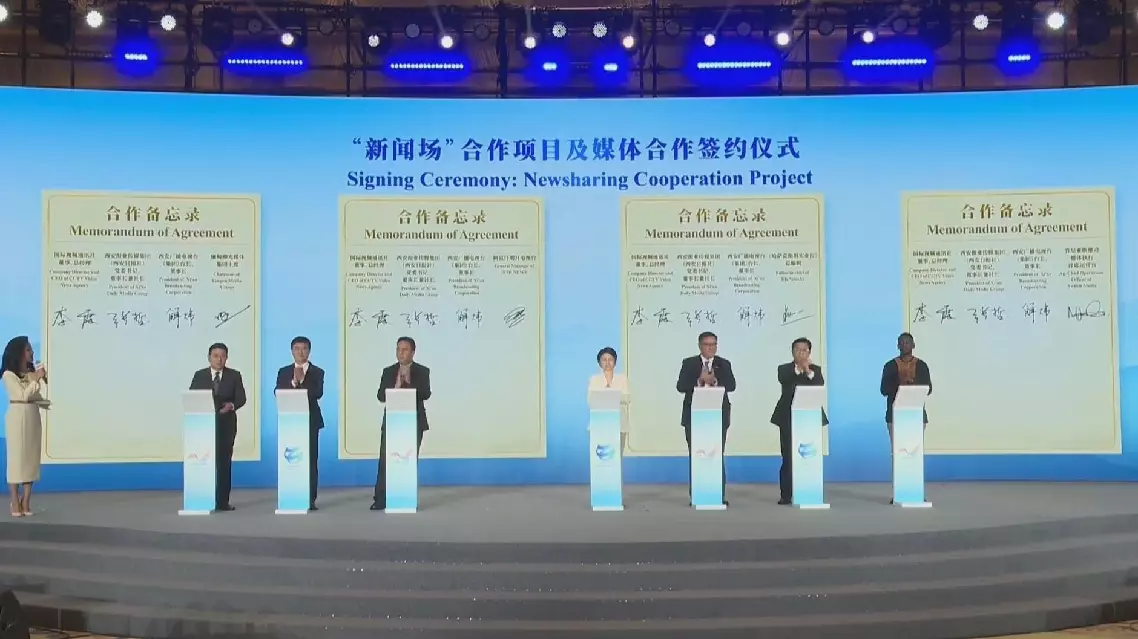
CCTV+ signs memorandums of cooperation with media institutions from Global South
China will strengthen fiscal and financial coordination to amplify policy effectiveness, experts said as the draft central and local budgets for 2026 were unveiled on Friday at the ongoing fourth session of the 14th National People's Congress.
According to the draft central and local budgets for 2026, 1.3 trillion yuan (190 billion U.S. dollars) of ultra-long special treasury bonds will be issued to provide continued support for the implementation of major national strategies and security capacity-building in key areas and for large-scale equipment upgrades and consumer goods trade-in programs.
Ultra-long special treasury bonds totaling 800 billion yuan will be allocated to support the implementation of major national strategies and security capacity-building in key areas, and 250 billion yuan in ultra-long special treasury bonds will be earmarked for consumer goods trade-in programs.
The country will refine these programs in terms of their scope and subsidy standards, and continue to support the scrapping and replacement of automobiles, home appliance trade-in schemes, and purchases of new digital and smart products.
China will also set up a 100-billion-yuan fiscal-financial coordination fund to boost domestic demand. The fund will support consumption and private investment through loan interest subsidies, financing guarantee, and risk compensation.
"Fiscal and monetary policies are the two major macroeconomic tools for macro-control, and their coordination is crucial. For instance, fiscal funds primarily serve as a guiding role, while financial institutions provide the capital. When fiscal guidance and financial resources are combined, the synergistic effect creates a result greater than the sum of its parts," said Yang Zhiyong, director of the Chinese Academy of Fiscal Sciences.
"By leveraging interest subsidies, we can mobilize substantial credit from financial institutions, thereby naturally stimulating consumption. The Ministry of Finance, in collaboration with the People's Bank of China, has introduced highly innovative measures, such as providing guarantees for the issuance of corporate bonds by small and medium-sized enterprises (SMEs), and compensating investors for losses. I believe the leveraging effect, making minimal efforts for maximum results, will become even more potent," said Yao Dongmin, director of the Center for China Fiscal Development under the Central University of Finance and Economics.
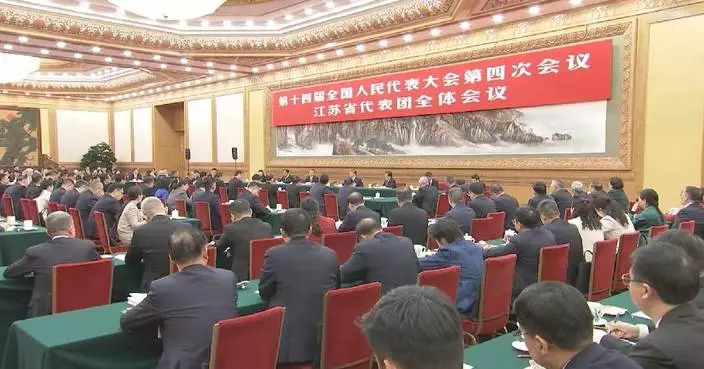
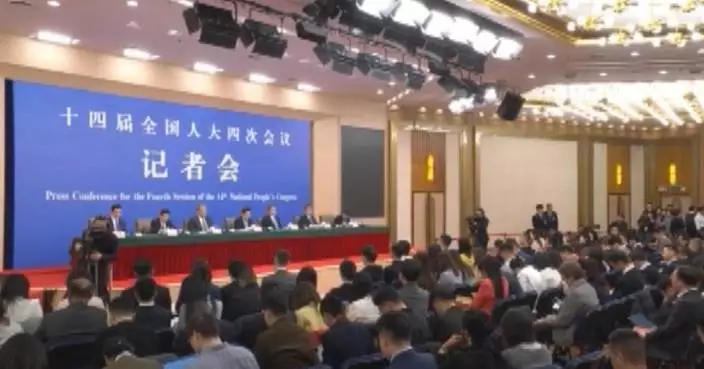
China's top legislature opened its annual session on Thursday morning at the Great Hall of the People in Beijing, with Chinese President Xi Jinping and other Party and state leaders attending the opening meeting alongside more than 2,700 NPC deputies. This year's NPC session is scheduled to run till March 12.
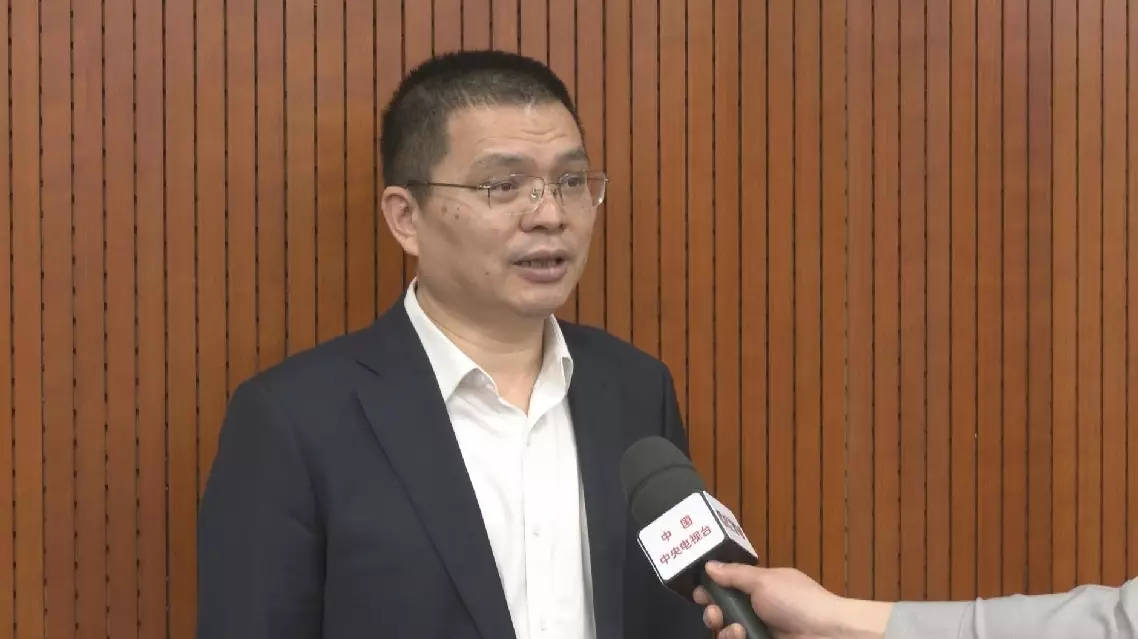
China to strengthen fiscal, financial coordination to amplify policy effectiveness: experts