Skip to Content Facebook Feature Image

Washington's struggling economy takes another hit from the government shutdown

News

Washington's struggling economy takes another hit from the government shutdown
News

News

Washington's struggling economy takes another hit from the government shutdown

2025-11-09 00:41 Last Updated At:00:50

WASHINGTON (AP) — With the combination of the longest government shutdown, the mass firings of government workers and a fresh cut in federal food aid, the Capital Area Food Bank in Washington is bracing for the swell of people who will need its help before the holiday season.

The food bank, which serves 400 pantries and aid organizations in the District of Columbia, northern Virginia and two Maryland counties, is providing 8 million more meals than it had prepared to this budget year — a nearly 20% increase.

More Images
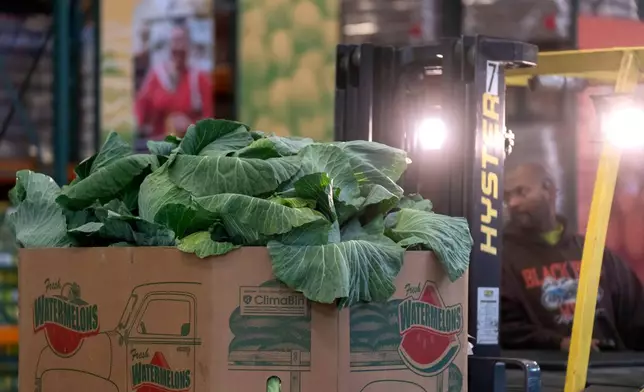
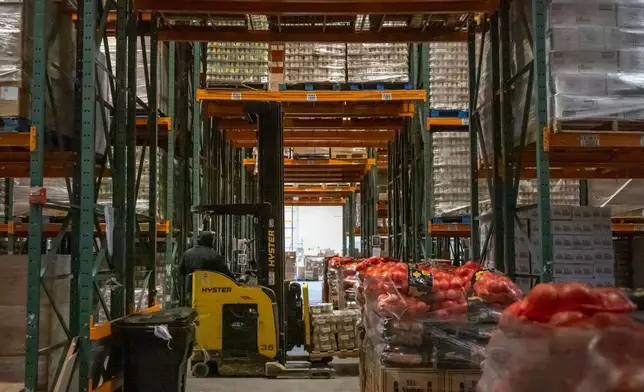
An employee uses a forklift to move boxes of produce at a warehouse of the Capital Area Food Bank, Thursday, Nov. 6, 2025, in Washington. (AP Photo/Mark Schiefelbein)
An employee uses a forklift to move boxes of produce at a warehouse of the Capital Area Food Bank, Thursday, Nov. 6, 2025, in Washington. (AP Photo/Mark Schiefelbein)
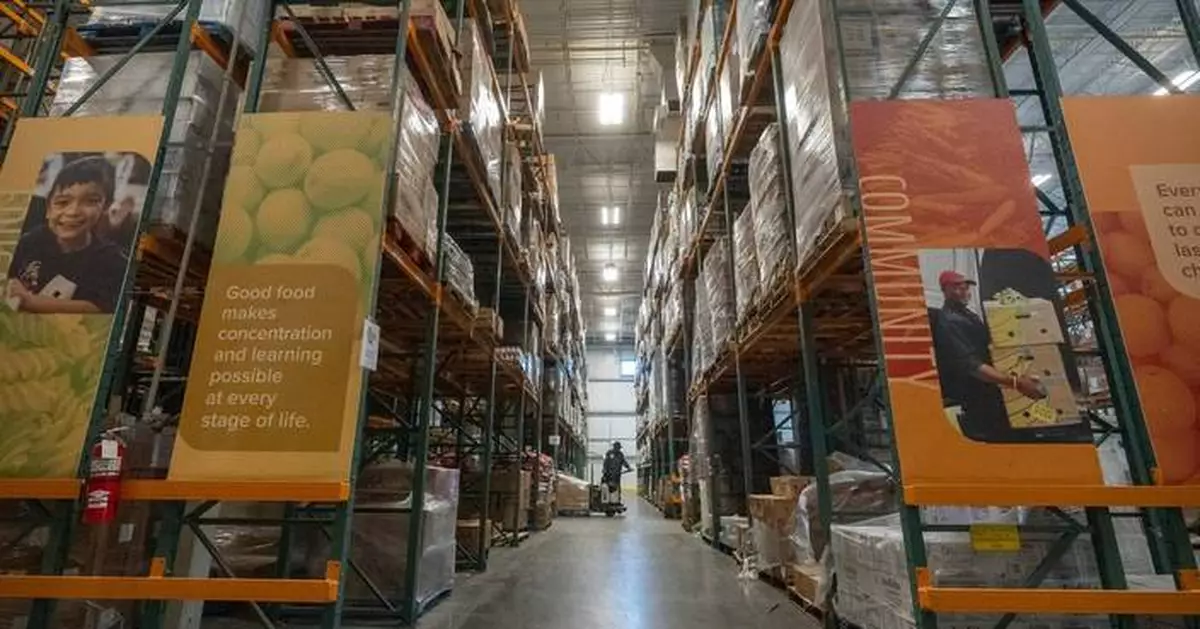
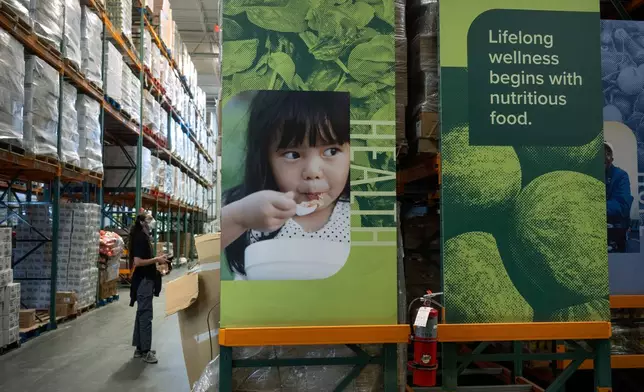
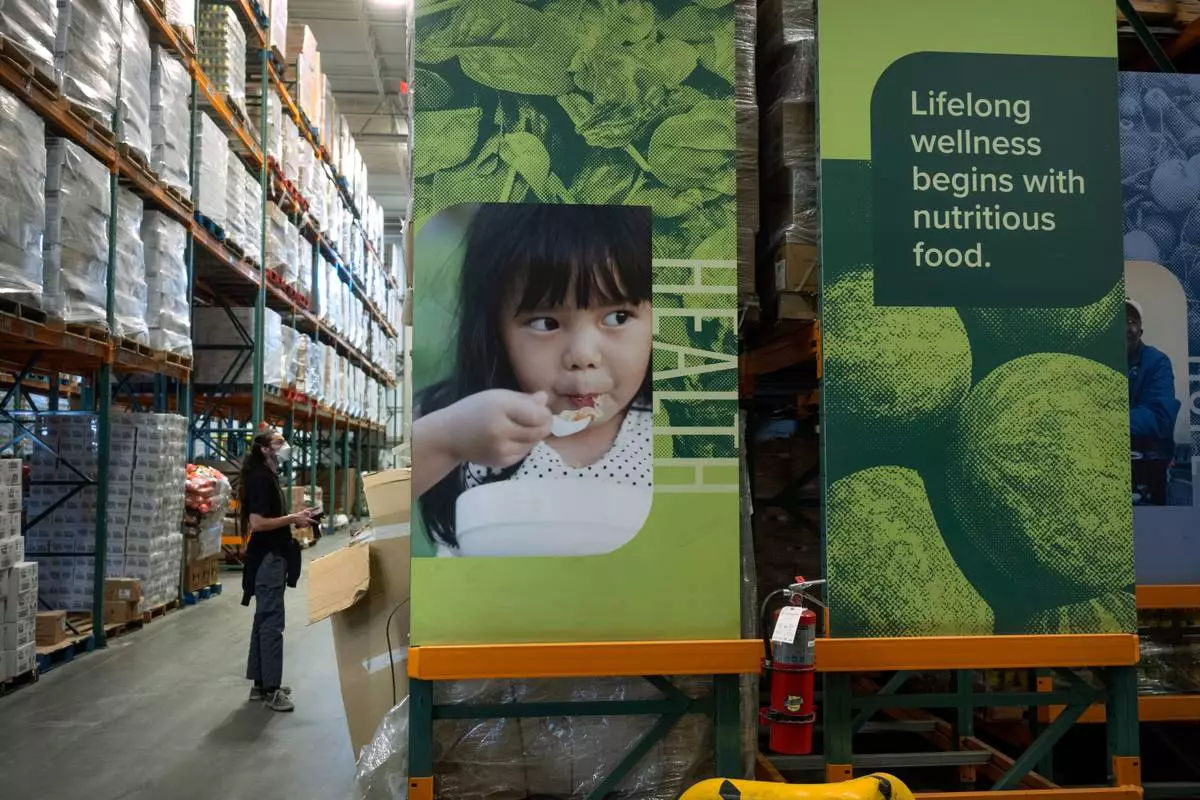
An employee checks inventory at a warehouse of the Capital Area Food Bank, Thursday, Nov. 6, 2025, in Washington. (AP Photo/Mark Schiefelbein)
An employee checks inventory at a warehouse of the Capital Area Food Bank, Thursday, Nov. 6, 2025, in Washington. (AP Photo/Mark Schiefelbein)
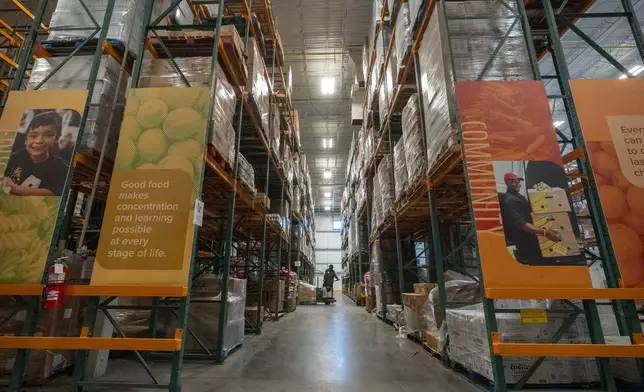
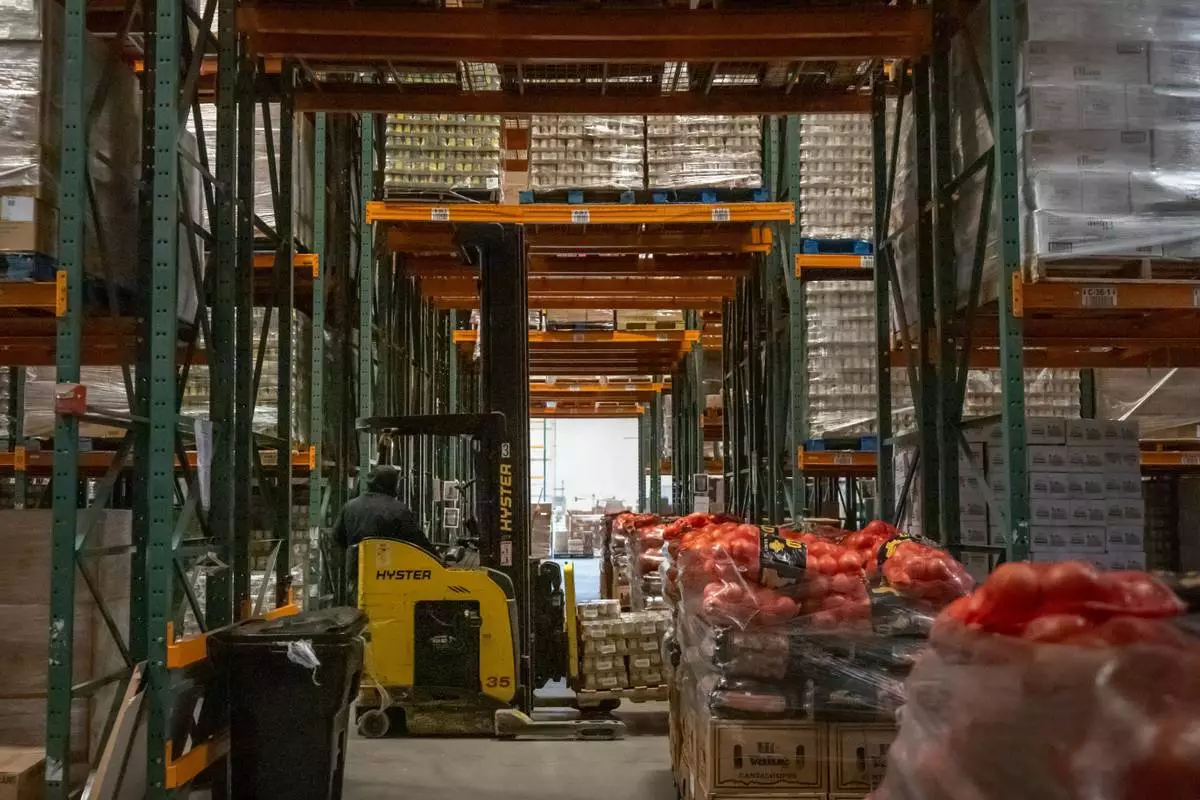
An employee drives a forklift at a warehouse of the Capital Area Food Bank, Thursday, Nov. 6, 2025, in Washington. (AP Photo/Mark Schiefelbein)

An employee drives a forklift at a warehouse of the Capital Area Food Bank, Thursday, Nov. 6, 2025, in Washington. (AP Photo/Mark Schiefelbein)

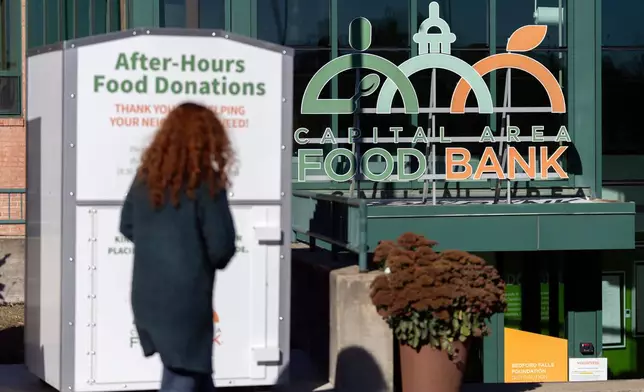
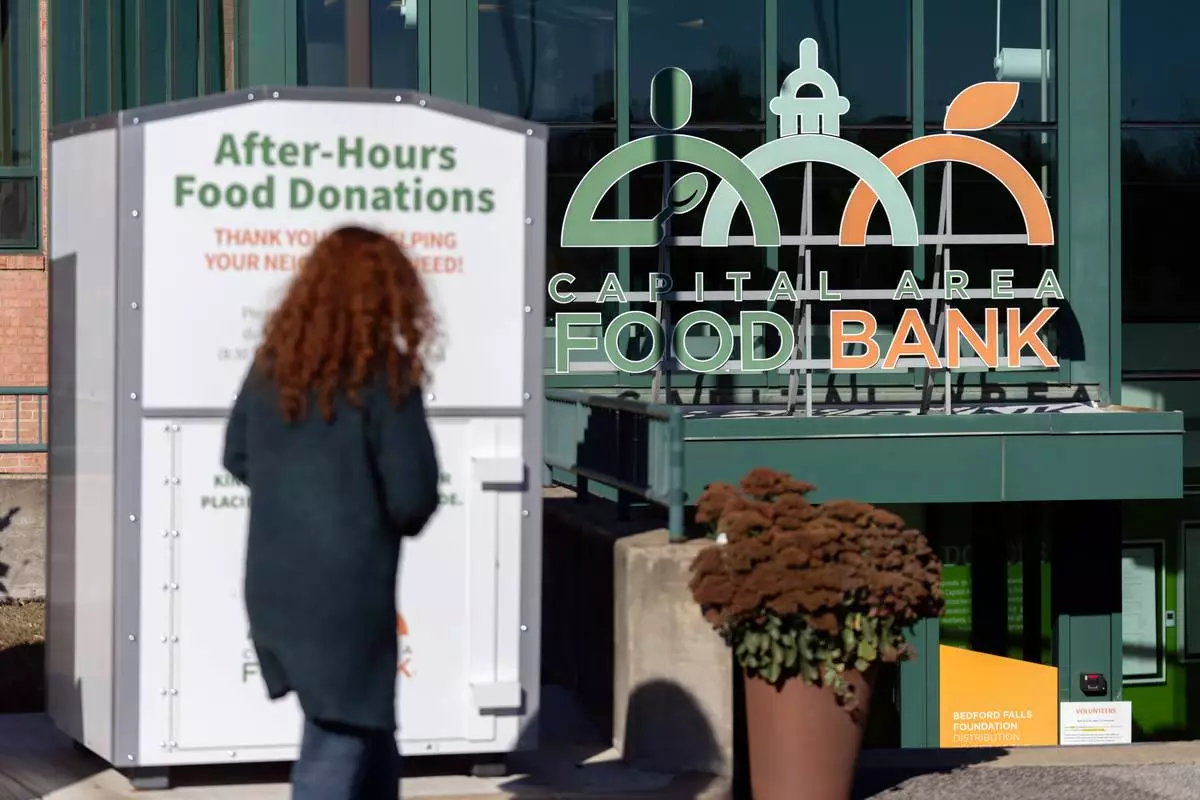
A person walks toward the entrance of the Capital Area Food Bank, Thursday, Nov. 6, 2025, in Washington. (AP Photo/Mark Schiefelbein)

A person walks toward the entrance of the Capital Area Food Bank, Thursday, Nov. 6, 2025, in Washington. (AP Photo/Mark Schiefelbein)

An employee moves pallets of food at a warehouse of the Capital Area Food Bank, Thursday, Nov. 6, 2025, in Washington. (AP Photo/Mark Schiefelbein)

An employee moves pallets of food at a warehouse of the Capital Area Food Bank, Thursday, Nov. 6, 2025, in Washington. (AP Photo/Mark Schiefelbein)

The city is being hit “especially hard," said Radha Muthiah, the group's CEO and president, "because of the sequence of events that has occurred over the course of this year."

The nation's capital has been battered by a series of decisions by the Trump administration, from the layoffs of federal workers to the ongoing law enforcement intervention into the district. The added blow of the shutdown, which has furloughed workers and paused money for food assistance, is only deepening the economic toll.

The latest figures from the D.C. Office of Revenue Analysis do not account for workforce changes since the shutdown that began Oct. 1. But even the September jobs report shows that the seasonally adjusted unemployment rate hovers at 6%, compared with the most recent national rate of 4.3%, and has been the highest in the nation for months.

The economic woes appear to be reverberating politically. Democrat Abigail Spanberger won election Tuesday as Virginia's governor after focusing her campaign message on the effects of President Donald Trump's actions on the state’s economy.

The shutdown's long-term impact on the regional economy will be felt long after the government reopens, experts say.

Washington has the country's largest share of federal workers — about 20%, according to official figures — and roughly 150,000 federal employees call the area home. By Monday, hundreds of thousands of federal workers across the country will have missed at least two full paychecks because of the shutdown. Nationally, at least 670,000 federal employees are furloughed, while about 730,000 are working without pay, according to the Bipartisan Policy Center.

During the shutdown, the number of federal employees on Washington’s transit system each weekday has dropped by about one-quarter compared with ridership in September. Eateries that the Restaurant Association of Greater Washington says were already dealing with thin margins from seasonal declines and the fallout from Trump’s deployment of armed National Guard members on city streets are facing more challenges at a time when owners had hoped for a rebound.

Tracy Hadden Loh, a fellow at Brookings Metro, a think tank, said that going without paychecks is causing significant cash flow issues for federal workers, potentially leading to defaults on mortgages and student loans. For local businesses, especially those reliant on federal workers’ discretionary spending, it could exacerbate the impact during the high-sales October-December quarter.

“A lot of businesses rely on higher spending in Q4 in order to have a revenue positive year,” Loh said.

Small businesses are feeling the loss of that spending.

The crowd watching Liverpool's Premier League game last weekend would have been standing room only at The Queen Vic, a bar in Northeast Washington. But that was not the case, said Ryan Gordon, co-owner of the British pub.

“We still had seats for people, which means the bars around us who get our overflow got nothing,” Gordon said.

Business is down about 50% compared with what it was before the shutdown, he said. He considers himself lucky in the local restaurant scene because he owns the building and does not have to pay rent.

“To the extent to which discretionary spending by D.C. area households is limited, that could push a lot of local businesses into the red,” Loh said. The culmination of the shutdown, cut in SNAP benefits and layoffs are weighing heavy on households that have never sought help before, she added.

Thea Price was fired from her job at the U.S. Institute of Peace in March of this year, part of the wave of layoffs meant to shrink the size of the federal government. Her husband, a government contractor, also lost his job at a museum. Since then, they have lived on savings, Medicaid and SNAP.

Price, 37, recently went to a food pantry in Arlington, Virginia, for the first time recently. The shutdown halted funding for SNAP, after it took her months to get it, and the $500 payments she receives each month were set to stop. Virginia sent a partial payment but it was not enough, Price said. With her options to sustain herself and her family running out, Price is moving back to her hometown in the Seattle area.

“We can’t afford to stay in the area any longer and hope that something might pan out,” she said. “We’re just in a much different place than when these things started in March.”

At the Capital Area Food Bank in Northeast Washington, forklifts sped around in a controlled chaos, unloading trucks, moving food and preparing for a distribution set up for federal employees and contractors, and preparations are intensifying with the holiday season in mind. The organization is expecting to provide 1 million more meals this month than it had anticipated before the shutdown.

“We’re very focused obviously on the immediacy of all of these impacts today and getting food to those who need it," said Muthiah, the group's director. But she cautioned there were long-term implications to the unfolding crisis, with people tapping their savings and retirement funds to get by.

“People are borrowing against their futures to be able to pay for basic necessities today,” she said.

Associated Press video journalist Nathan Ellgren contributed to this report.
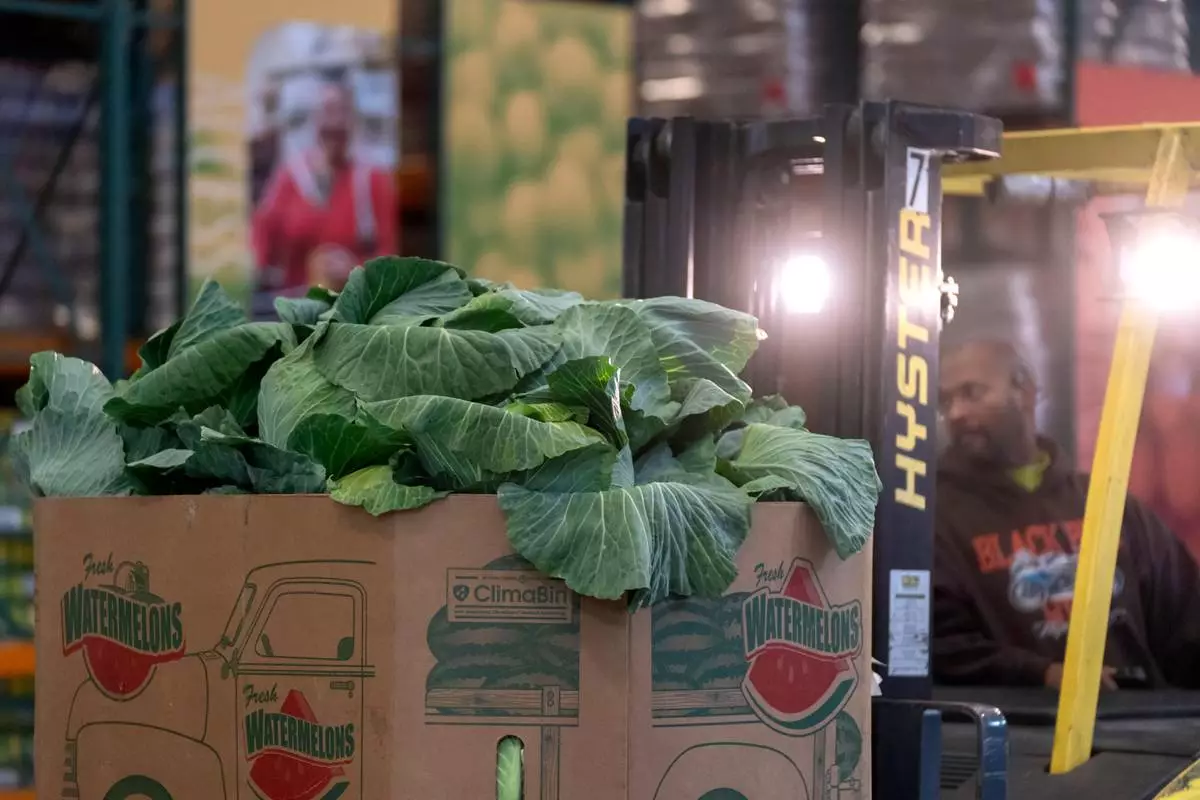
An employee uses a forklift to move boxes of produce at a warehouse of the Capital Area Food Bank, Thursday, Nov. 6, 2025, in Washington. (AP Photo/Mark Schiefelbein)
An employee uses a forklift to move boxes of produce at a warehouse of the Capital Area Food Bank, Thursday, Nov. 6, 2025, in Washington. (AP Photo/Mark Schiefelbein)
An employee checks inventory at a warehouse of the Capital Area Food Bank, Thursday, Nov. 6, 2025, in Washington. (AP Photo/Mark Schiefelbein)
An employee checks inventory at a warehouse of the Capital Area Food Bank, Thursday, Nov. 6, 2025, in Washington. (AP Photo/Mark Schiefelbein)
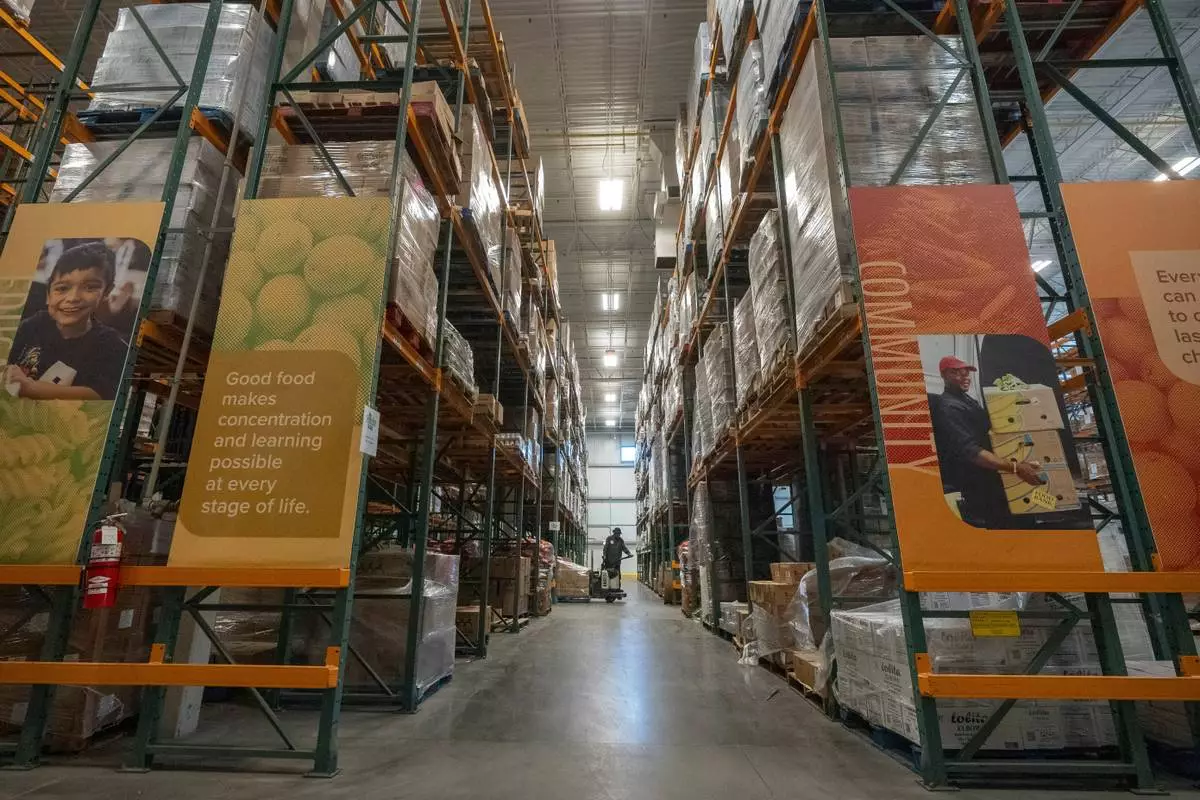
An employee drives a forklift at a warehouse of the Capital Area Food Bank, Thursday, Nov. 6, 2025, in Washington. (AP Photo/Mark Schiefelbein)
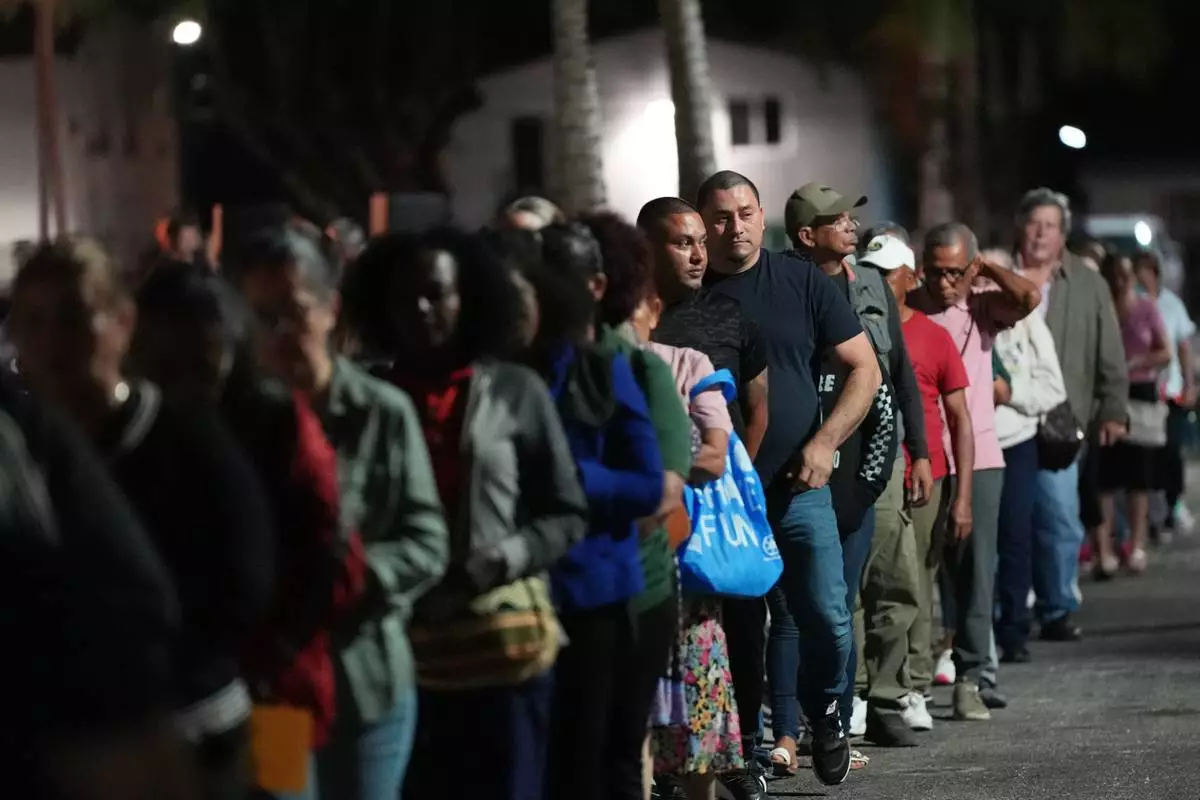
An employee drives a forklift at a warehouse of the Capital Area Food Bank, Thursday, Nov. 6, 2025, in Washington. (AP Photo/Mark Schiefelbein)
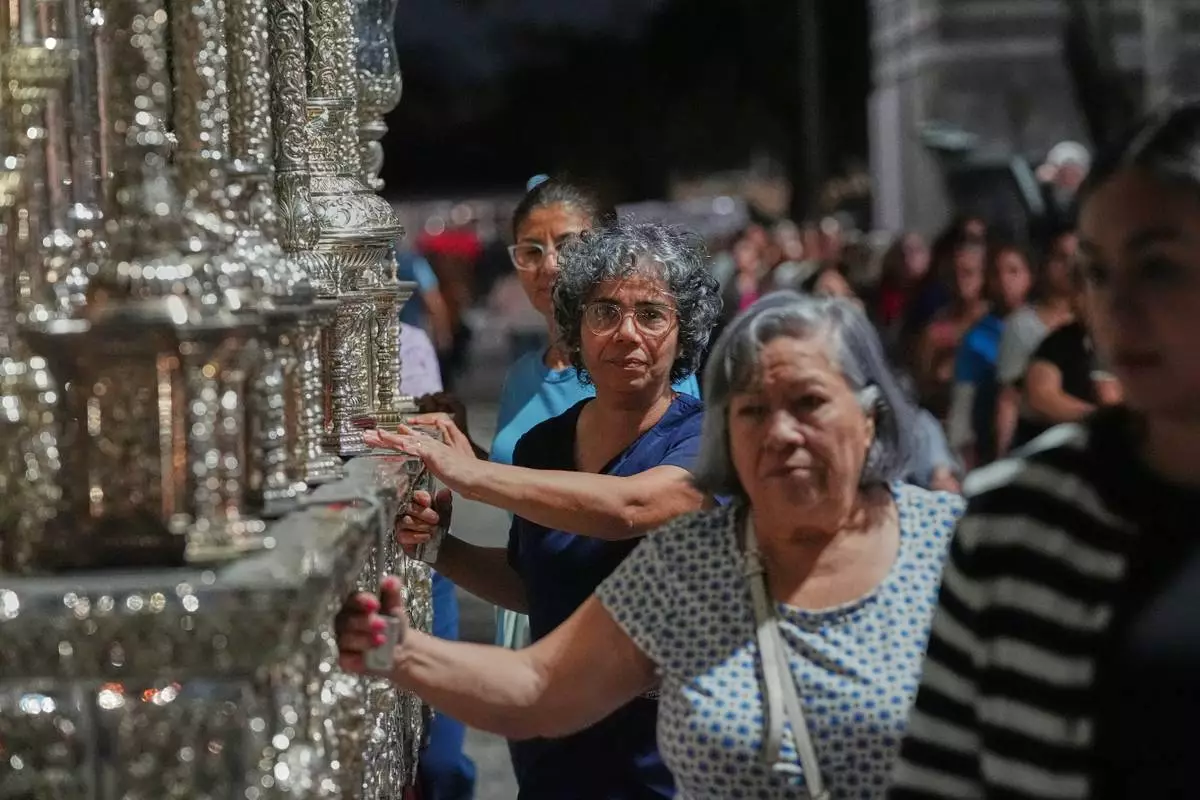
A person walks toward the entrance of the Capital Area Food Bank, Thursday, Nov. 6, 2025, in Washington. (AP Photo/Mark Schiefelbein)
A person walks toward the entrance of the Capital Area Food Bank, Thursday, Nov. 6, 2025, in Washington. (AP Photo/Mark Schiefelbein)
An employee moves pallets of food at a warehouse of the Capital Area Food Bank, Thursday, Nov. 6, 2025, in Washington. (AP Photo/Mark Schiefelbein)

An employee moves pallets of food at a warehouse of the Capital Area Food Bank, Thursday, Nov. 6, 2025, in Washington. (AP Photo/Mark Schiefelbein)

MIAMI (AP) — Good Friday is a unique — and uniquely solemn — day in the Christian calendar.

It commemorates the crucifixion and death of Jesus, ahead of what’s a central tenet of faith for believers — his resurrection two days later on Easter Sunday, according to the Gospels.

This year, it falls on April 3 for Catholics and Protestants, and April 10 for Orthodox Christians.

Across Christian denominations, Good Friday services are unlike those on most other days. They often include centuries-old, once-a-year traditions both during the liturgy and out in the streets, where elaborate processions and other rituals of fervent popular piety are held.

While Catholics gather, it’s the only day without an actual Mass, because there's no sacrament of the Eucharist, which is the transformation of bread and wine into Jesus' body and blood according to the church. Orthodox Christians don’t celebrate the Eucharist either on what they call Great and Holy Friday.

Most mainline Protestant denominations and Evangelicals also hold unique services, like the Lutheran devotion focused on the biblical accounts of Jesus' last words on the cross, though they are not as strict on fasting as Catholics and Orthodox Christians.

Church services tend to last more than an hour, usually starting at 3 p.m., when tradition says Jesus died. But even though it’s not a day of obligation, and it’s a workday in the United States, churches tend to be packed.

“The time leading up to Good Friday is a big reflection on sacrifice — what he did for me and what I am doing in return,” said Manuel León, 22.

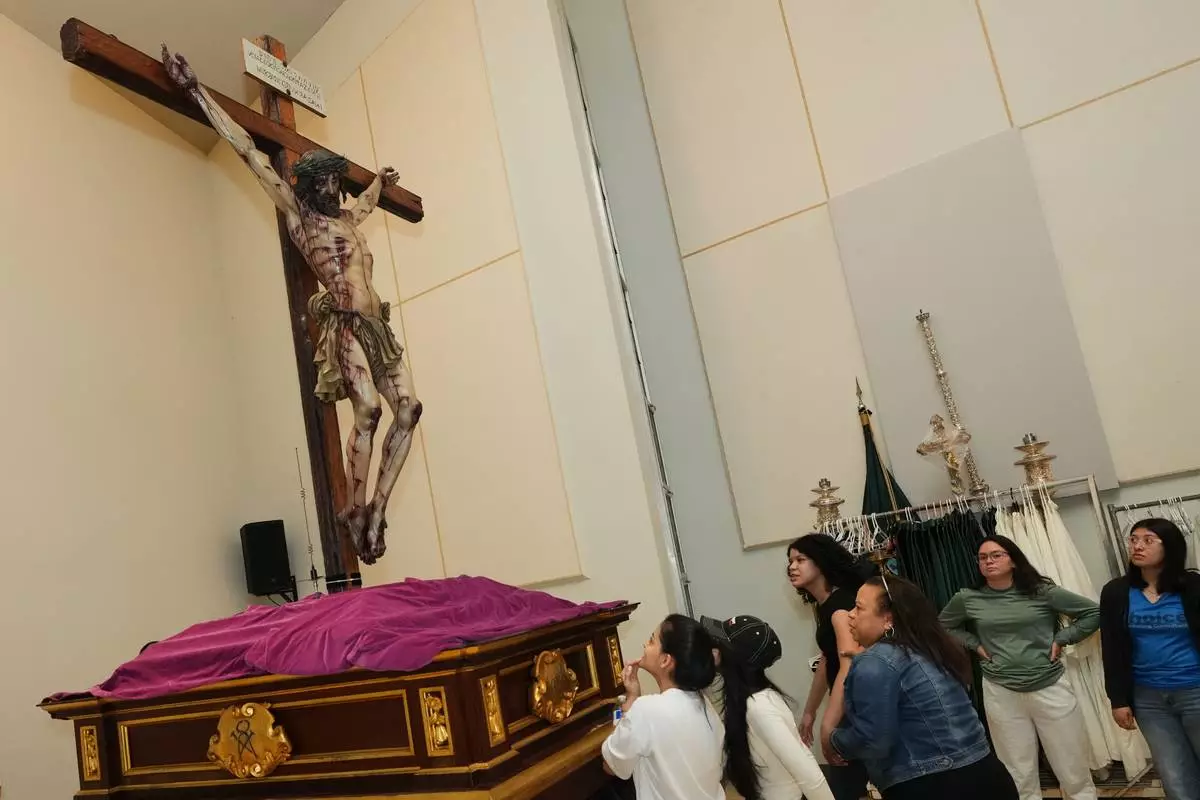
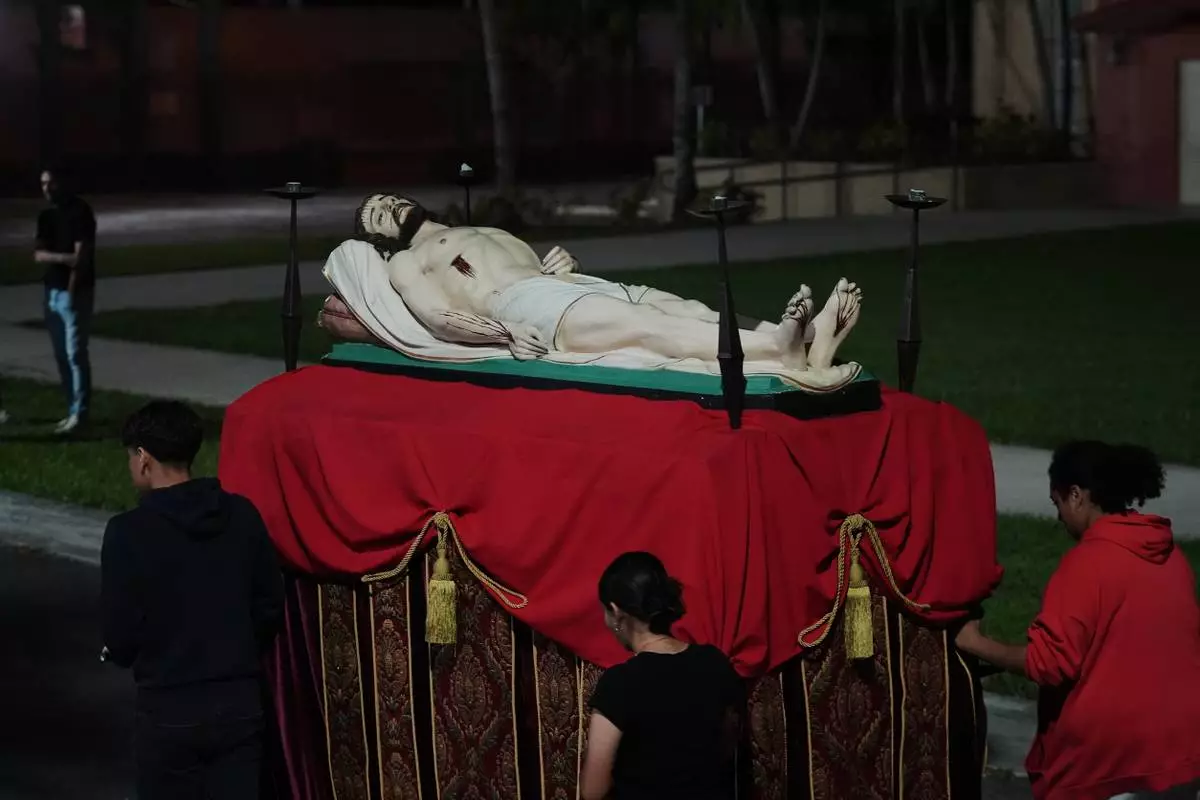
A member of Miami’s Corpus Christi Catholic Church youth group, he will carry a grimly realistic statue of Jesus crucified in procession through a hip central neighborhood on Good Friday.

“Pushing that statue from the back and seeing how torn up he is, what he did for us really becomes real,” León added.

Some of the most ancient liturgical practices define Good Friday service for Catholics, said the Rev. John Baldovin, a professor of historical and liturgical theology at Boston College.

“The most solemn days tend to retain the oldest ceremonies,” he added, including as example the fact that the priests and ministers prostrate themselves in front of the altar at the beginning of the service.

Another ancient tradition is the extensive prayers of the faithful, interspersed with genuflections, which today include intentions as varied as praying for the pope, for the Jewish people, and for those who do not believe in God.

Up until Holy Week reforms introduced by the Vatican in the 1950s, Communion wasn’t distributed on Good Friday, though now it is with hosts consecrated a day earlier on Holy Thursday, Baldovin said.

But the highlight of the ceremony is the adoration of the cross, which in many cases is held up near the altar as the faithful line up to kiss it or touch it in reverence.

Among the earliest documents of this practice is the diary of pilgrim who in the 4th century went from what’s today Spain to Jerusalem, Baldovin said. There, at the present-day Church of the Holy Sepulchre, a bishop held up the cross for several hours as the faithful venerated it.

Life-sized statues of Jesus crucified, the weeping Virgin Mary, and representations of scenes from the Gospels’ accounts of Jesus' torture and death on a cross are carried in large processions in different parts of the world.

Some of the oldest and most awe-inspiring are in southern Spain’s Seville, where tens of thousands of people watch much-venerated images of Jesus and Mary being carried in hourslong processions throughout Holy Week.

“Not all of us have the ability to look at the sky and feel fulfilled. Others like me need the images,” said Manolo Gobea.

He moved from Seville to Miami three decades ago and now heads the brotherhood that organizes the Good Friday procession starting from Corpus Christi church and winding its way through the graffiti-splashed neighborhood of Wynwood.

As the main, Seville-made statues exit the palm-fringed church, they’re carried over intricate carpets made of colored sawdust and flowers. That’s a nod to another tradition that’s perhaps most exuberantly followed in the colonial city of Antigua, Guatemala, where miles of these carpets are created for Holy Week — twice on Good Friday.

“On Good Friday, we feel the pain of Mary, Jesus’ pain, his surrender for love,” said Silvia Armira, as she prepared the carpet drawings for the procession in Miami, where she arrived from Guatemala in the 1990s. “It’s the great love of God, who gave up his only son for us.”

Solemn and popular rituals on Good Friday vary from the pope’s traditional “way of the cross” in Rome to a trek to the adobe sanctuary of Chimayo in New Mexico to self-flagellation and even crucifixion in the Philippines.

For many priests, they are all opportunities to take faith out of church and into streets to evangelize — and to point out that the gruesome death on the cross isn’t the end of the story.

“Our procession is a cry to the world — ‘get out, look at what is the way, the truth, the life,’” said the Rev. José Luis Menéndez.

“May your entire attitude be a living prayer,” the Cuban-born, Spanish-raised pastor at Corpus Christi in Miami told more than 100 faithful at the last rehearsal for this year’s procession.

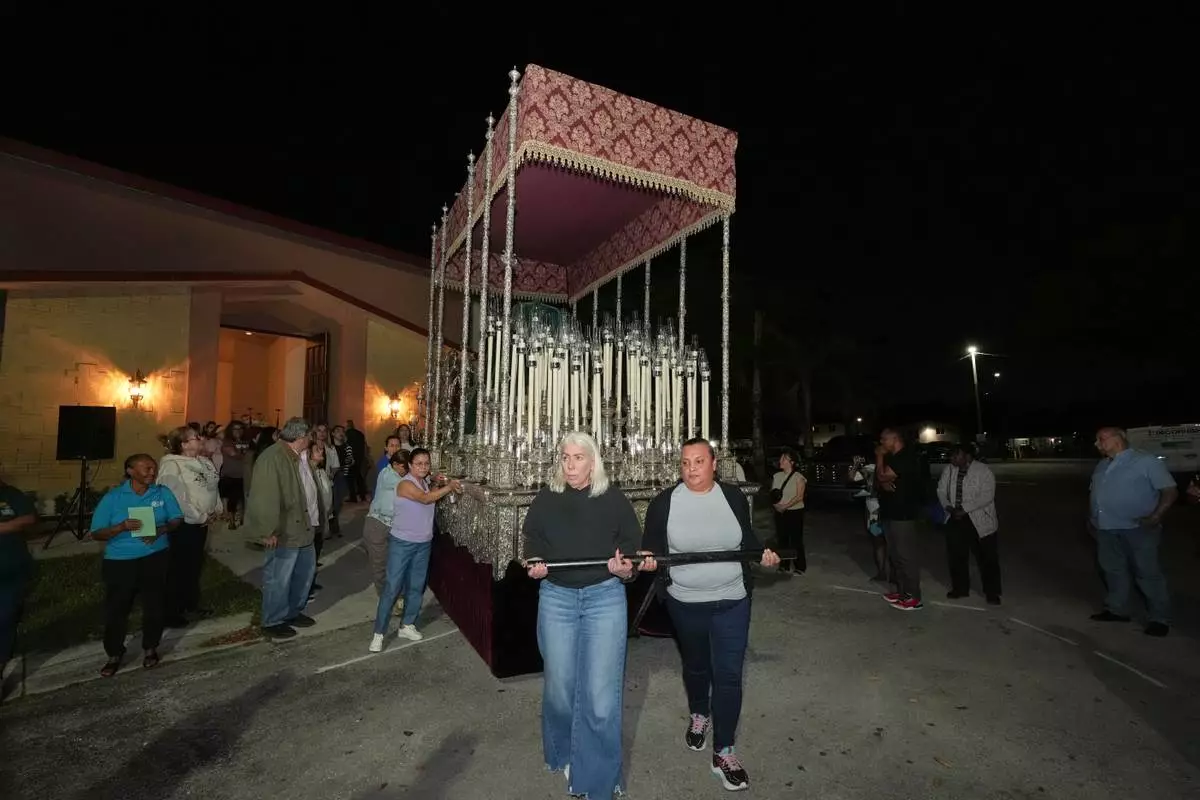
Carefully watching over the SUV-sized float covered in silver-plated ornaments, flower vases and candlesticks, Gobea said the main appeal of Good Friday celebrations is that they lead from death to Easter joy.

“To the weeping Mary, we put flowers, we sing hymns, and that’s because we know how it ends — which is the resurrection,” he said.

Associated Press religion coverage receives support through the AP’s collaboration with The Conversation US, with funding from Lilly Endowment Inc. The AP is solely responsible for this content.

Corpus Christi Catholic Church members participate in a rehearsal for their Good Friday procession Monday, March 23, 2026, in Miami, Fla. (AP Photo/Marta Lavandier)

Corpus Christi Catholic Church members participate in a rehearsal for their Good Friday procession Monday, March 23, 2026, in Miami, Fla. (AP Photo/Marta Lavandier)

Corpus Christi Catholic Church youth members look up at a statue of Jesus crucified during a rehearsal for their Good Friday procession, Monday, March 23, 2026, in Miami, Fla. (AP Photo/Marta Lavandier)

Corpus Christi Catholic Church youth members look up at a statue of Jesus crucified during a rehearsal for their Good Friday procession, Monday, March 23, 2026, in Miami, Fla. (AP Photo/Marta Lavandier)

Members of the Corpus Christi Catholic Church push a large float that will carry the Lady of Hope Macarena during a rehearsal of their Good Friday procession Monday, March 23, 2026, in Miami, Fla. (AP Photo/Marta Lavandier)

Members of the Corpus Christi Catholic Church push a large float that will carry the Lady of Hope Macarena during a rehearsal of their Good Friday procession Monday, March 23, 2026, in Miami, Fla. (AP Photo/Marta Lavandier)

Corpus Christi Catholic Church members push a large float that will carry the Lady of Hope Macarena during a rehearsal for their Good Friday procession, Monday, March 23, 2026, in Miami, Fla. (AP Photo/Marta Lavandier)

Corpus Christi Catholic Church members push a large float that will carry the Lady of Hope Macarena during a rehearsal for their Good Friday procession, Monday, March 23, 2026, in Miami, Fla. (AP Photo/Marta Lavandier)

Corpus Christi Catholic Church youth group members push a float with Jesus during a rehearsal for their Good Friday procession Monday, March 23, 2026, in Miami, Fla. (AP Photo/Marta Lavandier)

Corpus Christi Catholic Church youth group members push a float with Jesus during a rehearsal for their Good Friday procession Monday, March 23, 2026, in Miami, Fla. (AP Photo/Marta Lavandier)

Recommended Articles