MANHASSET, N.Y.--(BUSINESS WIRE)--Nov 10, 2025--
Scientists at Northwell Health’sFeinstein Institutes for Medical Research have uncovered a previously unknown mechanism contributing to severe liver injury during sepsis. The study, published today in Nature Communications co-led by Ping Wang, MD, professor and chief scientific officer at the Feinstein Institutes, and Monowar Aziz, PhD, associate professor at the Feinstein Institutes , reveals that neutrophils, a type of immune cell, become “trained” in the gut through interaction with a specific white blood cell, called intraepithelial lymphocytes (IELs). They then migrate to the liver via the portal vein, a large vein that carries blood from the gastrointestinal tract, pancreas and spleen to the liver, where they release harmful inflammatory mediators that activate other immune cells and drive liver damage.
This press release features multimedia. View the full release here: https://www.businesswire.com/news/home/20251110242133/en/
“This research fundamentally changes our understanding of how distant organs like the gut can initiate and spread liver damage during sepsis,” said Ping Wang, MD, a senior author of the paper. “By identifying this intricate cellular crosstalk, we are opening new avenues for therapeutic intervention aimed at preventing or easing sepsis-induced organ failure.”
Sepsis is a life-threatening condition where the body’s response to infection damages its own tissues, and sepsis-induced liver injury is a common and often fatal complication, yet its cellular origins have remained elusive. This new research identifies a critical “gut-liver crosstalk” pathway. In preclinical animal models of sepsis, investigators observed an increased number of a previously unrecognized subpopulation of neutrophils within the gut lining. Crucially, these neutrophils interacted with gut IELs through a protein called CD112. This interaction “primes” the neutrophils, leading to the excessive production of neutrophil extracellular traps (NETs), web-like structures of DNA and proteins designed to trap pathogens, which can also cause significant tissue damage.
These hyper-NETotic neutrophils then travel from the gut directly to the liver via the portal vein. Once in the liver, the NETs activate resident liver macrophages, known as Kupffer cells, by stimulating a receptor called protease-activated receptor-1 (PAR-1). This activation triggers Kupffer cells to release a cascade of potent pro-inflammatory mediators, ultimately causing death of liver cells and driving hepatic failure. Blocking the CD112 interaction or PAR-1 activation lessened the severity of liver injury.
“Sepsis, with its devastating assault on vital organs – particularly the liver – has long remained an enigma,” said Kevin J. Tracey, MD, president and CEO of the Feinstein Institutes and Karches Family Distinguished Chair in Medical Research. “Dr. Wang and his colleagues have unveiled a critical cellular mechanism within the liver that drives this pathological progression, arming us with essential knowledge and pointing toward powerful new strategies to protect organs and re-engineer healing.”
The researchers suggest that targeting the CD112-mediated interaction between IELs and neutrophils, or the PAR-1 activation of Kupffer cells by NETs, could lead to novel therapeutic strategies to combat sepsis-induced liver injury.
Dr. Wang was recently recognized as the second-most-cited sepsis scientist globally. The analysis, published in Medicine, reviewed 26,896 articles on sepsis, citing a total of 354,516 other publications and covered publications from 1980 to 2020. It identified Dr. Wang with 154 published articles on the topic, solidifying his position as a leading expert in the field.
About the Feinstein Institutes
The Feinstein Institutes for Medical Researchis the home of the research institutes of Northwell Health, the largest health care provider and private employer in New York State. Encompassing 50+ research labs, 3,000 clinical research studies and 5,000 researchers and staff, the Feinstein Institutes raises the standard of medical innovation through its six institutes of behavioral science, bioelectronic medicine, cancer, health system science, molecular medicine, and translational research. We are the global scientific leader in bioelectronic medicine – an innovative field of science that has the potential to revolutionize medicine. The Feinstein Institutes publishes two open-access, international peer-reviewed journalsMolecular MedicineandBioelectronic Medicine. Through theElmezzi Graduate School of Molecular Medicine, we offer an accelerated PhD program. For more information about how we produce knowledge to cure disease, visithttp://feinstein.northwell.eduand follow us onLinkedIn.
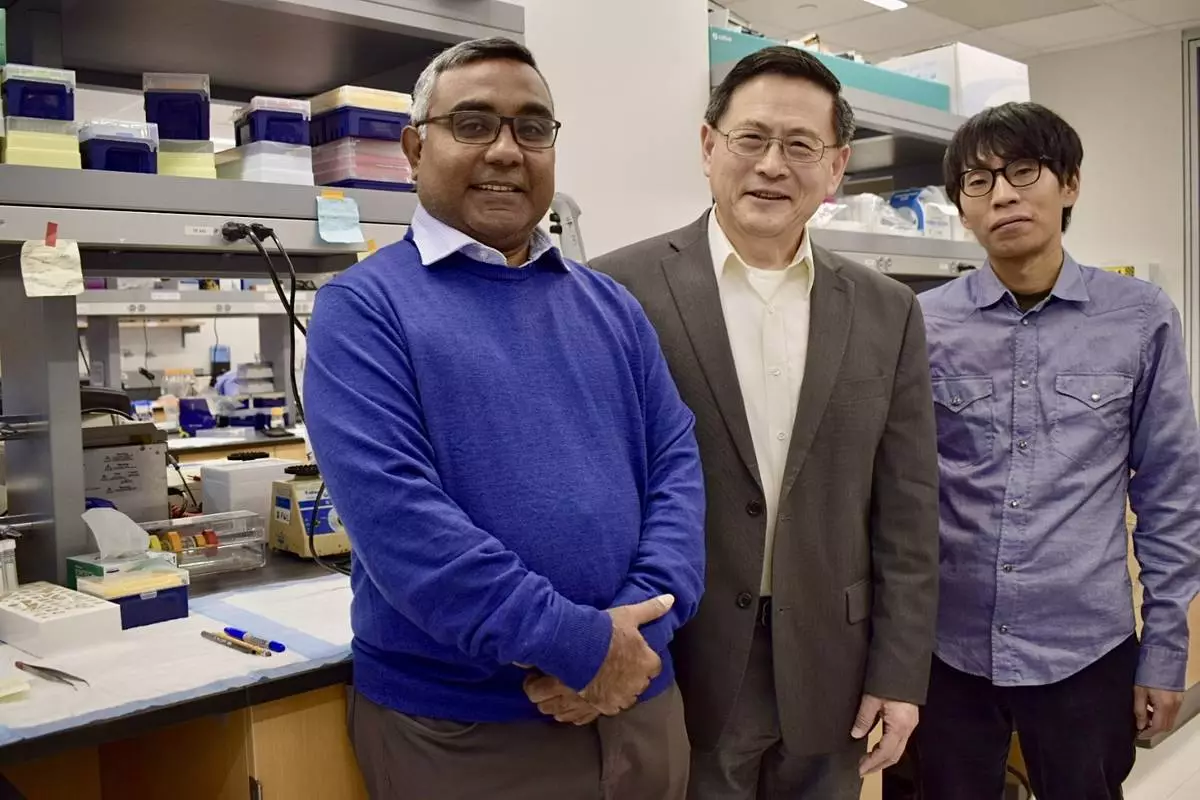
Drs. Monowar Aziz, Ping Wang and Atsushi Murao led the study. (Credit: Feinstein Institutes).
DUBAI, United Arab Emirates (AP) — Iran kept up its attacks on Persian Gulf neighbors on Wednesday as airstrikes pounded Tehran, while U.S. President Donald Trump again made contradictory statements about whether he was ready to wind down the war or escalate it.
Trump struck a hard line Wednesday in a Truth Social post, demanding that Iran stop blocking the Strait of Hormuz — the waterway vital to global oil supplies — or the U.S. would bomb the Islamic Republic “back to the Stone Ages.” A day earlier, Trump said the U.S. “will not have anything to do with” ensuring the security of ships passing through Hormuz; that was an apparent backtrack from an earlier threat to attack Iran's power grid and other infrastructure if it didn't open the strait by April 6.
Trump, who is scheduled to give a televised address Wednesday evening, said Tuesday he could walk away from the war in two to three weeks once he felt confident Iran would not be able to build a nuclear weapon — even if Tehran does not agree to a ceasefire.
But his latest Truth Social post struck a more belligerent tone as more American troops move into the region for a possible ground offensive after weeks of airstrikes targeting Iran.
Trump also claimed Wednesday that “Iran's New Regime President” wanted a ceasefire. It wasn't clear to whom the U.S. president was referring since Iran still has the same president. Iran’s Foreign Ministry spokesman, Esmail Baghaei, called Trump's claim “false and baseless,” according to a report on Iranian state television.
Speaking earlier to Al Jazeera, Iranian Foreign Minister Abbas Araghchi signaled Tehran’s willingness to keep fighting. “You cannot speak to the people of Iran in the language of threats and deadlines,” he said. “We do not set any deadline for defending ourselves.”
Since the war began on Feb. 28, Trump has offered shifting objectives and repeatedly has said it could be over soon while also threatening to widen the conflict. Thousands of additional U.S. troops are currently heading to the Middle East, and speculation abounds about the purpose of their deployment.
Just days ago, Trump threatened to attack Iran’s Kharg Island oil export hub. And there has also been speculation about whether the U.S. could decide to send in military forces to secure Iran’s uranium stockpile — a complex and risky operation, fraught with radiation and chemical dangers, according to experts and former government officials.
Adding to the confusion is what role Israel - which has been bombing Iran alongside the U.S. — might play in any of these scenarios.
Trump has been under growing pressure to end the war as oil prices have skyrocketed, pushing up the cost of gasoline, food and other goods. The spot price of Brent crude, the international standard, was up more than 40% since the start of the war, trading at more than $103 a barrel on Wednesday.
A fifth of the world’s traded oil passes through the strait in peacetime, and even if it were to reopen quickly, some effects like higher food prices could persist for months or longer.
The U.S. has presented Iran with a 15-point plan aimed at bringing about a ceasefire, including a demand for the strait to be reopened and for its nuclear program to be rolled back.
Iran insists its nuclear program is peaceful. Its own five-point response includes retaining sovereignty over the strait.
In the interview with Al Jazeera, Araghchi acknowledged receiving direct messages from U.S. Mideast envoy Steve Witkoff. He insisted, however, that there were no direct negotiations and said Iran has no faith that talks with the U.S. could yield any results, saying “the trust level is at zero.”
He warned against any U.S. attempt to launch a ground offensive, saying “we are waiting for them.”
A cruise missile slammed into an oil tanker off Qatar’s coast Wednesday, the Defense Ministry said. The 21-member crew of the tanker, contracted by state-owned QatarEnergy, was evacuated and no casualties were reported.
A fully-loaded Kuwaiti oil tanker came under attack off Dubai the day before, one of more than 20 ships attacked by Iran during the war.
In the United Arab Emirates, a person was killed when he was hit by debris from an intercepted drone in Fujairah, one of the country’s seven emirates.
Bahrain sounded two alerts for incoming missiles, while Kuwait’s state-run KUNA news agency said a drone hit a fuel tank at Kuwait International Airport, sparking a large fire.
Jordan’s military said it intercepted a ballistic missile and two drones fired from Iran in the last 24 hours. No casualties were reported. Two drones were also intercepted in Saudi Arabia, and air raid sirens sounded in Israel though there were no immediate reports of damage or casualties.
An airstrike on Tehran, meanwhile, appeared to have hit the former U.S. Embassy compound, which has been controlled by Iran’s Revolutionary Guard since American diplomats were held hostage there in 1979.
Witnesses said buildings outside the massive compound had their windows blown out and that it appears the strike happened inside the walled facility.
Israel also said it hit a plant in Iran producing fentanyl, a synthetic opioid. Israel and the United States have alleged in recent years that Iran was experimenting with using fentanyl in chemical weapons.
Iran acknowledged a strike Tuesday on Tofigh Daru factory, but insisted it only supplied “hospital drugs.” Hospitals use fentanyl to treat severe pain but it can also be fatal.
In Lebanon, at least five people were killed in an Israeli strike on a Beirut neighborhood.
Israel invaded southern Lebanon after the Iran-linked Hezbollah militant group began launching missiles into northern Israel days after the outbreak of the war. Many Lebanese fear another prolonged military occupation.
More than 1,200 people have been killed in Lebanon and more than 1 million displaced, according to authorities. Ten Israeli soldiers have also died there.
In Iran, authorities say more than 1,900 people have been killed, while 19 have been reported dead in Israel. More than two dozen people have died in Gulf states and the occupied West Bank, while 13 U.S. service members have been killed.
Rising reported from Bangkok. Associated Press writers Giovanna Dell’Orto in Miami and Samy Magdy in Cairo contributed to this report.
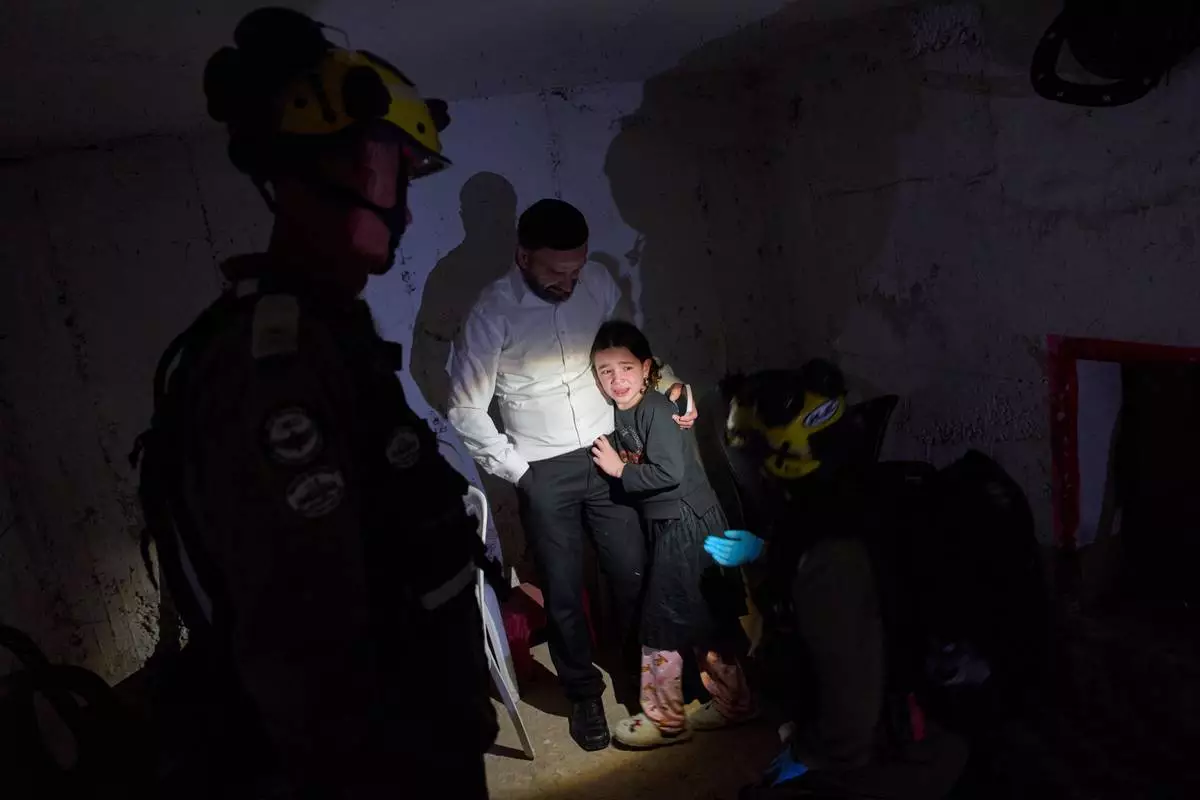
A young girl is comforted by her father and Israeli soldiers as they take cover in a bomb shelter during air raid sirens warning of incoming Iranian missile strikes in Bnei Brak, Israel, Wednesday, April 1, 2026. (AP Photo/Oded Balilty)
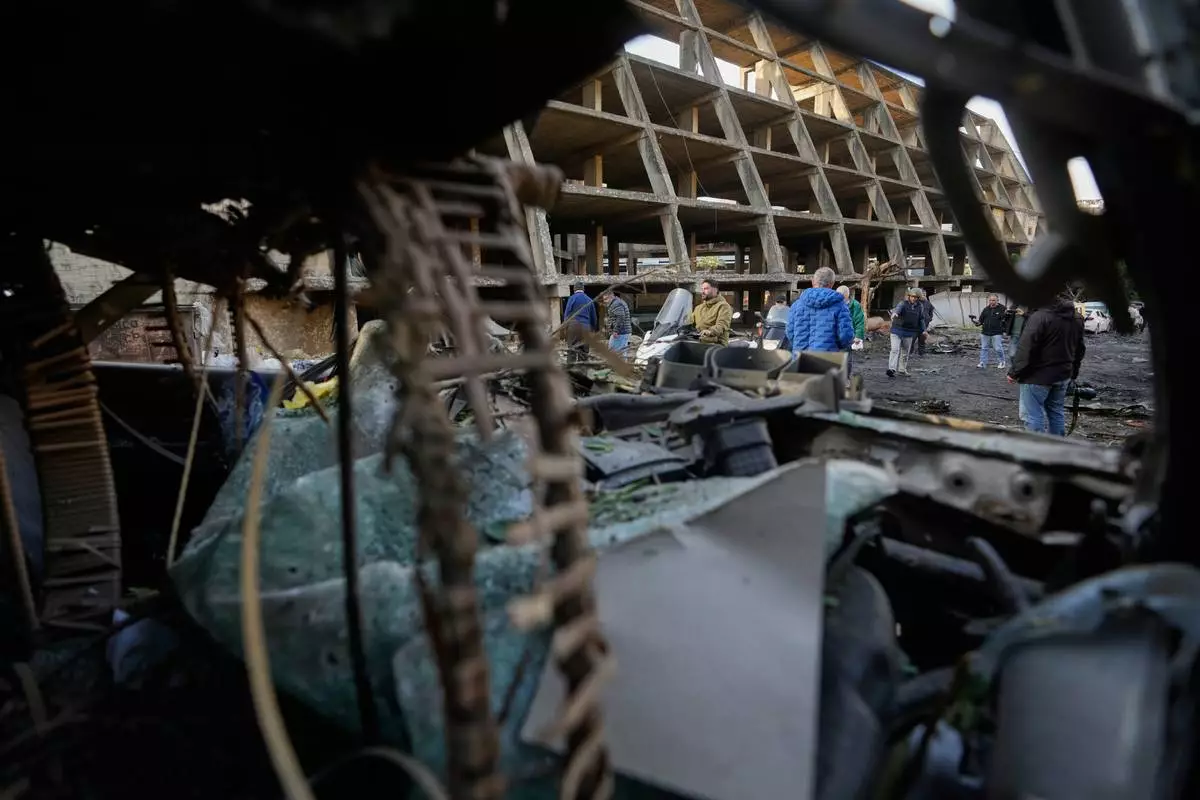
People inspect the site of an Israeli strike amid debris and damaged vehicles in Beirut, Lebanon, Wednesday, April 1, 2026. (AP Photo/Hassan Ammar)
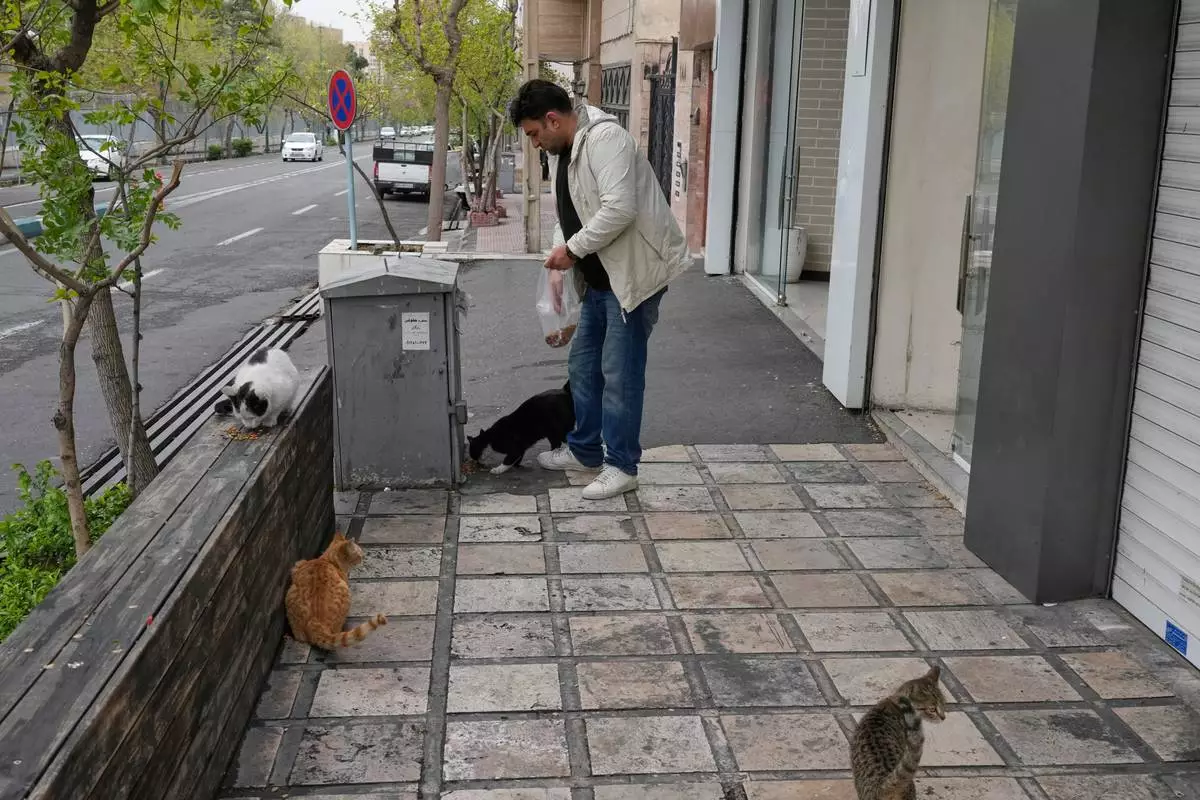
A man feeds stray cats in Tehran, Iran, Tuesday, March 31, 2026. (AP Photo/Vahid Salemi)
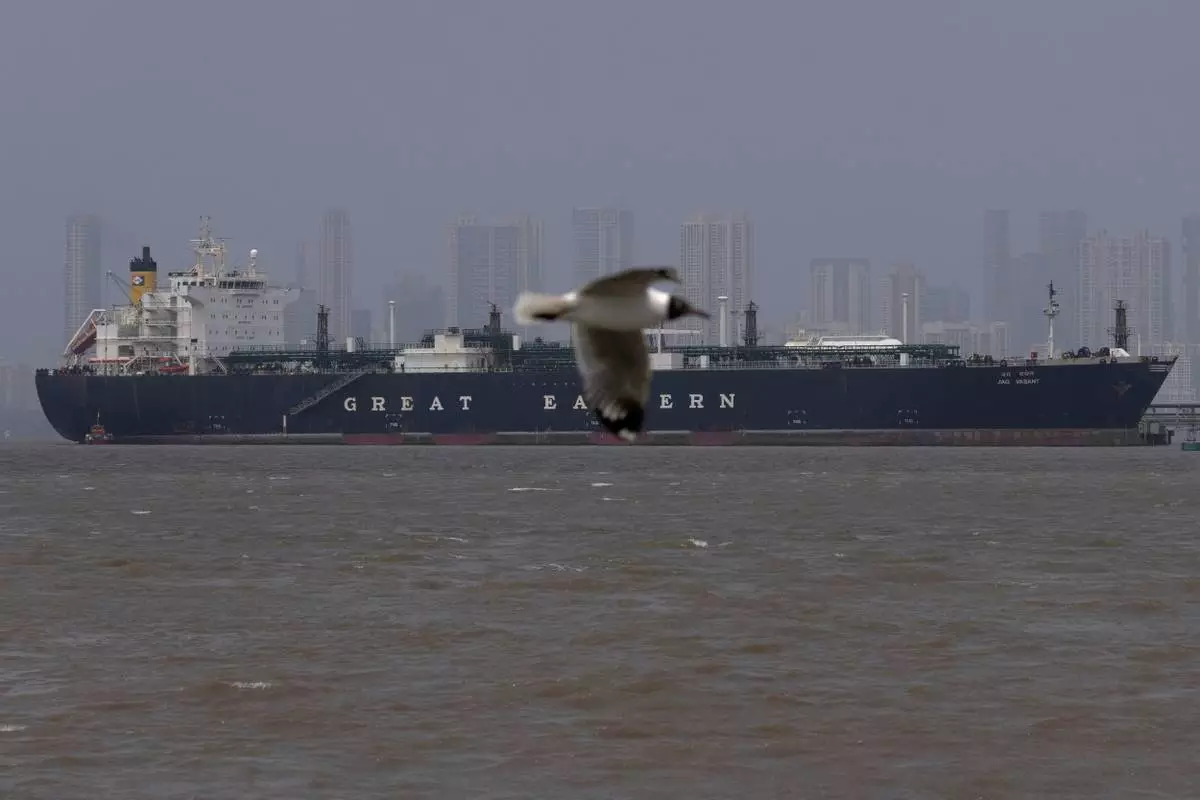
The Indian flagged LPG carrier Jag Vasant transporting liquefied petroleum gas, is seen at the Mumbai Port in Mumbai, India, after it arrived clearing the Strait of Hormuz, Wednesday, April 1, 2026. (AP Photo/Rafiq Maqbool)
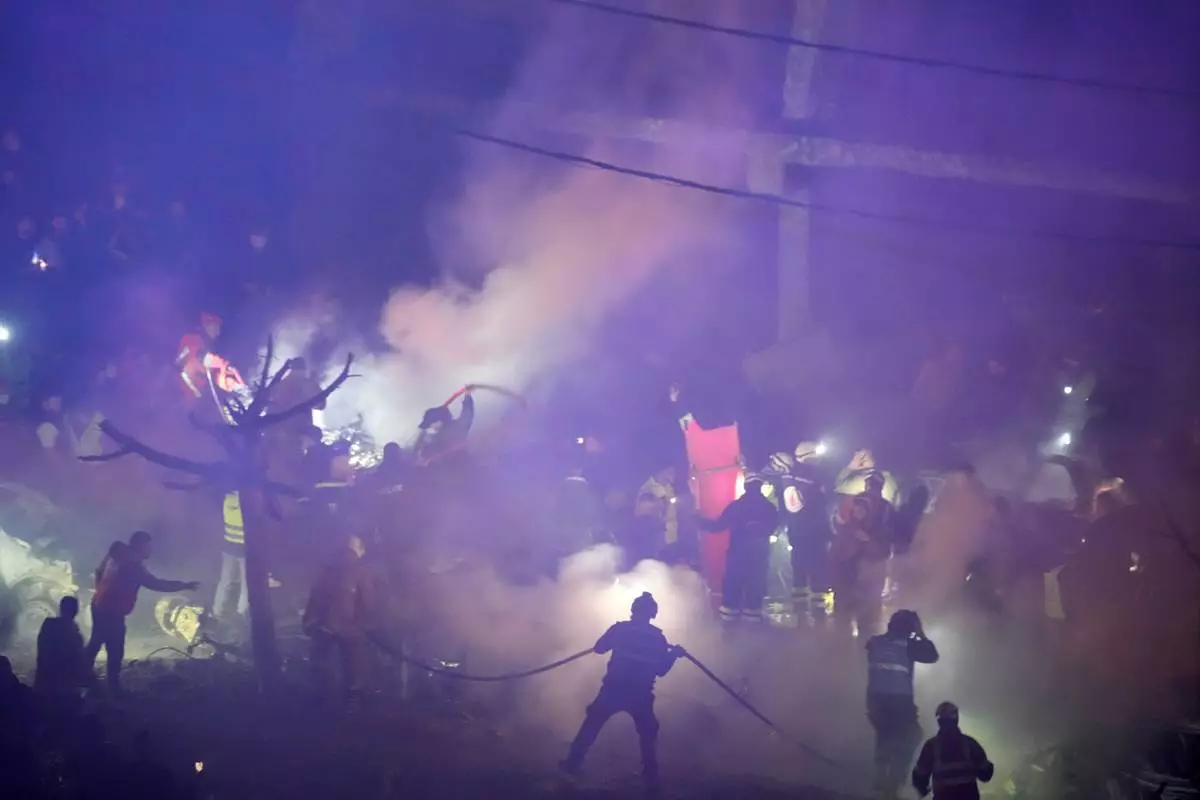
Firefighters and rescue workers work at the site of Israeli airstrikes, in Beirut, Lebanon, Wednesday, April 1, 2026. (AP Photo/Hussein Malla)
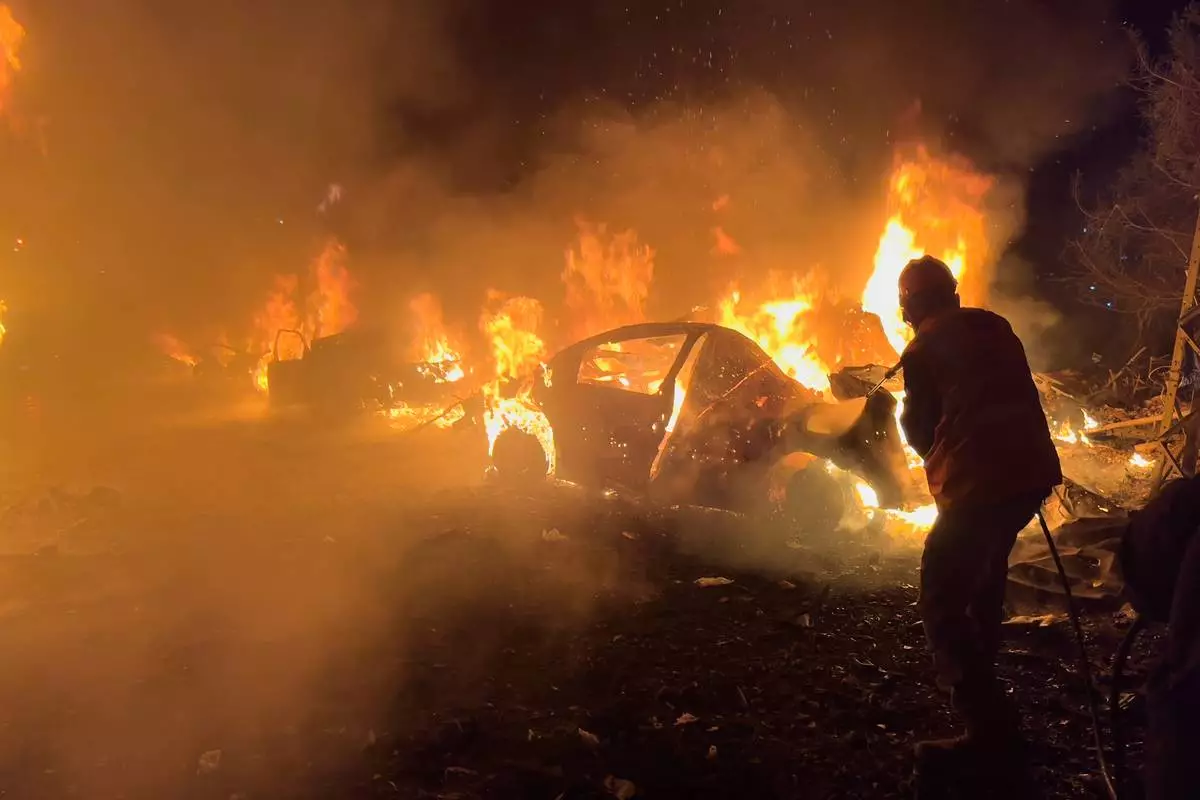
A firefighter extinguishes a car at the site of Israeli airstrikes, in Beirut, Lebanon, Wednesday, April 1, 2026. (AP Photo/Hussein Malla)
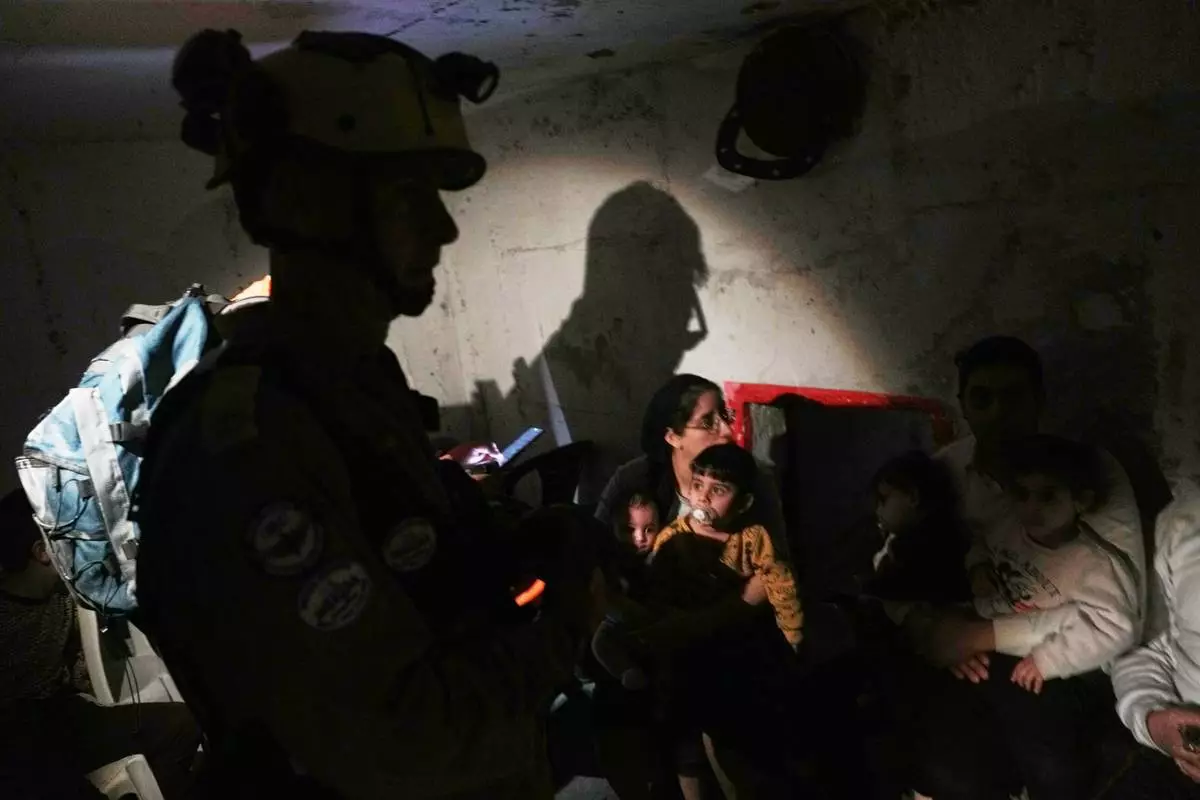
Israel's rescue teams and residents take shelter as sirens sounds next to a site struck by an Iranian missile in Bnei Brak, Wednesday, April 1, 2026. (AP Photo/Oded Balilty)

A police vehicle is seen through a shattered windshield at the site of an Israeli strike in Beirut, Lebanon, Wednesday, April 1, 2026. (AP Photo/Hassan Ammar)
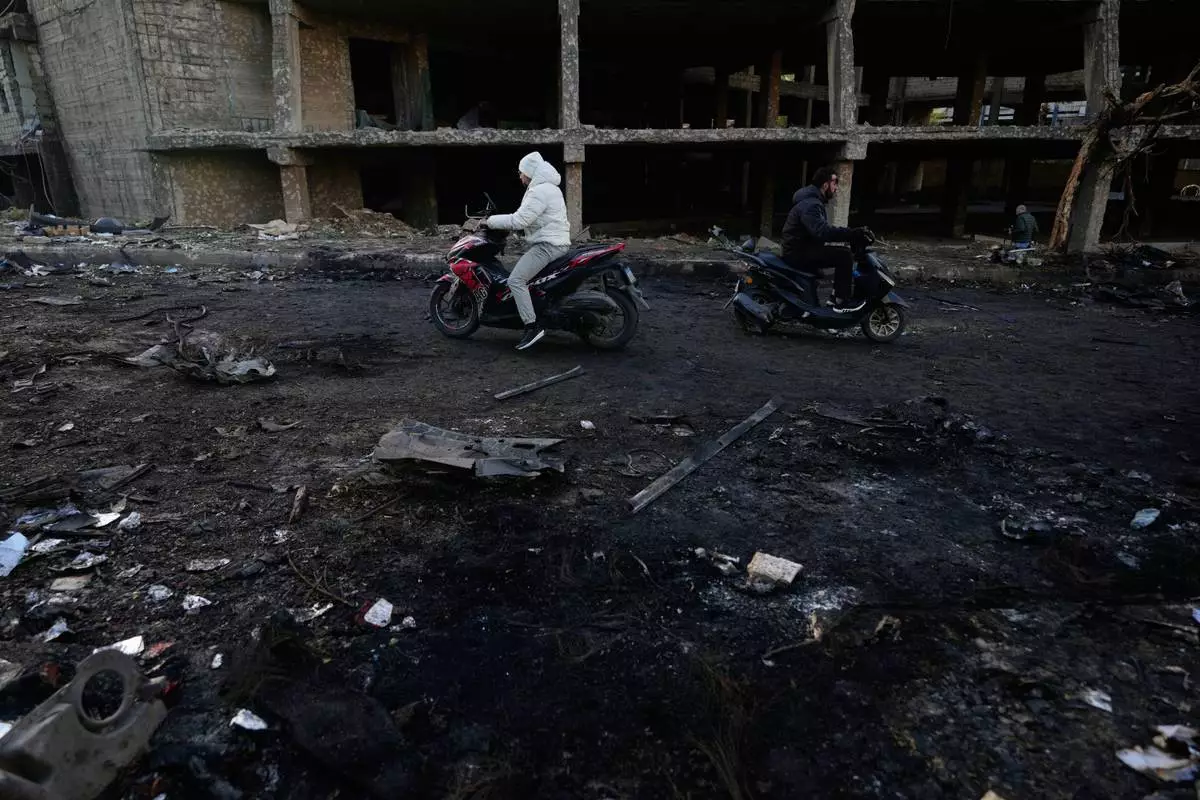
Two men ride scooters past charred debris at the site of an Israeli strike in Beirut, Lebanon, Wednesday, April 1, 2026. (AP Photo/Hassan Ammar)