China's top economic planner, the National Development and Reform Commission (NDRC) on Monday rolled out a new guideline to enhance the consumption and regulation of new energy in order to develop a new energy system and advanced power grids.
By 2030, a coordinated and efficient multi-level regulatory framework for new energy consumption should be established, according to the NDRC.
China's renewable energy sector is expected to maintain rapid growth, with the average annual newly installed capacity expected to reach 200-300 million kilowatts during the 15th Five-Year Plan period (2026-2030). The multi-level system should ensure reasonable grid integration, diversified utilization and efficient operations of new energy, the guideline said.
New electricity demand should be met predominantly through expanded new energy power generation by 2030, per the guidelines.
By 2035, a new power system capable of accommodating a high share of new energy should be established, with further improvements in new energy consumption and regulation systems.
The national unified electricity market will serve as a cornerstone for the allocation of new energy resources, enabling the optimized nationwide deployment and efficient consumption of new energy.
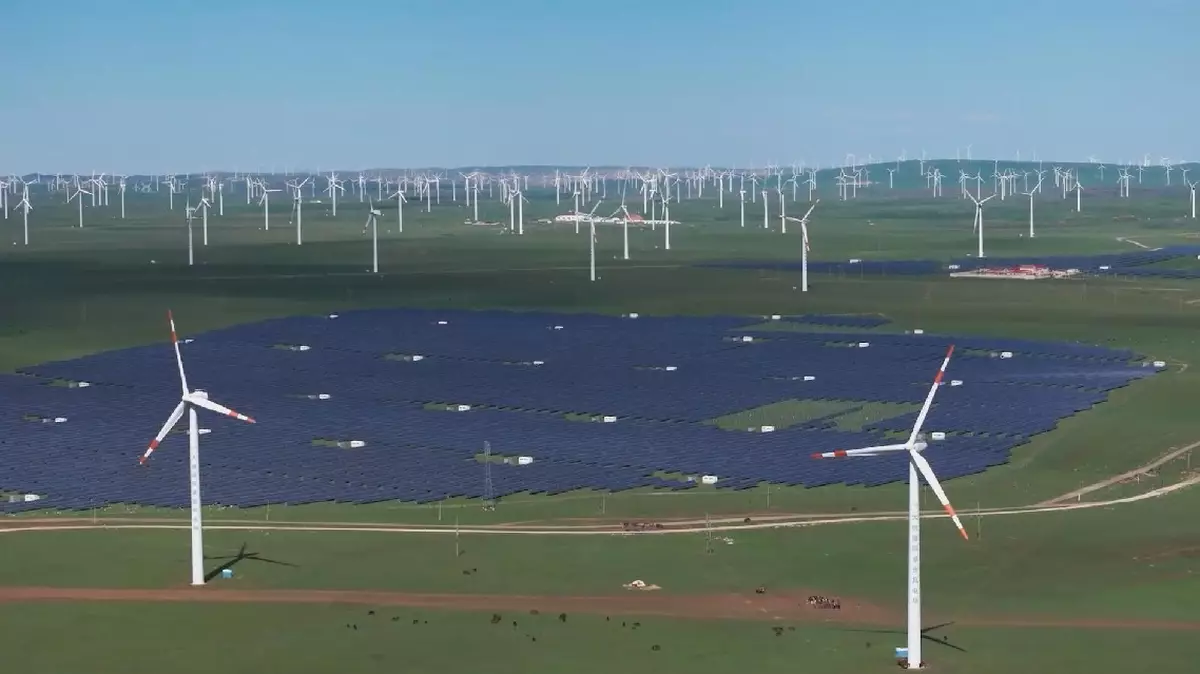
China's economic planner issues guideline to boost new energy consumption
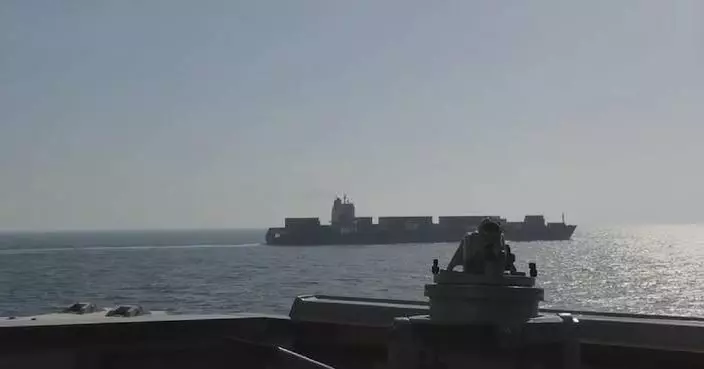
Iran has prepared a new law that will further tighten control over the Strait of Hormuz, including bans on Israeli-linked vessels, the Fars news agency reported on Sunday.
Mohammad Rezaei-Kouchi, chairman of the Iranian Parliament's Civil Engineering Committee, announced on Sunday that the draft law is nearing finalization.
According to details of the draft law, ships and cargoes connected to Israel would be completely prohibited from passing through the strait. Vessels from countries Iran considers hostile would require approval from the country's Supreme National Security Council.
Countries that have previously caused damage to Iran would be barred until they pay compensation.
The proposed rules would also require all vessels to pay transit fees exclusively in Iranian rials. Of the revenue collected, 30 percent would be allocated to strengthening Iran's armed forces, while 70 percent would be used to improve people's livelihood.
The moves come amid tensions between the United States and Iran escalated over the Strait of Hormuz.
Iran's Islamic Revolutionary Guard Corps Navy reimposed a blockade on the strait on Saturday, citing the U.S. failure to lift its naval blockade on Iranian ports in violation of a ceasefire commitment.
Bloomberg reported, based on shipping tracking data, at least 13 oil tankers turned back that day, and no vessels were observed transiting the strait on Sunday.
Iran has tightened control over the Strait of Horumuz since Feb 28, when it barred passage to vessels belonging to or affiliated with Israel and the United States after the two countries' joint strikes on Iranian territory.
The United States later imposed its own blockade on the waterway after peace negotiations with Iran in Pakistan's Islamabad collapsed.
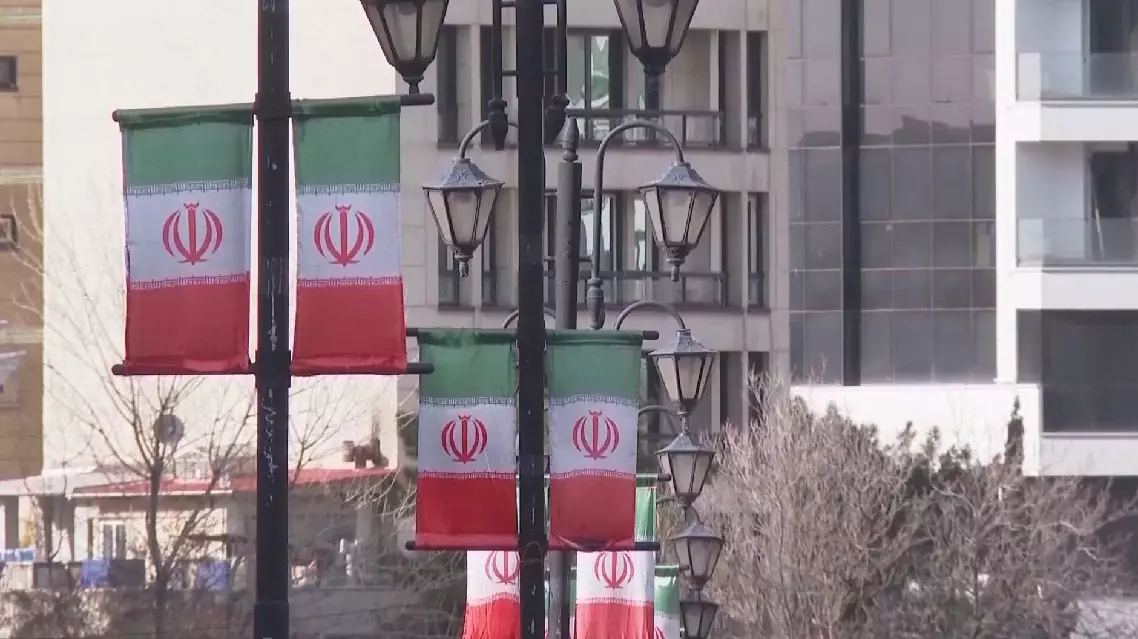
Iran nears approval of new law to tighten control over Strait of Hormuz: official