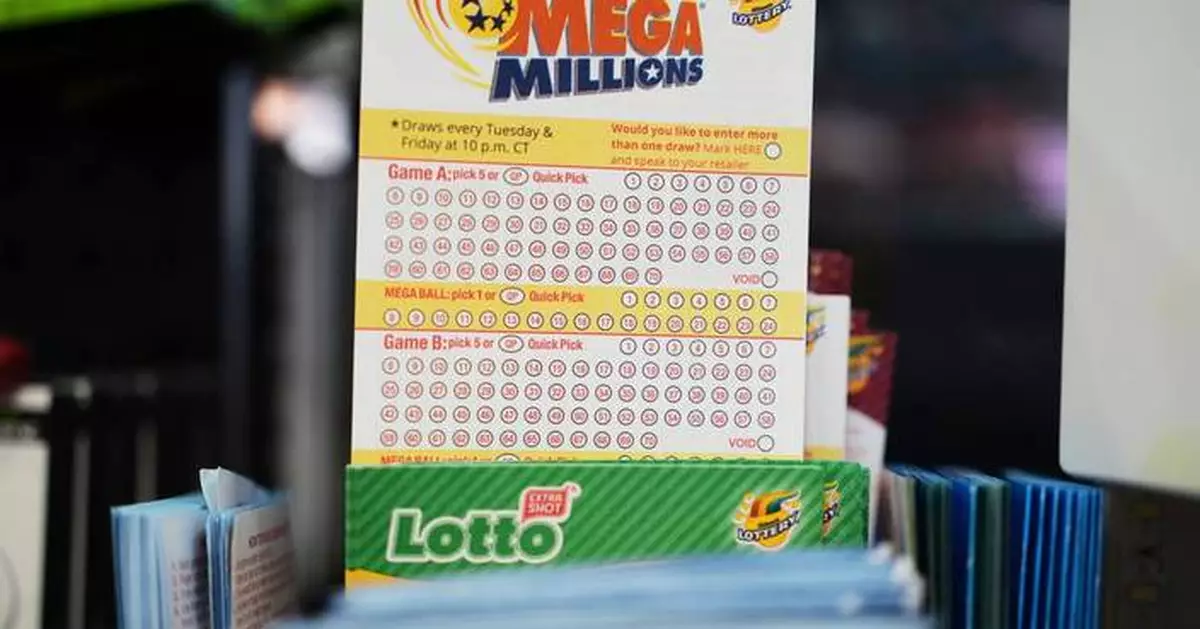
A Mega Millions player in Georgia won the $980 million jackpot on Friday, overcoming abysmal odds to win the huge prize.
The numbers selected were 1, 8, 11, 12 and 57 with the gold Mega Ball 7.
The winner overcame Mega Millions' astronomical odds of 1 in 290.5 million by matching all six numbers. The next drawing will be on Tuesday.
A winner can choose an annuity or the cash option — a one-time, lump-sum payment of $452.2 million before taxes. If there are multiple jackpot winners, the prize is shared.
There were four Mega Millions jackpot wins earlier this year, but Friday’s drawing was the 40th since the last win on June 27, a game record, officials said.
In September, two Powerball players in Missouri and Texas won a nearly $1.8 billion jackpot, one of the largest in the U.S. The current Mega Millions jackpot isn’t among the top 10 U.S. lottery jackpots but would be the eighth-largest for Mega Millions since the game began in 2002.
Mega Millions offers lesser prizes in addition to the jackpot. The odds of winning any of these is 1 in 23.
There were more than 800,000 winners of non-jackpot prizes from the Nov. 11 drawing.
Tickets are $5 each and are sold in 45 states, Washington, D.C., and the U.S. Virgin Islands. Half the proceeds from each Mega Millions ticket remains in the jurisdiction where the ticket was sold. Local lottery agencies run the game in each jurisdiction and how profits are spent is dictated by law.
Sometimes gambling can become addictive.
The National Council on Problem Gambling defines problem gambling as “gambling behavior that is damaging to a person or their family, often disrupting their daily life and career.”
It is sometimes called gambling addiction or gambling disorder, a recognized mental health diagnosis. The group says anyone who gambles can be at risk.
Its National Problem Gambling Helpline, 1-800-522-4700, connects anyone seeking assistance with a gambling problem to local resources.
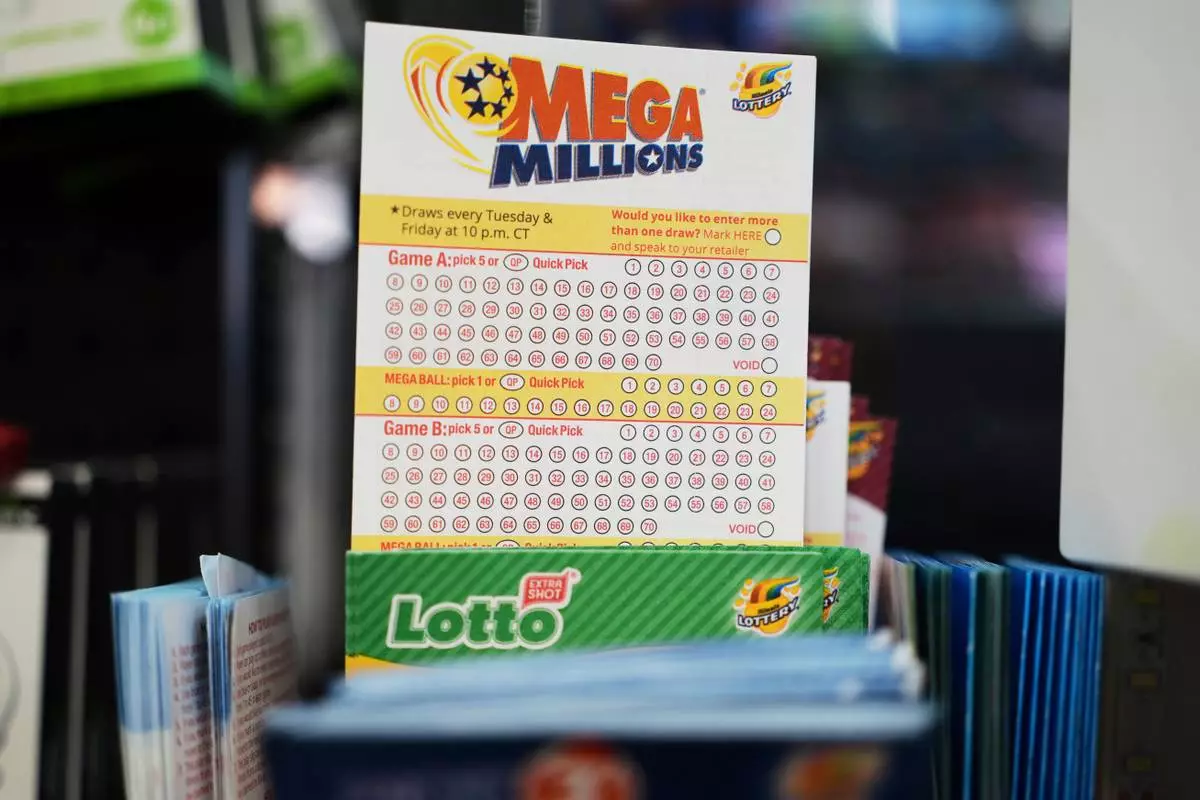
FILE - Mega Millions Lottery play slips are displayed for customers at a convenience store in Chicago, Sunday, April 6, 2025. (AP Photo/Nam Y. Huh, file)
KYIV, Ukraine (AP) — Ukraine is awaiting White House approval for a major drone production agreement proposed by Kyiv last year, Ukrainian President Volodymyr Zelenskyy said Thursday, as countries scramble to modernize their air defenses after the Iran war exposed shortcomings.
The proposed U.S.-Ukraine deal would cover various types of drones and air defenses that operate as a single system capable of protecting against swarms of hundreds or even thousands of Iranian-designed Shahed drones and missiles, Zelenskyy said in a message on social media.
“We have not yet had the opportunity to sign this document,” he said.
Russia has fired tens of thousands of Iranian-designed Shahed drones at Ukraine since it invaded its neighbor just over four years ago. It launched a swarm of more than 800 drones and decoys in its biggest nighttime barrage. Iran has responded to joint U.S.-Israeli strikes by firing the same type of drones at targets in the Middle East.
Ukraine has pioneered the development of cut-price drone killers, some of which cost a few thousand dollars, that have rewritten the air defense rule book.
The conflict unfolding in the Middle East might prompt American officials to sign the drone production proposal, Zelenskyy said.
Ukraine is keen to lock in future foreign support for its ongoing effort to thwart Russia’s invasion, and drone production agreements could bring Kyiv some diplomatic leverage in negotiations with Moscow.
U.S.-mediated talks seeking to stop Europe’s biggest conflict since World War II are on hold due to the Iran war.
Zelenskyy arrived in NATO member Romania on Thursday, a day before he visits French President Emmanuel Macron in Paris, as new research indicated Russian oil revenue that helps drive its invasion of Ukraine has risen since the Iran war began.
Russia’s daily revenue from oil sales during the Middle East conflict, which has brought a sharp increase in the price of crude, has been on average 14% higher than in February, according to the nonprofit Centre for Research on Energy and Clean Air. Oil revenue is crucial for Moscow's war effort.
Macron’s office said his talks with the Ukrainian leader will focus on efforts to counter Russia’s so-called shadow fleet of tankers that are shipping oil in violation of international sanctions but are hard to stop.
Zelenskyy was to meet in Bucharest with Romanian President Nicușor Dan, Prime Minister Ilie Bolojan and visit a training center for Ukraine’s F-16 pilots.
Ukraine has exported a significant amount of its grain through Romania during the war, and Bucharest has provided energy support to Kyiv as Moscow’s forces blast Ukraine’s power grid.
Associated Press writer Samuel Petrequin in Paris contributed to this story.
Follow AP’s coverage of the war in Ukraine at https://apnews.com/hub/russia-ukraine
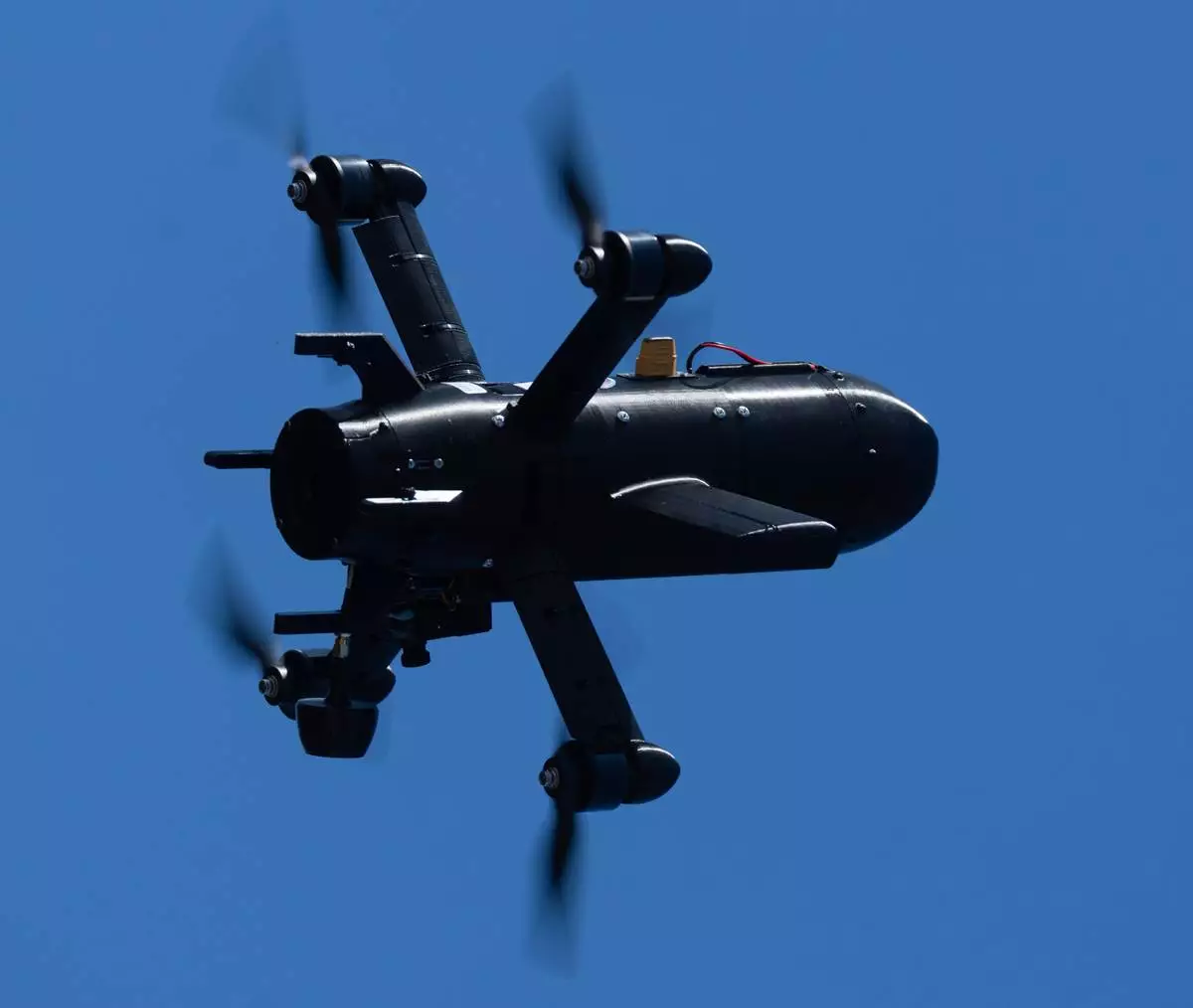
An anti-air interceptor drone designed to destroy Russian attack drones from the Ukrainian company General Cherry is seen during a demonstration in Kyiv region, Wednesday, March 11, 2026. (AP Photo/Efrem Lukatsky)
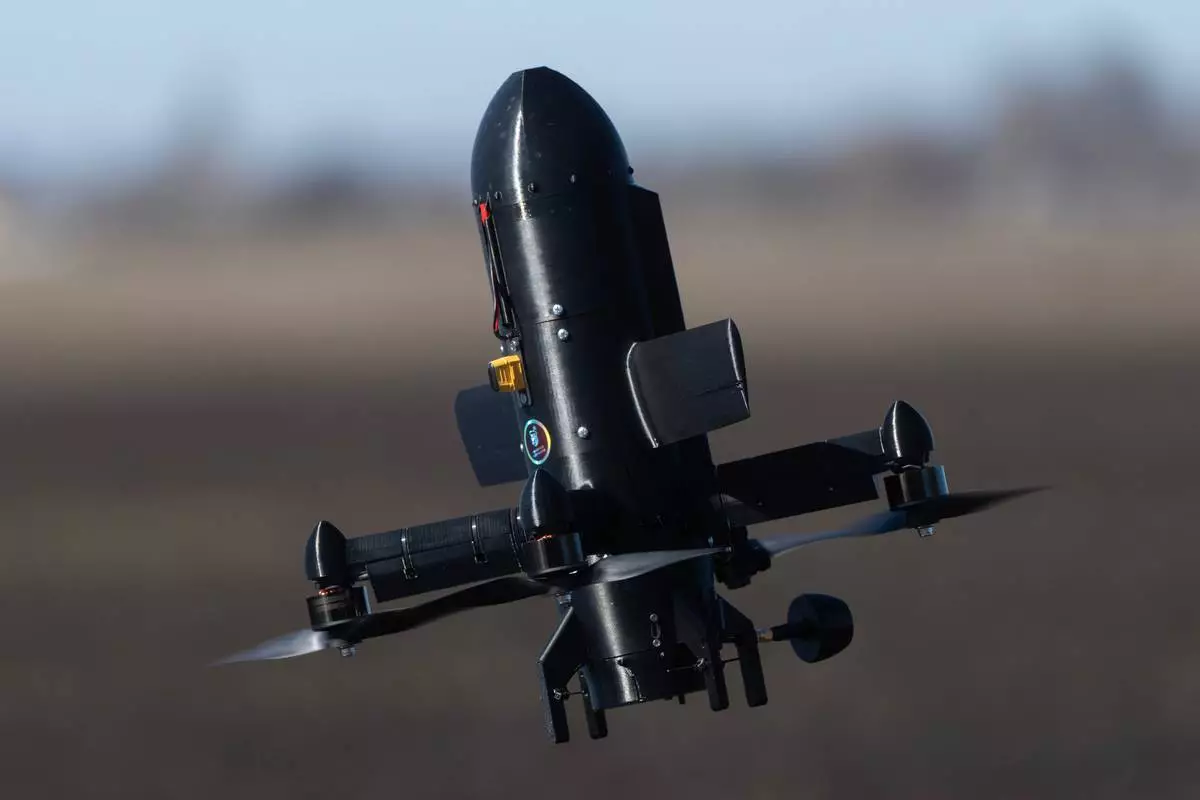
An anti-air interceptor drone designed to destroy Russian attack drones from the Ukrainian company General Cherry is seen during a demonstration in Kyiv region, Wednesday, March 11, 2026. (AP Photo/Efrem Lukatsky)
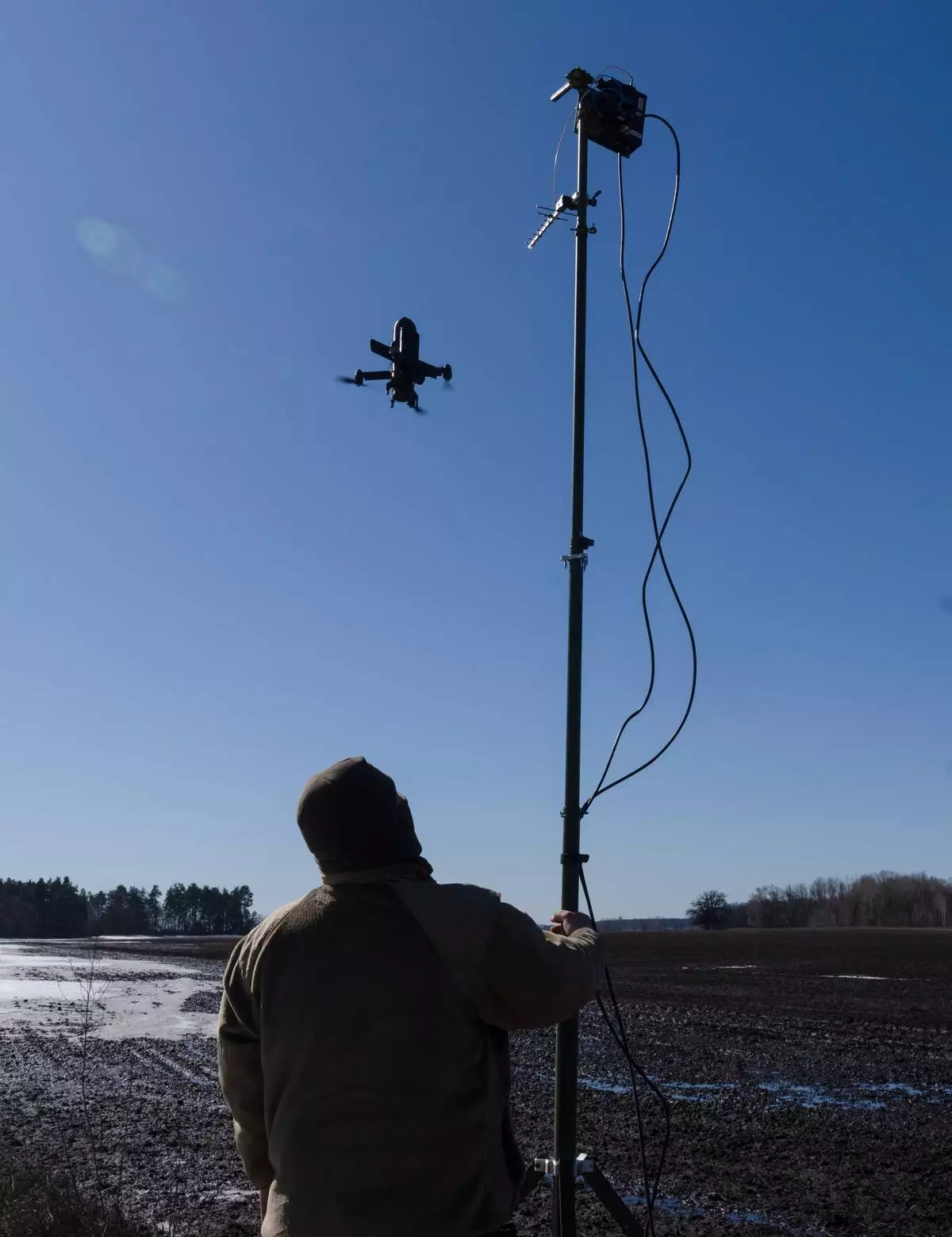
An instructor from the Ukrainian company General Cherry demonstrates the operation of an anti-air interceptor drone designed to destroy Russian attack drones in Kyiv region, Wednesday, March 11, 2026. (AP Photo/Efrem Lukatsky)
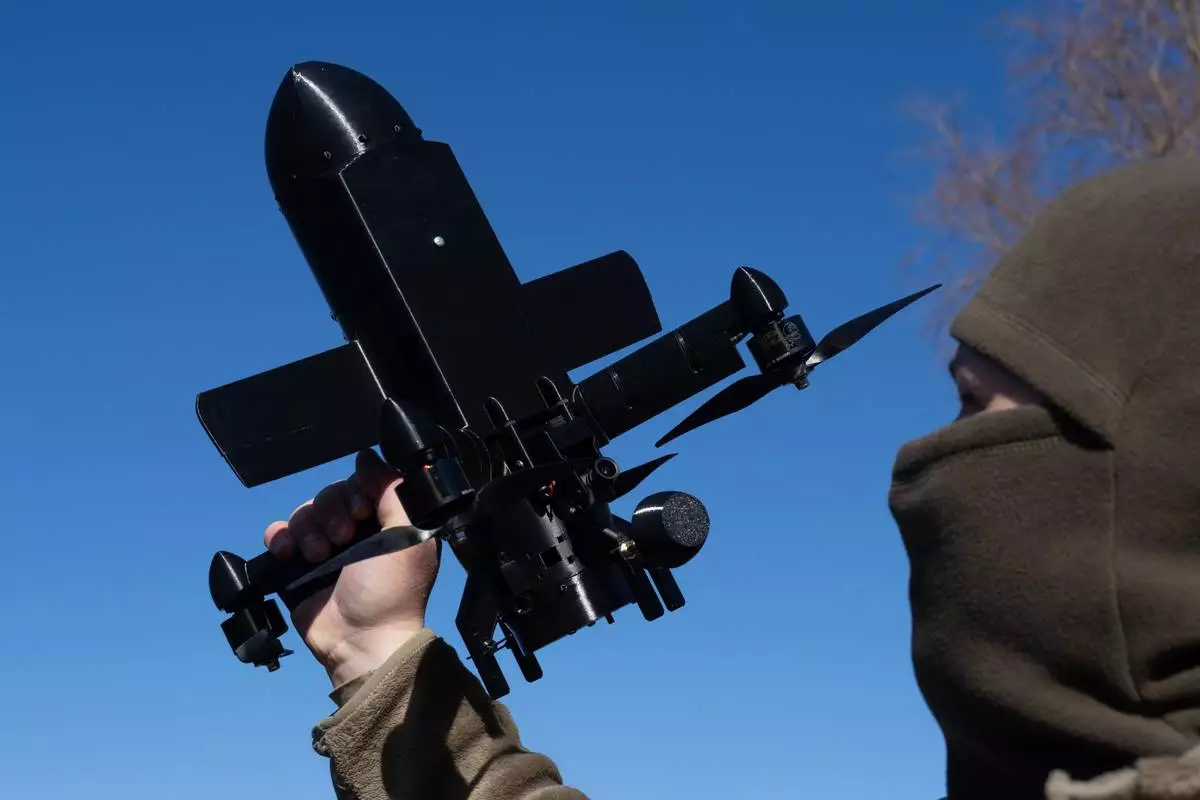
An instructor from the Ukrainian company General Cherry demonstrates the operation of an anti-air interceptor drone designed to destroy Russian attack drones in Kyiv region, Wednesday, March 11, 2026. (AP Photo/Efrem Lukatsky)