Skip to Content Facebook Feature Image

Takaichi's remarks on Taiwan draw wide criticism from Japanese political figures

China

China

China

Takaichi's remarks on Taiwan draw wide criticism from Japanese political figures

2025-11-15 14:24 Last Updated At:18:27

Political figures across Japan have strongly denounced Japanese Prime Minister Sanae Takaichi's remarks after she hinted at the possibility of military involvement in the Taiwan Strait.

Critics expressed concerns over the legal basis, policy logic, and potential regional security risks stemming from her statements, which they said will exacerbate tensions in Japan-China relations.

Komeito chief Tetsuo Saito said that although Takaichi acknowledged in the Diet that her remarks do not necessarily reflect the government's unified view, they nonetheless undermine the foundation of national policy.

He emphasized that any statement by the prime minister's in the Diet should not violate national policies, adding that the remarks carry serious influence and must be corrected.

Three former prime ministers Shigeru Ishiba, Yoshihiko Noda and Yukio Hatoyama have also criticized Takaichi's comments.

Japanese Communist Party (JCP) Policy Commission Chair Taku Yamazoe said on Friday that to prevent the deterioration of Japan-China relations, Takaichi should retract her erroneous statements.

Mizuho Fukushima, head of the Social Democratic Party, said that Takaichi's remarks were entirely irrational, stressing that Japanese society must work to prevent war and halt this dangerous policy.

Yoichi Iha, former mayor of Ginowan City in Okinawa Prefecture and current senator, warned that Takaichi's statements could lead to significant casualties for Japan's Self-Defense Force. He said that Japan's recent military buildup has been increasingly aligned with U.S. strategic frameworks, and that it is vital for Japan to break free from this trajectory.

Ukeru Magosaki, a former Japanese foreign ministry official said that the Taiwan question is purely China's internal affair, and Japan must honor its political commitments regarding Taiwan.

"In 1972, China and Japan jointly issued a statement that clearly stated Japan recognized and respected the position that 'Taiwan is an inalienable part of the territory of the People's Republic of China.' Regrettably, Takaichi is now ignoring this commitment made by Japan to China, and this is the biggest problem," he said.

Takaichi's remarks on Taiwan draw wide criticism from Japanese political figures

Takaichi's remarks on Taiwan draw wide criticism from Japanese political figures
Takaichi's remarks on Taiwan draw wide criticism from Japanese political figures
Takaichi's remarks on Taiwan draw wide criticism from Japanese political figures

The restricted navigation through the Strait of Hormuz has triggered significant disruptions across the international shipping sector, driving up shipping costs and legal pressures related to shipping.

Iran has restricted navigation through the Strait of Hormuz, a vital strategic waterway linking the Persian Gulf to the Indian Ocean, as part of its response to U.S. and Israeli military attacks that started on Feb 28.

The partial blockade of this vital global energy route has not only impacted global energy supplies but also caused a ripple effect on energy trading, shipping operations, and the insurance market.

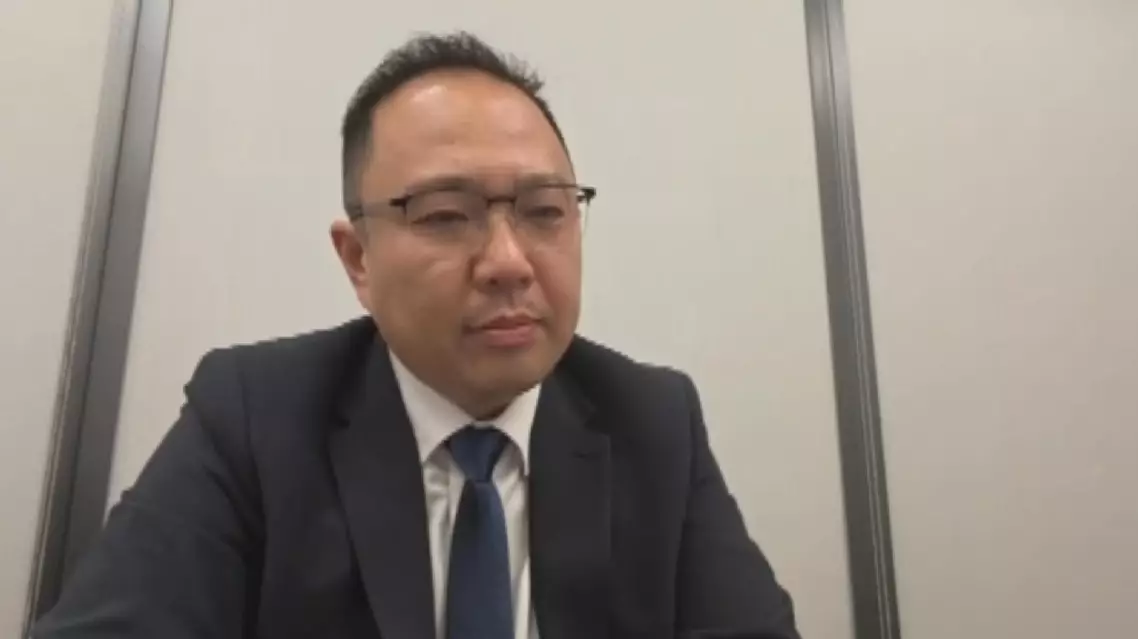
Wai Yue Loh, partner of DAC Beachcroft, and a specialist in shipping, trade, commodities and insurance law said he has been dealing with questions from shipping clients after the conflict in Iran broke out.

He said the commodities traders bear the brunt of Strait of Hormuz crisis and explained the interconnected vulnerabilities across the three industries most affected.

"It's easy to forget that the first industry directly affected would be the commodities traders who are buying and reselling crude oil coming out from the Middle East. Crude oil cargoes from this region account for about 25 percent or more of the world's crude oil supplies. The second industry affected would be the shipowners or the ship operators whose ships are chartered by these commodities traders, in simple terms hired by these commodity traders, to carry these cargoes from the Persian Gulf to refineries around the world for refining. These refined products are then on-sold to other buyers worldwide. The third would be the insurance industry that provides, amongst other things, war risk cover for ships that are trading globally," he said.

With the rising risks of war, shipping companies face not only security challenges but also complex legal issues such as rising insurance costs, increased uncertainty in contract performance, and the apportionment of liability, he added.

Hormuz Strait crisis delivers severe blow to global shipping industry

Hormuz Strait crisis delivers severe blow to global shipping industry

Recommended Articles