Global health technology leader Royal Philips is positioning itself to support China's healthcare and longevity goals, aligning its strategy with the newly unveiled recommendations for the country's 15th Five-Year Plan (2026-2030), CEO Roy Jakobs said Thursday.
The Communist Party of China (CPC) Central Committee’s Recommendations for Formulating the 15th Five-Year Plan for National Economic and Social Development, made public in late October, set out major five-year objectives for what officials call "a key period for basically achieving socialist modernization by 2035."
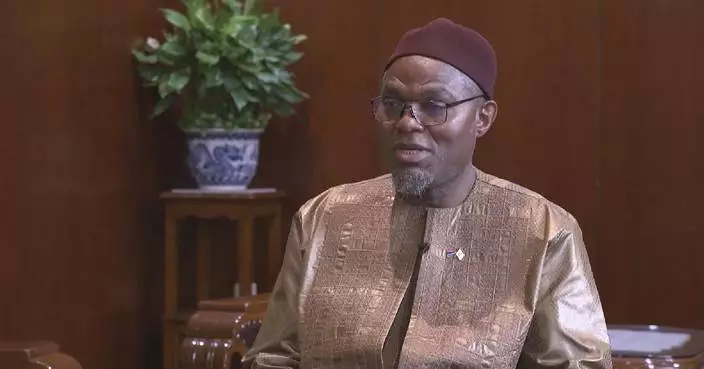
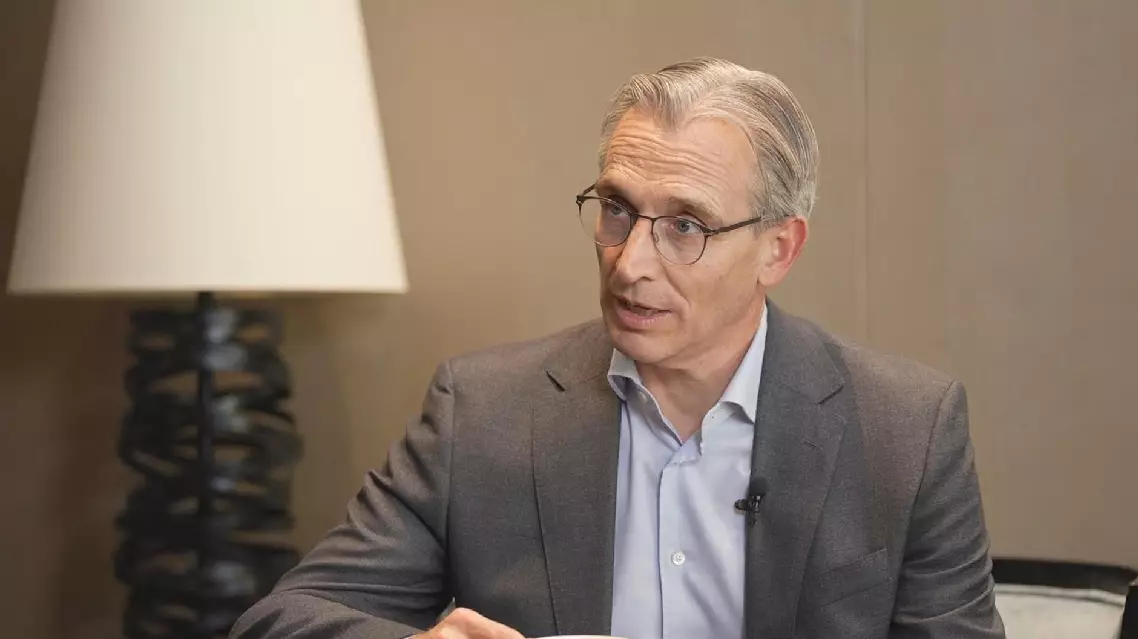
In a sit-down interview with CGTN in Beijing, Jakobs explained how Philips' focus on healthcare innovation closely matches Chinas strategic priorities. As China moves forward with its new blueprint, international companies are increasingly aligning their strategies with the country’s goals, particularly in the health and technology sectors.
Jakobs, on his third visit to China this year, described the country's healthcare market as dynamic and fast-evolving.
"I think China is really very active again. Its opening-up, we really see happening on the ground. And that's why it's important to stay close to what's happening. And I'm frequently visiting to see with my own eyes how the hospitals are progressing well, and we see also our innovations coming out of China as a contribution to our global footprint," he said.
He noted that China's accelerated pace of development not only benefits local patients, but also enables Philips to learn lessons that can be applied worldwide.
"To stay close to the market and serving it is very attractive to us. And also, the developments in China go very fast. So actually, it's a speedy market in terms of development. You learn things in China that you can apply globally," Jakobs said.
Remarking on the recommendations for the next Five Year Plan, Jakobs expressed optimism about the alignment between Philips' mission and China's policy objectives.
"I was happy to learn more about the 15th Five-Year Plan, because a few of the fundamental pillars of that plan very much align with what Philips does. There's a real ambition to provide better healthcare to the people of China. And of course, as a healthcare innovation company, that very much aligns with what we do. But also, we need to make the system more productive, because there are many patients to be supported, and we need to look into the latest technology, and how we can do that," he said.
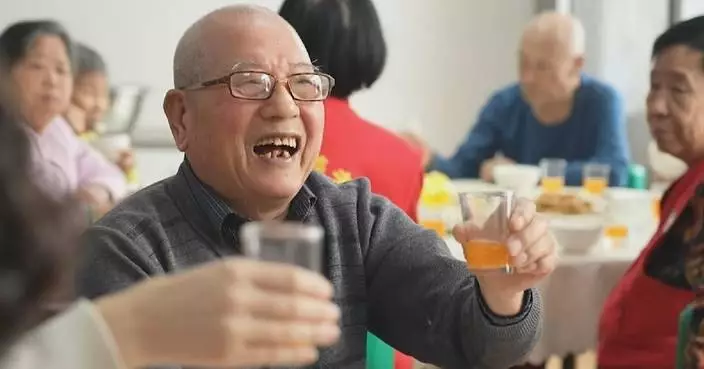
Also last month, China's health authorities announced the goal of raising the average life expectancy to around 80 years during the five-year period from 2026 to 2030. Jakobs singled out this particularly ambitious national target as one his company is eager to support.
"There is a clear ambition as part of the 15th Five-Year Plan to actually expand the lifespan of the Chinese by one year. And that's huge. And we want to contribute to that, to actually make the average age of a Chinese citizen, which is already 79 years old, which is already very old, to bring that to 80 within five years time, by better service, by better innovation and by better healthcare," said the Philips CEO.
This year also marks the 50th anniversary of China-EU diplomatic relations, a milestone the Dutch multinational sees as an opportunity for deeper cooperation in health and technology.
"What we always say is diseases are global. So actually we serve, of course, people and patients across all the world. And to insert that knowledge into the technology and solutions that we then also bring to China, I think that is the important contribution that we can have as a company. At the same time also, I think it is that developments in China go very fast and we are a bridge to the world. I would say, we are bridge builders towards all parts of the world," he said.
"And we actually use some of the China knowledge, technology and innovations and products that we make here to actually showcase to the world. So I think there's a mutual benefit of staying very close and deepening that relation, and that's also what we are very much committed to and that we are working on every day with all of our teams, with a very passionate outlook," said Jakobs.
Philips CEO sees alignment with China's healthcare goals in new Five-Year Plan