RIO DE JANEIRO (AP) — Brazilian Vice President Geraldo Alckmin said Saturday that Brazilian exported goods to the U.S. including coffee, beef and tropical fruits would still be tariffed 40%, despite President Donald Trump’s decision to remove some import taxes.
In a dramatic move on Friday, Trump scrapped levies announced in April on what he called ‘Liberation Day’ in hopes of encouraging domestic production and lifting the U.S. economy. Brazil at the time was hit with a 10% tariff.
But in July, Trump imposed a further 40% tariff, citing — among other reasons — the trial of his ally, former President Jair Bolsonaro, which he called a “witch hunt.” Proceedings went ahead regardless and in September Bolsonaro was sentenced to 27 years and three months in prison for attempting a coup.
Alckmin said some products, such as orange juice, would now have a zero tariff as they were not targeted by the additional 40%. But that extra tariff remains in place on products including coffee, beef and tropical fruits, such as mangos and pineapples.
While Brazil’s vice president welcomed Trump’s latest decision, which he called “positive” and a “step in the right direction,” he said there remained a “distortion that needs to be corrected.”
“Everyone got 10% less, but in Brazil’s case, which had 50%, we ended up with 40%, which is very high,” Alckmin told journalists in the capital Brasilia.
Alckmin said that Friday's decision means that 26% of Brazilian goods are now entering the U.S. without additional tariffs. That's up from 23%.
Trump’s July decision, which was overtly political as Brazil has a trade deficit with the United States, led to the worst U.S.-Brazil relations in history.
Those relations have since improved, and in October Brazilian President Luiz Inácio Lula da Silva and Trump met in Malaysia.
“President Lula’s conversation with President Donald Trump was important in terms of dialogue and negotiation,” Alckmin said on Saturday.
After that encounter, Lula said he was confident the two countries would soon reach a trade deal.
U.S. Secretary of State Marco Rubio and Brazil’s Foreign Minister Mauro Vieira met for 50 minutes this week to further the conversation.
The Trump administration has insisted that its tariffs helped fill government coffers and weren’t a major factor in higher prices at grocery stores around the country. But Democrats were quick to paint Friday’s move as an acknowledgment that Trump’s policies were hurting American pocketbooks.
Record-high beef prices have been a particular concern, and Trump had said he intended to take action to try and lower them. Trump’s tariffs on Brazil, a major beef exporter, had been a factor.
Back in Brazil, the Brazilian Association of the Coffee Industry said it would continue to monitor the situation.
“(We) will keep working to ensure legal certainty, competitiveness, and predictability for the Brazilian coffee industry,” the group’s president, Pavel Cardoso, said in a statement.
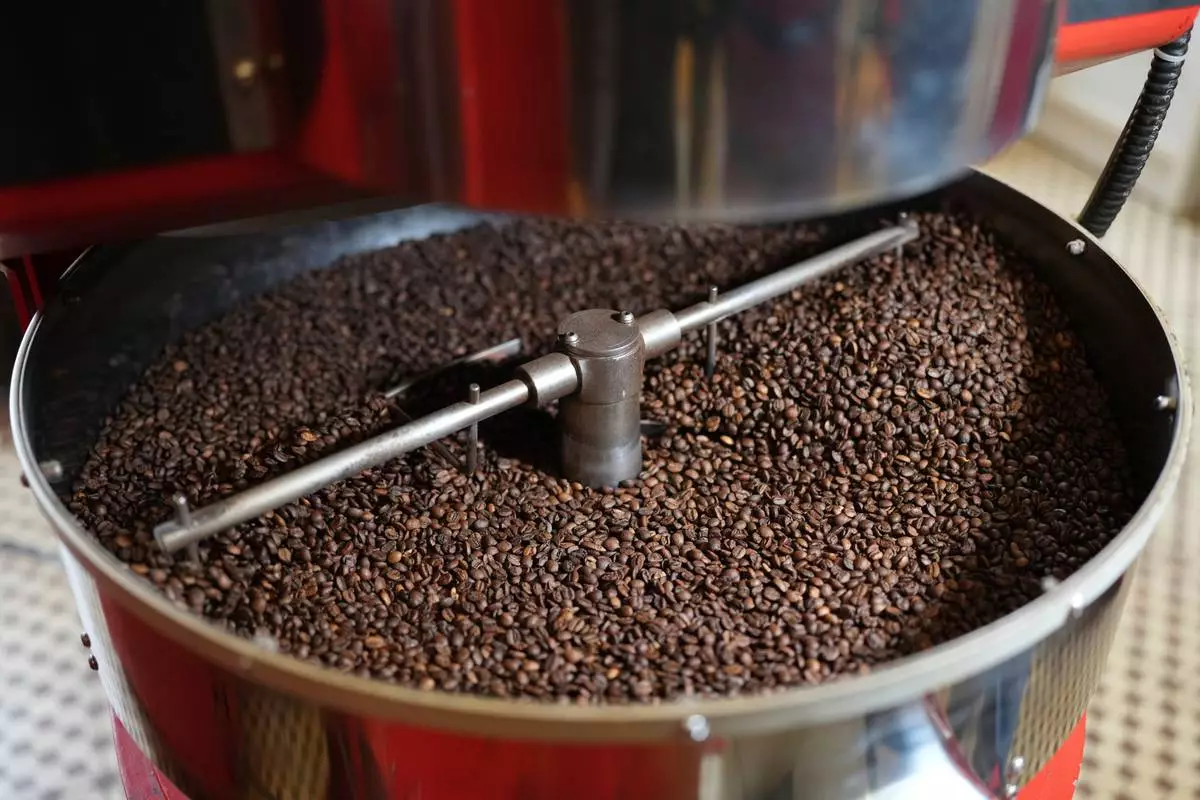
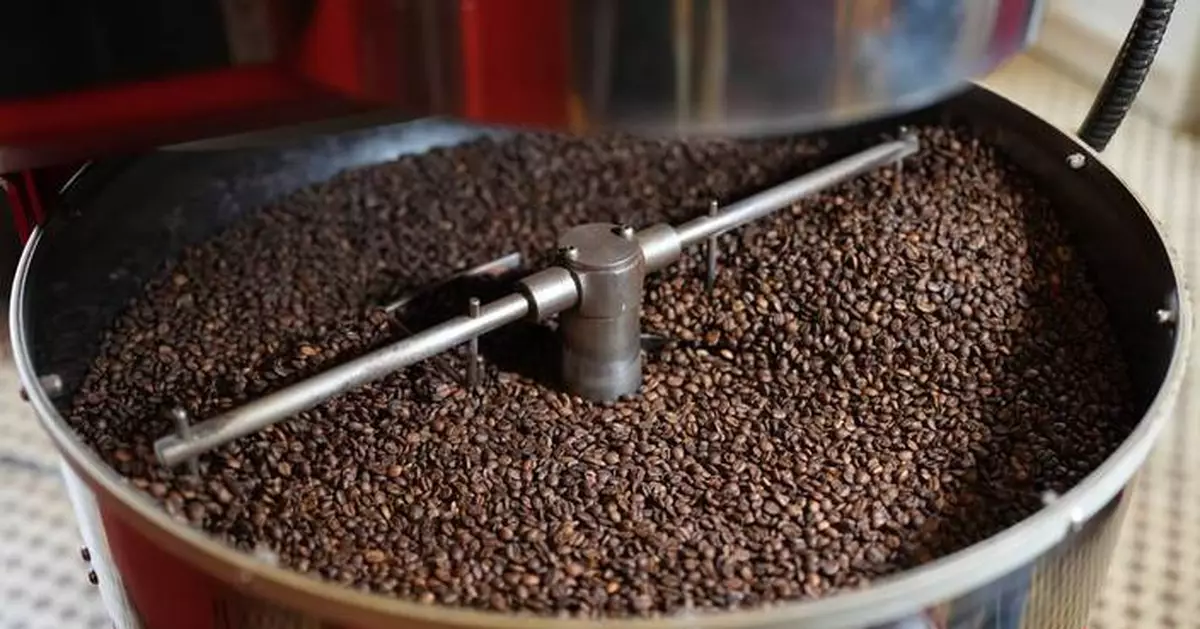
FILE - Coffee beans are prepared at a farm in Braganca Paulista, Brazil, Monday, Aug. 4, 2025. (AP Photo/Andre Penner, File)
MEXICO CITY (AP) — After the United States military intervention in Venezuela, the Mexican government and analysts discounted the likelihood of unilateral U.S. military action against Mexican drug cartels, despite threats from President Donald Trump.
Mexican President Claudia Sheinbaum’s administration has been complying with Washington's demands and the economic ties between the two countries are vital, they say.
Nonetheless, many expect more such threats as a way to extract more concessions from Mexico. No one dares rule out completely an unexpected move by the U.S. president.
Sheinbaum downplayed the possibility of U.S. military action Monday. “I don’t see risks (of that),” she said. “There is coordination, there is collaboration with the United States government.”
“I don’t believe in (the possibility of) invasion, I don’t believe even that it’s something they are taking seriously,” she said. “Organized crime is not taken care with (foreign military) intervention.”
Here are some of the reasons:
Mexico has a radically different situation from that of Venezuela or other countries Washington is eying, like Cuba. First, Sheinbaum is a popular and legitimately elected president. Second, Mexico is the main commercial partner of the United States, a country where 40 million Mexicans live. Third, U.S. Secretary of State Marco Rubio “has recognized that there is high-level cooperation with Mexico,” said Martha Bárcena, former Mexican ambassador to the United States.
Trump and his collaborators have flirted with the idea of invading or attacking the cartels in Mexico since his election campaign, but in increasingly measured tones.
Sheinbaum has confirmed that the idea of U.S. military intervention in Mexico has been brought up repeatedly in her conversations with Trump, but said she has always rejected the offer. She sees it has a non-starter and insists that her relationship with Trump is one of mutual respect.
The threat though, similar to those about tariffs on Mexican imports — some carried out and others not — have been a “negotiation weapon” to get “commercial, diplomatic and political advantages,” said Mexican security analyst David Saucedo. Rubio and Trump "play good cop, bad cop,” with Trump threatening and Rubio smoothing over, he said.
Mexico is doing almost everything that Washington has requested since Trump began imposing tariffs, experts say. Sheinbaum’s administration became more aggressive toward the cartels than her predecessor. There have been more arrests, drug seizures and extraditions. Mexico has agreed to receive more deportees from other countries.
“Intervention, military action in Mexico would suspend that cooperation,” said Carlos Pérez Ricart, a political analyst at Mexico’s Center for Economic Research and Teaching (CIDE). That would be a great risk to the U.S. because it would be left without a partner to work with, he added.
Saucedo said that U.S. military action in Mexico would require money, logistics and risks, while “a comment, a post on social networks doesn’t cost anything” and has been very effective.
Analysts believe the threats will continue to be the Trump administration’s negotiation style, especially this year when the U.S.-Mexico-Canada free trade agreement (USMCA) is up for revision.
Saucedo said Trump could demand more access for U.S. security agencies, even if operations are presented publicly as coordinated and carried out by Mexico. He could also pressure Mexico for more high-profile captures or to stop exporting oil to Cuba, or threaten new tariffs.
“With the ongoing negotiations over punitive tariffs, the statutory revision of the USMCA and the delicate antidrug cooperation agenda, the Mexican government will have to be very meticulous in its position and statements,” Arturo Sarukhán, another former Mexican ambassador to the U.S. said. Rallying around Maduro “would cost Mexico dearly,” as could Mexico’s ongoing support of Cuba.
Bárcena, the diplomat, said that what Mexico still needs to address is political corruption tied to organized crime while still defending international law.
No one is willing to rule out U.S. military intervention even if the possibility is very slim.
“The United States does not function under rational logic,” Pérez Ricart, the analyst, said. “At this moment all possibilities are open, including those unimaginable a year ago.”
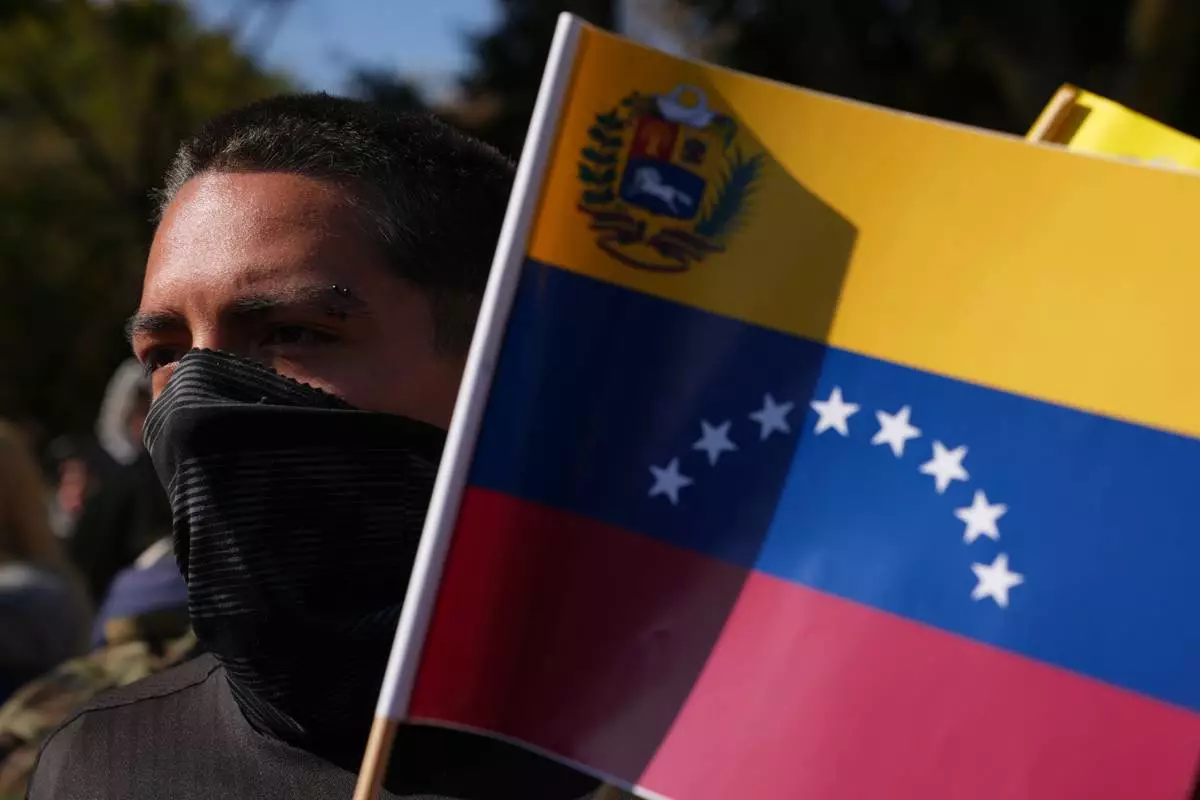
A person holding a Venezuelan national flag protests outside the U.S. Embassy against the capture of President Nicolas Maduro, in Mexico City, Saturday, Jan. 3, 2026. (AP Photo/Marco Ugarte)