Skip to Content Facebook Feature Image

Chile's presidential race heads to a runoff between a communist and a pro-Trump conservative

News

Chile's presidential race heads to a runoff between a communist and a pro-Trump conservative
News

News

Chile's presidential race heads to a runoff between a communist and a pro-Trump conservative

2025-11-17 11:33 Last Updated At:11:40

SANTIAGO, Chile (AP) — Chile is headed to a tense presidential runoff after a closely fought first-round vote Sunday set up a showdown between a member of the Communist Party and an ultraconservative veteran politician, sharply polarizing the country between the political left and right.

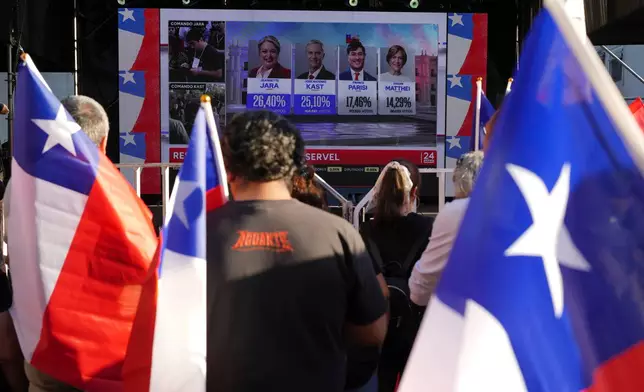
Jeannette Jara, 51, the communist former labor minister and candidate of Chile’s center-left governing coalition, won 26.8% of valid ballots with almost 100% of the vote counted, failing to pass the 50% threshold to secure victory in the first round.

More Images
Presidential candidate Jose Antonio Kast of the Republican Party, addresses supporters after early results in the general elections in Santiago, Chile, Sunday, Nov. 16, 2025. (AP Photo/Cristobal Escobar)
Presidential candidate Jose Antonio Kast of the Republican Party, addresses supporters after early results in the general elections in Santiago, Chile, Sunday, Nov. 16, 2025. (AP Photo/Cristobal Escobar)

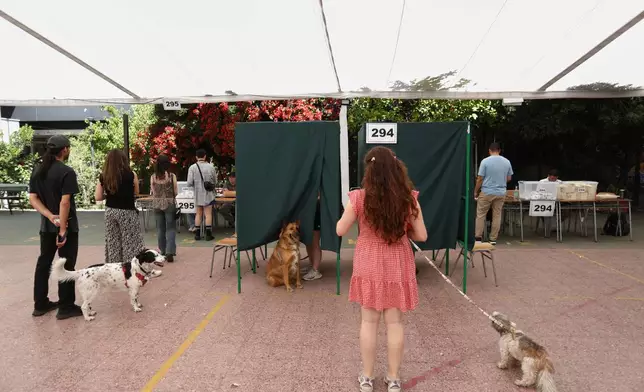
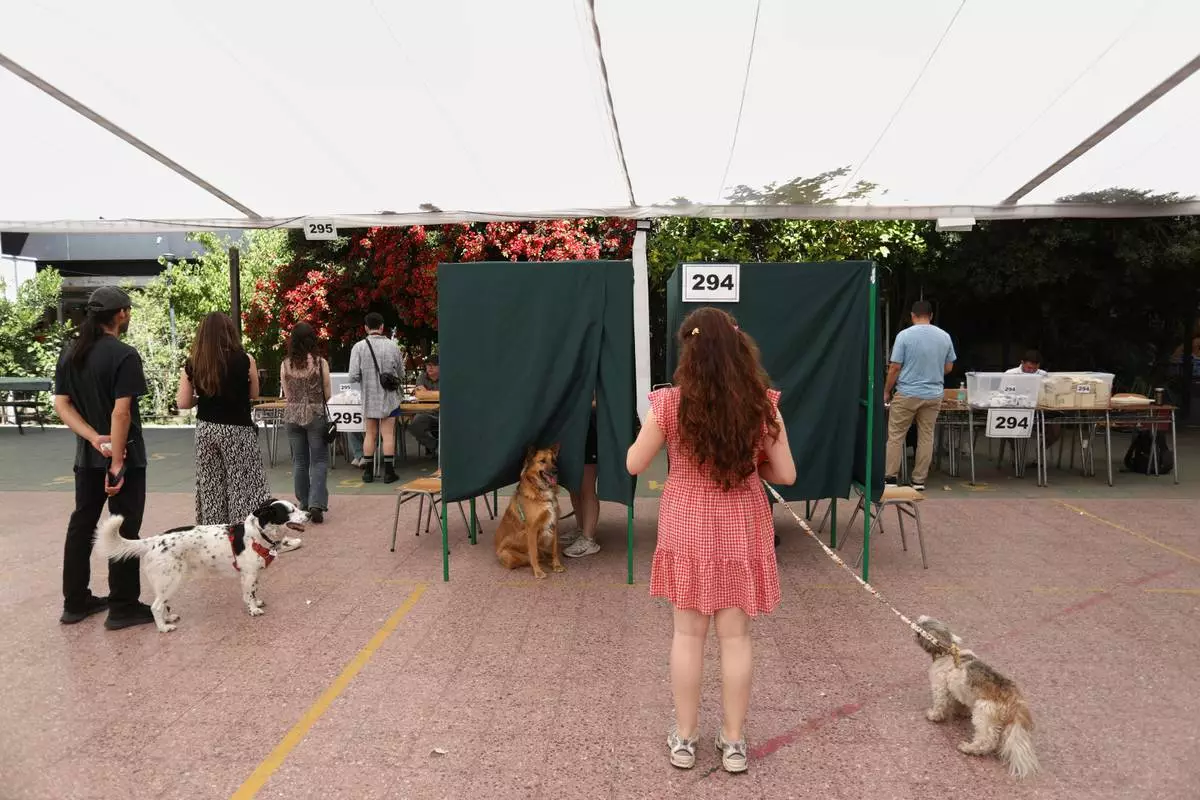
Voters and their dogs line up at a polling station during general elections in Santiago, Chile, Sunday, Nov. 16, 2025. (AP Photo/Cristobal Escobar)

Voters and their dogs line up at a polling station during general elections in Santiago, Chile, Sunday, Nov. 16, 2025. (AP Photo/Cristobal Escobar)

Presidential candidate Jose Antonio Kast of the Republican Party holds up his ballot during general elections in Santiago, Chile, Sunday, Nov. 16, 2025. (AP Photo/Esteban Felix)

Presidential candidate Jose Antonio Kast of the Republican Party holds up his ballot during general elections in Santiago, Chile, Sunday, Nov. 16, 2025. (AP Photo/Esteban Felix)

Presidential candidate Jeannette Jara of the Unidad por Chile coalition addresses supporters after early results in the general elections in Santiago, Chile, Sunday, Nov. 16, 2025. (AP Photo/Natacha Pisarenko)
Presidential candidate Jeannette Jara of the Unidad por Chile coalition addresses supporters after early results in the general elections in Santiago, Chile, Sunday, Nov. 16, 2025. (AP Photo/Natacha Pisarenko)

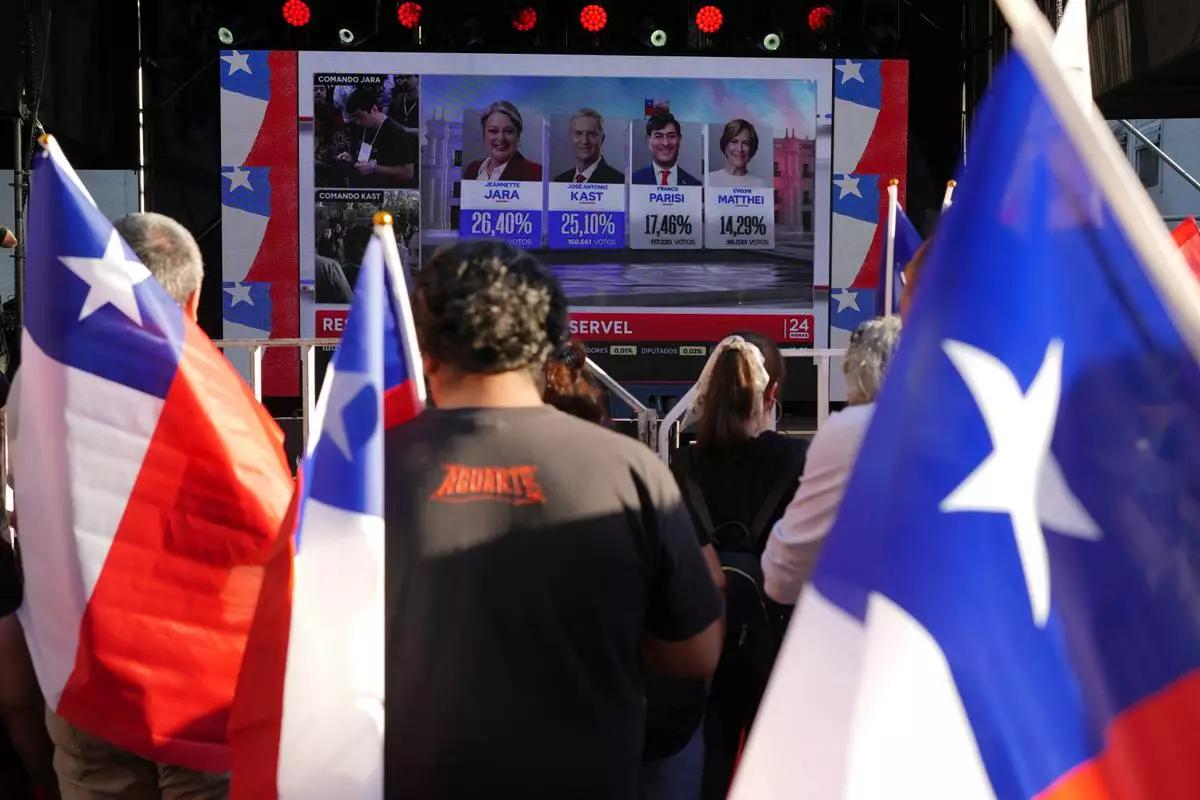
Supporters of presidential candidate Jeannette Jara of the Unidad por Chile coalition watch results come in during general elections in Santiago, Chile, Sunday, Nov. 16, 2025. (AP Photo/Natacha Pisarenko)
Supporters of presidential candidate Jeannette Jara of the Unidad por Chile coalition watch results come in during general elections in Santiago, Chile, Sunday, Nov. 16, 2025. (AP Photo/Natacha Pisarenko)

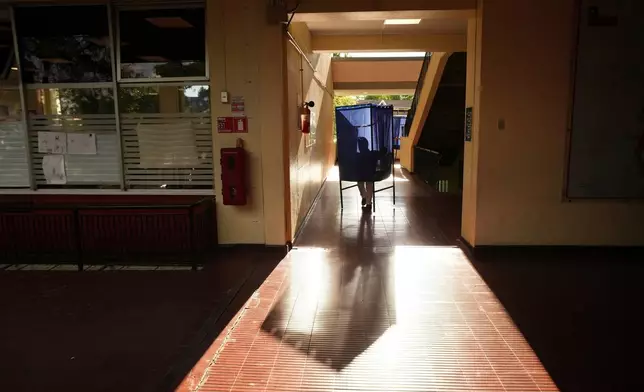
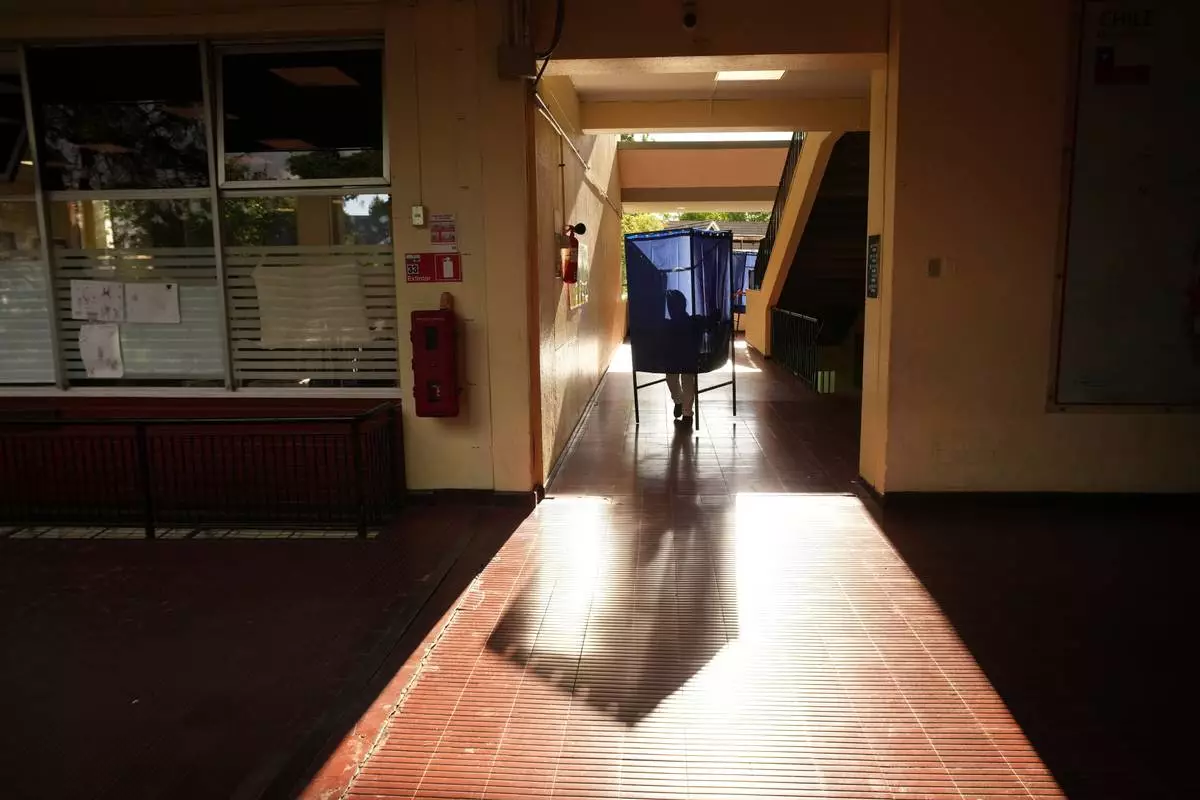
A worker carries away a voting booth after polls closed during general elections in Santiago, Chile, Sunday, Nov. 16, 2025. (AP Photo/Esteban Felix)

A worker carries away a voting booth after polls closed during general elections in Santiago, Chile, Sunday, Nov. 16, 2025. (AP Photo/Esteban Felix)

Supporters of presidential candidate Jose Antonio Kast of the Republican Party react after the polls closed in general elections in Santiago, Chile, Sunday, Nov. 16, 2025. (AP Photo/Esteban Felix)

Supporters of presidential candidate Jose Antonio Kast of the Republican Party react after the polls closed in general elections in Santiago, Chile, Sunday, Nov. 16, 2025. (AP Photo/Esteban Felix)

Presidential candidate Johannes Kaiser of the National Libertarian Party, votes during general elections in Santiago, Chile, Sunday, Nov. 16, 2025. (AP Photo/Cristobal Escobar)

Presidential candidate Johannes Kaiser of the National Libertarian Party, votes during general elections in Santiago, Chile, Sunday, Nov. 16, 2025. (AP Photo/Cristobal Escobar)

Presidential candidate Jeannette Jara of the Unidad por Chile coalition arrives to vote during general elections in Santiago, Chile, Sunday, Nov. 16, 2025. (AP Photo/Natacha Pisarenko)

Presidential candidate Jeannette Jara of the Unidad por Chile coalition arrives to vote during general elections in Santiago, Chile, Sunday, Nov. 16, 2025. (AP Photo/Natacha Pisarenko)

Presidential candidate Jose Antonio Kast of the Republican Party votes during general elections in Santiago, Chile, Sunday, Nov. 16, 2025. (AP Photo/Esteban Felix)
Presidential candidate Jose Antonio Kast of the Republican Party votes during general elections in Santiago, Chile, Sunday, Nov. 16, 2025. (AP Photo/Esteban Felix)

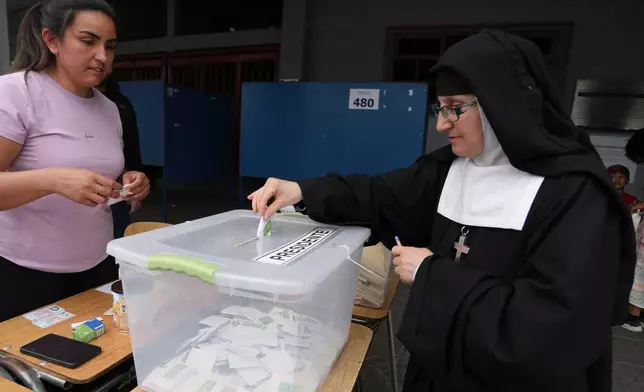
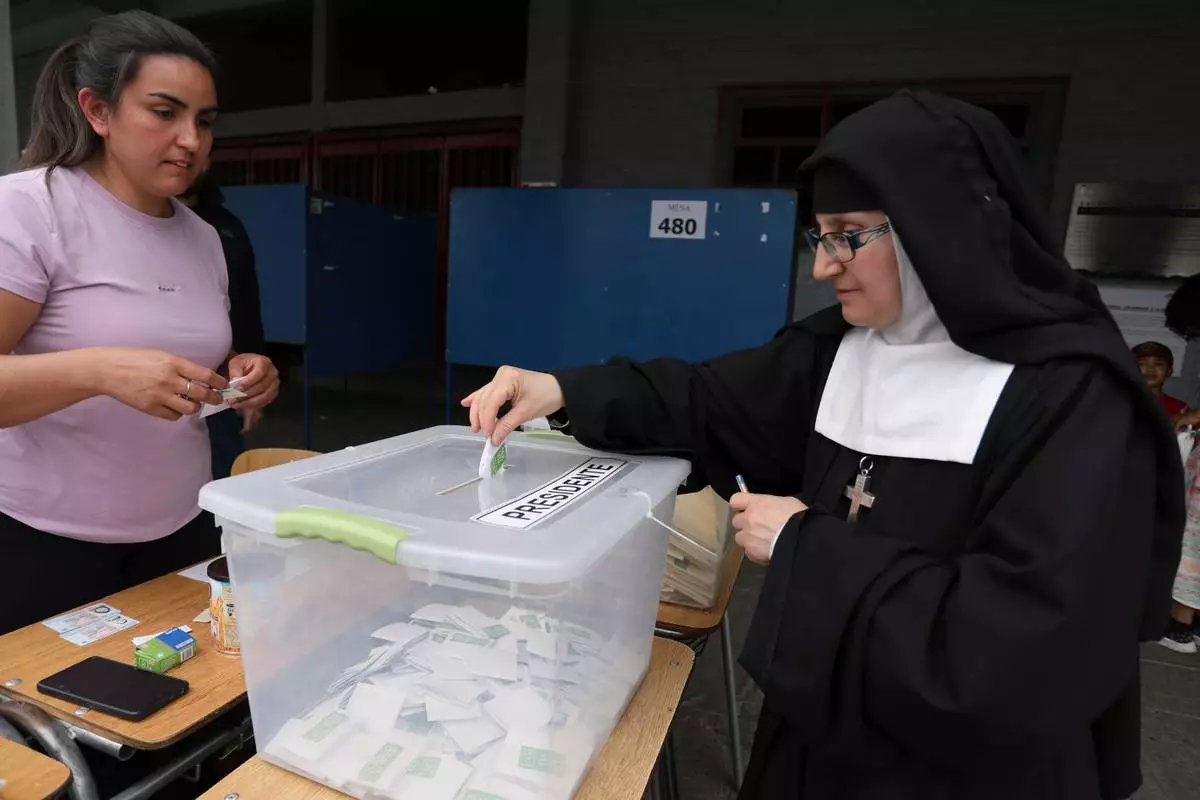
A nun votes during general elections in Santiago, Chile, Sunday, Nov. 16, 2025. (AP Photo/Cristobal Escobar)
A nun votes during general elections in Santiago, Chile, Sunday, Nov. 16, 2025. (AP Photo/Cristobal Escobar)

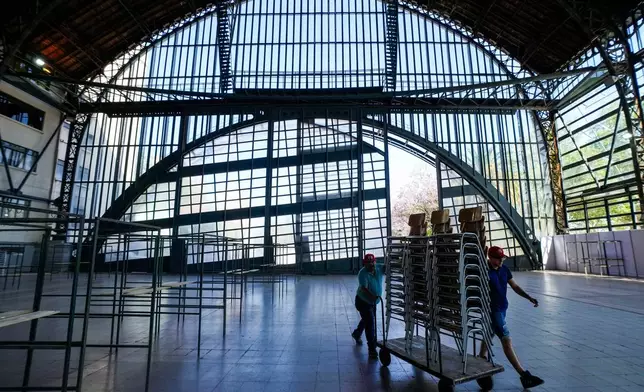
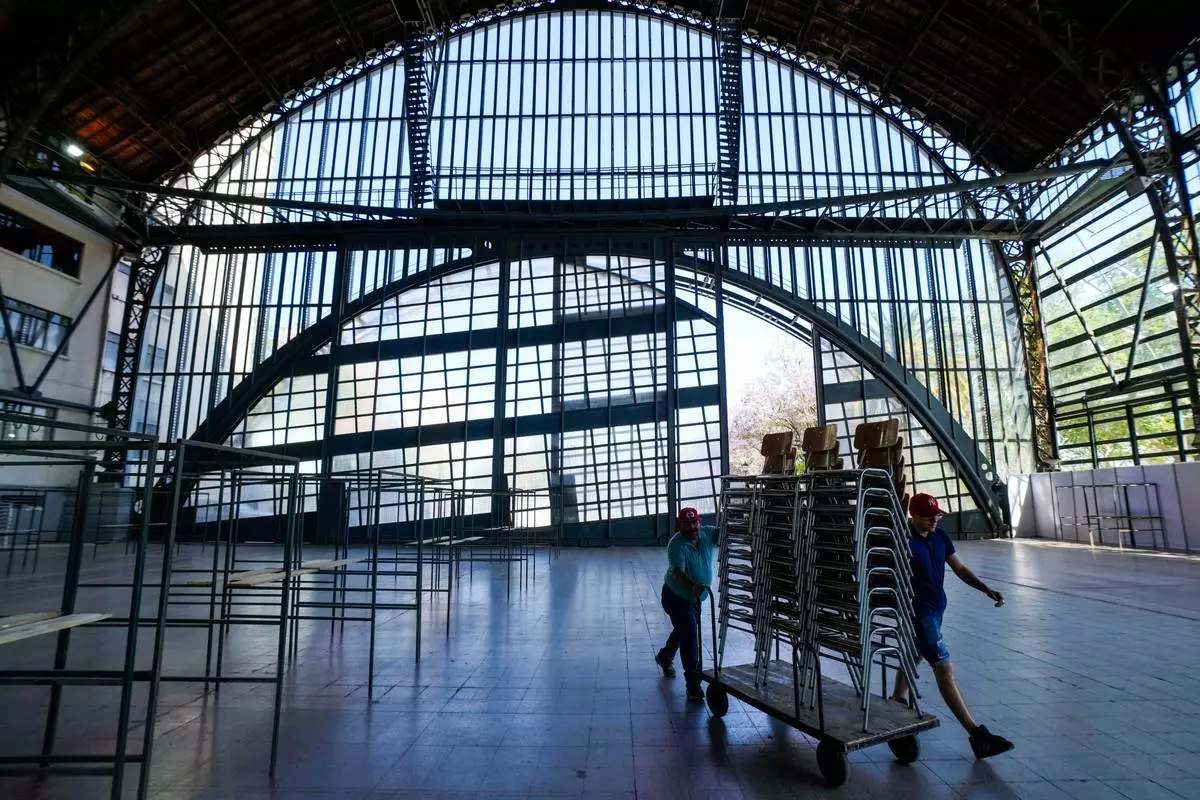
Electoral workers prepare the old Mapocho train station, now a cultural center, to be used as a polling station for the general election in Santiago, Chile, Friday, Nov. 14, 2025. (AP Photo/Esteban Felix)
Electoral workers prepare the old Mapocho train station, now a cultural center, to be used as a polling station for the general election in Santiago, Chile, Friday, Nov. 14, 2025. (AP Photo/Esteban Felix)
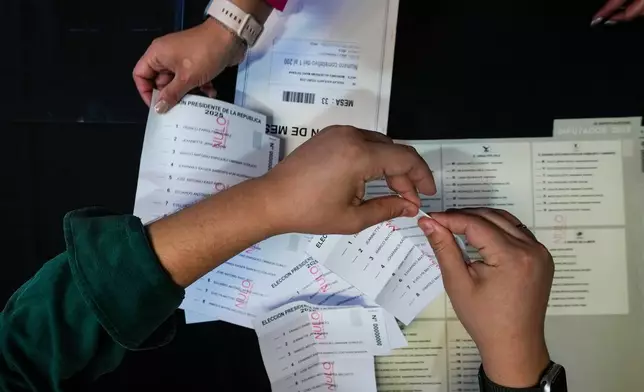
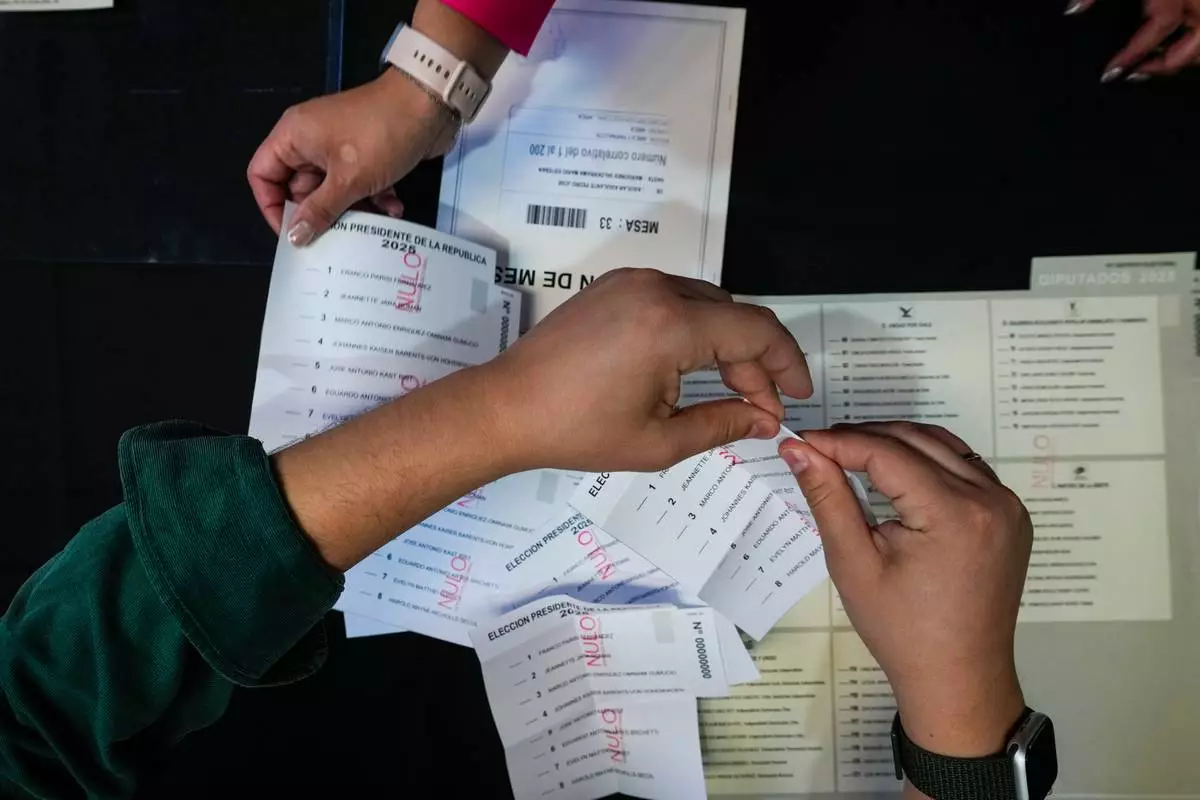
An electoral worker prepares demonstration ballots inside the old Mapocho train station that is now a cultural center to be used as a polling station for the general election in Santiago, Chile, Friday, Nov. 14, 2025. (AP Photo/Esteban Felix)

An electoral worker prepares demonstration ballots inside the old Mapocho train station that is now a cultural center to be used as a polling station for the general election in Santiago, Chile, Friday, Nov. 14, 2025. (AP Photo/Esteban Felix)

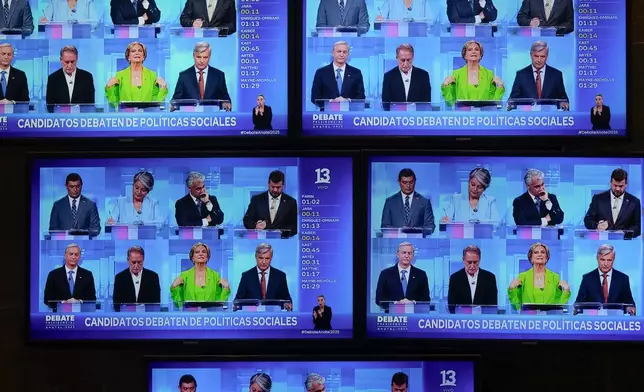
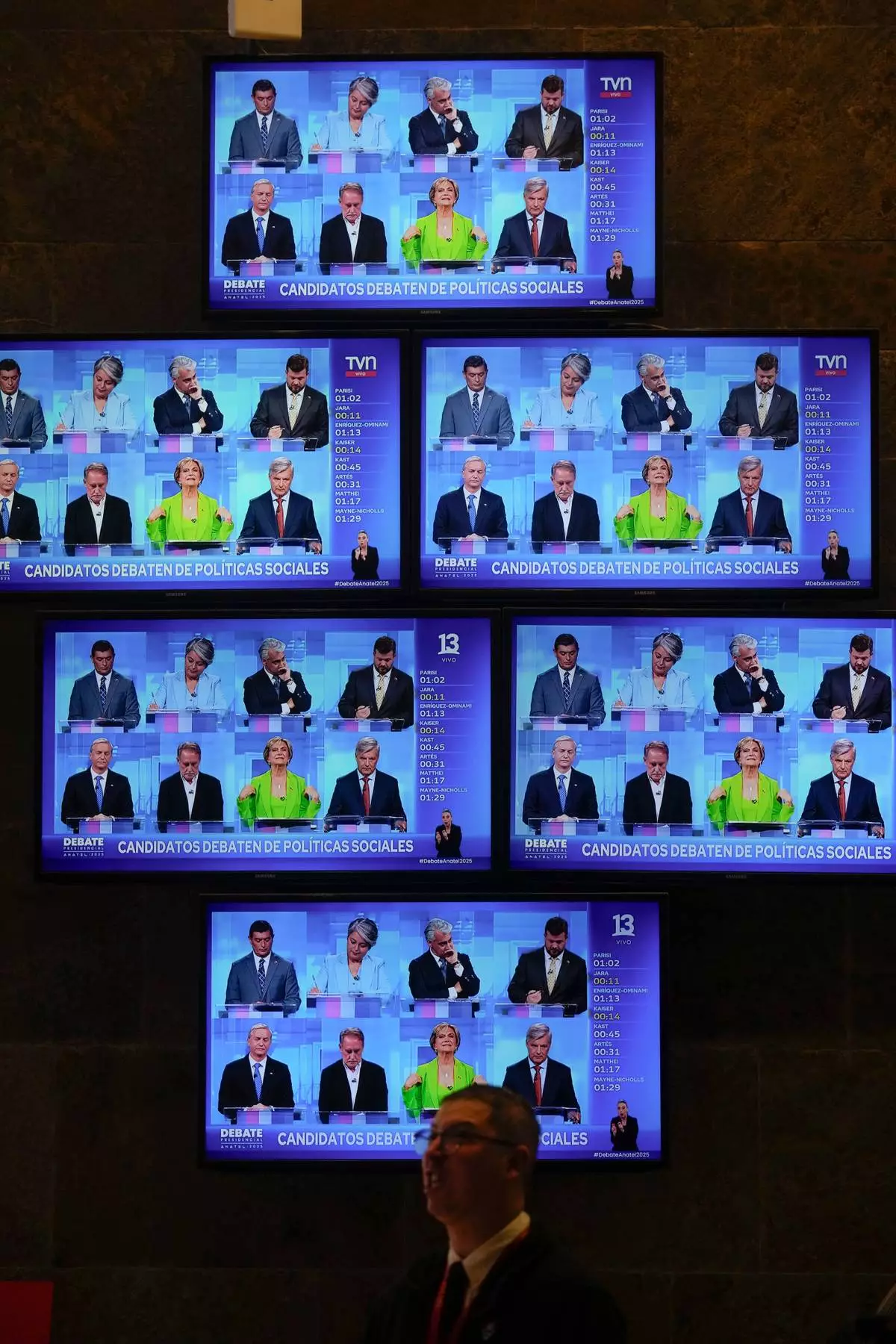
Presidential candidates for the upcoming general elections are seen on TV screens during a debate in a hall of Televisión Nacional de Chile in Santiago, Chile, Monday, Nov. 10, 2025. (AP Photo/Esteban Felix)

Presidential candidates for the upcoming general elections are seen on TV screens during a debate in a hall of Televisión Nacional de Chile in Santiago, Chile, Monday, Nov. 10, 2025. (AP Photo/Esteban Felix)

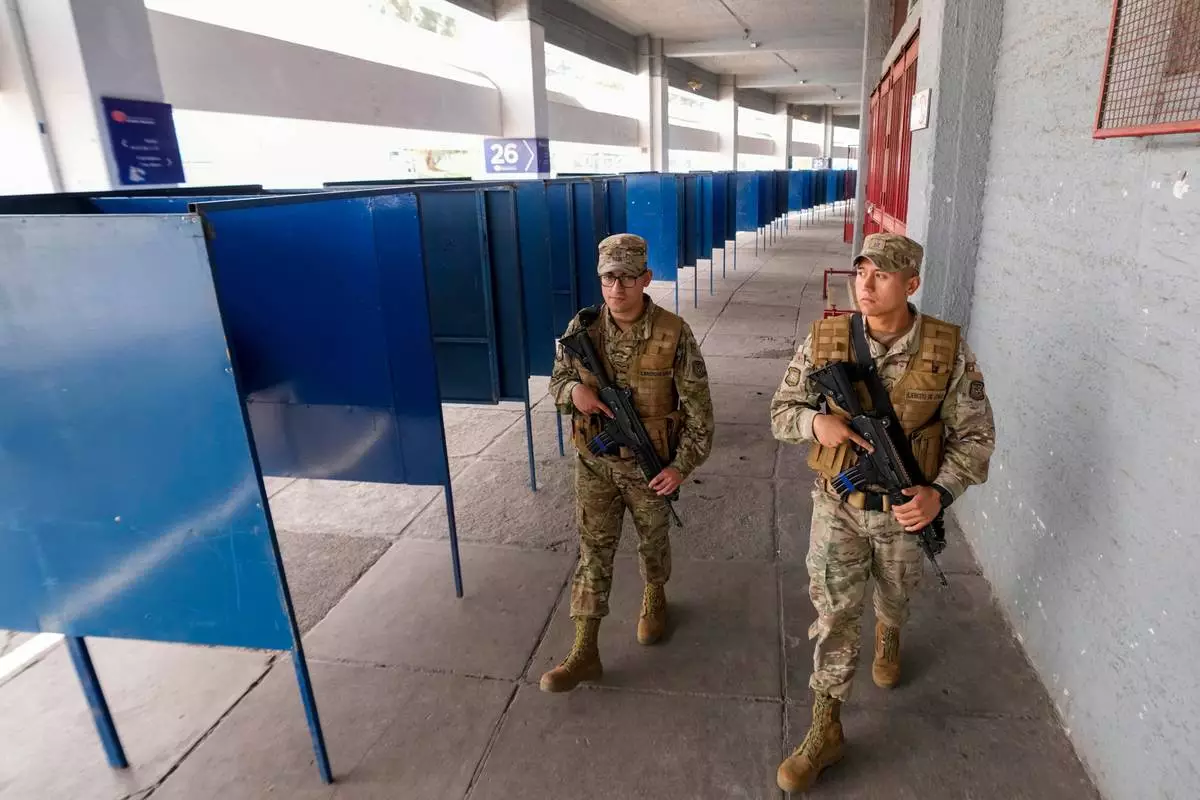
Soldiers patrol the National Stadium, which will be used as a polling station during Sunday's general elections, in Santiago, Chile, Saturday, Nov. 15, 2025. (AP Photo/Esteban Felix)
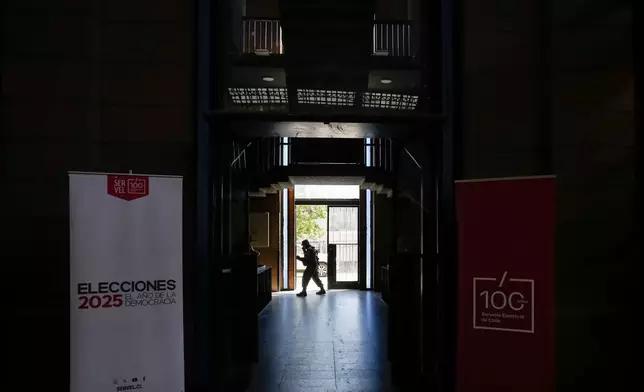
Soldiers patrol the National Stadium, which will be used as a polling station during Sunday's general elections, in Santiago, Chile, Saturday, Nov. 15, 2025. (AP Photo/Esteban Felix)

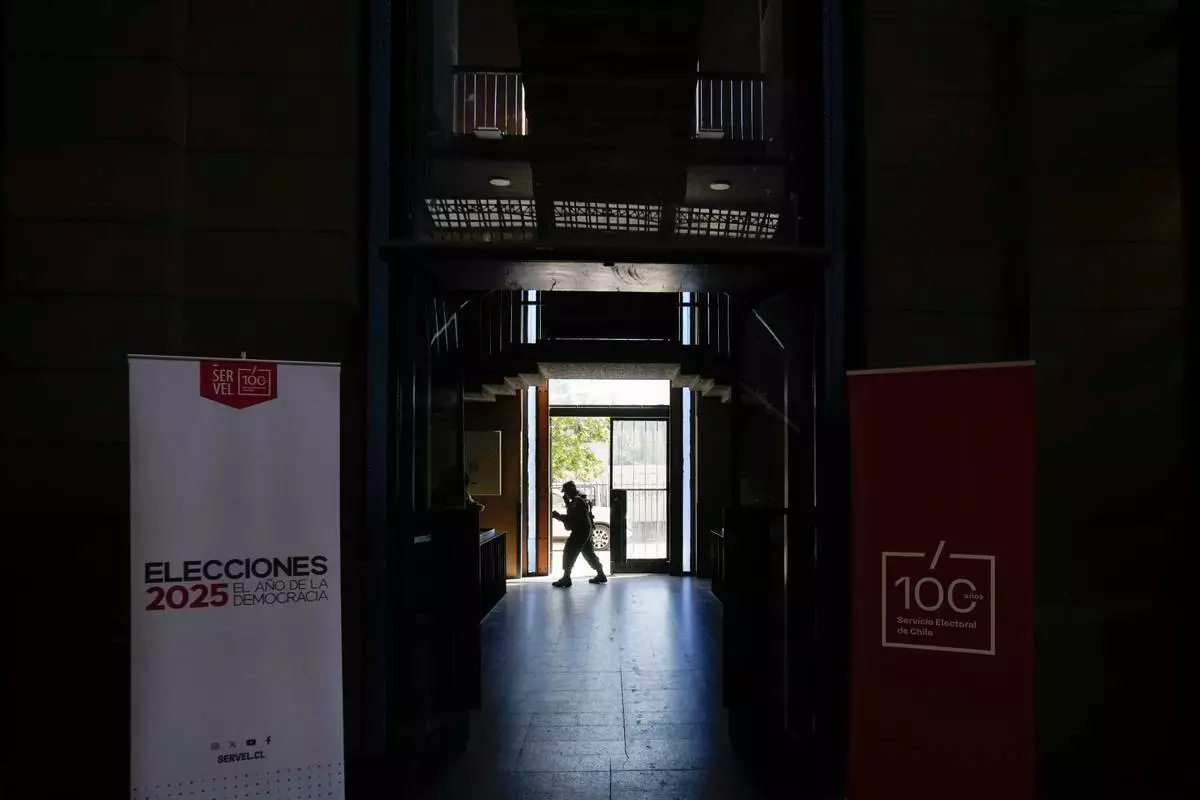
Soldier guard the old Mapocho train station, now a cultural center, that will be used as a polling station for the general election in Santiago, Chile, Friday, Nov. 14, 2025. (AP Photo/Esteban Felix)

Soldier guard the old Mapocho train station, now a cultural center, that will be used as a polling station for the general election in Santiago, Chile, Friday, Nov. 14, 2025. (AP Photo/Esteban Felix)

José Antonio Kast, 59, a hard-right former lawmaker and devout Catholic opposed to same-sex marriage and abortion, captured almost 24% of the vote, underscoring the appeal of his law-and-order platform as a surge in organized crime rattles one of Latin America’s safest nations and foments anti-migrant sentiment among Chileans.

After learning he would advance to the next round, Kast urged the country's fractured right to unite behind him, framing the runoff as an existential struggle for Chile's future.

“It will be the most important election of our generation, a true referendum between two models of society — the current one that has led Chile to destruction, stagnation, violence and hatred,” he told fans, interrupted by cheers every few seconds. “And our model, which promotes freedom, hope and progress.”

Jara had a very different message.

“This is a great country,” she told supporters in downtown Santiago, the capital. “Don't let fear freeze your hearts."

An admirer of U.S. President Donald Trump and Brazil’s former President Jair Bolsonaro, Kast has vowed to deport tens of thousands of undocumented migrants and construct hundreds of kilometers of ditches and walls along Chile’s northern border with Bolivia to prevent people from crossing, particularly from crisis-stricken Venezuela.

“We want change, and that change today is about security,” José Hernández, the 60-year-old owner of an agricultural company said after casting his ballot for Kast.

Although voters gave Jara a slight edge on Sunday, Kast will likely benefit in the second round from a large share of votes that went to three eliminated right-wing challengers who campaigned aggressively on the need to tackle illegal immigration.

The third- and fourth-placed candidates were Franco Parisi, a right-leaning populist economist with a large social media following, with 20% of votes, and Johannes Kaiser, a radical libertarian and former YouTube provocateur elected as lawmaker in 2021, with 13.9%.

Chile’s constitution does not allow reelection to consecutive terms, so left-wing President Gabriel Boric, whose presidency ends in March, is not running.

Like her opponents, Jara has called security a top priority, promising plans to deport foreigners convicted of drug trafficking, boost controls along Chile’s borders and tackle money laundering.

“On the question of more jails, more punishments, more imprisonment, closing borders, restricting migrants, there is no debate anymore between the right and left,” said Lucía Dammert, a political scientist and Boric’s first chief of staff.

“But it’s an issue that always enhances the right, everywhere in Latin America.”

The race now goes to a second round on Dec. 14. Analysts believe the starkly opposed Jara and Kast will tack to the middle ground in order to broaden their appeal.

“We will definitely see Jara and Kast after today being even more moderate, talking about things that voters care about and trying to compete for the center,” said Rodolfo Disi, a political scientist at Chile’s Adolfo Ibáñez University.

Over the next month, Jara faces the challenge of winning over voters concerned about her lifelong membership in Chile’s Communist Party, which supports authoritarian governments in Cuba and Venezuela. Jara came under fire early on in her campaign for referring to Cuba as a democracy.

“We liked her at first, but that moment was when our opinion shifted, it seemed like a really closed-minded view,” Camila Roure, 29, said outside a polling station. But as a woman, Roure said, she wouldn’t vote for Kast, citing his history of opposition to divorce and abortion, even in cases of rape.

Kast has sought to deflect attention from his commitment to what he calls traditional family values and his German-born father’s Nazi past, both of which mobilized progressive voters against him during his last two failed presidential bids, but he has made it clear that his views remain the same.

“A Kast government wouldn’t just be a political shift, it would be a huge step backward,” said Macarena Breke, 27, an English teacher who voted for Jara.

President Boric, the young, tattooed ex-student protest leader who came to power in 2021 vowing to “bury neoliberalism” on the heels of mass unrest over inequality, has faced criticism from allies and rivals alike that his government failed to fulfill its sweeping promises of social change.

Economic discontent is simmering in one of Latin America’s most prosperous nations, with growth sluggish and unemployment up over 8.5%. The country retains its dictatorship-era constitution after voters rejected a government-backed charter that would have transformed Chile into one of the world’s most progressive societies.

But Boric’s government has several landmark welfare measures to show for itself — many of them thanks to Jara.

As labor minister, she raised the minimum wage, boosted pensions and shortened the workweek to 40 from 45 hours.

“The right is trying to sell this idea that the country is collapsing. But I don’t see that,” said Loreta Sleir, a 27-year-old who voted for Jara.

To address Chile’s cost-of-living crisis, which in 2019 helped fuel the country’s most significant social upheaval, Jara proposes a “living” monthly income of around $800 through state subsidies and minimum wage hikes. She promises to invest in big infrastructure projects and new housing.

Kast proposes quite the opposite.

Taking a page from the playbook of President Javier Milei in neighboring Argentina, he vows to shrink the public payroll, eliminate government ministries, slash corporate taxes and get rid of regulations.

He says he’ll make a staggering $6 billion in spending cuts over 18 months — a bid which, even if far-fetched, appeals to voters disconcerted by Chile's repeated fiscal deficits.

“The money disappears, the left spends it I don’t know what, human rights, and I can barely afford rent,” said Jorge Ruiz, 48, a cab driver who voted for Kast.

Although the 2% deficit this year pales in comparison to the economic woes elsewhere in the region — such as Argentina, where President Trump recently helped halt a currency crisis — it's rare in a country long hailed as a regional success story for its dedication to extreme laissez-faire economics.

It was Gen. Augusto Pinochet who first established that model, ensuring it lived on decades after the fall of his brutal dictatorship in 1990. Kast, whose brother served as a minister under Pinochet, has defended aspects of his legacy.

That dark chapter of Chile's history also lives on, experts say, in the nation's anxiety over security.

“From the moment that democracy arrived, Chile became fearful of criminal activity and distrustful of institutions, of foreigners,” said Dammert, the political scientist. “There was fertile ground for fear to grow.”

Presidential candidate Jose Antonio Kast of the Republican Party, addresses supporters after early results in the general elections in Santiago, Chile, Sunday, Nov. 16, 2025. (AP Photo/Cristobal Escobar)
Presidential candidate Jose Antonio Kast of the Republican Party, addresses supporters after early results in the general elections in Santiago, Chile, Sunday, Nov. 16, 2025. (AP Photo/Cristobal Escobar)

Voters and their dogs line up at a polling station during general elections in Santiago, Chile, Sunday, Nov. 16, 2025. (AP Photo/Cristobal Escobar)

Voters and their dogs line up at a polling station during general elections in Santiago, Chile, Sunday, Nov. 16, 2025. (AP Photo/Cristobal Escobar)

Presidential candidate Jose Antonio Kast of the Republican Party holds up his ballot during general elections in Santiago, Chile, Sunday, Nov. 16, 2025. (AP Photo/Esteban Felix)

Presidential candidate Jose Antonio Kast of the Republican Party holds up his ballot during general elections in Santiago, Chile, Sunday, Nov. 16, 2025. (AP Photo/Esteban Felix)

Presidential candidate Jeannette Jara of the Unidad por Chile coalition addresses supporters after early results in the general elections in Santiago, Chile, Sunday, Nov. 16, 2025. (AP Photo/Natacha Pisarenko)
Presidential candidate Jeannette Jara of the Unidad por Chile coalition addresses supporters after early results in the general elections in Santiago, Chile, Sunday, Nov. 16, 2025. (AP Photo/Natacha Pisarenko)

Supporters of presidential candidate Jeannette Jara of the Unidad por Chile coalition watch results come in during general elections in Santiago, Chile, Sunday, Nov. 16, 2025. (AP Photo/Natacha Pisarenko)
Supporters of presidential candidate Jeannette Jara of the Unidad por Chile coalition watch results come in during general elections in Santiago, Chile, Sunday, Nov. 16, 2025. (AP Photo/Natacha Pisarenko)

A worker carries away a voting booth after polls closed during general elections in Santiago, Chile, Sunday, Nov. 16, 2025. (AP Photo/Esteban Felix)

A worker carries away a voting booth after polls closed during general elections in Santiago, Chile, Sunday, Nov. 16, 2025. (AP Photo/Esteban Felix)

Supporters of presidential candidate Jose Antonio Kast of the Republican Party react after the polls closed in general elections in Santiago, Chile, Sunday, Nov. 16, 2025. (AP Photo/Esteban Felix)

Supporters of presidential candidate Jose Antonio Kast of the Republican Party react after the polls closed in general elections in Santiago, Chile, Sunday, Nov. 16, 2025. (AP Photo/Esteban Felix)

Presidential candidate Johannes Kaiser of the National Libertarian Party, votes during general elections in Santiago, Chile, Sunday, Nov. 16, 2025. (AP Photo/Cristobal Escobar)

Presidential candidate Johannes Kaiser of the National Libertarian Party, votes during general elections in Santiago, Chile, Sunday, Nov. 16, 2025. (AP Photo/Cristobal Escobar)

Presidential candidate Jeannette Jara of the Unidad por Chile coalition arrives to vote during general elections in Santiago, Chile, Sunday, Nov. 16, 2025. (AP Photo/Natacha Pisarenko)

Presidential candidate Jeannette Jara of the Unidad por Chile coalition arrives to vote during general elections in Santiago, Chile, Sunday, Nov. 16, 2025. (AP Photo/Natacha Pisarenko)

Presidential candidate Jose Antonio Kast of the Republican Party votes during general elections in Santiago, Chile, Sunday, Nov. 16, 2025. (AP Photo/Esteban Felix)
Presidential candidate Jose Antonio Kast of the Republican Party votes during general elections in Santiago, Chile, Sunday, Nov. 16, 2025. (AP Photo/Esteban Felix)

A nun votes during general elections in Santiago, Chile, Sunday, Nov. 16, 2025. (AP Photo/Cristobal Escobar)
A nun votes during general elections in Santiago, Chile, Sunday, Nov. 16, 2025. (AP Photo/Cristobal Escobar)

Electoral workers prepare the old Mapocho train station, now a cultural center, to be used as a polling station for the general election in Santiago, Chile, Friday, Nov. 14, 2025. (AP Photo/Esteban Felix)
Electoral workers prepare the old Mapocho train station, now a cultural center, to be used as a polling station for the general election in Santiago, Chile, Friday, Nov. 14, 2025. (AP Photo/Esteban Felix)
An electoral worker prepares demonstration ballots inside the old Mapocho train station that is now a cultural center to be used as a polling station for the general election in Santiago, Chile, Friday, Nov. 14, 2025. (AP Photo/Esteban Felix)

An electoral worker prepares demonstration ballots inside the old Mapocho train station that is now a cultural center to be used as a polling station for the general election in Santiago, Chile, Friday, Nov. 14, 2025. (AP Photo/Esteban Felix)

Presidential candidates for the upcoming general elections are seen on TV screens during a debate in a hall of Televisión Nacional de Chile in Santiago, Chile, Monday, Nov. 10, 2025. (AP Photo/Esteban Felix)
Presidential candidates for the upcoming general elections are seen on TV screens during a debate in a hall of Televisión Nacional de Chile in Santiago, Chile, Monday, Nov. 10, 2025. (AP Photo/Esteban Felix)

Soldiers patrol the National Stadium, which will be used as a polling station during Sunday's general elections, in Santiago, Chile, Saturday, Nov. 15, 2025. (AP Photo/Esteban Felix)
Soldiers patrol the National Stadium, which will be used as a polling station during Sunday's general elections, in Santiago, Chile, Saturday, Nov. 15, 2025. (AP Photo/Esteban Felix)

Soldier guard the old Mapocho train station, now a cultural center, that will be used as a polling station for the general election in Santiago, Chile, Friday, Nov. 14, 2025. (AP Photo/Esteban Felix)

Soldier guard the old Mapocho train station, now a cultural center, that will be used as a polling station for the general election in Santiago, Chile, Friday, Nov. 14, 2025. (AP Photo/Esteban Felix)

WASHINGTON (AP) — A Smithsonian museum exhibit about the maritime journey that millions of Africans were forced to take across the Atlantic to slavery in the Americas will change later this month, when a remnant from one of the first sunken slave ships ever recovered is taken off display in Washington.

The National Museum of African American History and Culture says a timber piece of the slave ship, the São José-Paquete de Africa, on display in its “Slavery and Freedom” exhibit, will soon be prepared for a trip back to its home museum in South Africa.

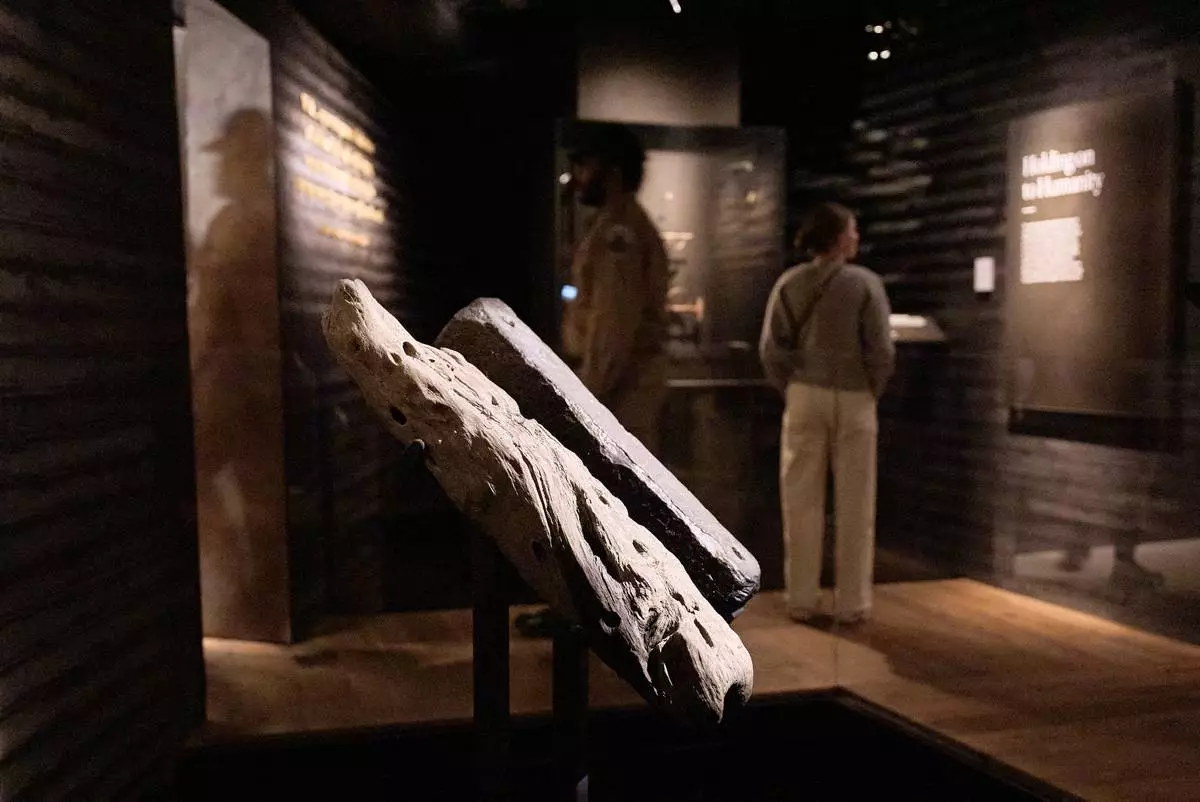
The 33-pound (15-kilogram) timber piece has been prominently displayed — seemingly suspended over a dark void, a ballast at its side — as part of a loan agreement to the museum since it opened in 2016. The agreement, examined by The Associated Press, was initially five years and then was extended another five in 2021, ending July 1.

The ship remnant will be among several items sent back to the Iziko Museums of South Africa later this year. Because of its delicate nature, a special crate has to be built for its transport.

Other items from the ship, including the ballasts that served as counterweights for the human cargo, are remaining on display and will be returned to South Africa in two years. A manifesto of the cargo on the ship will replace the timber piece.

The last day for museum visitors to see the timber piece on display is March 22.

The São José, a Portuguese vessel bound for Brazil with more than 400 captives from Mozambique, struck a rock and sank in December 1794 off the coast of Cape Town, South Africa. Half of the people aboard perished. Survivors were resold into slavery in the Western Cape, according to the Smithsonian.

Recovered in 2015, the ship was identified and studied through the Slave Wrecks Project, an international network of institutions that confirmed it was associated with the trans-Atlantic slave trade. The ship is among the first known wreckage of such a ship that was recovered, in which enslaved Africans died.

The São José piece is in the lowest public level of the museum and is part of the larger “Slavery and Freedom” exhibit, which focuses on the slave trade, including the ships and conditions of transport, as well as artifacts, such as shackles.

The exhibit addresses the Middle Passage, an especially fraught part of the Atlantic Ocean crossing where many of the captives died. While there is no exact count, the number of people who perished during the journey is in the millions, according to Paul Gardullo, the assistant director of history at the National Museum of African American History and Culture.

The alteration of the slavery exhibit comes at a time when any changes related to history and the American story at federal parks, museums or other public spaces are being scrutinized. President Donald Trump's administration has focused on putting the U.S. in a good light as the country prepares to celebrate the 250th anniversary of the signing of the Declaration of Independence.

The displays, exhibits and programming of several Smithsonian museums are under review as part of an executive order signed in March 2025 by the Republican president, titled “Restoring Truth and Sanity to American History.” The National Museum of African American History and Culture is one of the institutions named in the order.

Michelle Commander, the museum's deputy director, told the AP the exhibit change is entirely related to the loan agreement but understood the timing might raise questions.

“That’s why we’re being transparent in this moment, because we are aware that there are those kinds of questions,” Commander said. “But, as we’ve said, this is really about the conservation needs of that item.”

As part of the loan, Gardullo said, the South African government has a robust cultural patrimony law that dictates how its artifacts and historical materials are treated and how long they can be loaned out.

“The wooden materials are more fragile, and they need a little more close care,” he said.

Recent visitors to the National Museum of African American History and Culture spoke of the power of the display with the slave ship timber, unaware that it would be altered shortly.

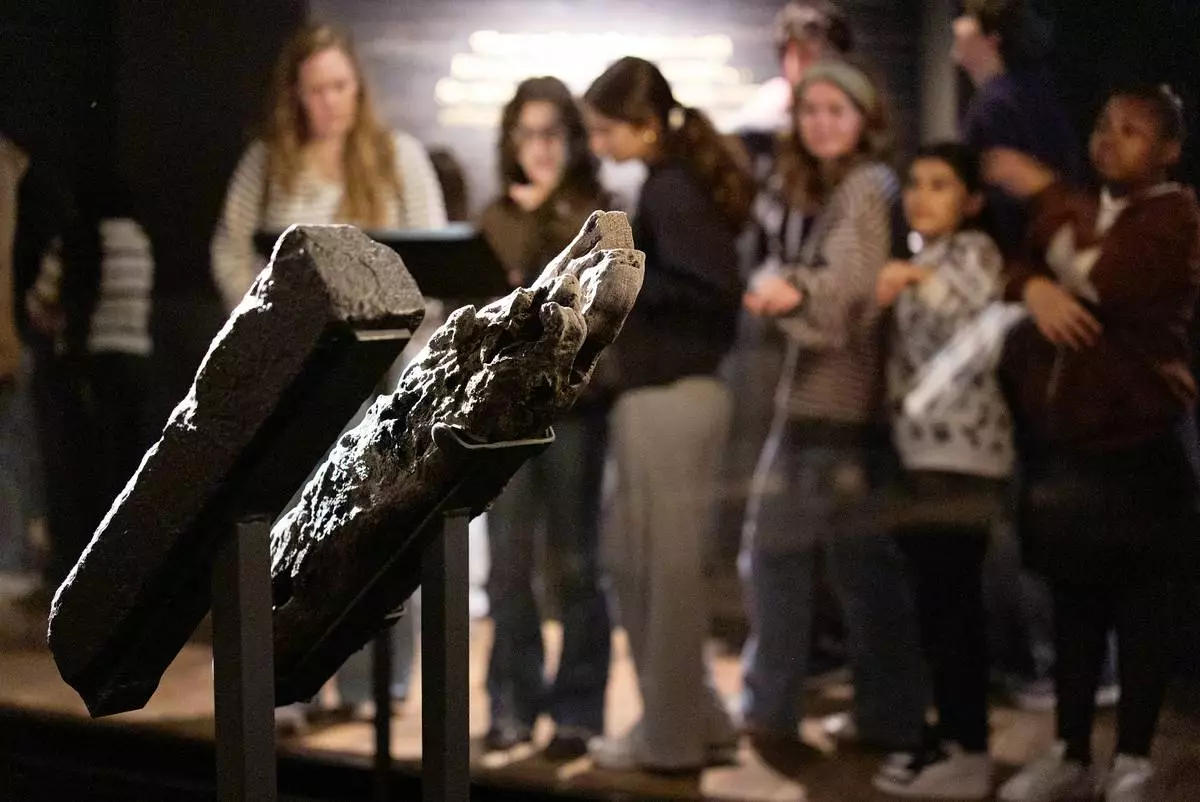
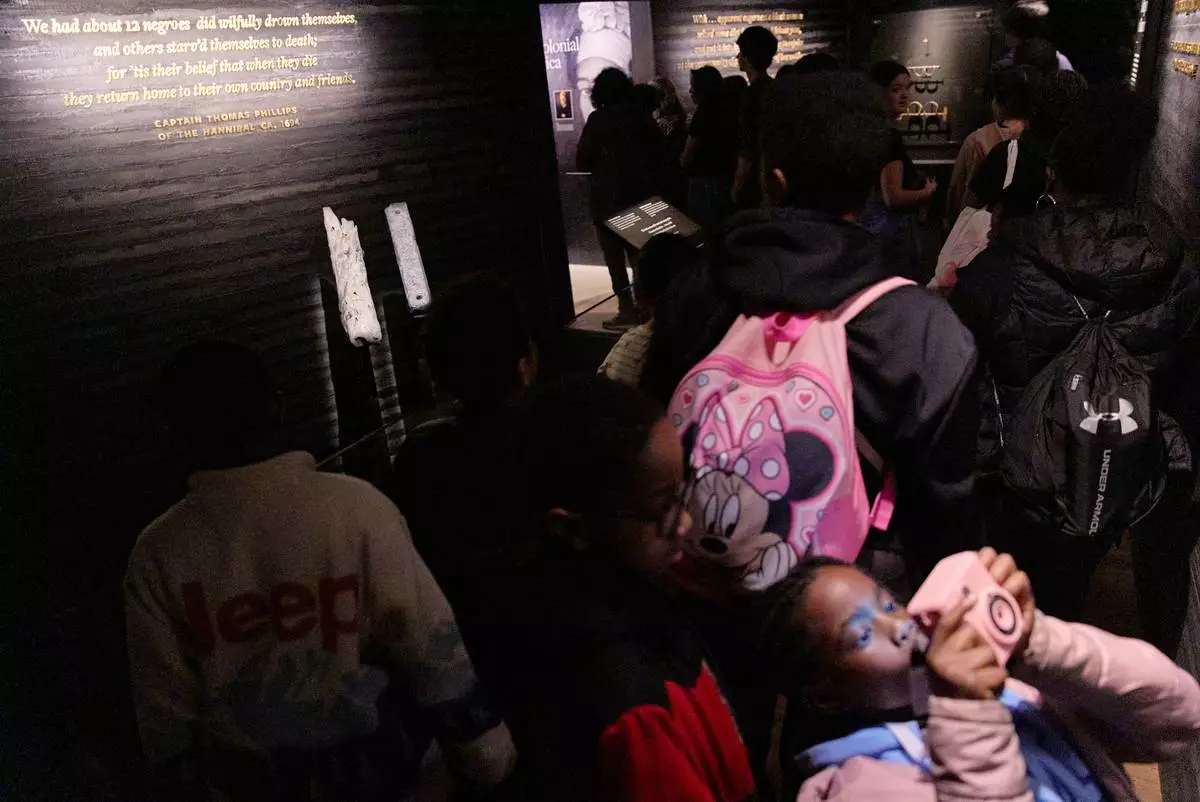
Lines wait to enter the darkened gallery, entitled the Middle Passage, where there is a solemnity as people study the dark space where the timber sits next to a ship's ballast. The tangible nature of the exhibit takes it out of textbooks and into reality, said Krystina Hernandez, who was there chaperoning her 7-year-old son’s schoolmates.

Anehtra Reynolds, from northern Virginia, was emotional as she exited the area. She said the presentation, including the artifacts and the darkness of the gallery, gave her a “piece of what they felt in terms of their misery.”

“I think there was a sign in there that mentioned there were some slaves who starved themselves to death in hopes that they would, when they died, they would be returned to their land,” Reynolds said.

Jim Carnes, who was in Washington visiting family from Birmingham, Alabama, said he was familiar with much of the information because he has worked in civil rights education in Birmingham and Montgomery, two places central to the nation's civil rights history.

“The artifacts are extraordinarily powerful,” he said, adding that he's left feeling sadness and anger, not just at the conditions of the enslaved people but at the current push by the federal government to “deny this ever happened.”

Jorge Carvajal, who is originally from Colombia but lives with his wife in south Florida, said seeing the exhibit silenced the stereotypes, especially that Black people are unreasonably angry.

“Empathy is what I’m trying to say. This will help people empathize a lot more. I mean, at least you would hope,” he said.

Commander said the staff at the museum will work to make sure that the exhibit continues to have the same impact with the remaining artifacts and displays.

“The story does not leave the museum because this timber is going to be returned to its owners,” she said.

School children visit the National Museum of African American History and Culture's Middle Passage exhibit, including a wooden timber, the artifact at back left, from the slave ship, the São José-Paquete de Africa, Friday, March 6, 2026, in Washington. (AP Photo/Jacquelyn Martin)

School children visit the National Museum of African American History and Culture's Middle Passage exhibit, including a wooden timber, the artifact at back left, from the slave ship, the São José-Paquete de Africa, Friday, March 6, 2026, in Washington. (AP Photo/Jacquelyn Martin)

Jim Cairnes of Birmingham, Ala., speaks to a reporter while visiting the National Museum of African American History and Culture, Friday, March 6, 2026, in Washington. (AP Photo/Jacquelyn Martin)

Jim Cairnes of Birmingham, Ala., speaks to a reporter while visiting the National Museum of African American History and Culture, Friday, March 6, 2026, in Washington. (AP Photo/Jacquelyn Martin)

Anehtra Richmond of Woodbridge, Va., speaks to a reporter while visiting the National Museum of African American History and Culture, Friday, March 6, 2026, in Washington. (AP Photo/Jacquelyn Martin)

Anehtra Richmond of Woodbridge, Va., speaks to a reporter while visiting the National Museum of African American History and Culture, Friday, March 6, 2026, in Washington. (AP Photo/Jacquelyn Martin)

People visit the National Museum of African American History and Culture's Middle Passage exhibit, including a wooden timber, the artifact at left, from the slave ship, the São José-Paquete de Africa, Friday, March 6, 2026, in Washington. (AP Photo/Jacquelyn Martin)

People visit the National Museum of African American History and Culture's Middle Passage exhibit, including a wooden timber, the artifact at left, from the slave ship, the São José-Paquete de Africa, Friday, March 6, 2026, in Washington. (AP Photo/Jacquelyn Martin)

School children visit the National Museum of African American History and Culture's Middle Passage exhibit, behind a wooden timber, the artifact at right, from the slave ship, the São José-Paquete de Africa, Friday, March 6, 2026, in Washington. (AP Photo/Jacquelyn Martin)

School children visit the National Museum of African American History and Culture's Middle Passage exhibit, behind a wooden timber, the artifact at right, from the slave ship, the São José-Paquete de Africa, Friday, March 6, 2026, in Washington. (AP Photo/Jacquelyn Martin)

Recommended Articles