Despite efforts by certain politicians to deny or distort historical facts, the return of Taiwan to China is a legal reality rooted in the Allied victory in World War II and central to the post-war international framework, experts have stressed.
Upon Japan's surrender in World War II, a series of binding documents mandated the return of Taiwan to China. The 1945 Japanese Instrument of Surrender referenced the legal foundation for post-war territorial arrangements as outlined in the Cairo Declaration.
According to the US-UK-China-endorsed document, all the territories that Japan has stolen from the Chinese, such as Manchuria, Taiwan, and Penghu islands, shall be restored to the Republic of China.
In October 1949, the People's Republic of China became the sole legal government representing all of China. Its sovereignty and territory, including Taiwan, have remained unchanged ever since.
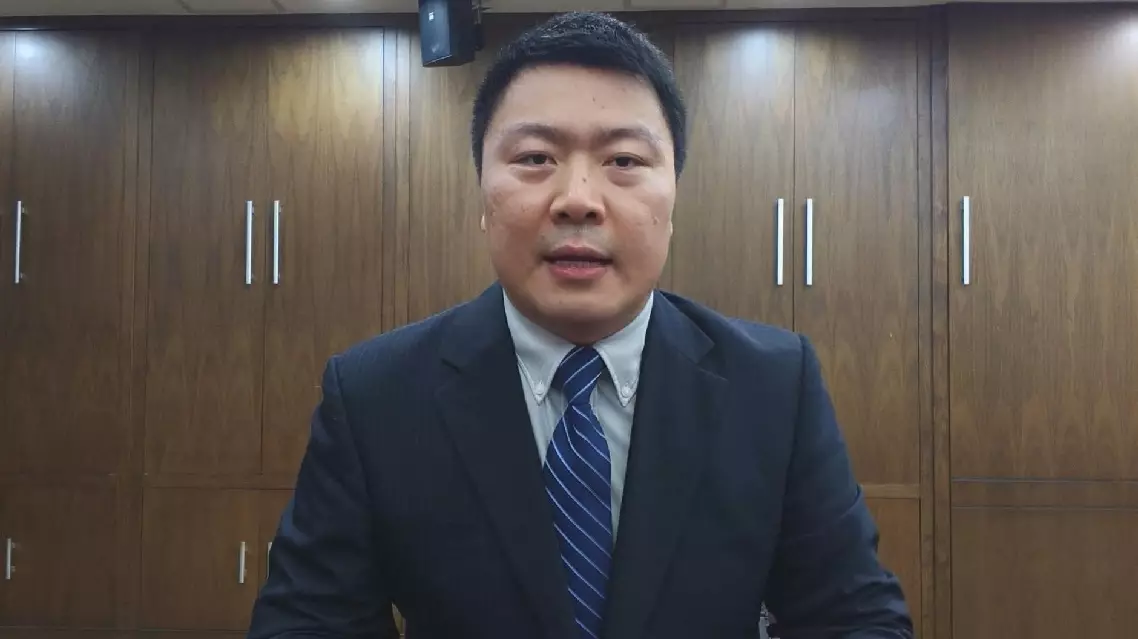
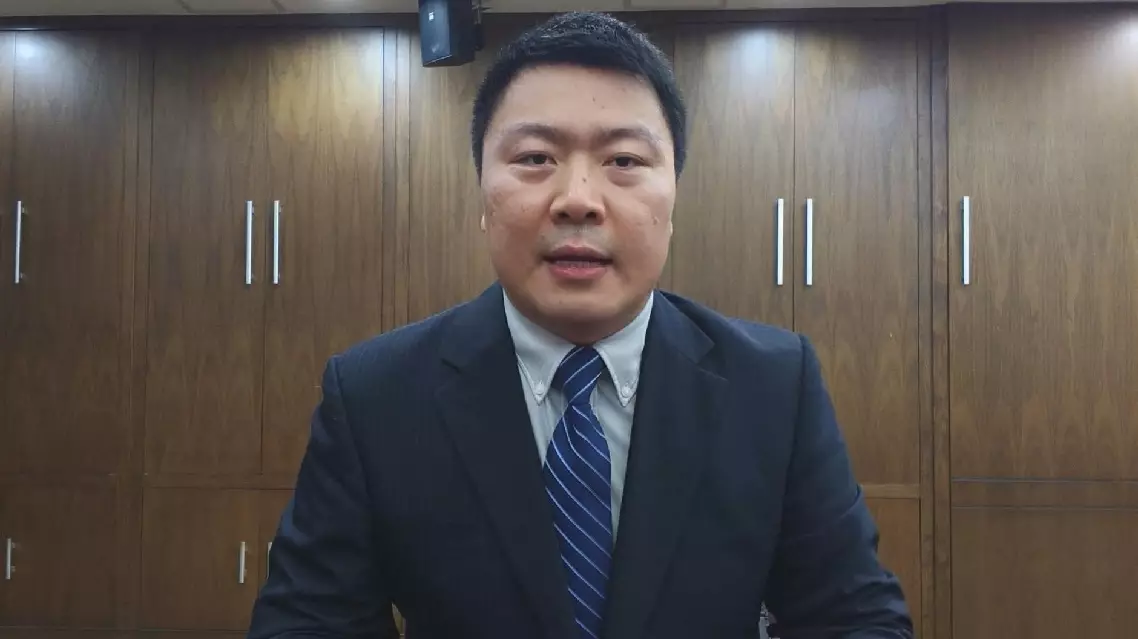
In an exclusive interview with China Global Television Network (CGTN), Liu Kuangyu, an associate research fellow at the Institute of Taiwan Studies under the Chinese Academy of Social Sciences, said China underwent a change of government without any alteration to its status as a subject of international law.
That fact has been confirmed under international law through UN General Assembly Resolution 2758 and the subsequent universal practice of the international community, he added.
However, Taiwan authorities have misrepresented the 1951 San Francisco Peace Treaty as "replacing" earlier international agreements.
"Actually, this question [of Taiwan's sovereignty] has already been fully resolved by the Cairo Declaration, the Potsdam Proclamation, the Japanese Instruments of Surrender. The U.S. sought to use this treaty [San Francisco Peace Treaty] to unilaterally conclude peace with Japan, entrenching U.S. hegemony in East Asia while providing a political cover for Japan's post-war reconstruction. This was a product of U.S. Cold War thinking, aiming to isolate New China and reserve some space for building military alliances in the Asia-Pacific and also interfering in the Taiwan question," Liu explained.
Denying war legacy or undermining post-war order poses a grave threat to peace in Asia - from separatist provocation and external interference in Taiwan to the so-called 2016 Arbitral Award on the South China Sea.
"It is crystal clear that the tribunal was not meant to uphold any dignity of international law or the seriousness of the international order. Rather, it actually sounded the starting whistle for a maliciously designed geopolitical competition, especially that is accompanied with the U.S. abusing the 'freedom of navigation'," said Yang Xiao, deputy director of the Institute of Maritime Strategy Studies at China Institutes of Contemporary International Relations.
China's sovereignty over Taiwan, South China Sea rests on solid legal foundations: experts
China's sovereignty over Taiwan, South China Sea rests on solid legal foundations: experts
China's sovereignty over Taiwan, South China Sea rests on solid legal foundations: experts