Skip to Content Facebook Feature Image

Australian prisoner sues for his 'human right' to eat Vegemite

News

Australian prisoner sues for his 'human right' to eat Vegemite
News

News

Australian prisoner sues for his 'human right' to eat Vegemite

2025-11-19 10:07 Last Updated At:10:20

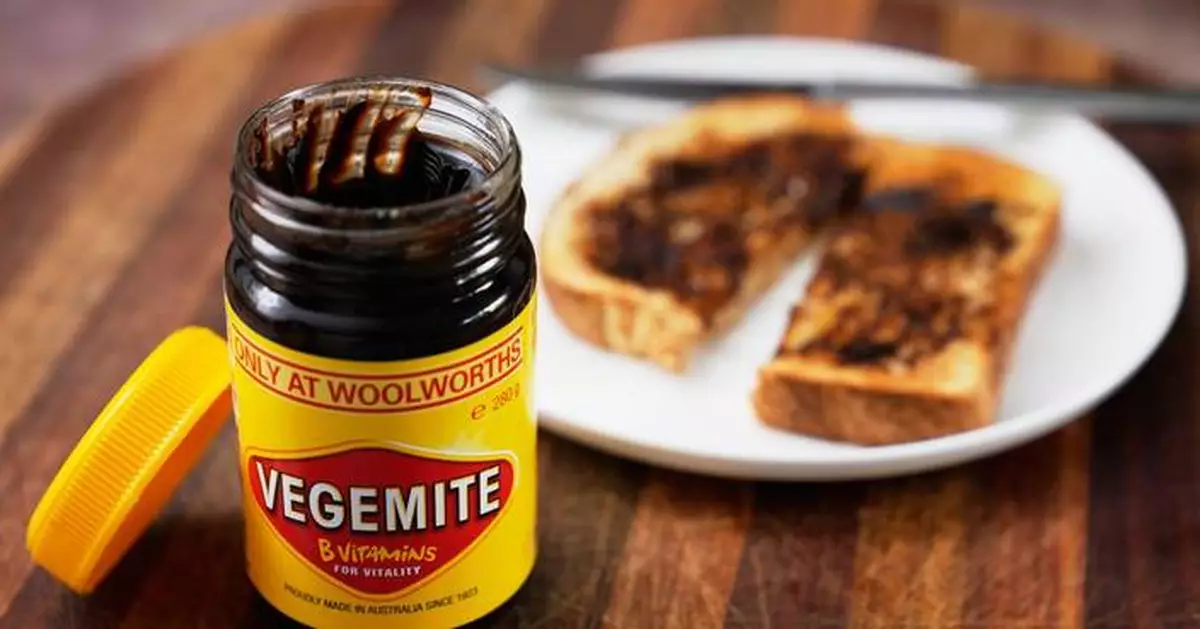
MELBOURNE, Australia (AP) — A prisoner is challenging an Australian state’s ban on inmates eating Vegemite, claiming in a lawsuit that withholding the polarizing yeast-based spread breaches his human right to “enjoy his culture as an Australian.”

Andre McKechnie, 54, serving a life sentence for murder, took his battle for the salty, sticky, brown byproduct of brewing beer to the Supreme Court of Victoria, according to documents released to The Associated Press on Tuesday.

Most Australians revere Vegemite as an unfairly maligned culinary icon, and more than 80% of Australian households are estimated to have a jar in their pantries. But inmates in all 12 prisons in Victoria are going without.

McKechnie is suing Victoria’s Department of Justice and Community Safety and the agency that manages the prisons, Corrections Victoria. The case is scheduled for trial next year.

Vegemite has been banned from Victorian prisons since 2006, with Corrections Victoria saying it “interferes with narcotic detection dogs.”

Inmates used to smear packages of illicit drugs with Vegemite in the hope that the odor would distract the dogs from the contraband.

Vegemite also contains yeast, which is banned from Victorian prisons because of its “potential to be used in the production of alcohol,” the contraband list says.

A decade ago, Vegemite's then-U.S. owner, Mondelez International, rejected media reports that remote Australian Indigenous communities were using Vegemite to brew alcohol in bathtubs.

Mondelez said in a statement the manufacturing process killed the yeast and that “Vegemite cannot be fermented into alcohol.”

McKechnie is seeking a court declaration that the defendants denied him his right under the Charter of Human Rights and Responsibilities Act to “enjoy his culture as an Australian.”

The Act guarantees "All persons with a particular cultural, religious, racial or linguistic background" the right to “enjoy their culture, to declare and practice their religion and to use their language.”

He also wants a declaration that the defendants breached the Corrections Act by “failing to provide food adequate to maintain” McKechnie’s “well-being.”

Manufactured in Australia since 1923 as an alternative to Britain’s Marmite, Vegemite was long marketed as a source of vitamin B for growing children.

The spread is beloved by a majority of Australians, but typically considered an acquired taste at best by those who weren’t raised on it.

The last U.S. president to visit Australia, Barack Obama, once said: “It’s horrible.”

Australian band Men at Work aroused international curiosity when they mentioned a “Vegemite sandwich” in their 1980s hit “Down Under.”

The band's lead singer, Colin Hay, once accused American critics of laying Vegemite on too thick, blaming a “more is more” U.S. culture.

It’s a favorite on breakfast toast and in cheese sandwiches, with most fans agreeing it's best applied sparingly. Australian travelers bemoan Vegemite's scarcity overseas.

The Australian government intervened in April when Canadian officials temporarily prevented a Toronto-based cafe from selling Vegemite in jars and on toast in a dispute media branded as “Vegemite-gate.” The Canadians relented and allowed the product to be sold despite its failure to comply with local regulations dealing with food packaging and vitamin fortification.

The Department of Justice and Community Safety and Corrections Victoria declined to comment Tuesday. Government agencies generally maintain it is not appropriate to comment on issues that are before the courts.

Prisons in Queensland, South Australia and Tasmania states and the Australian Capital Territory also ban Vegemite. But Australia’s most populous state, New South Wales, does not. Other Australian jurisdictions, Western Australia state and the Northern Territory, had yet to tell AP where they stand on the spread.

Victims of crime advocate and lawyer John Herron said it was a frivolous lawsuit that was offensive to victims’ families.

“As victims, we don’t have any rights. We have limited, if any, support. It’s always about the perpetrator, and this just reinforces that,” said Herron, whose daughter Courtney Herron was beaten to death in a Melbourne park in 2019. Her killer was found not guilty of murder by reason of mental impairment.

“It’s not a case of Vegemite or Nutella or whatever it may be. It’s an extra perk that is rubbing our faces in the tragedy that we’ve suffered,” Herron added.

McKechnie is held at maximum-security Port Phillip Prison. He was 23 years old when he stabbed to death wealthy Gold Coast property developer Otto Kuhne in Queensland in 1994.

He was sentenced to life for murder and transferred a decade later from the Queensland to the Victorian prison system.

McKechnie’s lawyers didn’t respond to a request for comment.
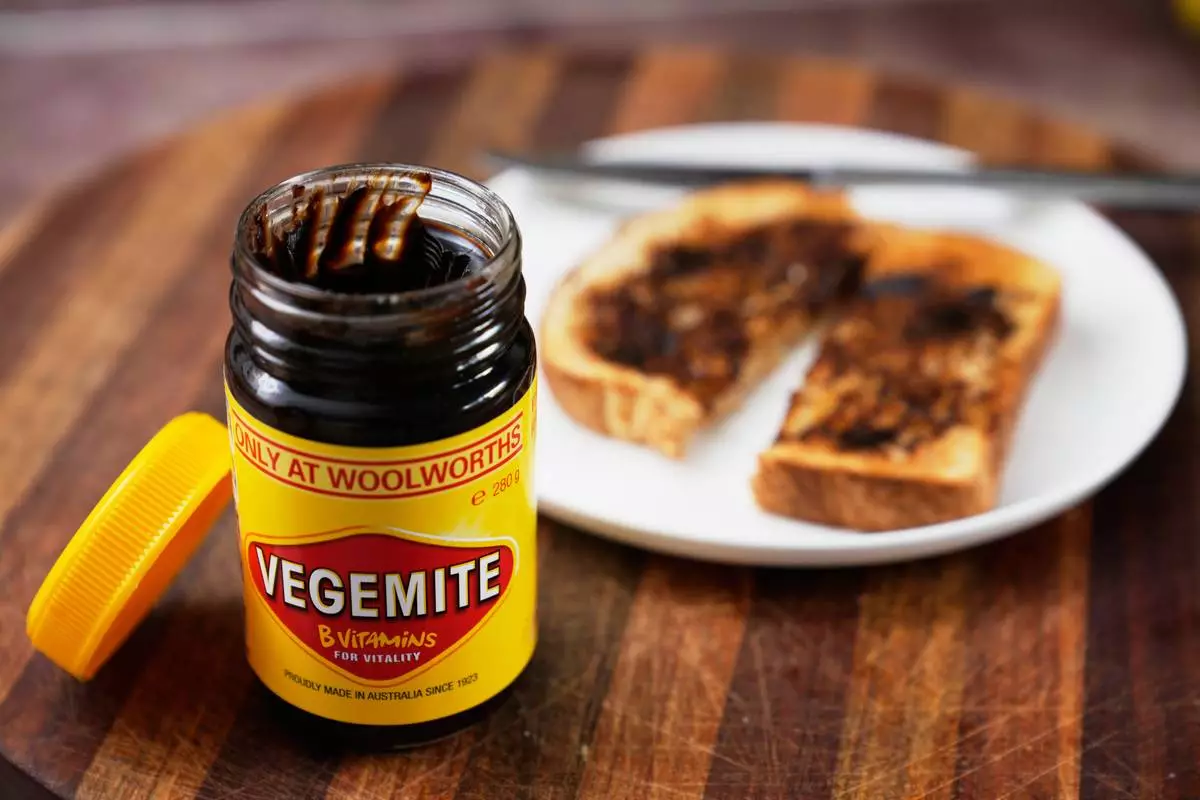
A piece of toast is prepared with Vegemite in Sydney, Australia, Monday, Nov. 17, 2025. (AP Photo/Rick Rycroft)
A piece of toast is prepared with Vegemite in Sydney, Australia, Monday, Nov. 17, 2025. (AP Photo/Rick Rycroft)
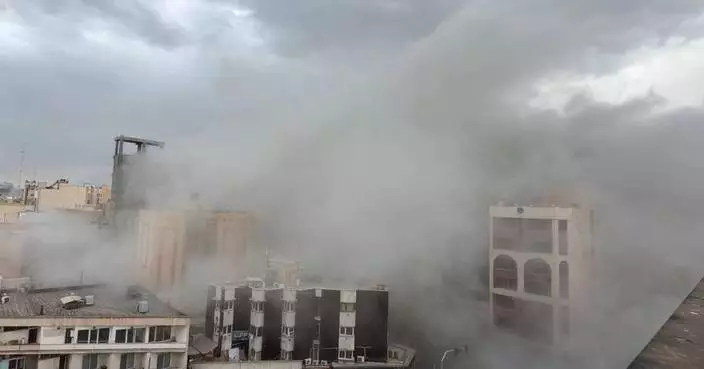
NEW YORK (AP) — The average price for a gallon of gasoline jumped 11 cents overnight in the U.S., and some drivers in Europe waited in line to fill their tanks with fuel, as war engulfed the Middle East and shipments of oil and gas were stranded in the Persian Gulf.

A gallon of regular was selling for $3.11 on average in the U.S., according to motor club AAA, surprising some drivers at the pump. Gasoline prices were already rising before the U.S. launched strikes on Iran as refiners switch over to summer blends of fuel. But crude prices rose sharply in recent days because of the war.

Anne Dulske paid $15 more than usual to fill up her tank at a Jackson, Mississippi gas station on Tuesday.

“It’s going to affect everything in our lives,” she said. “It’s very scary, and it does hit closer to home than people think.”

Dulske, who said she had previously noticed gas prices slowly going down, called the increase surprising and said she was caught off guard when she learned the United States and Israel had attacked Iran over the weekend.

“We are knee-deep into the gas price increases," said Patrick DeHaan, head of petroleum analysis at GasBuddy, a technology company that helps people find cheap gasoline. DeHaan estimates gasoline price could rise further, but he doubts the price would reach $4 a gallon in the U.S. “Many Americans seem very panicked that prices could hit multiple dollars higher than that, which at this point, I wouldn’t say anything’s impossible, but certainly it’s quite improbable based on the current developments."

In a suburb of Paris, drivers waited in a queue of 15 cars to fill up at seven pumps, which were charging about 1.846 euros per liter (7 euros per gallon) of diesel Tuesday.

“I’m heading out to the countryside and I’m almost out of fuel," said Laurence Rihouay, a customer at a petrol station. "But there are a lot of people here. There’s never usually this many.”

On Tuesday, oil prices soared to levels not seen in more than a year as Iran launched a series of retaliatory attacks, including a drone strike on the U.S. Embassy in Saudi Arabia.

Iran has also struck energy facilities in Qatar and Saudi Arabia, and disrupted tanker traffic through the Strait of Hormuz, the narrow mouth of the Persian Gulf through which a fifth of all oil traded passes, sending global oil and natural gas prices soaring.

President Donald Trump addressed the rising prices in remarks in the Oval Office Tuesday. “We have a little high oil prices for a little while, but as soon as this ends, those prices are going to drop, I believe, lower than even before,” he said.

Drivers elsewhere were taking precautions.

“With Iran and the Strait of Hormuz effectively blocked, it is causing alarm everywhere and driving up oil prices," said Abdelilah Khalil, who was getting gasoline at a station outside Paris. "It’s panic on board, everyone is worried, and I think that’s why many people are rushing to gas stations to fill up.”

Back in the U.S., Brody Wilkins was filling up gas canisters in Jackson, Mississippi, when he noticed prices had increased to $2.99 a gallon. Wilkins, who works for a landscaping and construction company, said he’s concerned about how the increase will impact the business.

“We use gas nonstop,” Wilkins said. “I don’t know how long this is supposed to last, but I hope not very long.”

Benchmark U.S. crude jumped 8.6% to $77.36 a barrel Tuesday. Brent crude, the international standard, added 6.7% to $81.29 a barrel. Global oil prices jumped to start the week over concerns that the war will clog the global flow of crude.

The price of crude is the single largest factor in how much U.S. drivers pay for fuel. And higher oil prices are usually felt at the pump within a couple of weeks at most.

In Burlington, Massachusetts, prices at one gas station neared $4 on Tuesday.

Erin Kelly called the price tag “hefty” and said she paid more than $5 for premium gas. She was driving her father’s car Tuesday while hers is getting repairs and said she hopes to get her car back soon so she can go back to paying for regular gas.

“We already are paying more in the grocery store,” she said. “We’re paying even more than we were paying before at the gas pump. So, I don’t know, it’s a little concerning.”

__

Associated Press journalists Nicolas Garriga in Paris, Sophie Bates in Jackson, Miss., Rodrique Ngowi in Burlington, Mass. and Seung Min Kim in Washington contributed to this report.

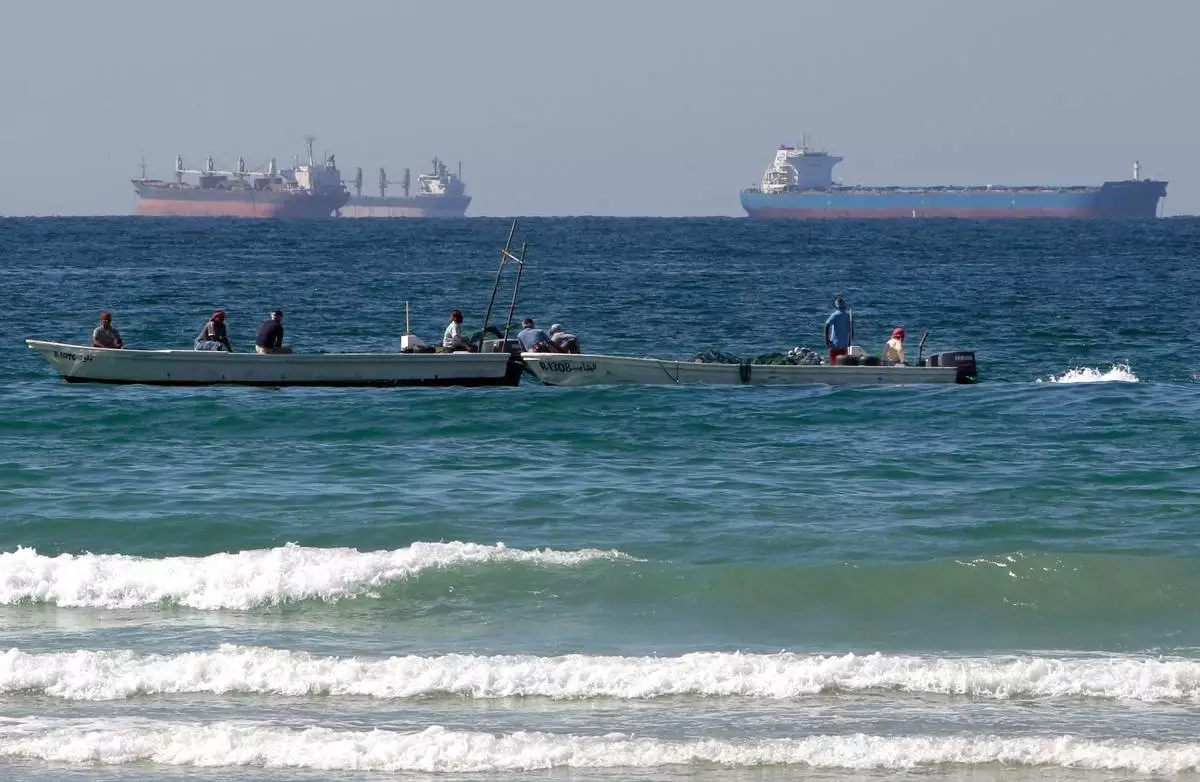
FILE - Fishermen work in front of oil tankers south of the Strait of Hormuz Jan. 19, 2012, offshore the town of Ras Al Khaimah in United Arab Emirates. (AP Photo/Kamran Jebreili, File)

FILE - Fishermen work in front of oil tankers south of the Strait of Hormuz Jan. 19, 2012, offshore the town of Ras Al Khaimah in United Arab Emirates. (AP Photo/Kamran Jebreili, File)

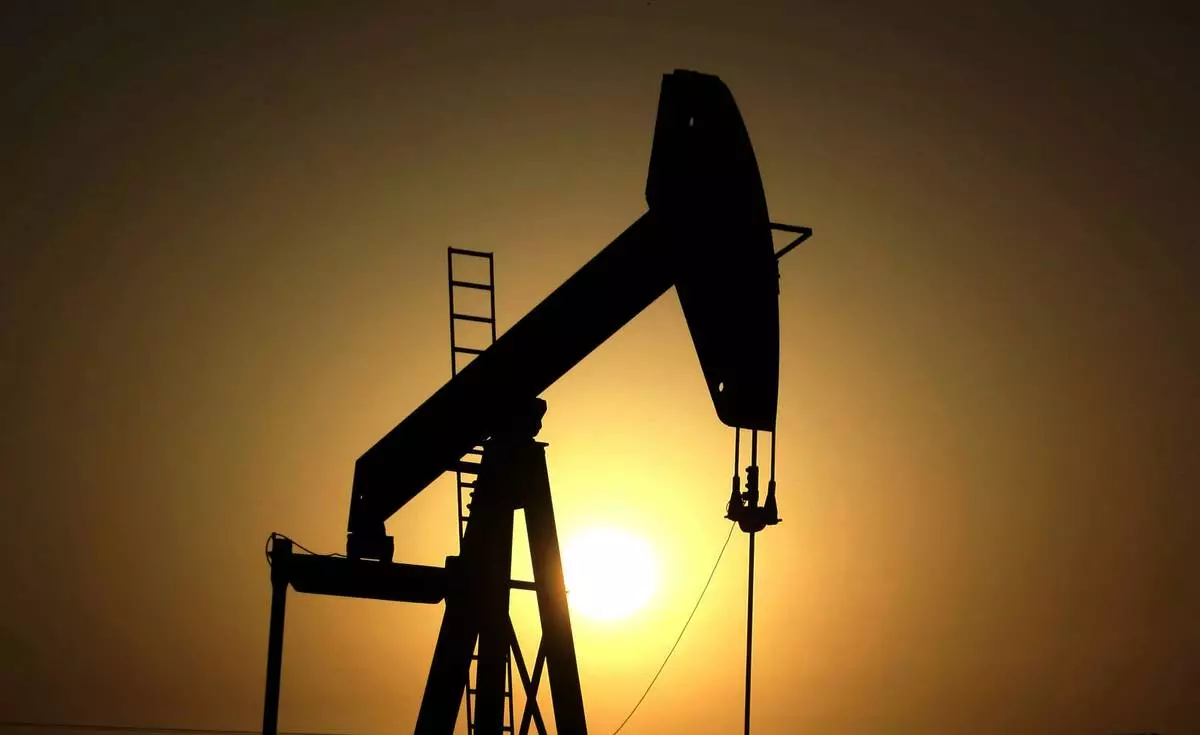
FILE- In this Wednesday, June 8, 2011 file photo, sun sets behind an oil pump in the desert oil fields of Sakhir, Bahrain. (AP Photo/Hasan Jamali, File)

FILE- In this Wednesday, June 8, 2011 file photo, sun sets behind an oil pump in the desert oil fields of Sakhir, Bahrain. (AP Photo/Hasan Jamali, File)

Recommended Articles