PARMA, Italy--(BUSINESS WIRE)--Nov 18, 2025--
How can we bring the excellence of Italian culinary tradition into the future? How can we transform everyday products into experiences that surprise the senses, create emotions, and accompany people in moments of pleasure, sharing, and discovery? The answer for Barilla Group is the Barilla Innovation & Technology Experience (BITE) in Parma, marking the company’s most significant investment in food innovation in recent years. With almost 14,000m², more than €20 million invested and an additional €2 million per year dedicated to equipment upgrades, BITE stands as a global hub designed to foster development across the Group’s portfolio. Pasta, sauces, and bakery become a territory of exploration here, where research and technology serve Barilla's passion for good food.
This press release features multimedia. View the full release here: https://www.businesswire.com/news/home/20251118376430/en/
Rooted in an approach of collaboration with leading international minds, this new Innovation Center brings together a team of 200highly skilled experts, including food technologists, researchers, engineers, designers, professional tasters and chefs, to develop the next generation of Barilla high-quality food products. Each year, 30 young talents from both Italy and abroad join Barilla’s RDQ community through dedicated internship or other post-graduate programs, with interns coming from countries such as Turkey, Belgium, Greece, and Spain over the past two years. The center is also the beating heart of an open innovation ecosystem that already has 84 active collaborations with universities and research centers in Italy and around the world.
“At Barilla, where the product has always been at the heart of everything we do, we know that a fundamental part of our work is to imagine and create quality products that must respond and adapt to people’s evolving needs,” says Guido Barilla, Chairman of the Barilla Group. “The BITE, in addition to shaping what will be the products of tomorrow, represents a very clear entrepreneurial choice. Barilla must drive and anticipate trends and be able to engage with markets that are increasingly more open and international.”
WHERE EVERY STEP OF PRODUCT DEVELOPMENT COMES TO LIFE
Deeply rooted in the heart of the Food Valley where Barilla was born, BITE operates with a global vision: this is where products for all the Group’s brands are developed, bringing the taste of Italy to more than 100 countries. The BITE brings together all stages of food innovation under one roof. Within its 4,800 m², the Innovation Center features dedicated areas for Design Thinking where brainstorms turn into product ideas, tasting and sensory research, and experimental kitchens for pasta and bakery. An additional 9,000 m² of pilot plants host advanced research laboratories and experimental production lines where Barilla’s professionals develop, test and refine new products and processes, together with designing innovative packaging solutions and applying advanced tools to ensure outstanding food quality and safety.
Here, the journey from concept to market takes shape, a process that typically spans around 2 years (and up to 10 for the more complex projects) from researching in the selection of crop varieties and selecting ingredients to recipe development and sensory testing with both expert panels and consumers.
"Innovatingmeans placing people’s desires at the center,” explains Michele Amigoni, Head of RDQ at Barilla Group.“Understanding in depth how their needs related to food and nutrition will evolve, and from there turning ideas into reality that are new, good, and sustainable. The BITE will be a center open to the world, where it will be possible to see, touch, and understand how Barilla envisions the future of food. "
At the BITE, technologies such as the electronic nose and AI-driven smart sensors optimize processes, from mapping aromatic profiles to enhancing pasta drying. 3D printing and holographic design systems enable rapid prototyping and faster development cycles, while the rugosimeter (roughness meter) precisely measures pasta texture at the micron scale, providing valuable data to refine both product quality and the sensory experience. These tools accelerate experimentation and ensure consistency, helping deliver the same Barilla quality to consumers around the world.
COLLABORATING GLOBALLY TO DRIVE INNOVATION
The BITE is the core of an international open innovation network of 84 partnerships with universities, research institutions, and organizations worldwide, from the Ludwig-Maximilians-Universität München in Germany to Purdue University in the US and Wageningen University in the Netherlands, as well as with selected agrifood and tech startups. Since 2019, Barilla’s Good Food Makers accelerator has generated over 1,200 startup applications from 41 countries and launched 28 collaborations, ranging from sustainable indoor agriculture to AI-driven logistics and ingredient traceability.
INCLUSIVE AND SUSTAINABLE SPACES
Designed with sustainability and inclusion at its core, the BITE runs on renewable electric energy and is surrounded by research areas dedicated to the development of regenerative agriculture practices. Through a partnership with Dynamo Academy an Italian social enterprise promoting inclusive design, the building features fully accessible environments, tactile maps and flexible spaces, ensuring a welcoming experience for all.
BARILLA INNOVATION & TECHNOLOGY EXPERIENCE - NUMBERS
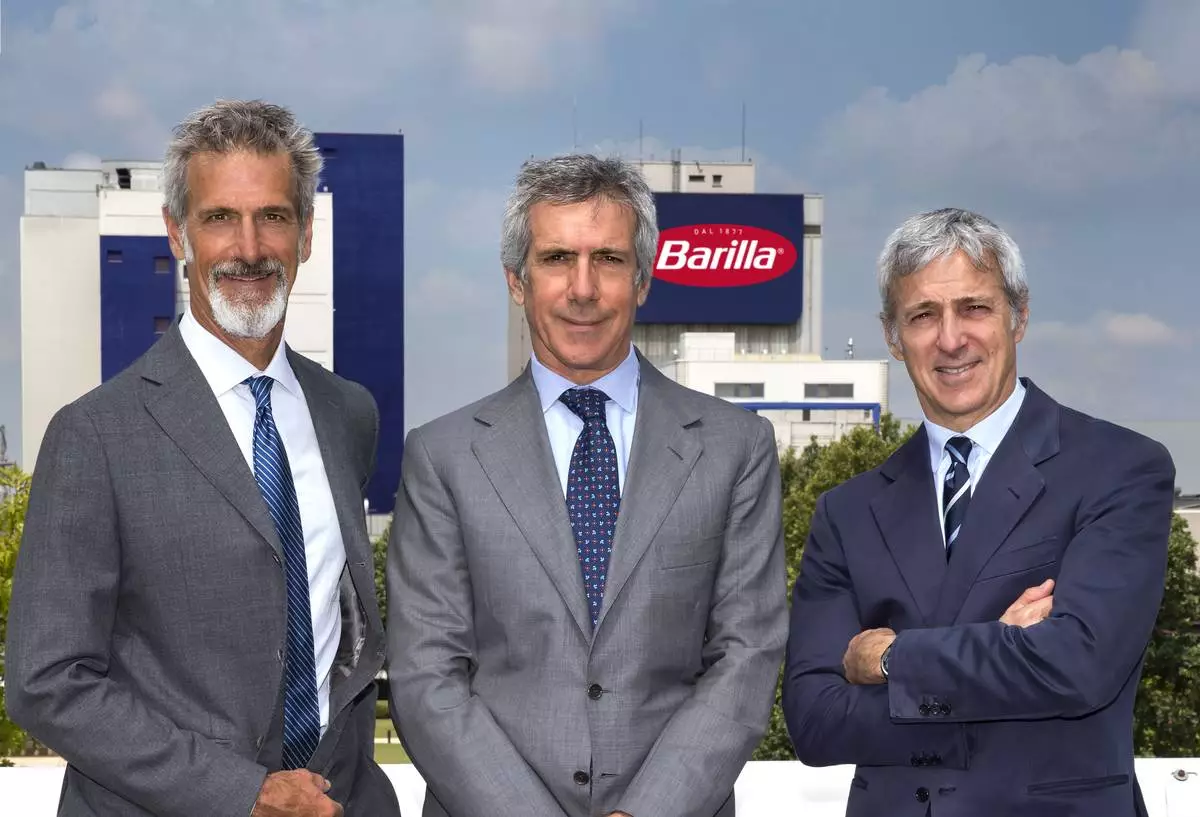
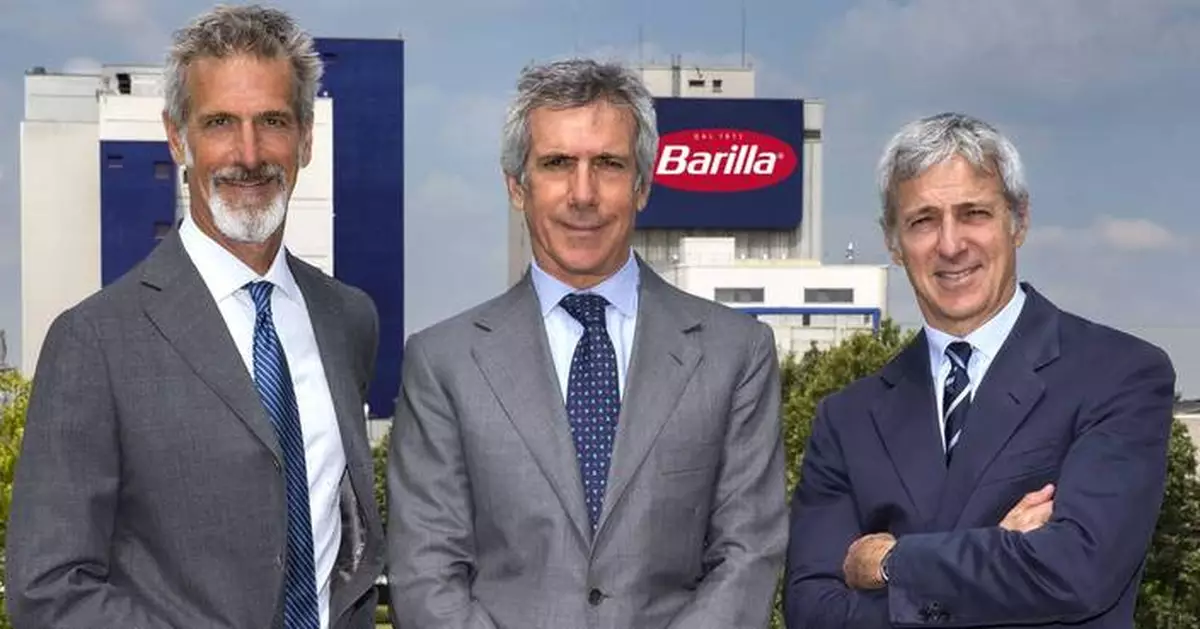
Guido, Paolo and Luca Barilla. © Barilla
NEW YORK (AP) — Stocks are climbing worldwide, and oil prices are easing Wednesday as hopes build that the war with Iran could end soon. Some of the moves are tentative, though, after financial markets have already seen similar bouts of optimism get quickly undercut several times.
The S&P 500 rose 0.6% and added to its leap from the day before, which was its best since last spring. That followed even bigger gains for stock markets across Europe and Asia, including an 8.4% surge in South Korea, which were catching up to Wall Street’s rally from Tuesday.
The Dow Jones Industrial Average was up 292 points, or 0.6%, as of 10 a.m. Eastern time, and the Nasdaq composite was 1% higher.
Oil prices also fell back toward $100 per barrel after President Donald Trump said shortly before Wall Street began trading that Iran “has just asked the United States of America for a CEASEFIRE!”
“We will consider when Hormuz Strait is open, free, and clear. Until then, we are blasting Iran into oblivion or, as they say, back to the Stone Ages!!!”
Trump had said the night before that the U.S. military could end its offensive in two to three weeks. That added to optimism following a couple tenuous signals of hope from earlier Tuesday that Wall Street latched onto, including a news report quoting Iran’s president as saying that it has “the necessary will to end the war” as long as certain requirements are met, including “guarantees to prevent a recurrence of aggression.”
The worry on Wall Street has been that the war may last a long time and keep oil and natural gas from the Persian Gulf out of global markets, which could create a brutal blast of inflation.
But hope has been quick to swing to doubt on Wall Street since the war with Iran began, triggering manic swings back and forth for financial markets. Trump has also made statements that lifted markets, only to see the gains quickly disappear after increasing his military threats against Iran. Investors say Trump’s statements are becoming less impactful for financial markets.
And oil prices remain high, even if they’ve eased so far this week. The price for a barrel of Brent crude oil, the international standard, was sitting at $101.16 following its declines, which is still up from roughly $70 before the war began.
U.S. gas prices rose again overnight to a national average of $4.06, according to the auto club AAA.
Iran hit an oil tanker off the coast of Qatar and Kuwait’s airport on Wednesday while airstrikes battered Tehran as the fighting continued. Iran also continues to hold a grip on the Strait of Hormuz, where a fifth of the world’s traded oil passes during peacetime.
“De-escalation hopes have given markets a lift, but we think the effects of the war would, in many cases, persist even if the war did end soon,” Thomas Mathews, head of markets, Asia Pacific at Capital Economics, said in a research note Wednesday.
“It’s worth thinking through how markets might fare if the war were to end ‘very soon,’” he wrote. “Do markets have further to recover if sentiment continues to improve? The answer is almost certainly yes.”
The White House said Trump will deliver a public address Wednesday evening on the Iran war.
On Wall Street, the majority of stocks rose, with Big Tech powering the move higher. Gains of 2.8% for Alphabet and 0.8% for Nvidia were two of the strongest forces lifting the S&P 500.
They helped offset a 13.1% drop for Nike, which fell even though it reported a stronger profit for the latest quarter than expected. Analysts said it gave some lackluster financial forecasts.
Hasbro fell 3.6% after the toy company found someone had gained unauthorized access to its computer network and is working to see what the full impact was.
In stock markets abroad, indexes leaped more than 1% in France, Germany and the United Kingdom. Asian markets had even bigger gains.
Tokyo’s Nikkei 225 jumped 5.2% after a survey by Japan’s central bank showed business sentiment for major Japanese manufacturers improved despite Iran war worries.
In the bond market, Treasury yields held relatively steady after a report said U.S. retailers made more money in February than economists expected. A separate report said U.S. manufacturing growth last month was slightly faster than economists expected. The 10-year Treasury yield rose to 4.32% from 4.30% late Tuesday.
AP Business Writers Chan Ho-him and Matt Ott contributed.
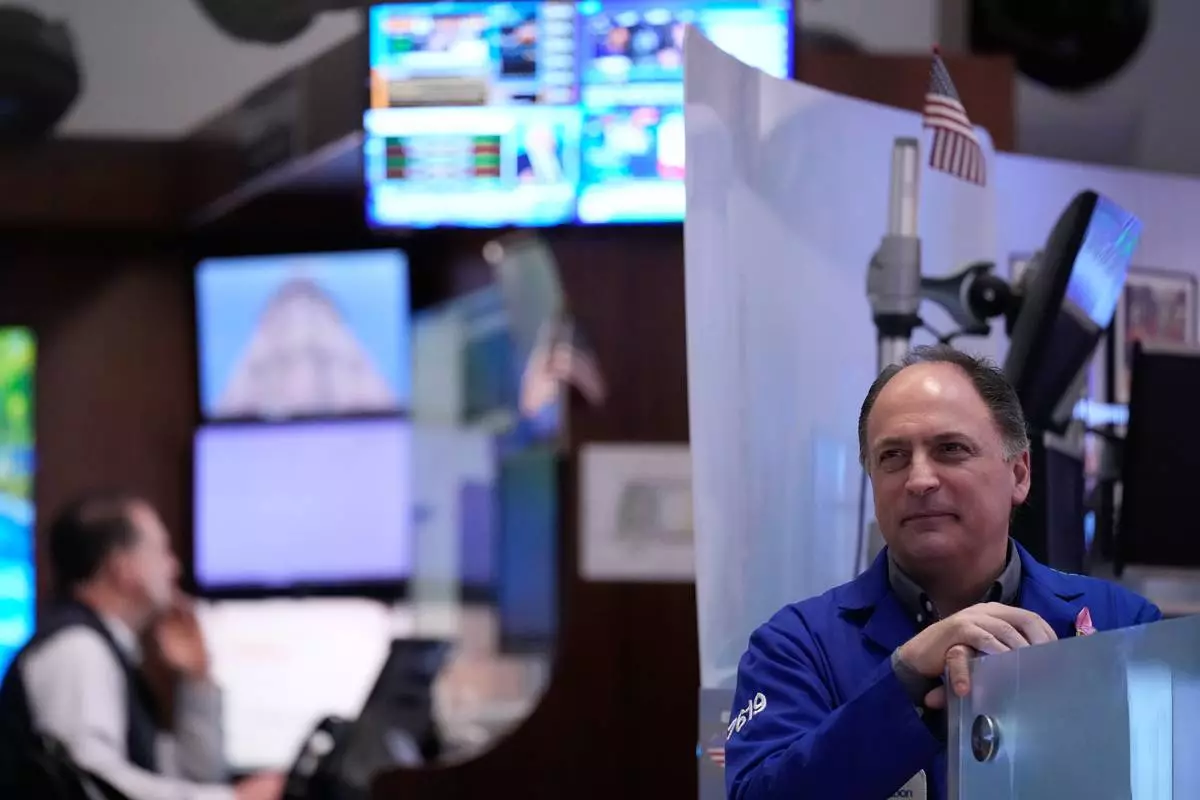
James Conti works on the floor at the New York Stock Exchange in New York, Tuesday, March 31, 2026. (AP Photo/Seth Wenig)
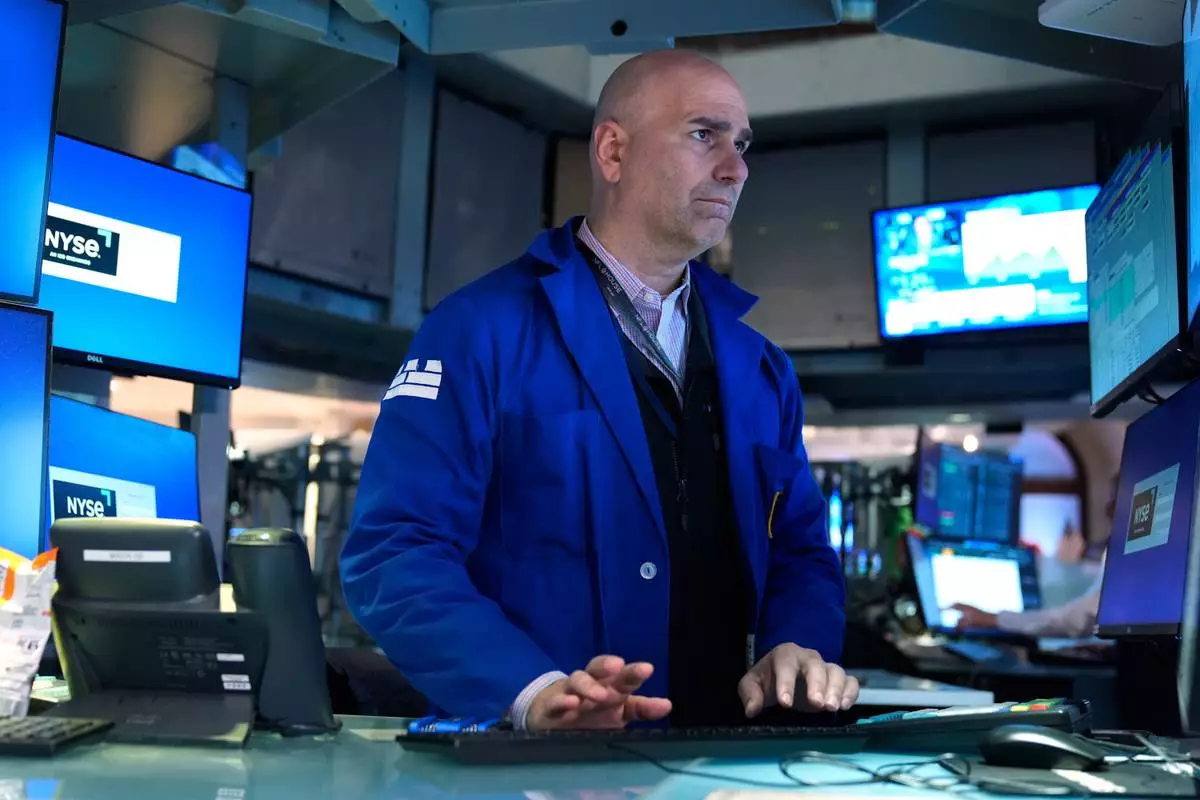
Philip Finale works on the floor at the New York Stock Exchange in New York, Tuesday, March 31, 2026. (AP Photo/Seth Wenig)
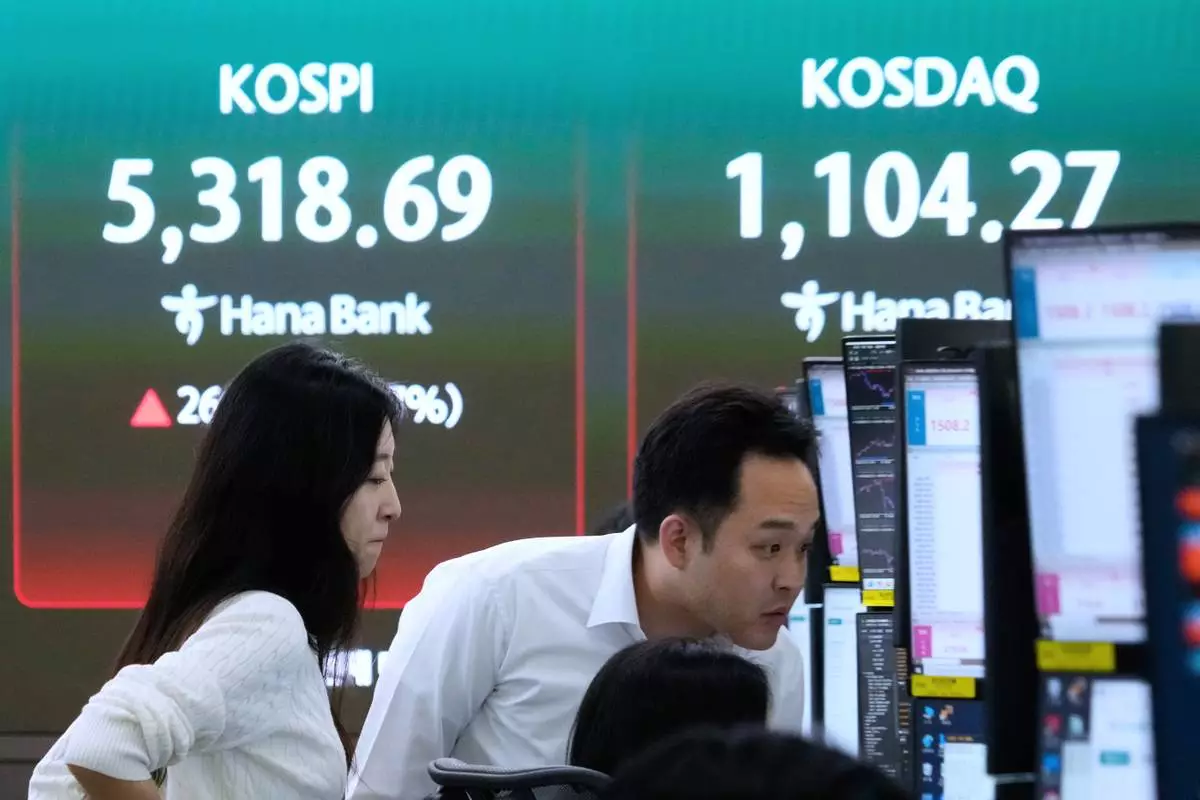
Currency traders watch monitors near a screen showing the Korea Composite Stock Price Index (KOSPI), left, at the foreign exchange dealing room of the Hana Bank headquarters in Seoul, South Korea, Wednesday, April 1, 2026. (AP Photo/Ahn Young-joon)
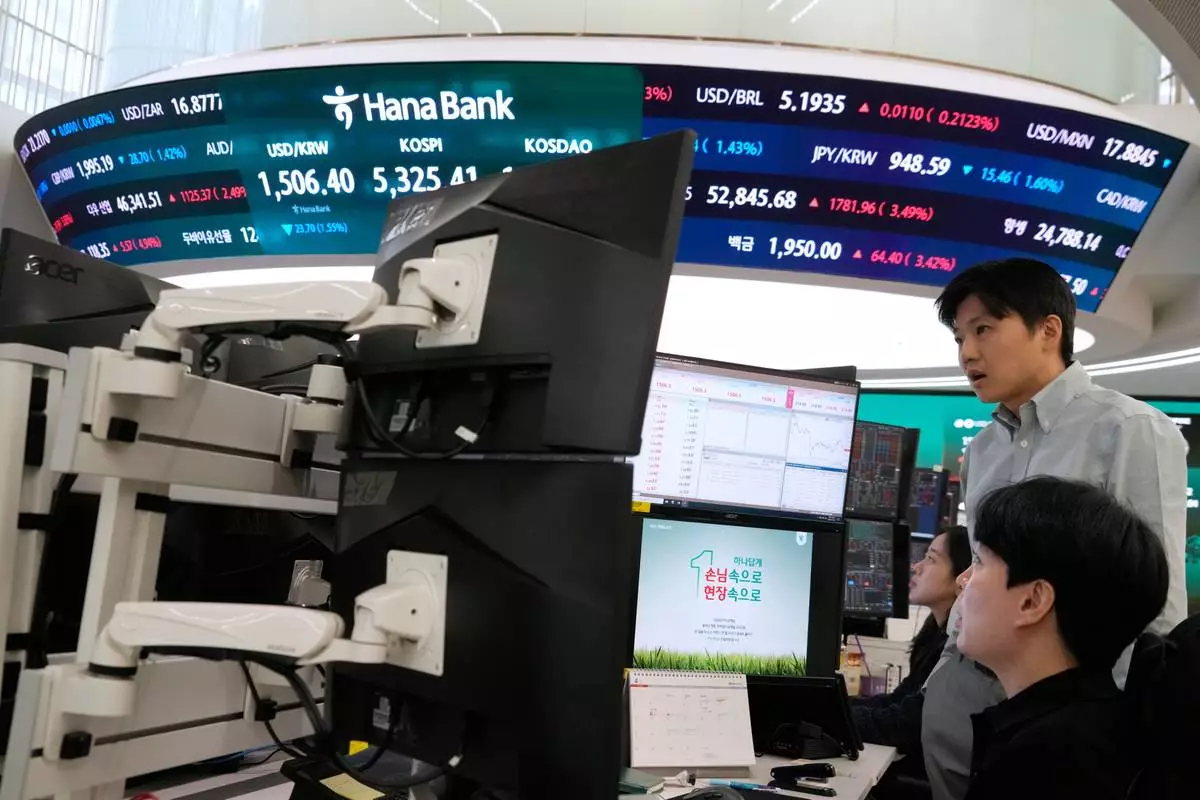
Currency traders watch monitors near a screen showing the Korea Composite Stock Price Index (KOSPI), top center, and the foreign exchange rate between U.S. dollar and South Korean won, top center left, at the foreign exchange dealing room of the Hana Bank headquarters in Seoul, South Korea, Wednesday, April 1, 2026. (AP Photo/Ahn Young-joon)
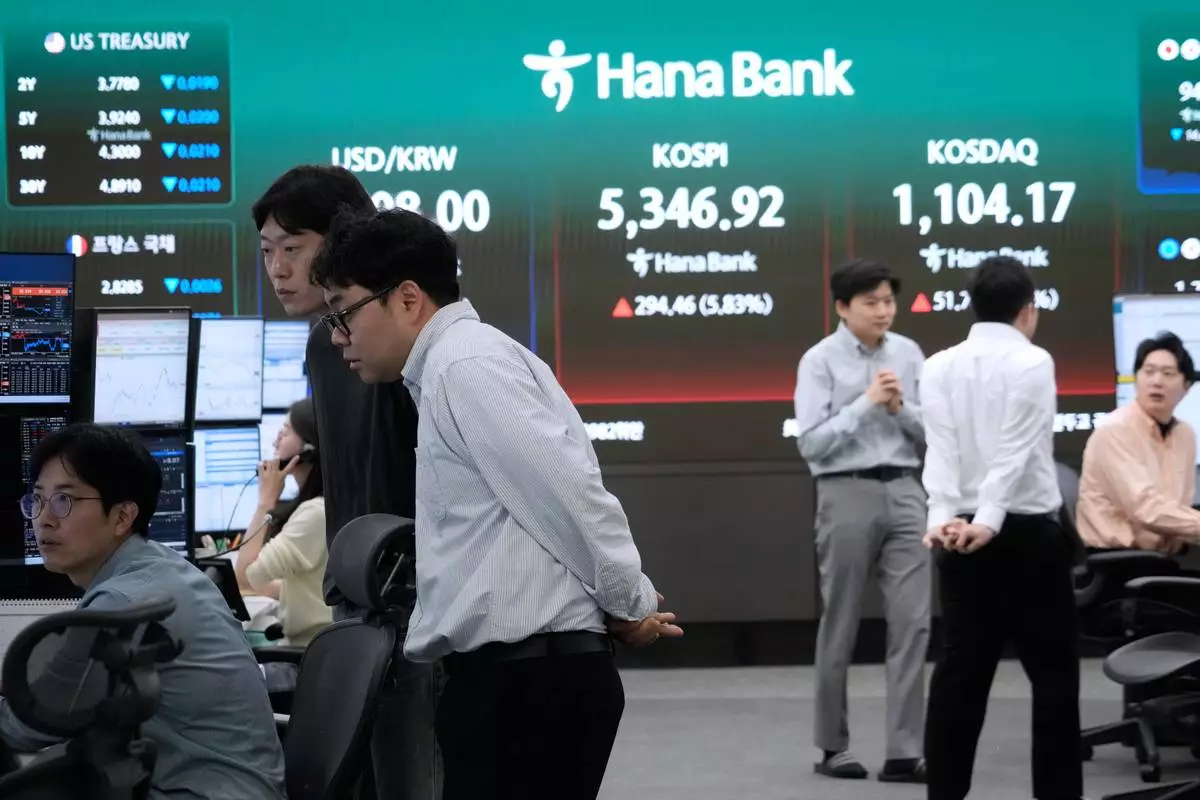
Currency traders work at the foreign exchange dealing room of the Hana Bank headquarters in Seoul, South Korea, Wednesday, April 1, 2026. (AP Photo/Ahn Young-joon)
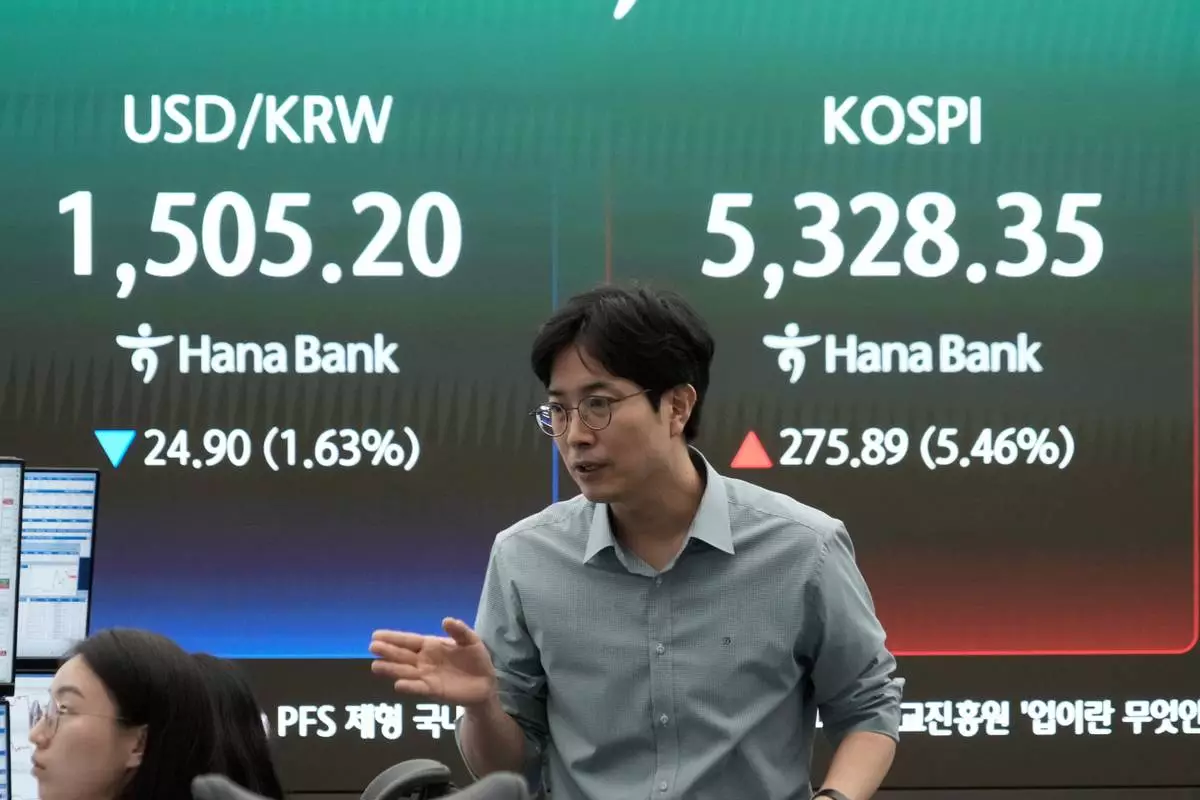
A currency trader reacts near a screen showing the Korea Composite Stock Price Index (KOSPI), right, and the foreign exchange rate between U.S. dollar and South Korean won at the foreign exchange dealing room of the Hana Bank headquarters in Seoul, South Korea, Wednesday, April 1, 2026. (AP Photo/Ahn Young-joon)
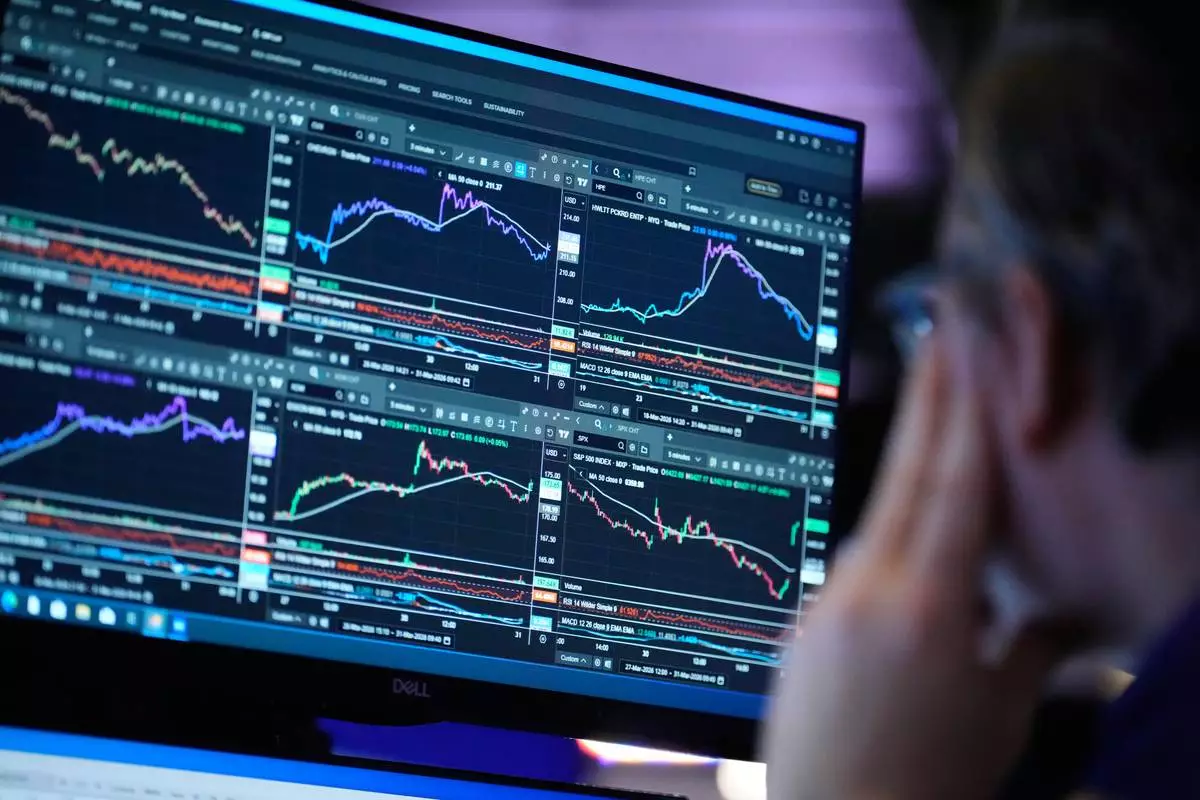
A screen displays financial information on the floor at the New York Stock Exchange in New York, Tuesday, March 31, 2026. (AP Photo/Seth Wenig)