NEW YORK--(BUSINESS WIRE)--Nov 18, 2025--
LineLeap, the leading platform transforming how people experience their favorite bars, venues, and brands, today announced the close of its funding round, valuing the company at $200 million and bringing total capital raised to over $30 million. LineLeap is backed by several strategic investors, including Y Combinator, The Chainsmokers, NHL and NFL owners, and entertainment industry execs.
This press release features multimedia. View the full release here: https://www.businesswire.com/news/home/20251118437877/en/
Founded in 2017 by Patrick Skelly, Nick Becker, and Max Schauff, LineLeap began as a simple solution to a common college problem… long lines at bars. What started as a scrappy MVP built on many nights sleeping in the car while traveling campus-to-campus, has since evolved into a category-defining platform that powers over 700 venues across 150+ cities and campuses and serves a growing community of more than 1.5 million users that surged LineLeap to #6 in Social Networking and #42 overall in the U.S. App Store charts this fall.
“We started LineLeap to solve a problem we experienced firsthand, and it has since grown into a nationwide platform that elevates how venues and brands operate. This milestone is only possible because of the incredible support from our partnered venues, brands, and users. We are just getting started, and we could not be more excited for what we will accomplish together!” said Patrick Skelly, Co-Founder & CEO of LineLeap.
LineLeap’s mobile app enables users to skip long lines, pay for cover, buy event tickets, and access exclusive offers at the top bars and venues nationwide. For venues, LineLeap generates new revenue streams and provides a proprietary CRM to help them market, segment, and communicate directly with their customers like never before.
For brands, LineLeap creates experiences that meet 21+ Gen Z and Millennials at the places, venues, and moments that matter the most. LineLeap is redefining how brands activate with next-up consumers by building new pathways that spark trial, loyalty and keep them coming back.
Investor and artist Alex Pall of The Chainsmokers shared his enthusiasm for the company’s trajectory:
“We are thrilled to be partners and investors in LineLeap. Having spent more time than most people between venues, clubs, bars, and restaurants, we saw an incredible opportunity to marry technology with the hospitality industry in a way that serves both venues and customers. As LineLeap has proven through its growth, there’s tremendous value to capture and create.”
As LineLeap uses the new funds to continue its expansion and product offerings, the company remains focused on its mission: helping people get to the fun, faster, while building the platform and technology that redefine how venues operate and brands connect to consumers.
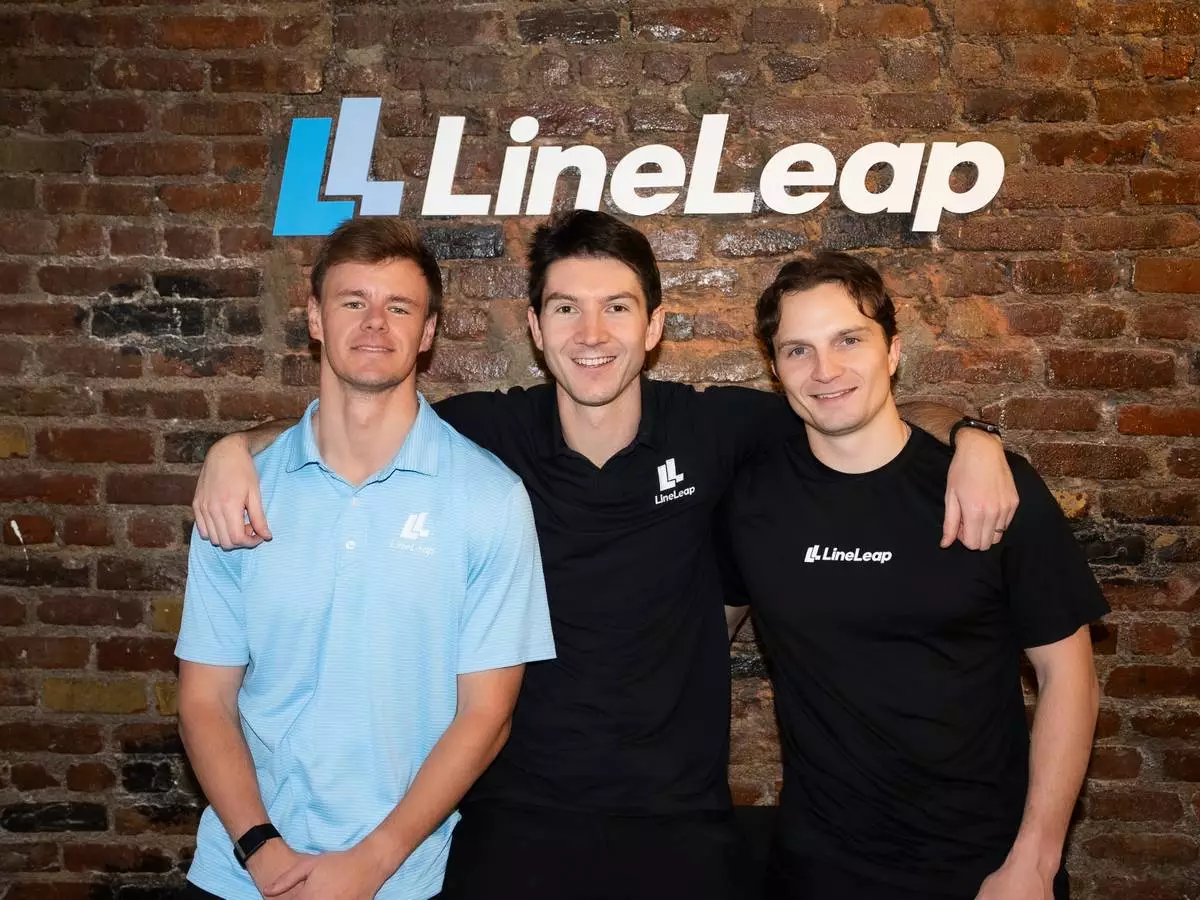
LineLeap Co-Founders: Nick Becker, Patrick Skelly, Max Schauff
WASHINGTON (AP) — The Supreme Court is taking up one of the term’s most consequential cases, President Donald Trump’s executive order on birthright citizenship declaring that children born to parents who are in the United States illegally or temporarily are not American citizens, and he arrived at the court Wednesday to attend the arguments.
The justices will hear Trump’s appeal of a lower-court ruling from New Hampshire that struck down the citizenship restrictions, one of several courts that have blocked them. They have not taken effect anywhere in the country.
A definitive ruling is expected by early summer.
Trump will be the first sitting president to attend oral arguments at the nation’s highest court.
Crowds watched from the sidewalks as Trump’s motorcade drove along Constitution and Independence Avenues, passing the Washington Monument and the National Mall on the way to the court building.
The case frames another test of Trump's assertions of executive power that defy long-standing precedent for a court that has largely ruled in the president's favor — but with some notable exceptions that Trump has responded to with starkly personal criticisms of the justices.
The birthright citizenship order, which Trump signed the first day of his second term, is part of his Republican administration’s broad immigration crackdown.
Birthright citizenship is the first Trump immigration-related policy to reach the court for a final ruling. The justices previously struck down global tariffs Trump had imposed under an emergency powers law that had never been used that way.
Trump reacted furiously to the late February tariffs decision, saying he was ashamed of the justices who ruled against him and calling them unpatriotic.
He issued a preemptive broadside against the court on Sunday on his Truth Social platform. “Birthright Citizenship is not about rich people from China, and the rest of the World, who want their children, and hundreds of thousands more, FOR PAY, to ridiculously become citizens of the United States of America. It is about the BABIES OF SLAVES!,” the president wrote. “Dumb Judges and Justices will not a great Country make!”
Trump's order would upend the long-standing view that the Constitution’s 14th Amendment, ratified in 1868, and federal law since 1940 confer citizenship on everyone born on American soil, with narrow exceptions for the children of foreign diplomats and those born to a foreign occupying force.
The 14th Amendment was intended to ensure that Black people, including former slaves, had citizenship, though the Citizenship Clause is written more broadly. “All persons born or naturalized in the United States, and subject to the jurisdiction thereof, are citizens of the United States and of the State wherein they reside,” it reads.
In a series of decisions, lower courts have struck down the executive order as illegal, or likely so, under the Constitution and federal law. The decisions have invoked the high court's 1898 ruling in Wong Kim Ark, which held that the U.S.-born child of Chinese nationals was a citizen.
The Trump administration argues that the common view of citizenship is wrong, asserting that children of noncitizens are not “subject to the jurisdiction” of the United States and therefore are not entitled to citizenship.
The court should use the case to set straight “long-enduring misconceptions about the Constitution’s meaning,” Solicitor General D. John Sauer wrote.
No court has accepted that argument, and lawyers for pregnant women whose children would be affected by the order said the Supreme Court should not be the first to do so.
“We have the president of the United States trying to radically reinterpret the definition of American citizenship,” said Cecillia Wang, the American Civil Liberties Union legal director who is facing off against Sauer at the Supreme Court.
More than one-quarter of a million babies born in the U.S. each year would be affected by the executive order, according to research by the Migration Policy Institute and Pennsylvania State University’s Population Research Institute.
While Trump has largely focused on illegal immigration in his rhetoric and actions, the birthright restrictions also would apply to people who are legally in the United States, including students and applicants for green cards, or permanent resident status.
Associated Press writer Darlene Superville contributed to this report.
Follow the AP’s coverage of the U.S. Supreme Court at https://apnews.com/hub/us-supreme-court.
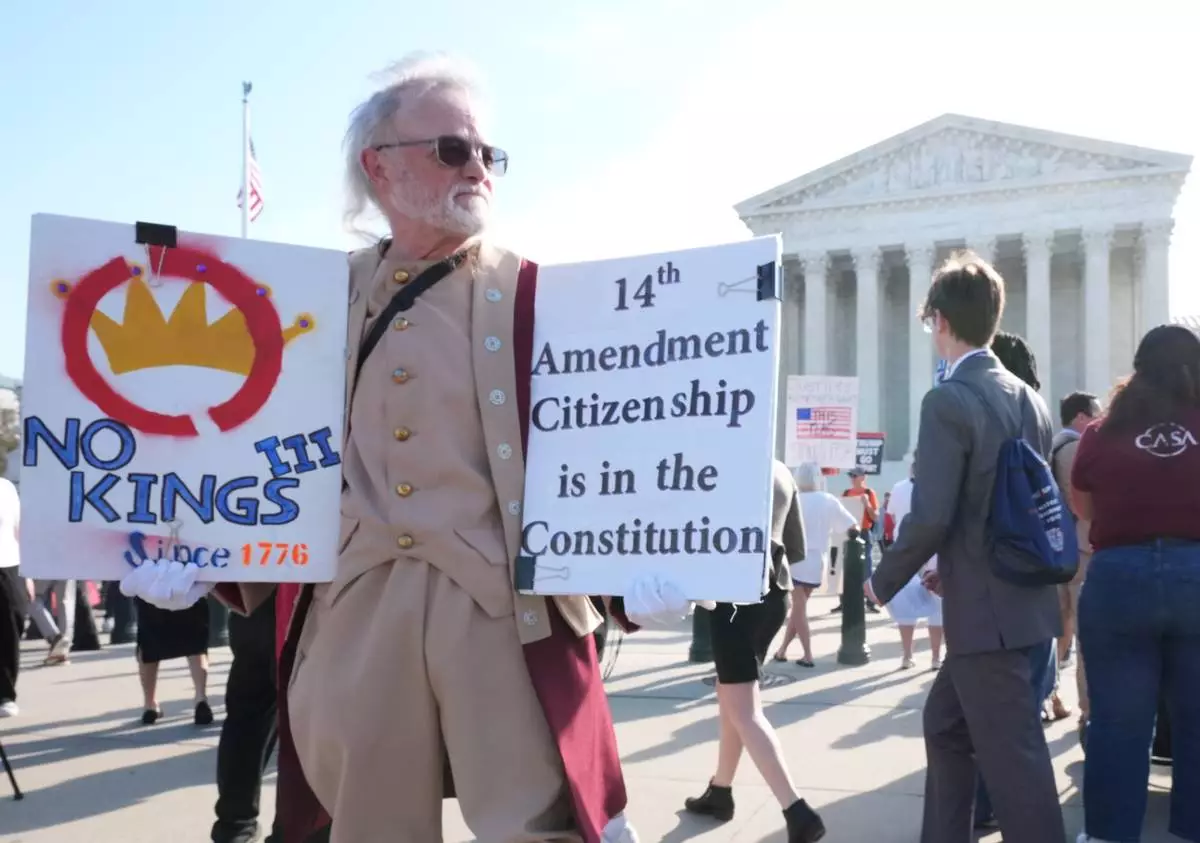
Pro and anti-Trump demonstrators rally outside the U.S. Supreme Court, before justices hear oral arguments on whether President Donald Trump can deny citizenship to children born to parents who are in the United States illegally or temporarily, on Capitol Hill, in Washington, Wednesday, April 1, 2026. (AP Photo/J. Scott Applewhite)

President Donald Trump's motorcade arrives at the U.S. Supreme Court, Wednesday, April 1, 2026, in Washington. (AP Photo/Tom Brenner)
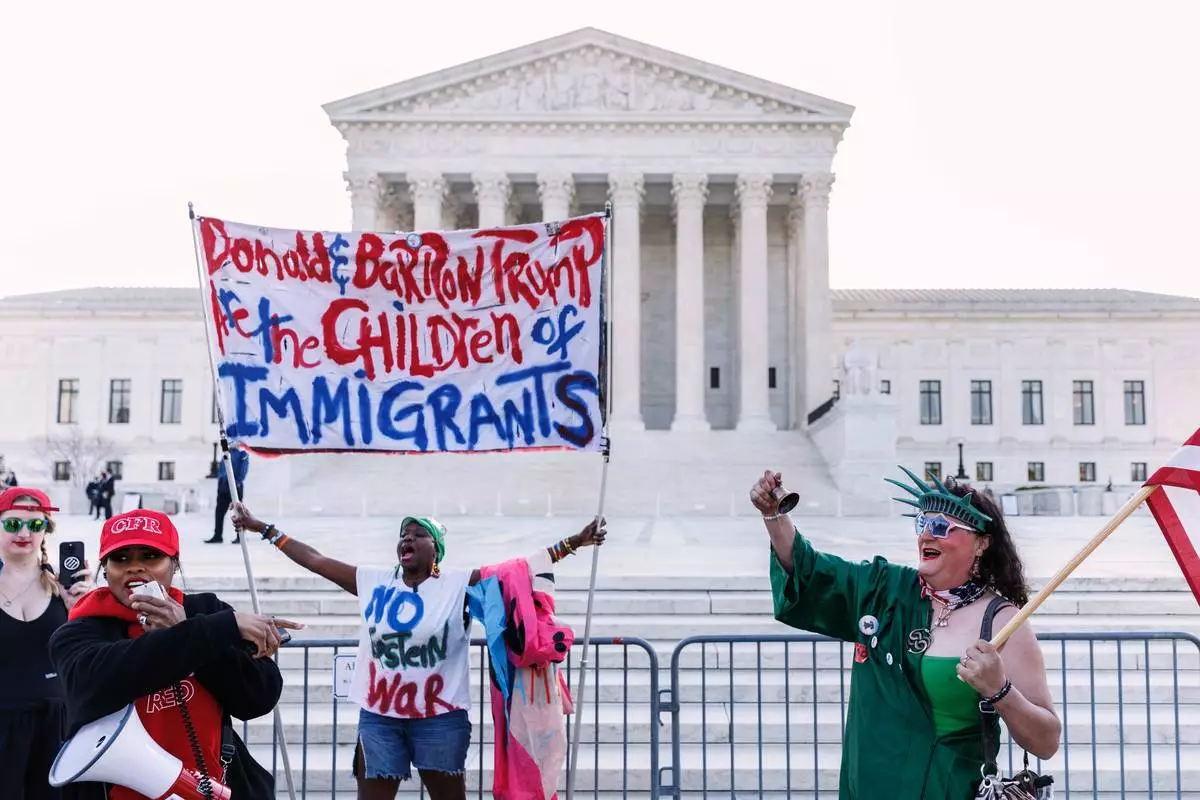
Demonstrators holding opposing views verbally engage ahead of President Donald Trump's arrival at the U.S. Supreme Court, Wednesday, April 1, 2026, in Washington. (AP Photo/Tom Brenner)
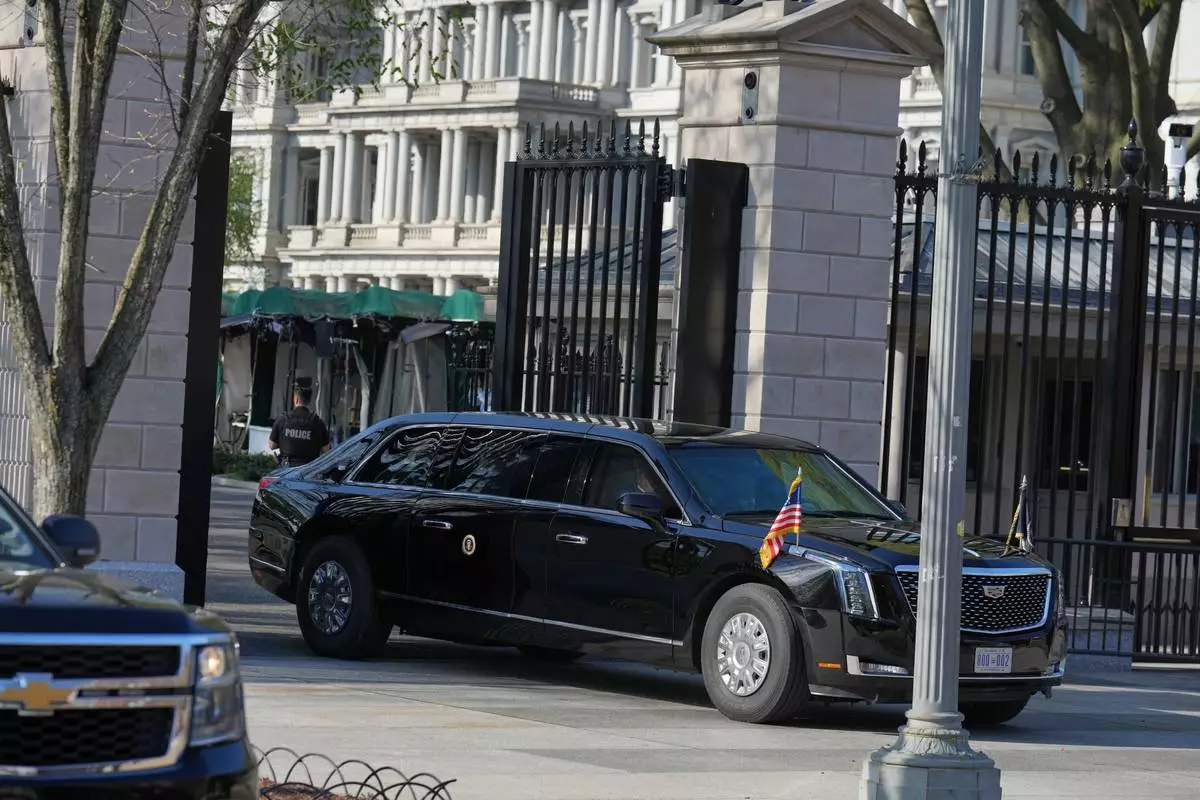
President Donald Trump's limo exits the White House en route to the Supreme Court, Wednesday, April 1, 2026, in Washington. (AP Photo/Mark Schiefelbein)
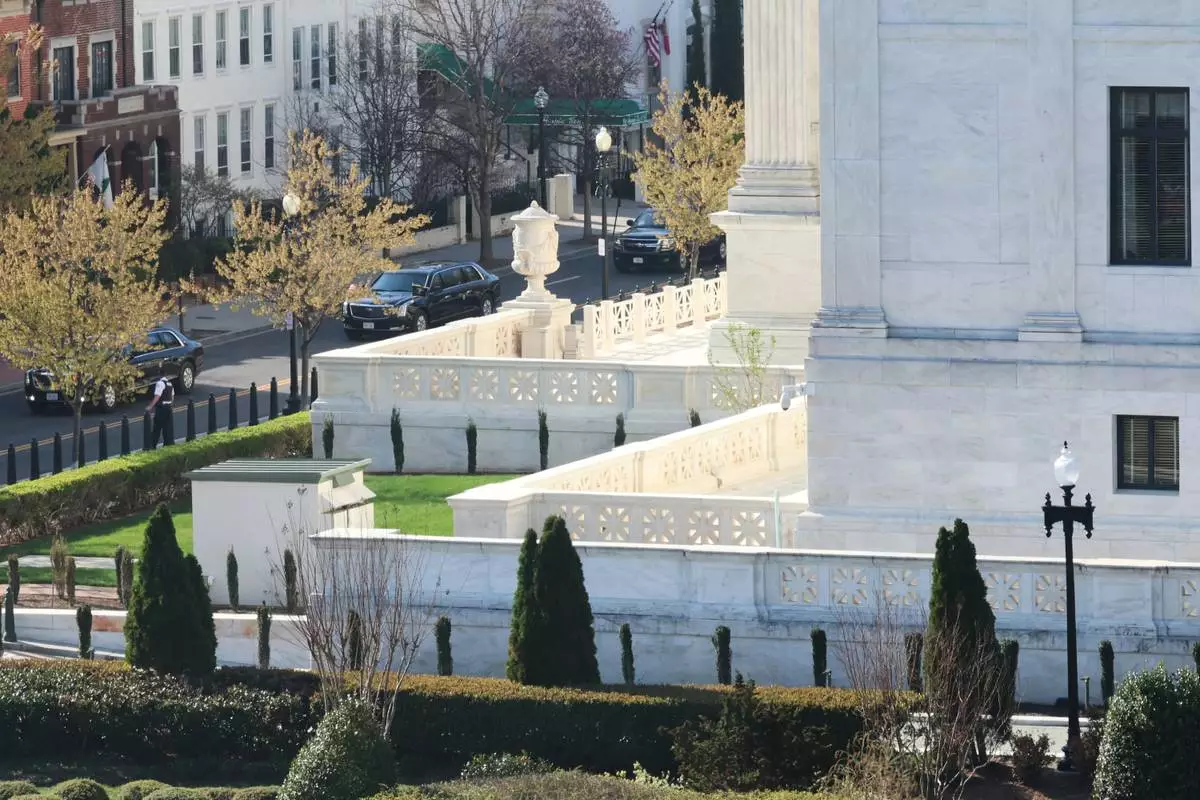
President Donald Trump's motorcade arrives at the U.S. Supreme Court, Wednesday, April 1, 2026, in Washington. (AP Photo/Tom Brenner)

Pro and anti-Trump demonstrators rally outside the U.S. Supreme Court, before justices hear oral arguments on whether President Donald Trump can deny citizenship to children born to parents who are in the United States illegally or temporarily, on Capitol Hill, in Washington, Wednesday, April 1, 2026. (AP Photo/J. Scott Applewhite)
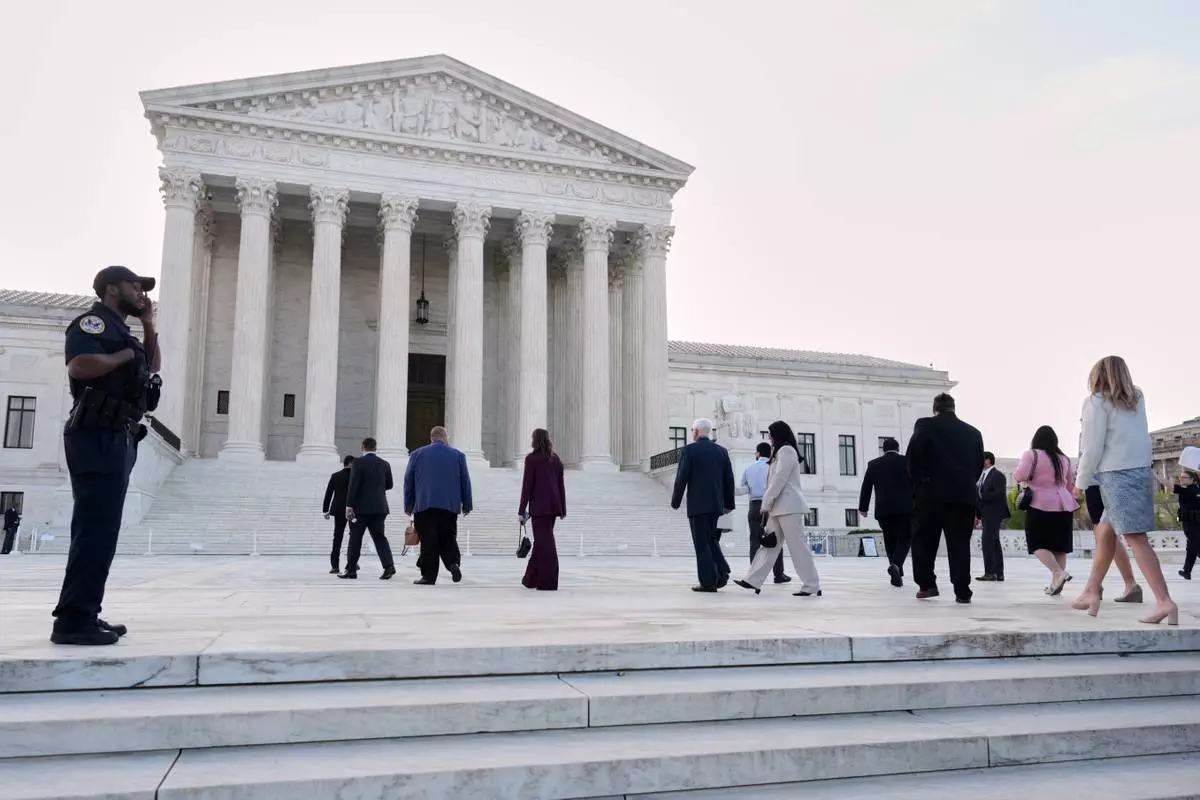
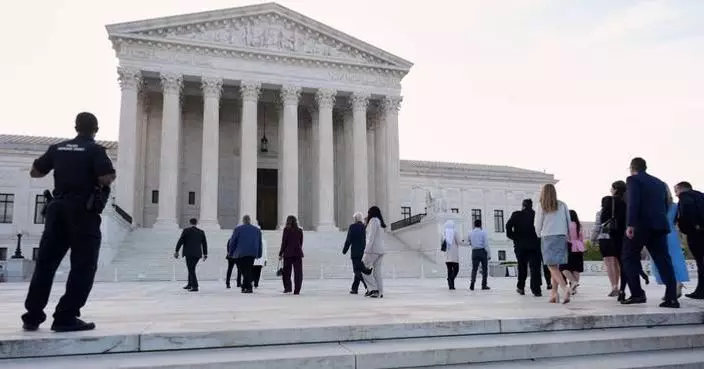
People arrive to walk inside the U.S. Supreme Court, on Capitol Hill in Washington, Wednesday, April 1, 2026. The Supreme Court justices will hear oral arguments today on whether President Donald Trump can deny citizenship to children born to parents who are in the United States illegally or temporarily. (AP Photo/J. Scott Applewhite)
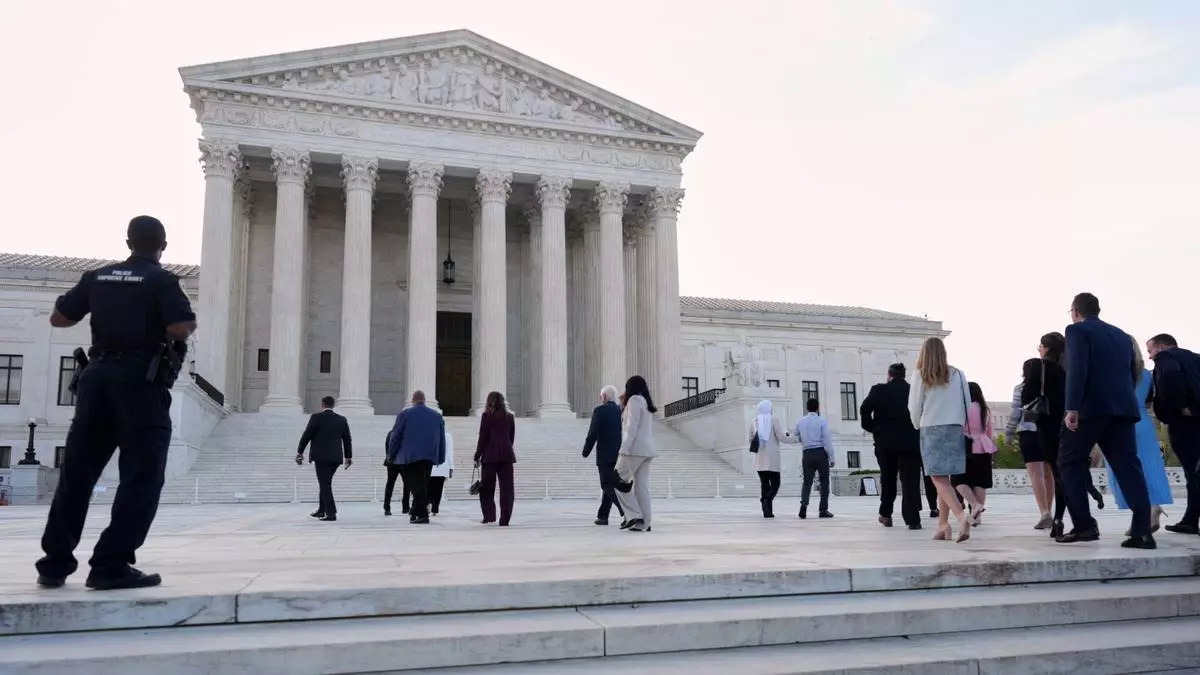
People arrive to walk inside the U.S. Supreme Court, on Capitol Hill in Washington, Wednesday, April 1, 2026. The Supreme Court justices will hear oral arguments today on whether President Donald Trump can deny citizenship to children born to parents who are in the United States illegally or temporarily. (AP Photo/J. Scott Applewhite)
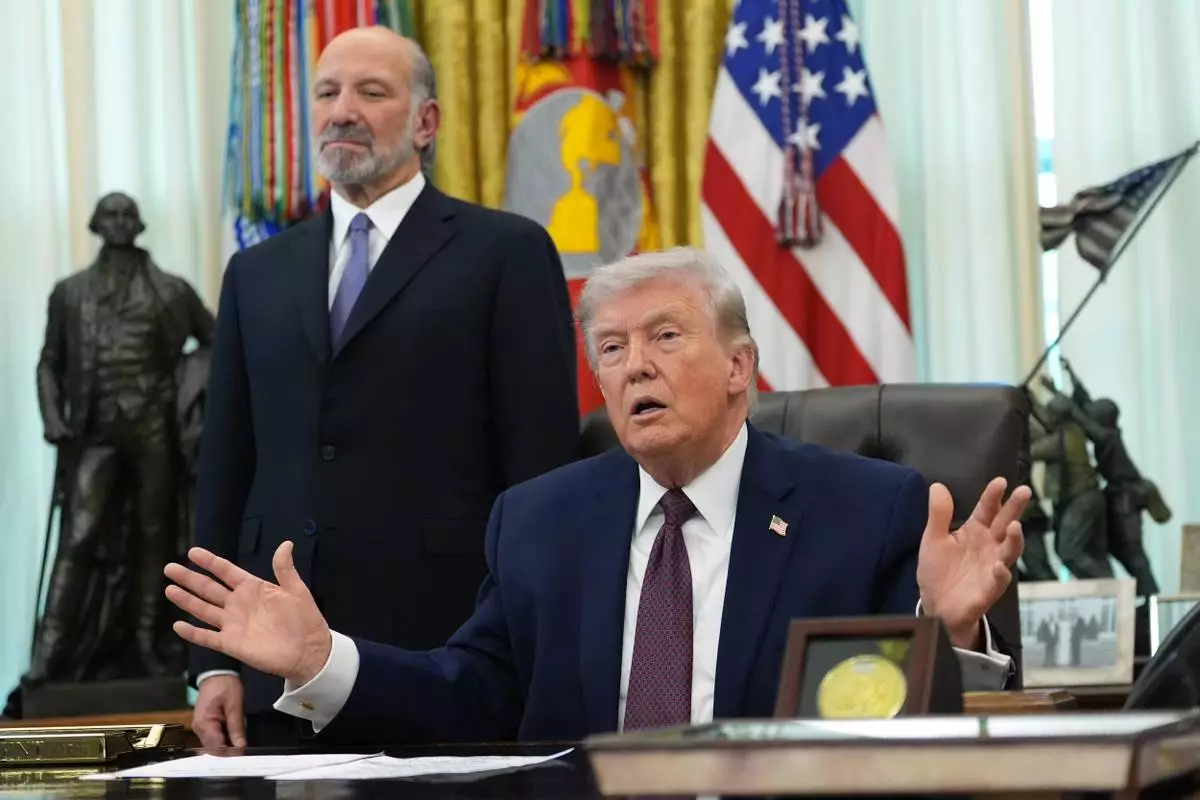
President Donald Trump answers questions from reporters after signing an executive order in the Oval Office of the White House Tuesday, March 31, 2026, in Washington, as Commerce Secretary Howard Lutnick listens. (AP Photo/Alex Brandon)
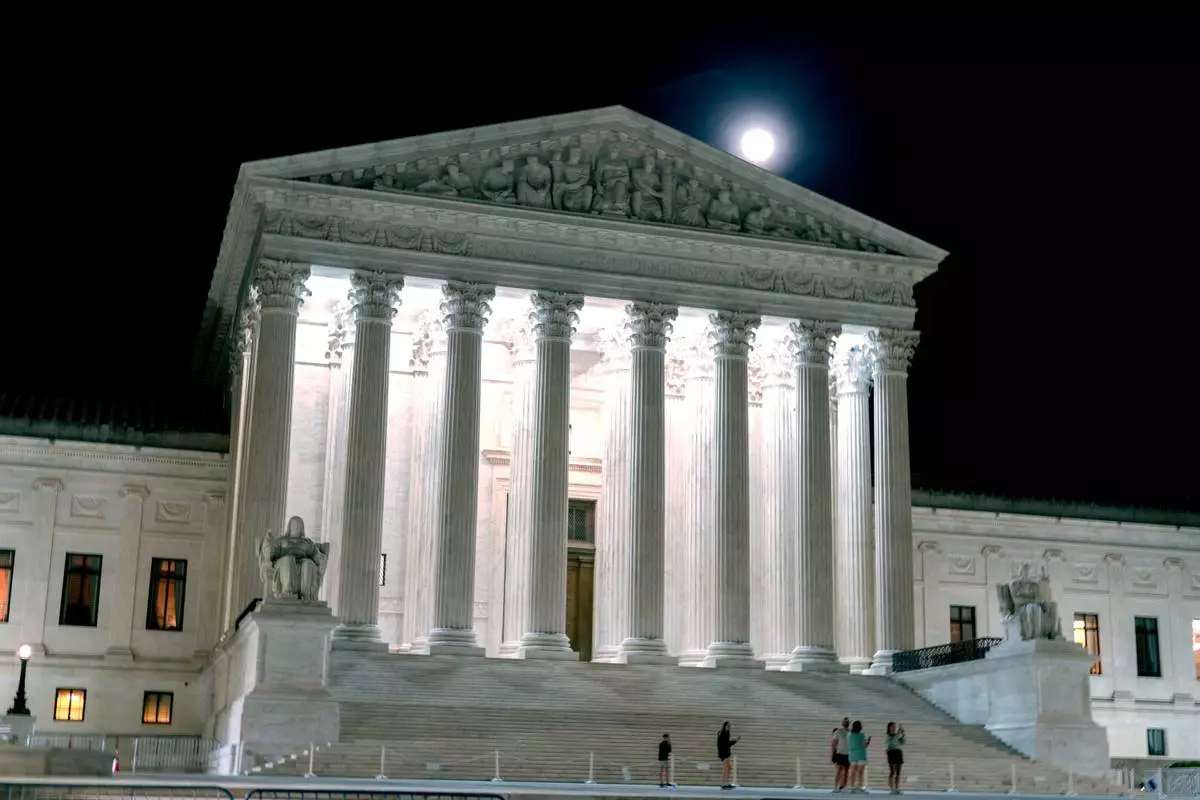
The U.S. Supreme Court is seen as the moon rises Tuesday, March 31, 2026, in Washington. (AP Photo/Jose Luis Magana)