WEST PALM BEACH, Fla.--(BUSINESS WIRE)--Nov 18, 2025--
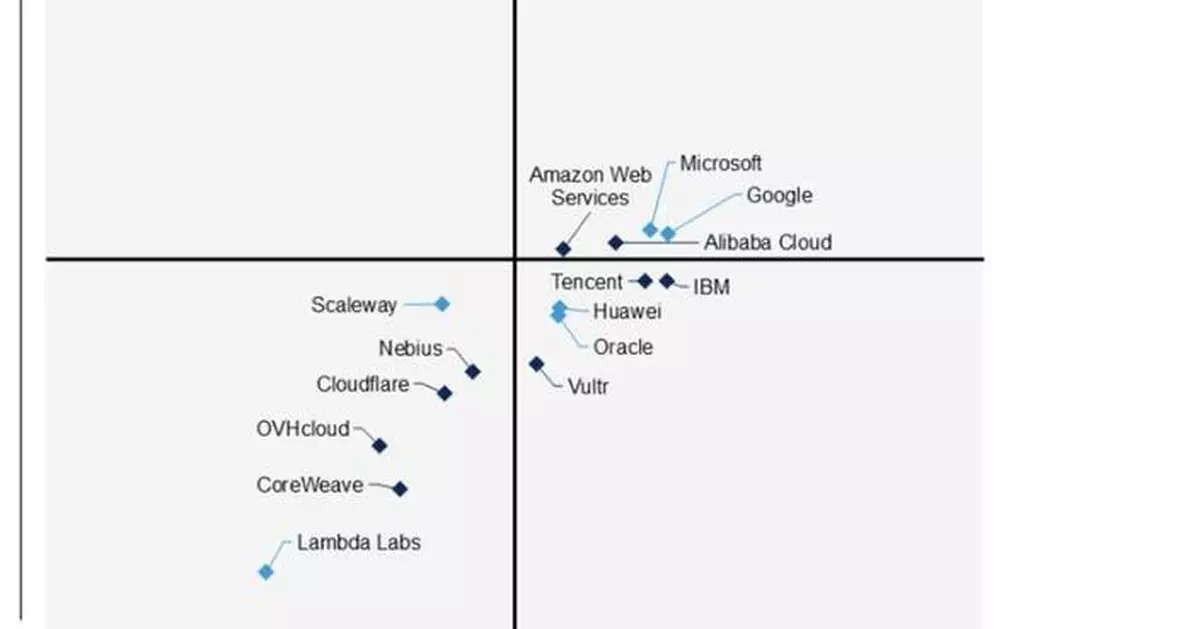
Vultr, the world’s largest privately-held cloud infrastructure company, today announced that it has been named an Emerging Visionary in the Emerging Market Quadrant of the 2025 Gartner Innovation Guide for Generative AI Specialized Cloud Infrastructure.
This press release features multimedia. View the full release here: https://www.businesswire.com/news/home/20251118945302/en/
In our view, this recognition highlights Vultr’s commitment to empowering enterprises with the infrastructure required to scale and deploy their AI workloads worldwide.
“Generative AI is redefining the art of the possible for organizations around the world, but to do this, they need the right infrastructure in place,” said Kevin Cochrane, CMO of Vultr. “At Vultr, we are dedicated to building a high-performance, globally distributed cloud designed for the new era of innovation. We think this recognition highlights the company’s excellence in supporting GenAI needs for compute, storage, and network.”
Gartner Disclaimer
GARTNER is a registered trademark and service mark of Gartner, Inc. and/or its affiliates in the U.S. and internationally and is used herein with permission. All rights reserved.
Gartner does not endorse any vendor, product or service depicted in its research publications, and does not advise technology users to select only those vendors with the highest ratings or other designation. Gartner research publications consist of the opinions of Gartner’s research organization and should not be construed as statements of fact. Gartner disclaims all warranties, expressed or implied, with respect to this research, including any warranties of merchantability or fitness for a particular purpose.
About Vultr
Vultr is on a mission to make high-performance cloud infrastructure easy to use, affordable, and locally accessible for enterprises and AI innovators around the world. Vultr is trusted by hundreds of thousands of active customers across 185 countries for its flexible, scalable, global Cloud Compute, Cloud GPU, Bare Metal, and Cloud Storage solutions. Founded by David Aninowsky and self-funded for over a decade, Vultr has grown to become the world’s largest privately held cloud infrastructure company.
To learn more about Vultr, visit us here or contact sales to get started.
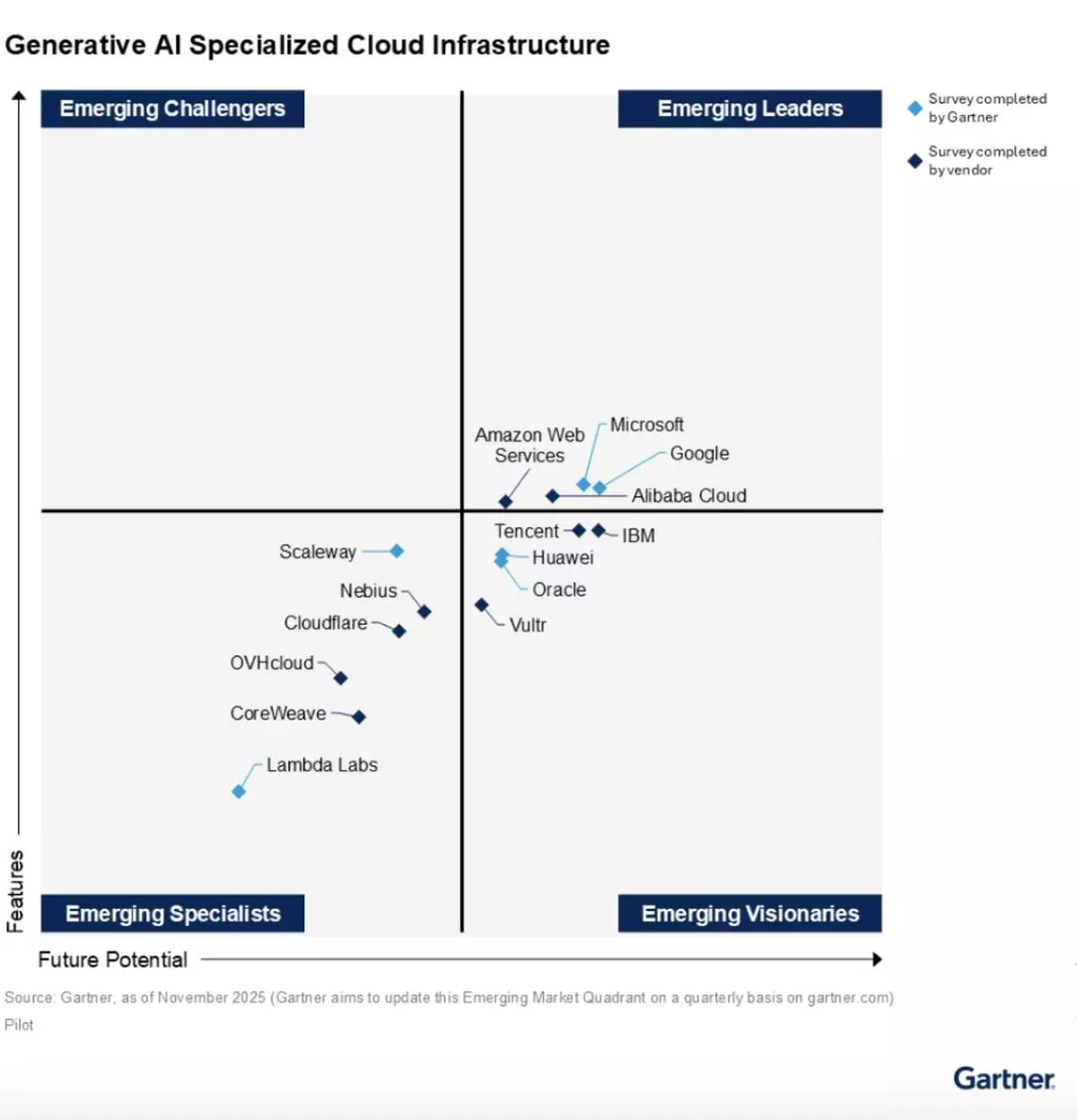
Gartner, Innovation Guide for Generative AI Specialized Cloud Infrastructure, Dennis Smith, Ed Anderson, 13 November 2025
The economy, inflation and how those forces could impact the lives of Americans were front and center over the past week. Trips to the grocery store or gas station are more painful than they were last year, and that is impacting the decisions of both households and businesses.
Here’s a snapshot of prominent economic data and news that occurred over the past week and what it potentially means for you.
The average long-term U.S. mortgage rate climbed this week to its highest level in nearly nine months, driving up borrowing costs for homebuyers during what’s traditionally the housing market’s busiest time of the year.
The benchmark 30-year fixed rate mortgage rate rose to 6.51% from 6.36% last week, mortgage buyer Freddie Mac said Thursday. Despite the sharp increase, the average rate remains below 6.86%, where it was a year ago.
Rates have been mostly trending higher since the war with Iran began. The closure of the Strait of Hormuz has roiled energy markets, sending crude oil prices sharply higher — a key driver of inflation.
Expectations of higher oil prices and worries about big and growing debts for the U.S. government and others have pushed up long-term bond yields, causing mortgage rates to head higher.
U.S. retailers have spent months navigating an uncertain economic environment, from President Donald Trump’s tariffs to the impact of soaring gasoline prices due to the Iran war. The average price for a gallon of regular gasoline rose again this week, ending at about $4.55 per gallon on Friday, according to AAA. Gasoline prices are about 45% above where they were at this time last year.
Based on quarterly financial reports from Walmart, Target, Home Depot, Lowe’s and TJX, shoppers are cautious but still spending, helped by more generous tax refunds. Yet there is a widespread belief among economists that once those refunds dry up, shoppers will pull back on spending. Consumer spending is the dominant economic engine for the U.S., and retreat would have broad implications for the U.S.
Walmart issued a forecast for the current quarter on Thursday that was weaker than what Wall Street had been expecting. Target raised its annual revenue outlook on Wednesday, saying it expected momentum to continue the rest of the year. Yet the upgraded sales expectations were still below the pace of the first quarter.
Fewer Americans filed for jobless aid last week as layoffs remain low despite a number of uncertainties that continue to cloud the economy.
U.S. applications for unemployment benefits for the week ending May 16 fell by 3,000 to 209,000, the Labor Department reported Thursday. That’s fewer than the 213,000 new applications analysts surveyed by the data firm FactSet had forecast.
Weekly filings for unemployment benefits are considered a proxy for U.S. layoffs and are close to a real-time indicator of the health of the job market.
Despite historically low layoffs, the labor market appears to be stuck in what economists call a “low-hire, low-fire” state. That’s kept the unemployment rate low at 4.3%, but left many of those out of work struggling to find new employment.
The split between Wall Street and most U.S. households grew even wider Friday, as U.S. stocks rose toward the finish of an eighth straight winning week, their longest such streak since 2023. That’s even though a survey showed on the same day that U.S. consumers are feeling worse about the economy.
Shares of Workday and Zoom Communications rose after both delivered better profit reports for the latest quarter than analysts expected.
They’re the latest companies to top analysts’ expectations for profits for the start of 2026. And the cavalcade of such reports has helped U.S. stocks remain near their records. Stock prices tend to follow the path of corporate profits over the long term.
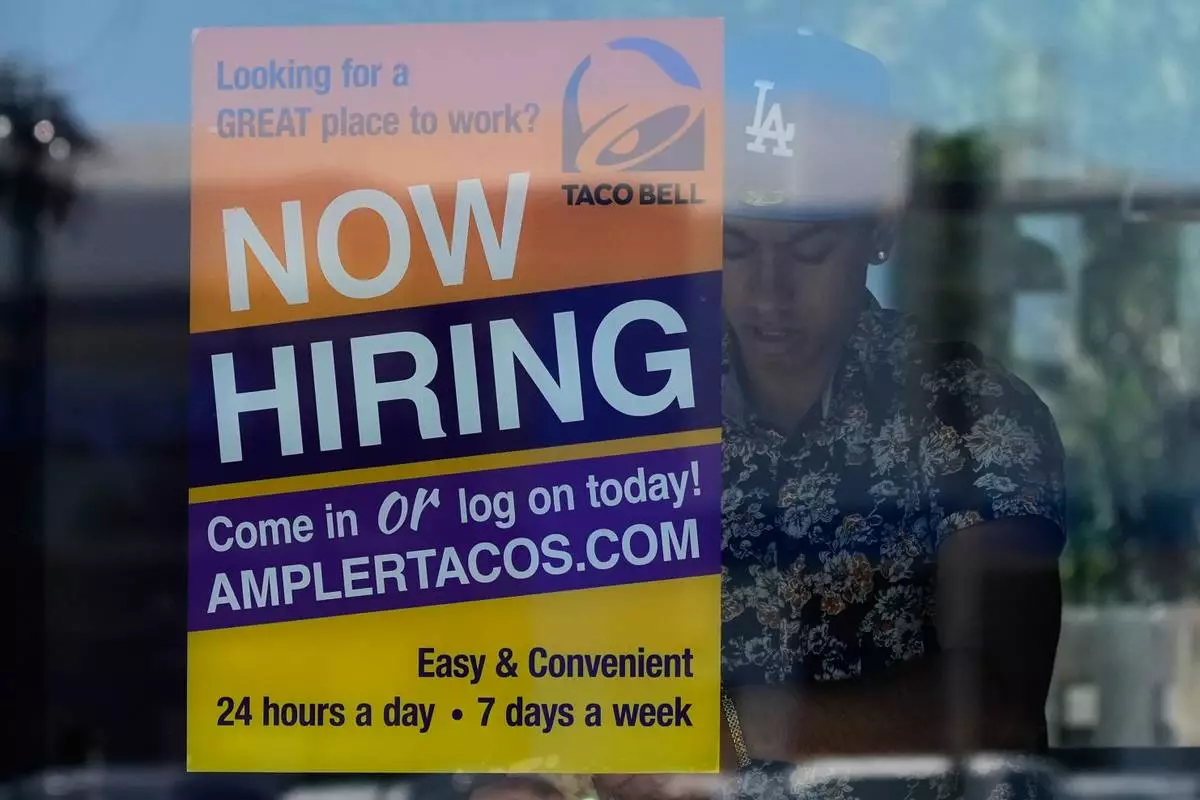
A hiring sign is displayed at a restaurant in Niles, Ill., Thursday, May 14, 2026. (AP Photo/Nam Y. Huh)

Drones operated by Zipline leave base to make deliveries from a Walmart store in Pea Ridge, Ark., Friday, Sept. 26, 2025. (AP Photo/Charlie Riedel)

Options trader Anthony Spina works on the floor of the New York Stock Exchange, Friday, May 22, 2026. (AP Photo/Richard Drew)

Trader Robert Arciero works on the floor of the New York Stock Exchange, Friday, May 22, 2026. (AP Photo/Richard Drew)