Traditional folk music and dance from southwest China's Xizang Autonomous Region, blended creatively with street dance, has captivated a massive online audience, earning tens of millions of likes on short-video platforms.
This innovative dance that has become popular nationwide was done by the Xizang Street Dance Alliance at the sub-venue of the 2025 Spring Festival Gala, broadcast by China Media Group (CMG).
The 2025 gala carried special significance as it marked the first since China's Spring Festival was inscribed on UNESCO's Representative List of the Intangible Cultural Heritage of Humanity.
Namkha Wangchen, a street dance enthusiast, was one of the performers.
"My name is Namkha Wangchen. I am a teacher in resource prospecting at the School of Engineering, Xizang University, and also a street dance enthusiast. We mainly dance to music played on the Dramyin, a Tibetan musical instrument. Our dance combines street dance moves, such as locking and breaking, with some Tibetan dance moves," said Namkha Wangchen.
The alliance has continued to produce ingenious works that merge diverse cultural elements, attracting widespread acclaim across social media.
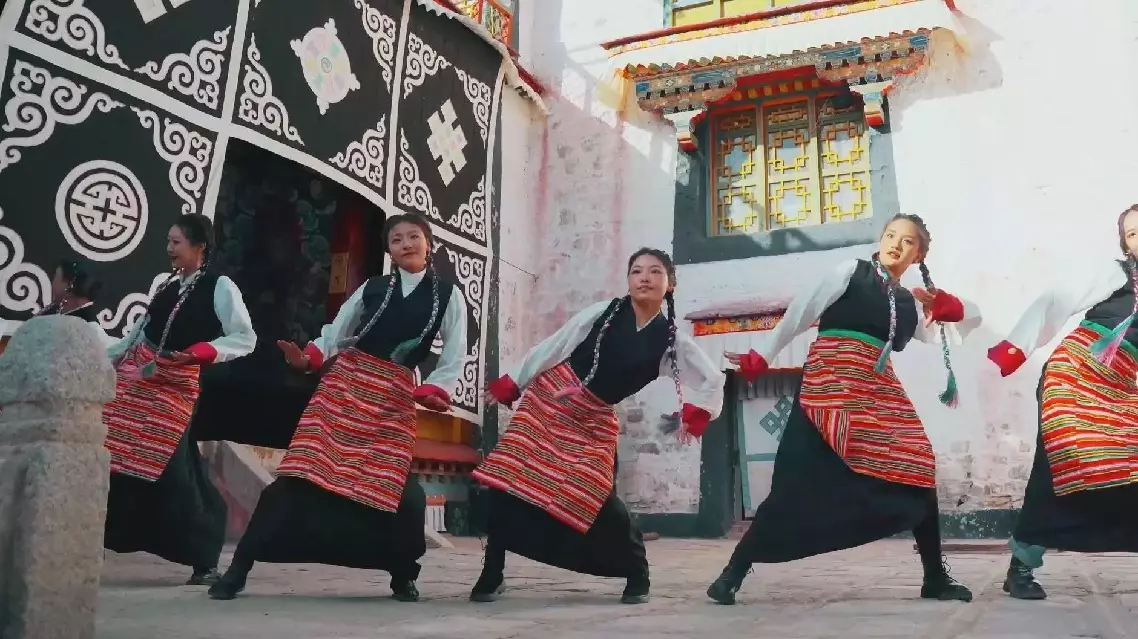
Tibetan dance blended with street dance elements gain online popularity
The 32nd Asia-Pacific Economic Cooperation (APEC) Ministers Responsible for Trade Meeting concluded in east China's Suzhou on Saturday, yielding fruitful results and laying significant groundwork for the APEC Economic Leaders' Meeting in November.
The trade ministers' meeting focused on "building an open and predictable regional and multilateral economic and trade order" and "fostering new engines of innovative and dynamic trade and investment cooperation."
Chinese Commerce Minister Wang Wentao briefed the media on the meeting's outcomes at a press conference.
Wang said the meeting issued a joint statement titled the Suzhou Statement, and approved the latest edition of the APEC Roadmap for Innovative, Competitive and Resilient Services.
All parties agreed to advance policy innovation and reform in services trade, build an open and predictable investment environment, improve regional trade facilitation and supply chain resilience, strengthen standards coordination, and enhance intellectual property protection, Wang told the media.
He also said that substantial progress was made on a framework document for regional digital trade cooperation and the ministers emphasized promoting inclusive AI development, strengthening AI-related trade, and bridging the digital divide to ensure shared benefits from digital transformation.
The minister noted that the outcomes of the meeting demonstrated strong cooperation willingness, highlighted an innovation-oriented approach, and reflected inclusiveness and shared benefits. "The fact that Asia-Pacific economies can come together, uphold the original aspiration of promoting trade and investment liberalization and facilitation while supporting economic growth and prosperity, and engage in in-depth discussions on the important issue of 'where multilateral and regional economic and trade cooperation is headed,' fully demonstrates that open regionalism and true multilateralism enjoy broad support, and that mutual success and shared development serve the fundamental interests of all economies," Wang said.
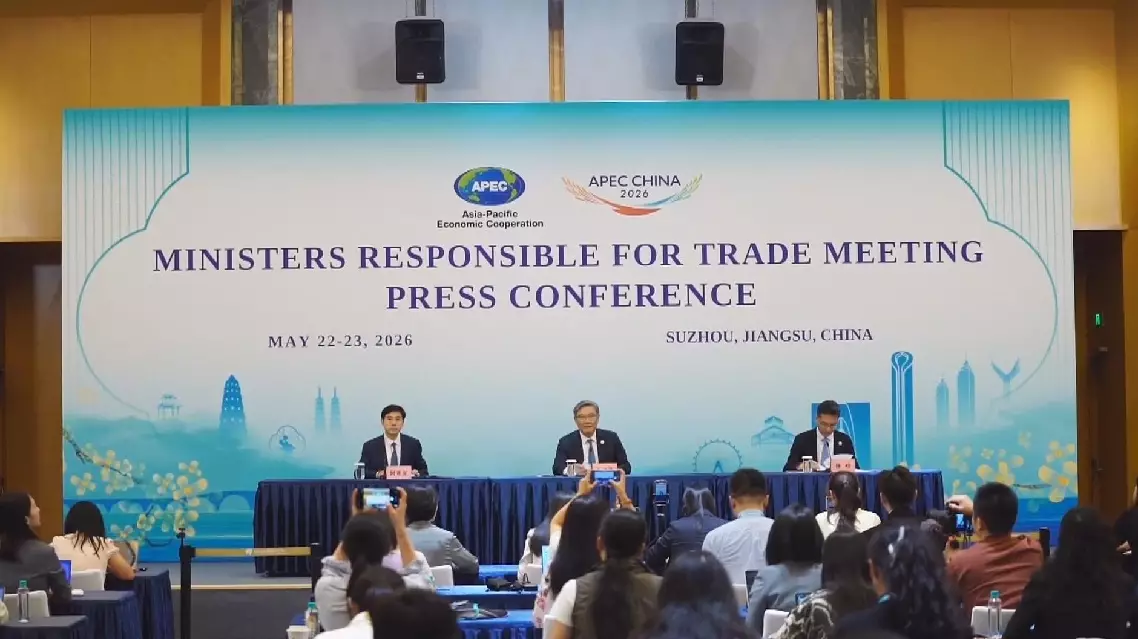
2026 APEC trade ministers' meeting concludes with fruitful results