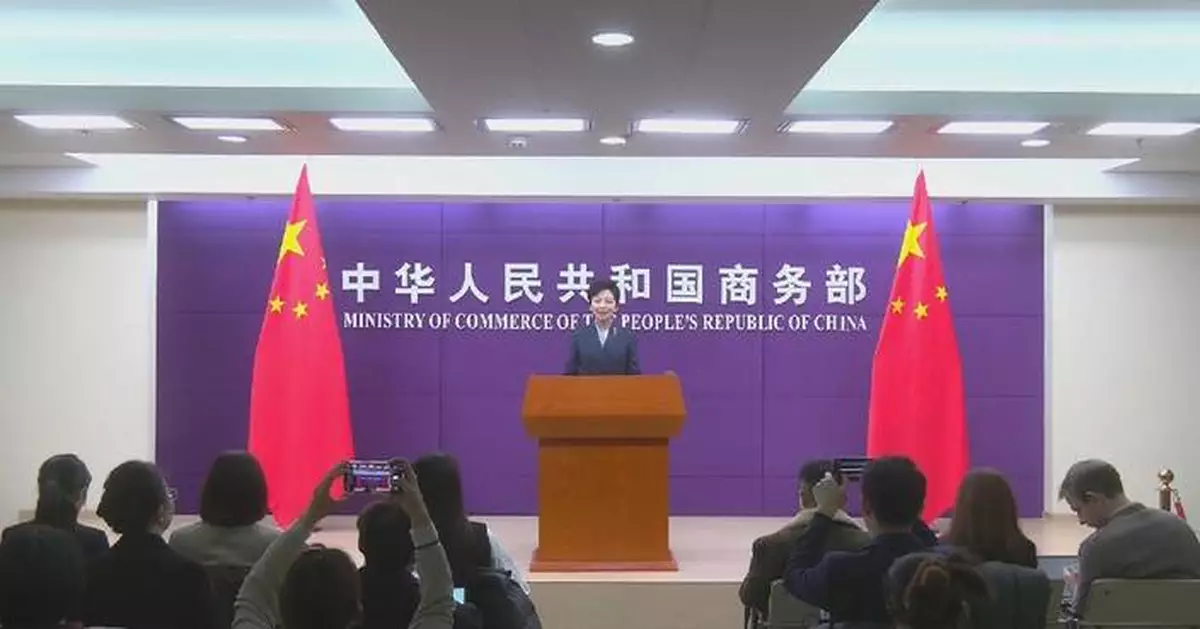
The Chinese Commerce Ministry on Thursday urged Japan to immediately rectify its erroneous actions that have aroused widespread public indignation in China.
Regarding a question on media reports alleging the Chinese government has informed Japan that it would suspend imports of Japanese aquatic products, the ministry's spokeswoman He Yongqian said she currently "has no information to provide", but stressed that Japanese Prime Minister Sanae Takaichi's wrongful remarks have drawn strong public outrage in China.
"Let me stress that Japanese Prime Minister Sanae Takaichi's erroneous remarks concerning China have aroused strong public outrage among the Chinese people. Japan cannot expect to damage Chinese sentiment while seeking benefits at the same time. This is not the right way to deal with China. We urge Japan to immediately correct its wrongdoings," she said.
Speaking at a parliamentary meeting on Nov. 7, Takaichi made blatant suggestion of possible military involvement in the Taiwan Strait, which has drawn global criticism for reviving militarism and threatening regional stability.
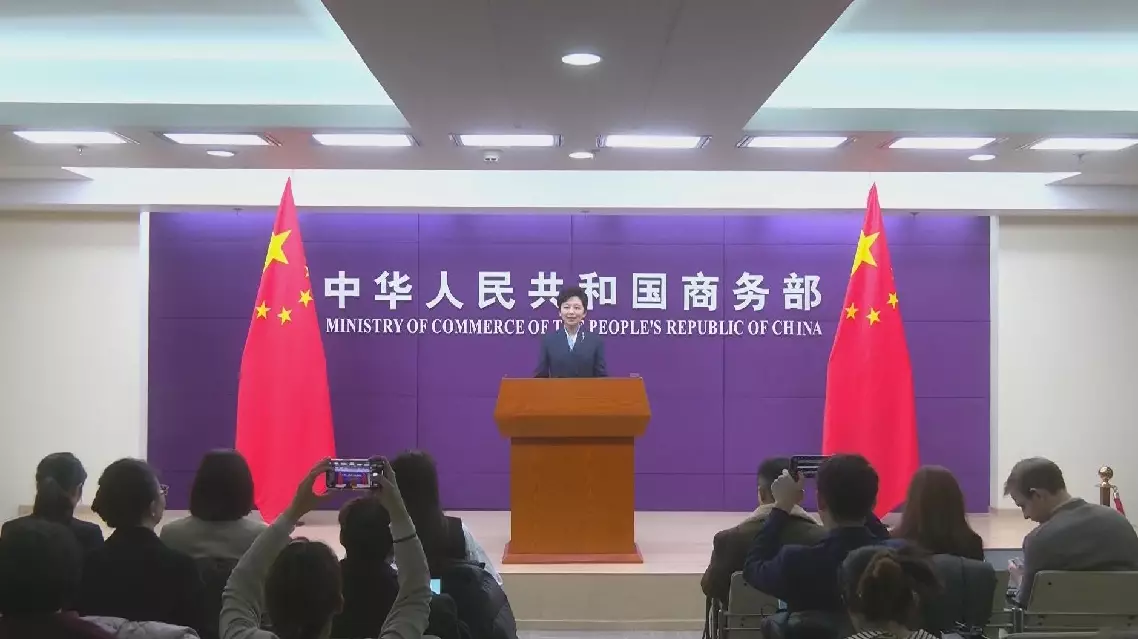
Japanese PM's remarks draw strong public outrage in China: spokeswoman
The restricted navigation through the Strait of Hormuz has triggered significant disruptions across the international shipping sector, driving up shipping costs and legal pressures related to shipping.
Iran has restricted navigation through the Strait of Hormuz, a vital strategic waterway linking the Persian Gulf to the Indian Ocean, as part of its response to U.S. and Israeli military attacks that started on Feb 28.
The partial blockade of this vital global energy route has not only impacted global energy supplies but also caused a ripple effect on energy trading, shipping operations, and the insurance market.
Wai Yue Loh, partner of DAC Beachcroft, and a specialist in shipping, trade, commodities and insurance law said he has been dealing with questions from shipping clients after the conflict in Iran broke out.
He said the commodities traders bear the brunt of Strait of Hormuz crisis and explained the interconnected vulnerabilities across the three industries most affected.
"It's easy to forget that the first industry directly affected would be the commodities traders who are buying and reselling crude oil coming out from the Middle East. Crude oil cargoes from this region account for about 25 percent or more of the world's crude oil supplies. The second industry affected would be the shipowners or the ship operators whose ships are chartered by these commodities traders, in simple terms hired by these commodity traders, to carry these cargoes from the Persian Gulf to refineries around the world for refining. These refined products are then on-sold to other buyers worldwide. The third would be the insurance industry that provides, amongst other things, war risk cover for ships that are trading globally," he said.
With the rising risks of war, shipping companies face not only security challenges but also complex legal issues such as rising insurance costs, increased uncertainty in contract performance, and the apportionment of liability, he added.

Hormuz Strait crisis delivers severe blow to global shipping industry