Higher U.S. tariffs are triggering heightened market uncertainty across Latin America and the Caribbean, with the full effects expected to hit in 2026, a new United Nations report warned on Wednesday.
The International Trade Outlook for Latin America and the Caribbean 2025, released by the UN Economic Commission for Latin America and the Caribbean (ECLAC), indicated that although the region currently faces an average effective tariff rate of about 10 percent following U.S. tariff hikes in February 2025, which is still below the global average of 17 percent, the full impact of these policy changes will likely become evident in 2026.
"2026 will be the first year with a full 12 months under the new tariffs, and that's when we will fully feel the effects. The impact will not be limited to Latin America. U.S. domestic markets will also face greater shocks, especially in retail, where consumers may experience inflation. U.S. multinationals relying on supplies from Latin America will also bear cost pressures," José Manuel Salazar-Xirinachs, executive secretary of ECLAC.
The report further cautioned that shifts in U.S. trade policy are affecting foreign direct investment (FDI) flowing into the region, particularly in export industries oriented toward the U.S. market.
In the first half of 2025, FDI project announcements in the region fell to 31.37 billion dollars, a 53 percent decrease from the same period in 2024, and 37 percent below the 2015-2024 average.
The ECLAC called on countries in the region to strengthen cooperation with a broader range of trade partners including China.The report also recommended avoiding measures that could increase uncertainty amid a global trade landscape already marred by major disruptions and geopolitical tensions.
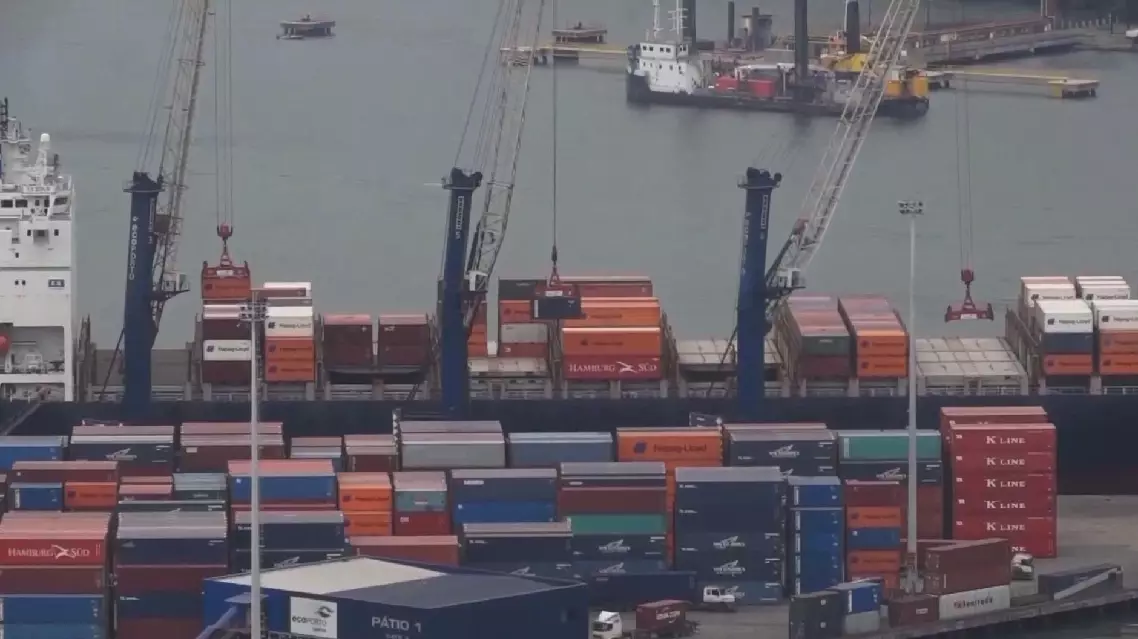
US tariff hikes fuel market uncertainty in Latin America: UN report
A Japanese energy expert has warned that ongoing oil supply shortages caused by escalating tensions in the Middle East could continue to drive up prices, intensify concerns over supply security, and ultimately drag down the world economy if the situation persists.
The ongoing conflict sparked by the attacks of the United States and Israel against Iran has tightened global energy supplies, prompting countries to take emergency measures. The Japanese government began releasing oil reserves on March 16.
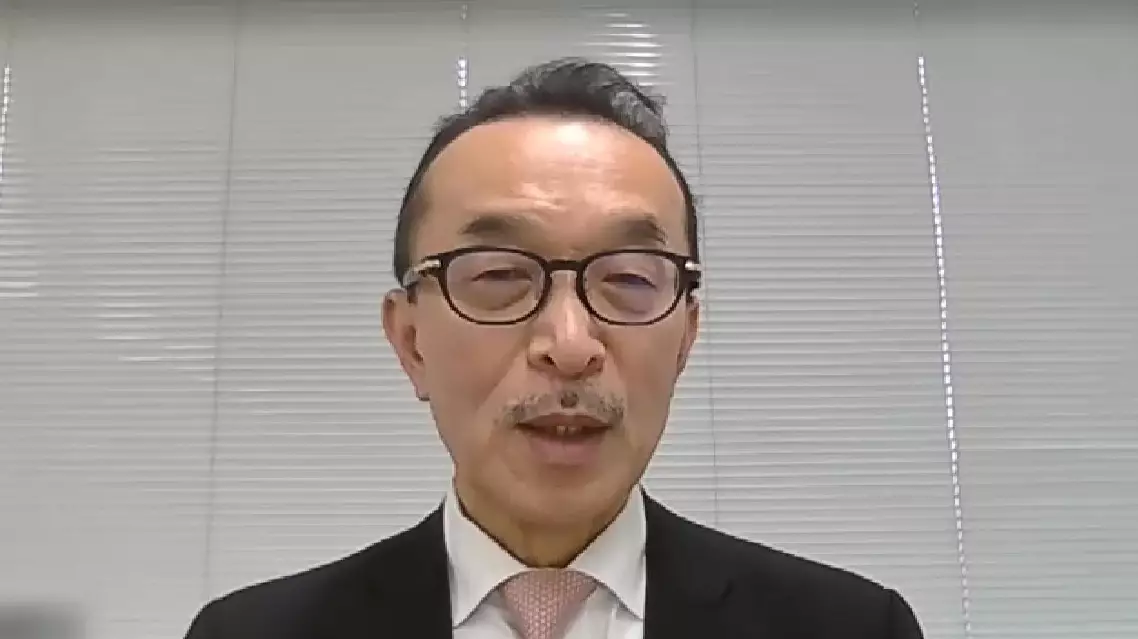
In an Interview with China Central Television on Wednesday, Ken Koyama, chief economist at Japan's Institute of Energy Economics, warned that the uncertain situation in the Middle East could keep pushing up oil prices and worsen supply concerns.
"This crisis caused by attacks by the U.S. and Israel has already lasted a month. Although there are various reports about a ceasefire, the actual direction remains unclear. If this situation continues, not only will it push up oil prices for Japan and the world, but it will also intensify concerns about supply shortages, dragging down the global economy. The longer it lasts, the more serious the problem becomes," said Koyama.
Koyama noted that shipping disruptions in the Strait of Hormuz have nearly halted Middle Eastern exports of refined oil products, posing a severe challenge for Japan, which relies heavily on these imports.
"Crude oil can be transported via pipelines that bypass the Strait of Hormuz, but there are no such alternative routes for refined oil products. Exports of refined oil products from the Middle East have been almost completely interrupted. This presents a huge challenge for countries dependent on Middle Eastern oil products. About 40 percent of Japan's naphtha is imported directly from the Middle East, and the raw materials for naphtha produced domestically also rely on crude oil from the region. So, the overall impact is significant. If the crisis is prolonged, the effects will gradually expand, and the outlook is not optimistic," he said.
Oil shortage threatens global economy: Japanese expert