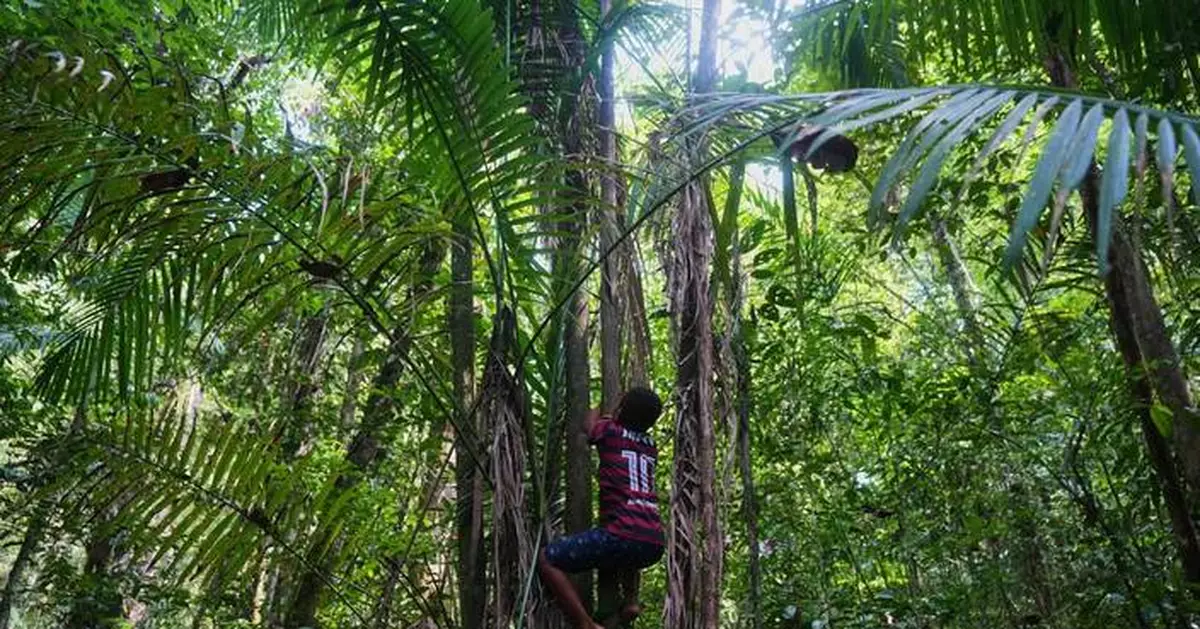
BELEM, Brazil (AP) — Zaqueu Belém Araújo cuts a leaf from an acai tree and skillfully folds and twists it, tying one end to the other to form a strong ring. He takes off his sandals, puts his bare feet into the palm ring and quickly pulls himself up the tree trunk to reach a branch of the coveted fruit.
This is how the acai berry has been harvested for generations in Brazilian quilombos, communities of descendents of runaway slaves. The minimally invasive technique doesn't hurt the trees and helps keep Amazon forests standing.
Click to Gallery
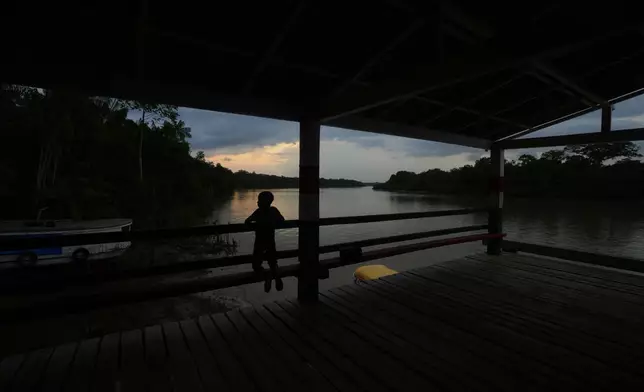
A boy waits for a boat at the harbor in Itacoa Miri, Brazil, Tuesday, Nov. 18, 2025. (AP Photo/Fernando Llano)
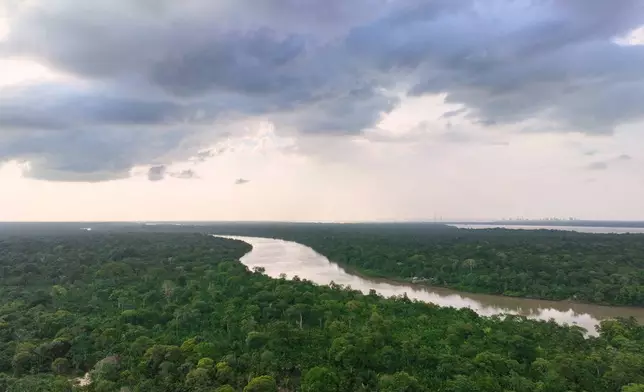
Trees surround the Guama River in Itacoa Miri, Brazil, Tuesday, Nov. 18, 2025. (AP Photo/Fernando Llano)
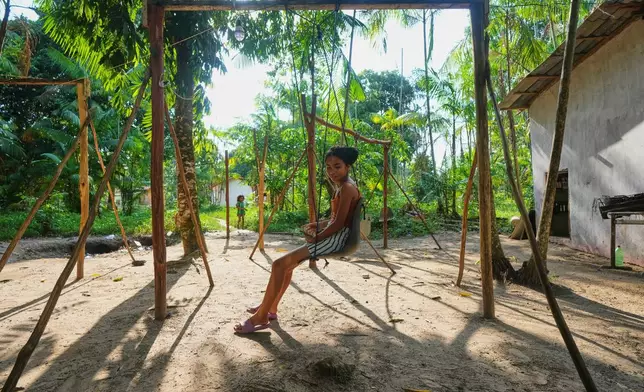
A girl plays in a park in Itacoa Miri, Brazil, Tuesday, Nov. 18, 2025. (AP Photo/Fernando Llano)
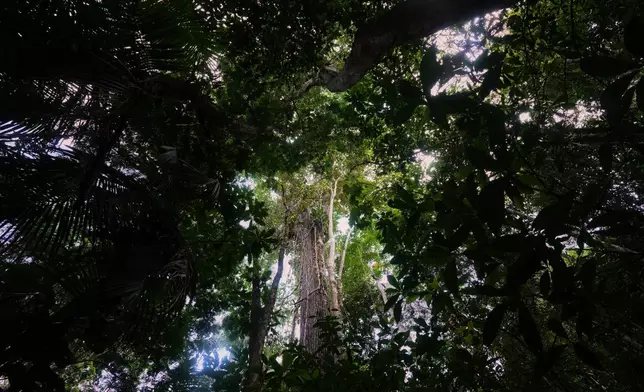
Trees surround the area of a quilombola, an Afro-descendant community called Menino Jesus in Acara, Brazil, Tuesday, Nov. 18, 2025. (AP Photo/Fernando Llano)
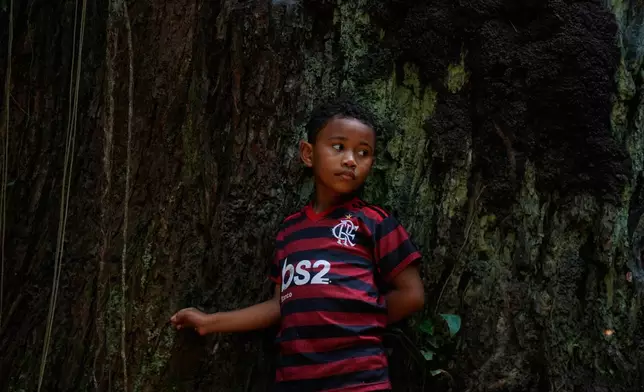
Riquelme listens to his grandpa Edson Coelho during a tour of a quilombola, an Afro-descendant community called Menino Jesus in Acara, Brazil, Tuesday, Nov. 18, 2025. (AP Photo/Fernando Llano)
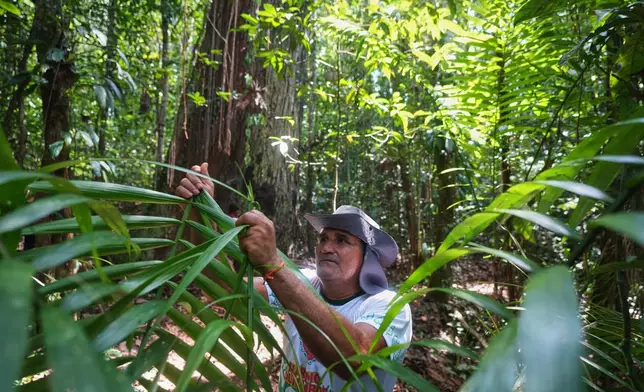
Edson Coelho broke a palm leaf to show as he makes a tool to be use to climb an acai tree at a quilombola, an Afro-descendant community called Menino Jesus in Acara, Brazil, Tuesday, Nov. 18, 2025. (AP Photo/Fernando Llano)
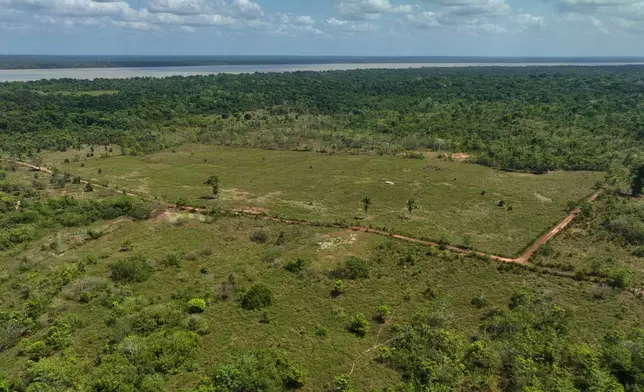
A proposed landfill, front, is visible near a quilombola, an Afro-descendant community called Menino Jesus in Acara, Brazil, Tuesday, Nov. 18, 2025. (AP Photo/Fernando Llano)
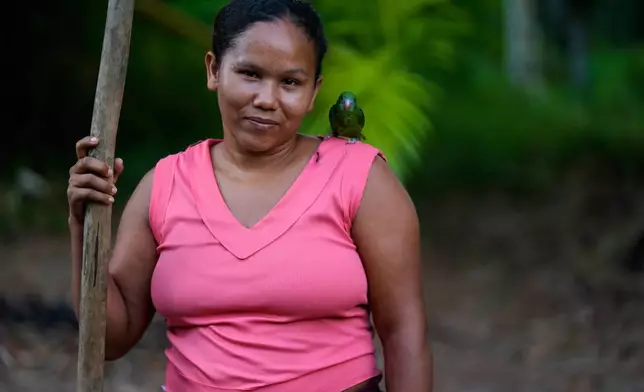
Adria poses for a photo with her little mascot at the backyard of her home in Itacoa Miri, Brazil, Tuesday, Nov. 18, 2025. (AP Photo/Fernando Llano)
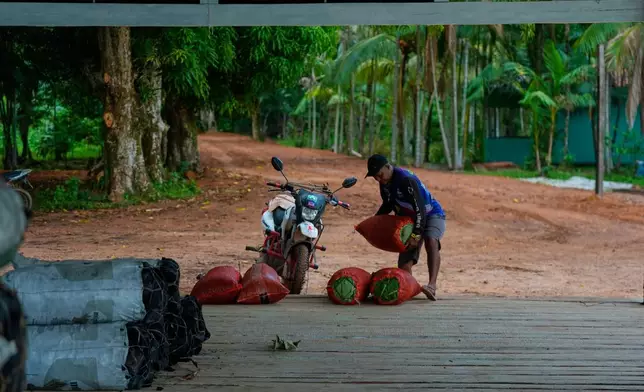
A man places sacks with acai at the port tarmac in Itacoa Miri, Brazil, Tuesday, Nov. 18, 2025. (AP Photo/Fernando Llano)
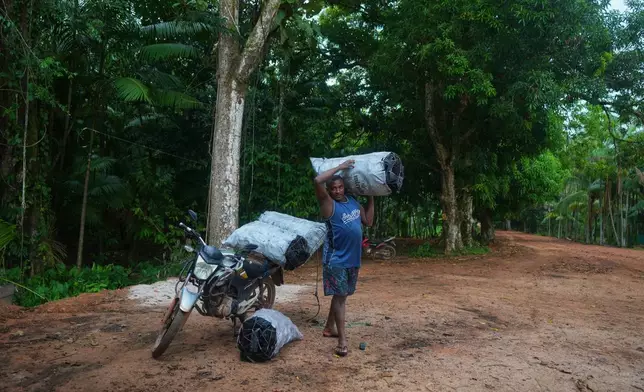
A man carries a charcoal sack to the harbor in Itacoa Miri, Brazil, Tuesday, Nov. 18, 2025, to be sent for sale in Belem. (AP Photo/Fernando Llano)
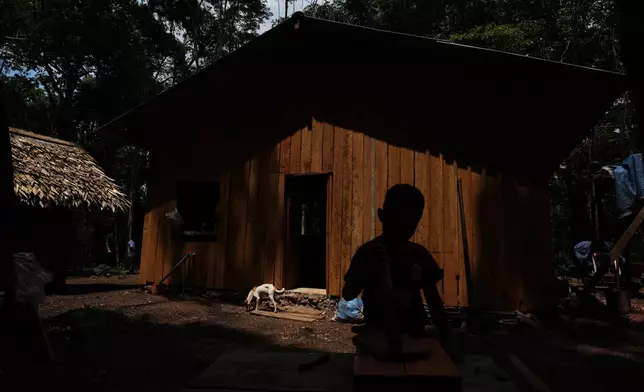
Riquelme plays in the backyard of his home at a quilombola, an Afro-descendant community called Menino Jesus, in Acara, Brazil, Tuesday, Nov. 18, 2025. (AP Photo/Fernando Llano)
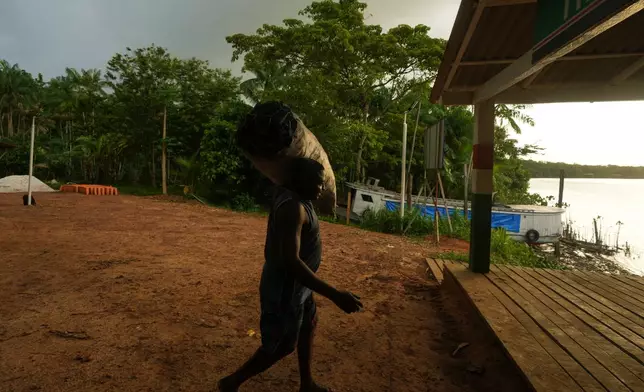
A man carries a charcoal sack to the harbor in Itacoa Miri, Brazil, Tuesday, Nov. 18, 2025, to be shipped for sale in Belem. (AP Photo/Fernando Llano)
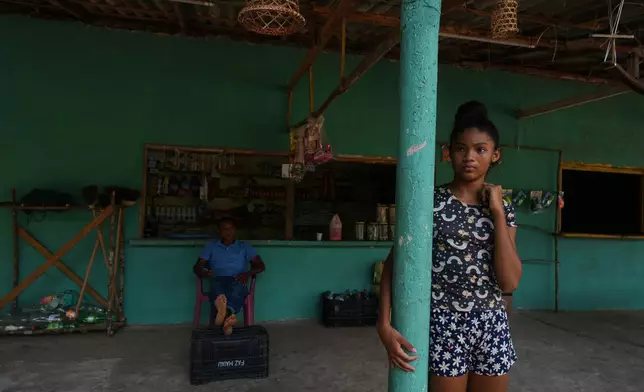
A girl stands next to her father in a grocery shop in Itacoa Miri, Brazil, Tuesday, Nov. 18, 2025. (AP Photo/Fernando Llano)
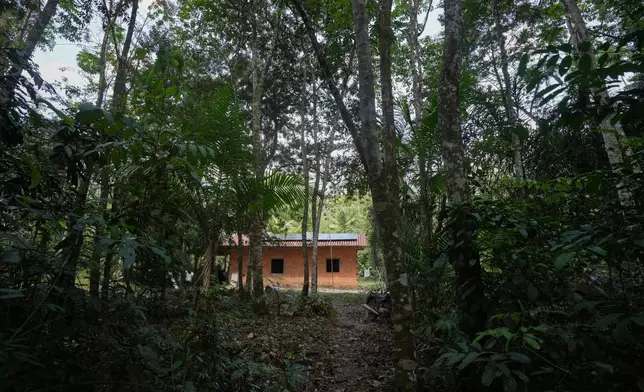
A house is visible in the jungle at a quilombola, an Afro-descendant community called Menino Jesus in Acara, Brazil, Tuesday, Nov. 18, 2025. (AP Photo/Fernando Llano)
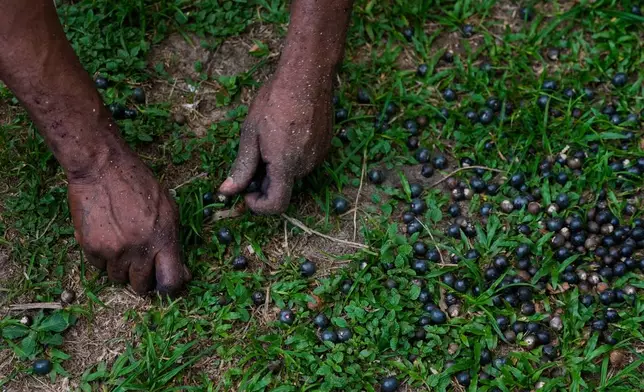
Alf picks up berries of acai outside of his home in Itacoa Miri, Brazil, Tuesday, Nov. 18, 2025. (AP Photo/Fernando Llano)
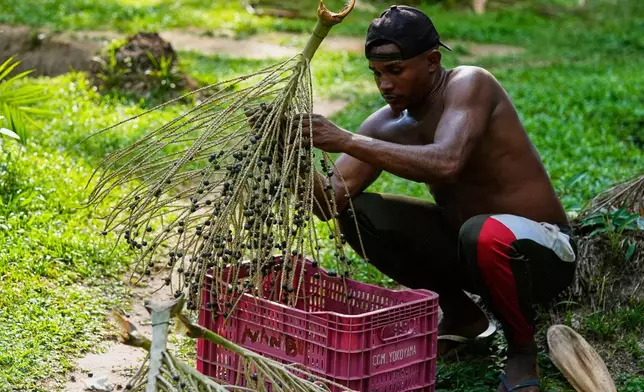
Alf removes berries of acai outside of his home in Itacoa Miri, Brazil, Tuesday, Nov. 18, 2025. (AP Photo/Fernando Llano)
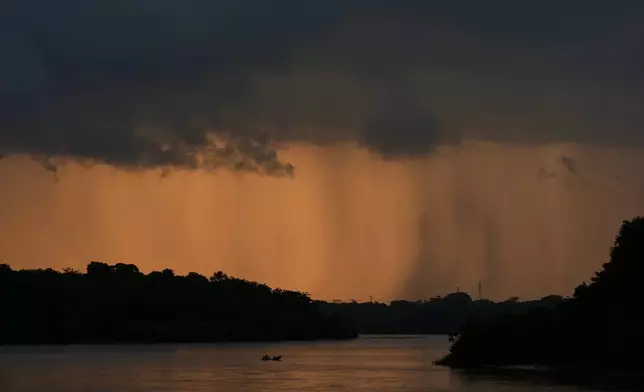
A small boat crosses a river approaching Itacoa Miri, Brazil, Tuesday, Nov. 18, 2025. (AP Photo/Fernando Llano)
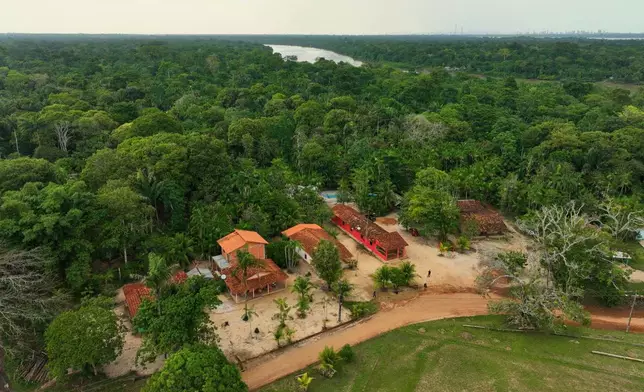
Houses at a quilombola, an Afro-descendant community called Menino Jesus, are visible in Acara, Brazil, Tuesday, Nov. 18, 2025. (AP Photo/Fernando Llano)
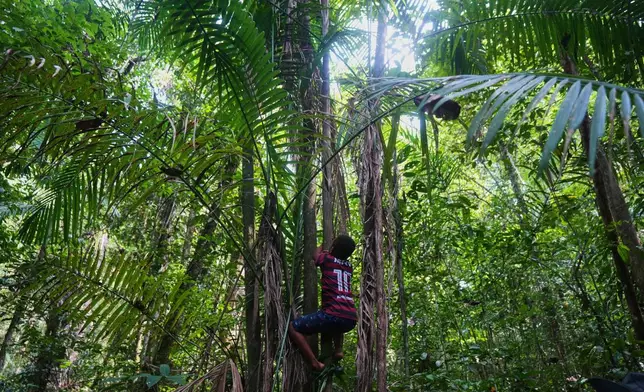
Riquelme climbs an acai palm at a quilombola, an Afro-descendant community called Menino Jesus in Acara, Brazil, Tuesday, Nov. 18, 2025. (AP Photo/Fernando Llano)
“We understand that keeping the forest alive also keeps us alive,” said Erica Monteiro, one of the about 500 residents of Itacoa Miri, a community of unpaved streets about 40 minutes away by boat from the sprawling city of Belem, where U.N. climate talks are being held.
Over the course of the climate conference, which began early this month and is scheduled to end on Friday, both residents of quilombos and Indigenous peoples have been pushing for the government to issue more land titles, which they see as key to defending their rights and protecting the ecosystems where they live.
While her mother grinds the acai berries freshly picked from the palm tree, Monteiro explains that this fruit is key in quilombos. It's an important source of food and, by preserving traditional harvesting and production techniques, they protect the lush forest that surrounds their communities.
“Our life is this struggle to ensure that the forest stays alive. Sometimes the price we pay is very high," she said.
Monteiro, a coordinator at Malungu, an association of quilombos in the state of Para, is one of the most prominent Afro-descendant leaders in the region. Her fight to protect their land from illegal logging and land invasion for cattle ranching and soybean farming has meant threatening phone calls, attempts of extortion and intimidation.
That’s why her community fought for years to achieve what few Afro-descendants in Brazil manage to do: obtain a document recognizing their ownership of their land.
There’s almost 2,500 quilombos in the Brazilian Amazon, but only 632 have been officially mapped by federal government institutes, according to a recent study by the National Coordination of Rural Black Communities, an association of quilombolas communities.
“If you can’t prove that the land belongs to the community, agribusiness ends up doing what we call in Brazil ‘grilling,’ which is forging false documentation in their favor,” Monteiro said.
Through Malungu, Monteiro helps other quilombos in the lengthy and costly process to obtain land titles so that others can benefit as they did more than 20 years ago when they got theirs.
Since then, her community received philanthropy funding from the Ford Foundation and the Climate and Land Use Alliance (The Associated Press receives funding for climate journalism from CLUA). The support is evident in Itacoa Miri: They have a health center and a school. There is electricity and running water.
The situation is very different in the quilombo of Menino Jesus, not far from Itacoa Miri. They only received their land title in November last year and it was for less than half of the territory they claimed, according to local resident Fabio Nogueira.
About 500 meters (550 yards) from his humble brick house, a company called Revita has been trying to set up a landfill that, according to Nogueira, threatens to contaminate the area’s aquifers, on which they depend on for fishing and daily life. Revita didn't respond to an email seeking comment and there was no answer at the phone number listed for their headquarters.
“Our fear is that both the springs there (in the area where the landfill is planned) and the water in our wells will be polluted by the leachate produced by the waste,” said Nogueira, vice president of the Menino Jesus territory association.
He and his community have been fighting the landfill for years, saying they were never consulted. The Public Defender’s Office has filed a lawsuit on their behalf in the State Court of Justice, but so far it hasn't been granted.
“We feel powerless," he said. "We are afraid that we will no longer be able to survive here because of the smell and the contamination that will come after.”
The Menino Jesus community is demanding title deeds to the entire 2,160 hectares (around 5,340 acres) of land that they claim has belonged to their inhabitants for generations. So far, only 640 hectares (about 1,580 acres) have been recognized as theirs.
“A definitive title gives us legal assurance that this land belongs to the community and that other people cannot take possession of it,” Nogueira said.
He believes that if these territories are officially recognized, the forests full of chestnut and acai trees will remain standing.
That's why Monteiro, from the community of Itacoa Miri, believes the Brazilian government needs to pay attention to Afro-descendant communities and recognize the ownership of all quilombos in Brazil.
She says communities like hers should also be paid, both by Brazil and other countries, to keep the forest standing. One of the biggest announcements to come out of COP30, set to end this week, has been the establishment of a fund to pay to keep trees standing. Monteiro says she is skeptical, as other funds to preserve forests haven't reached her community.
“We are doing what the world should be doing, which is preserving the forest,” Monteiro said. “And we are paying a very high price that many countries don't want to pay.”
Follow Teresa de Miguel on X at @tdemigueles
Read more of AP’s climate coverage at http://www.apnews.com/climate-and-environment
The Associated Press’ climate and environmental coverage receives financial support from multiple private foundations. The AP is solely responsible for all content. Find the AP’s standards for working with philanthropies, a list of supporters and funded coverage areas at AP.org.
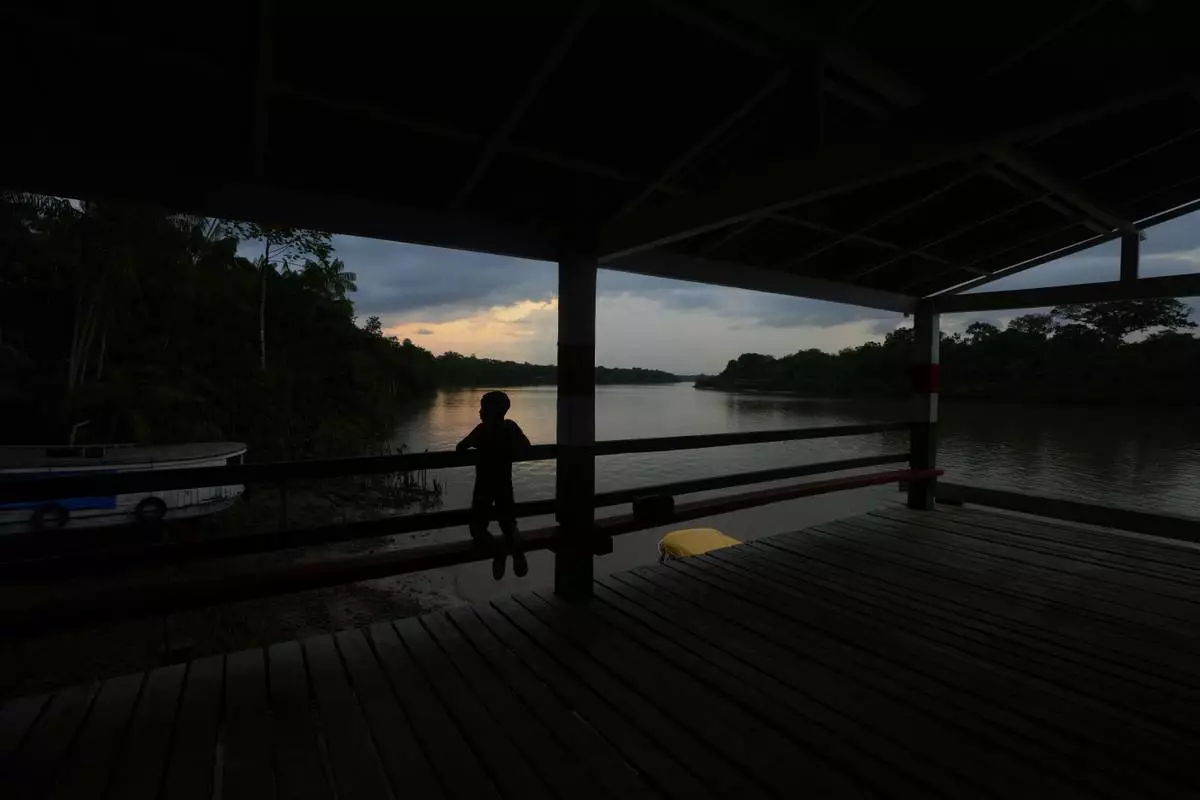
A boy waits for a boat at the harbor in Itacoa Miri, Brazil, Tuesday, Nov. 18, 2025. (AP Photo/Fernando Llano)
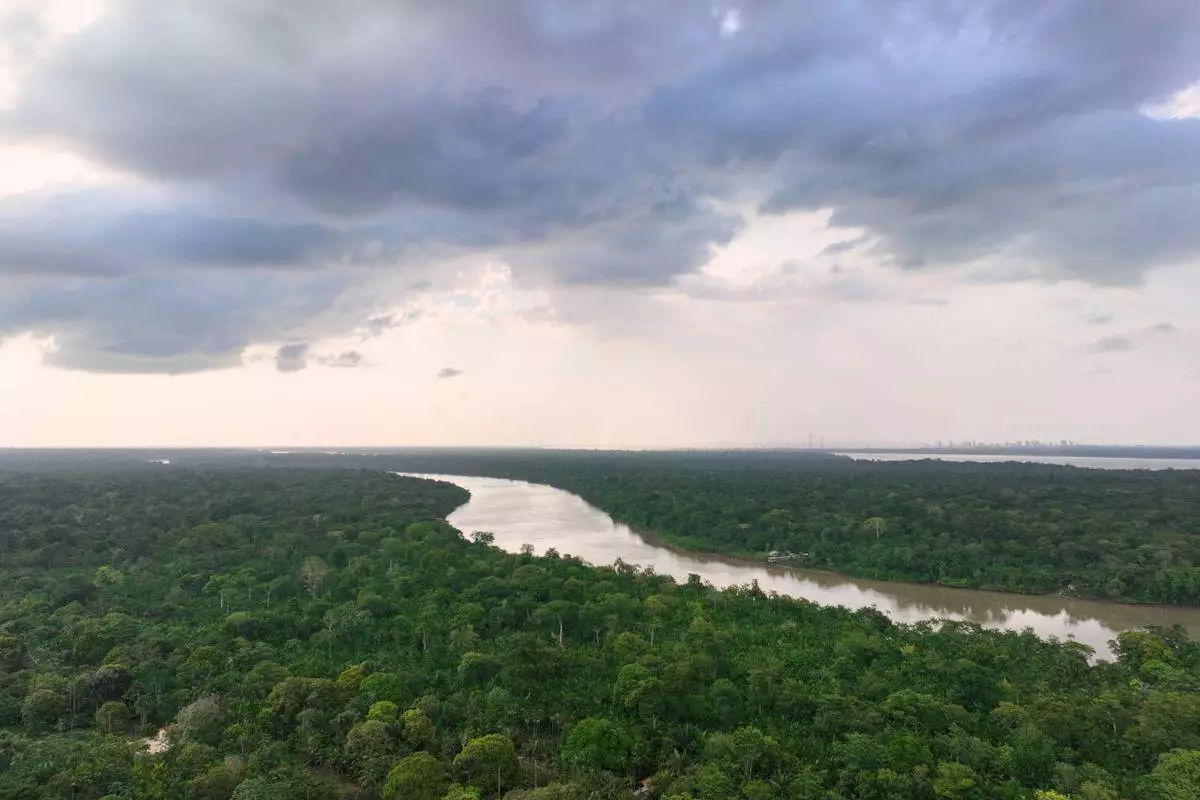
Trees surround the Guama River in Itacoa Miri, Brazil, Tuesday, Nov. 18, 2025. (AP Photo/Fernando Llano)
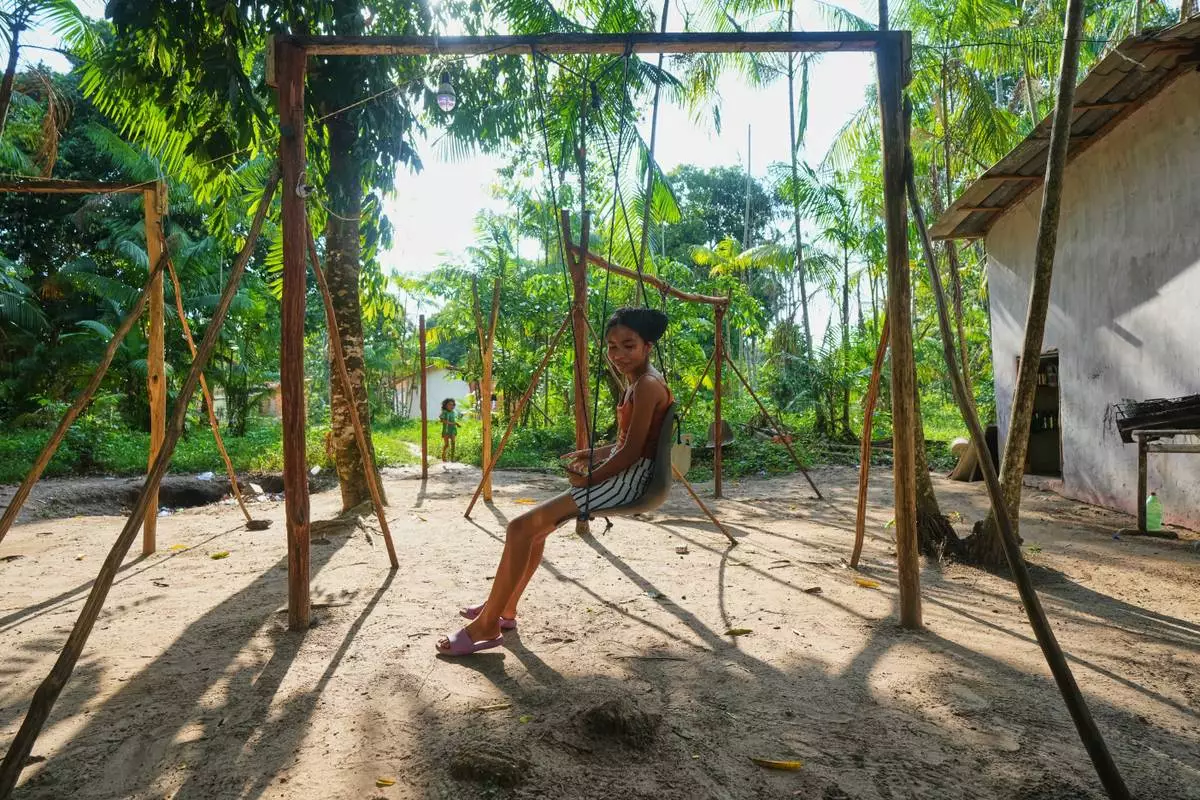
A girl plays in a park in Itacoa Miri, Brazil, Tuesday, Nov. 18, 2025. (AP Photo/Fernando Llano)
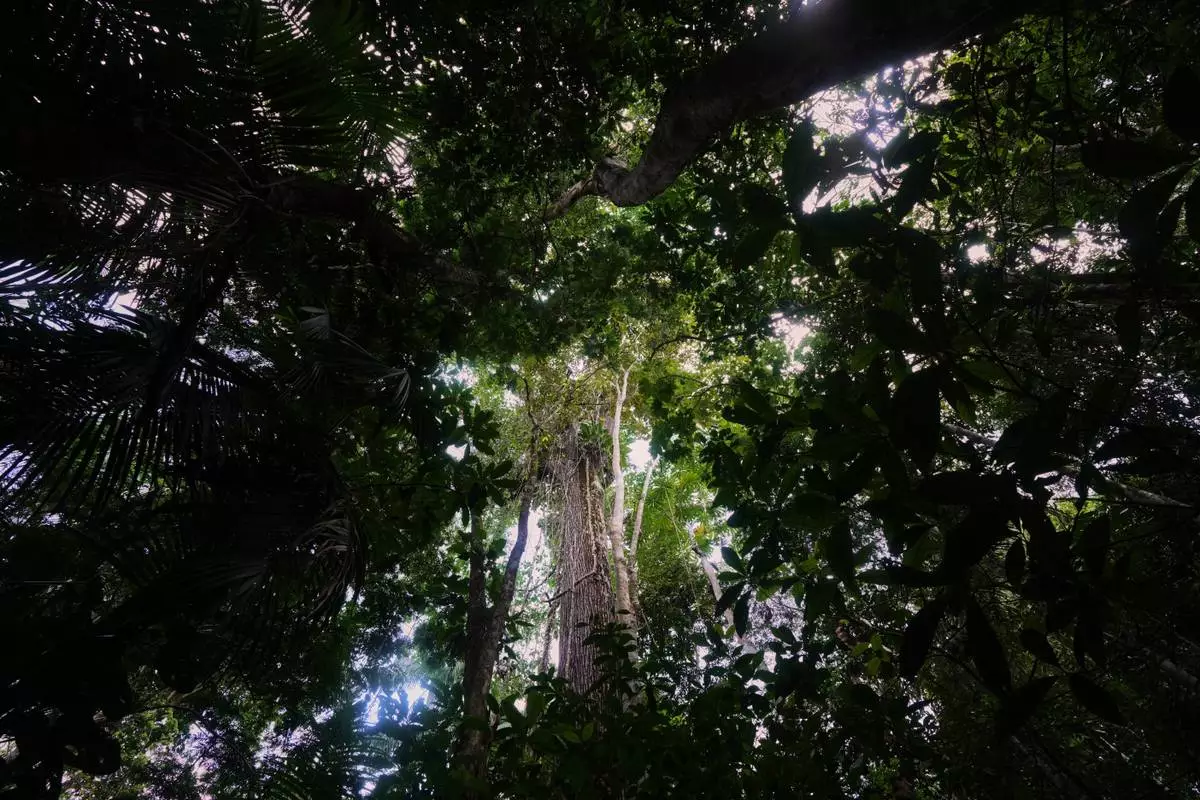
Trees surround the area of a quilombola, an Afro-descendant community called Menino Jesus in Acara, Brazil, Tuesday, Nov. 18, 2025. (AP Photo/Fernando Llano)
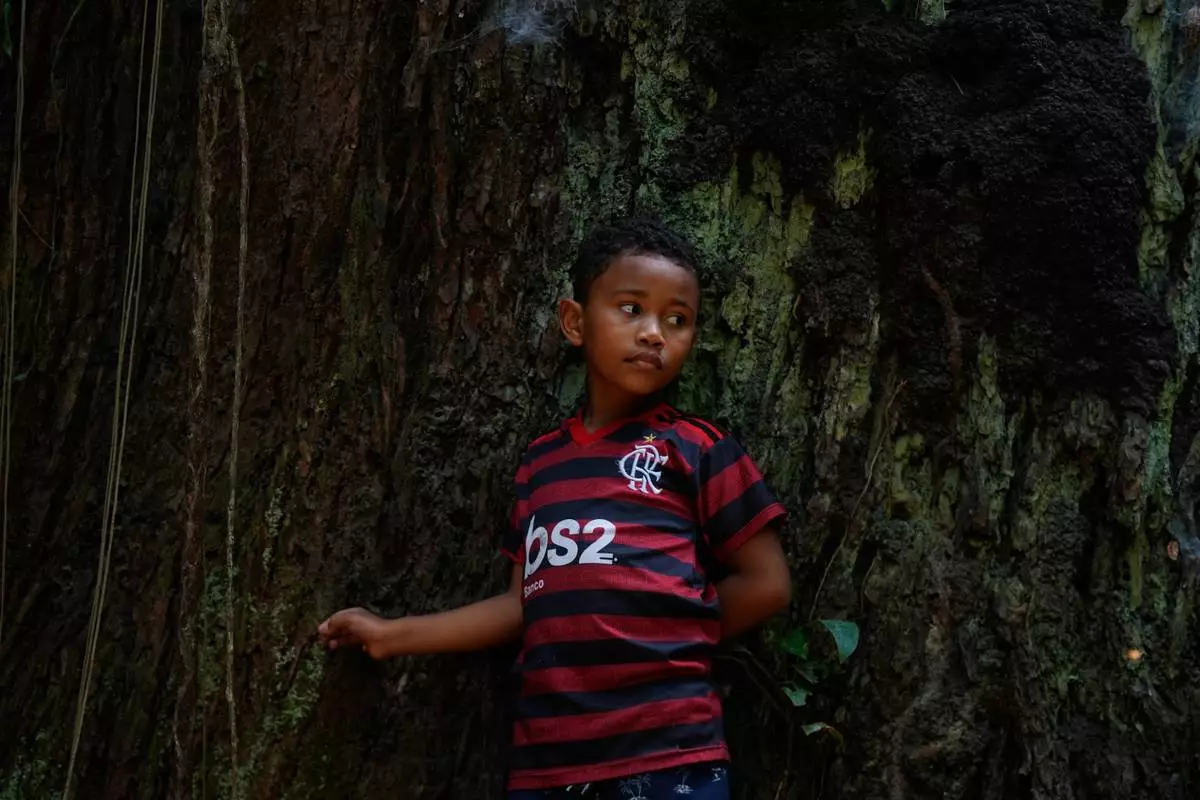
Riquelme listens to his grandpa Edson Coelho during a tour of a quilombola, an Afro-descendant community called Menino Jesus in Acara, Brazil, Tuesday, Nov. 18, 2025. (AP Photo/Fernando Llano)
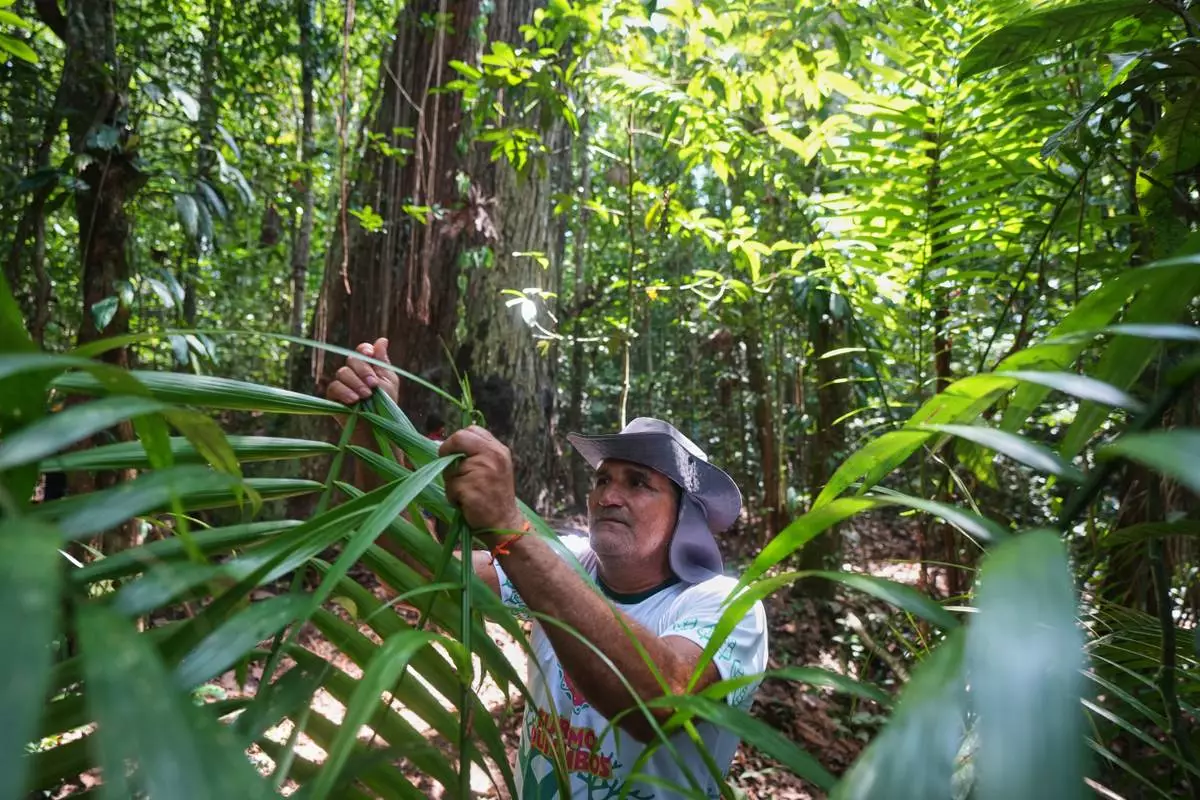
Edson Coelho broke a palm leaf to show as he makes a tool to be use to climb an acai tree at a quilombola, an Afro-descendant community called Menino Jesus in Acara, Brazil, Tuesday, Nov. 18, 2025. (AP Photo/Fernando Llano)
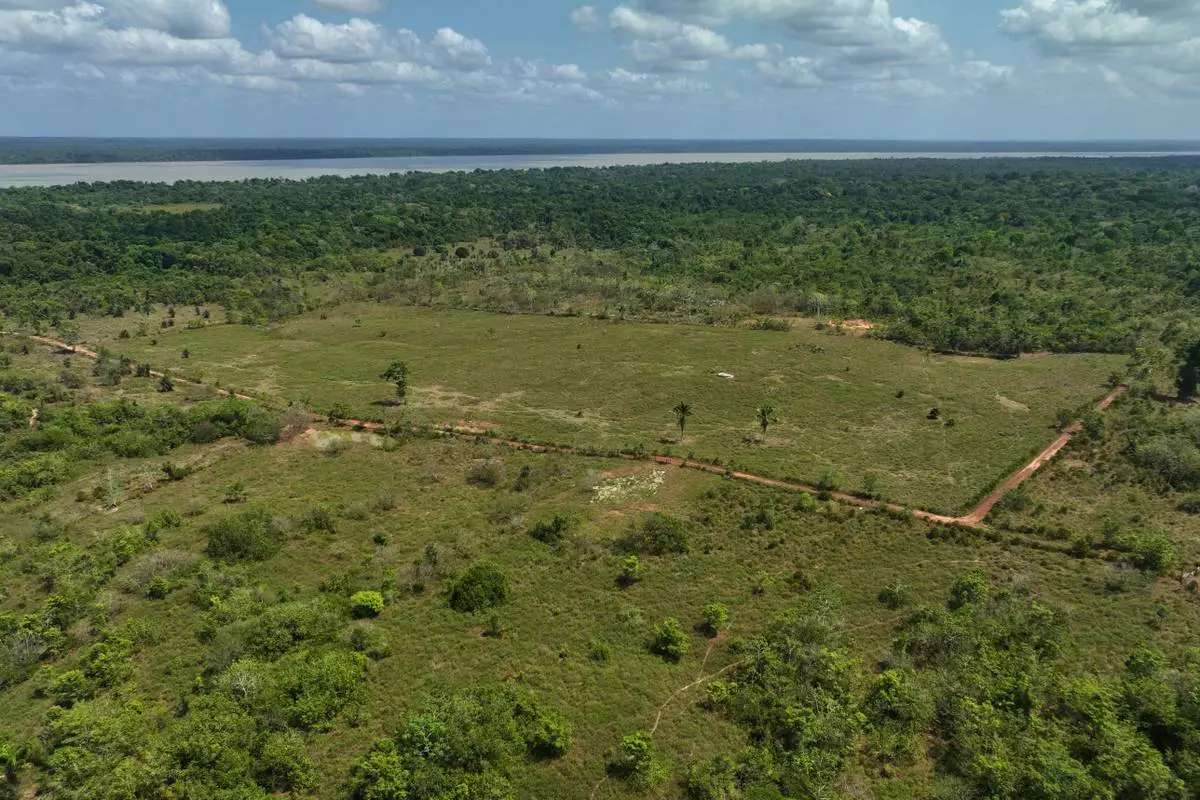
A proposed landfill, front, is visible near a quilombola, an Afro-descendant community called Menino Jesus in Acara, Brazil, Tuesday, Nov. 18, 2025. (AP Photo/Fernando Llano)
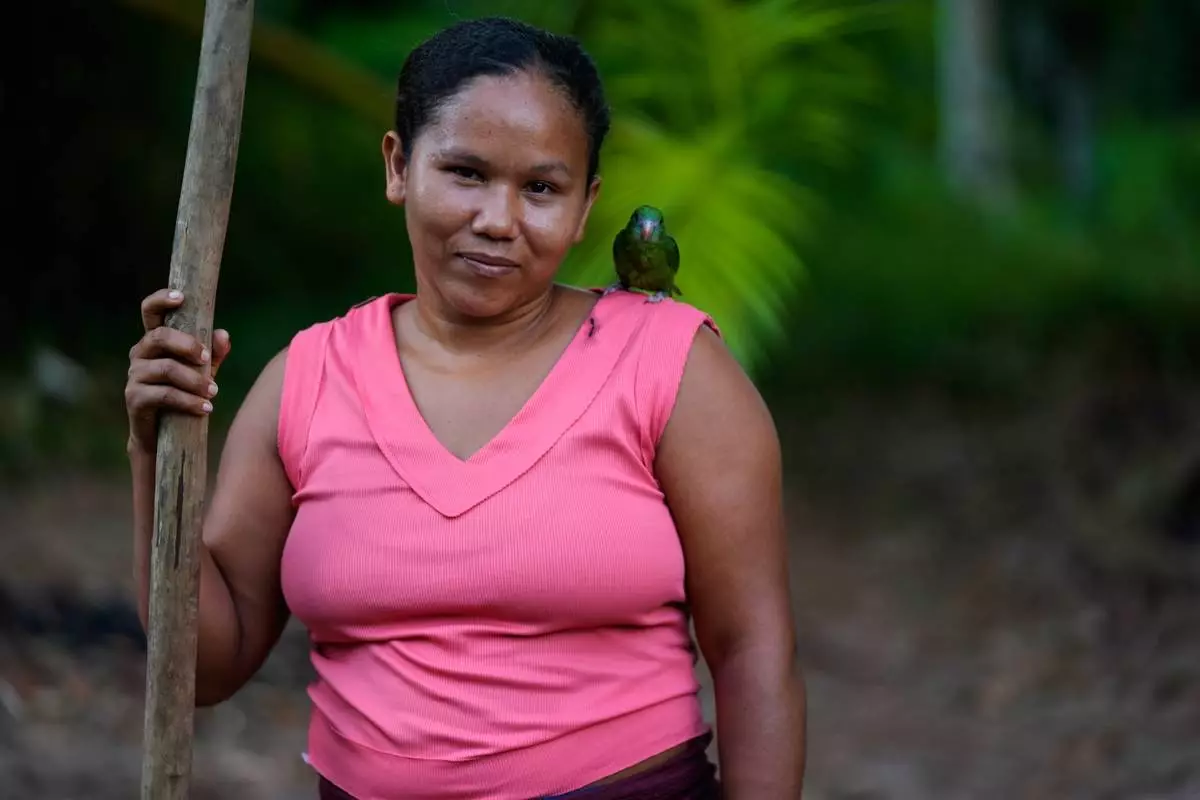
Adria poses for a photo with her little mascot at the backyard of her home in Itacoa Miri, Brazil, Tuesday, Nov. 18, 2025. (AP Photo/Fernando Llano)
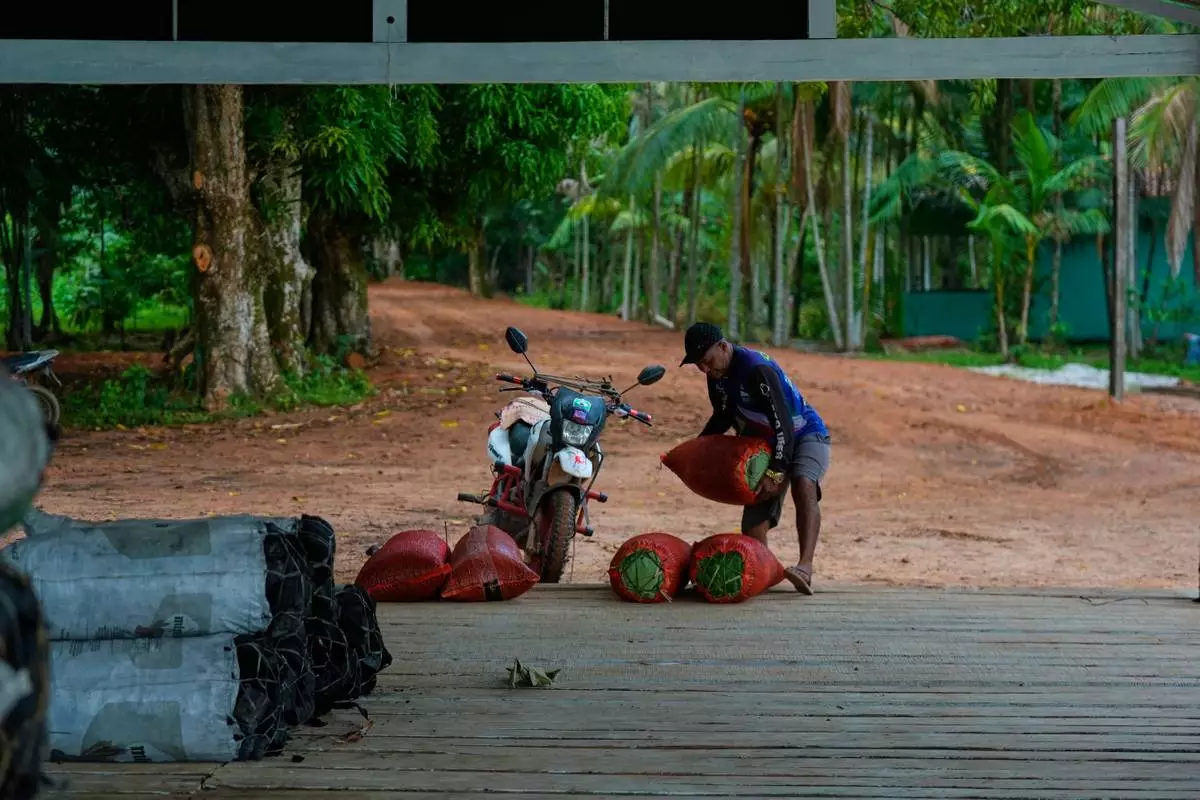
A man places sacks with acai at the port tarmac in Itacoa Miri, Brazil, Tuesday, Nov. 18, 2025. (AP Photo/Fernando Llano)
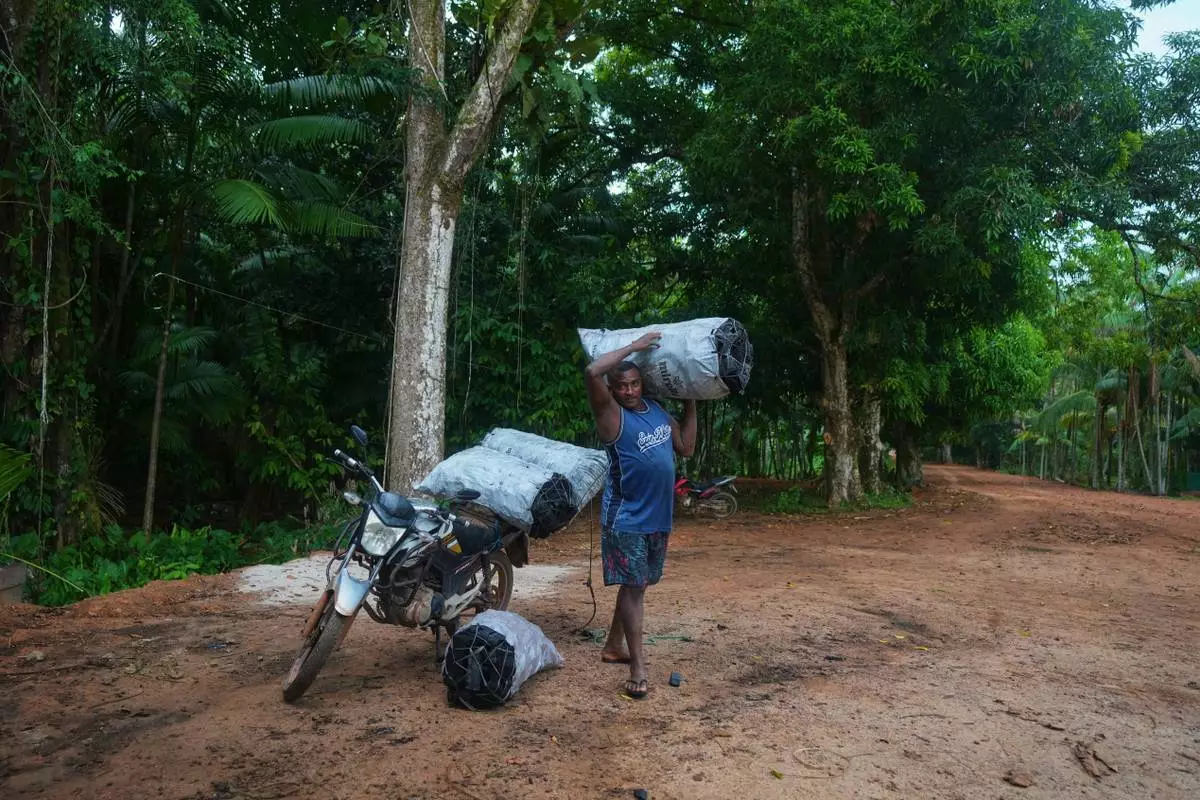
A man carries a charcoal sack to the harbor in Itacoa Miri, Brazil, Tuesday, Nov. 18, 2025, to be sent for sale in Belem. (AP Photo/Fernando Llano)
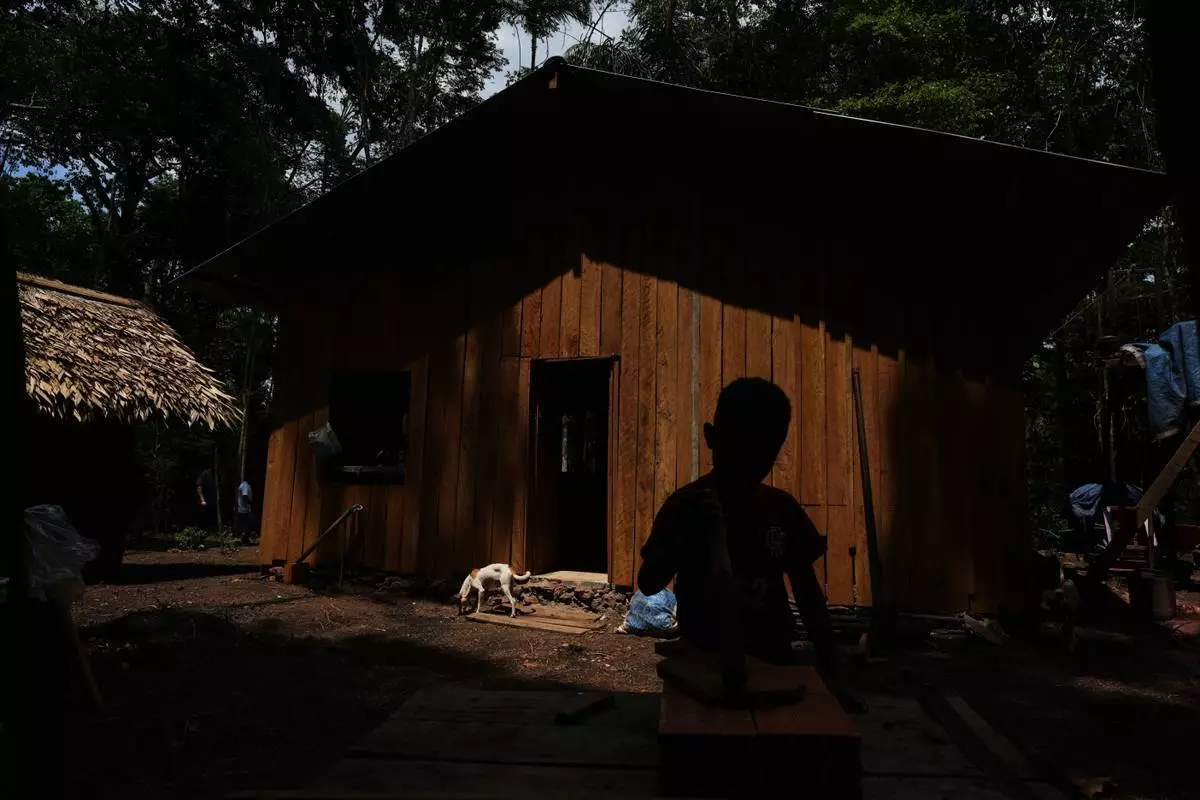
Riquelme plays in the backyard of his home at a quilombola, an Afro-descendant community called Menino Jesus, in Acara, Brazil, Tuesday, Nov. 18, 2025. (AP Photo/Fernando Llano)
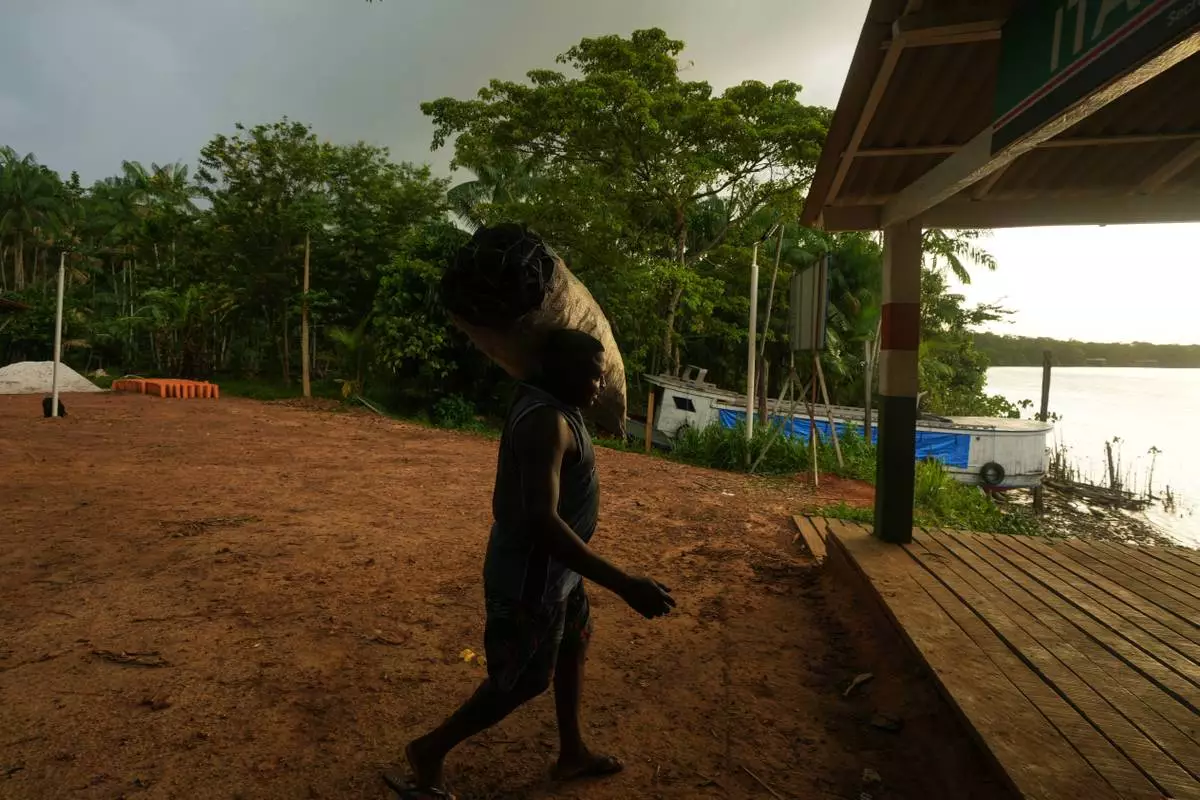
A man carries a charcoal sack to the harbor in Itacoa Miri, Brazil, Tuesday, Nov. 18, 2025, to be shipped for sale in Belem. (AP Photo/Fernando Llano)
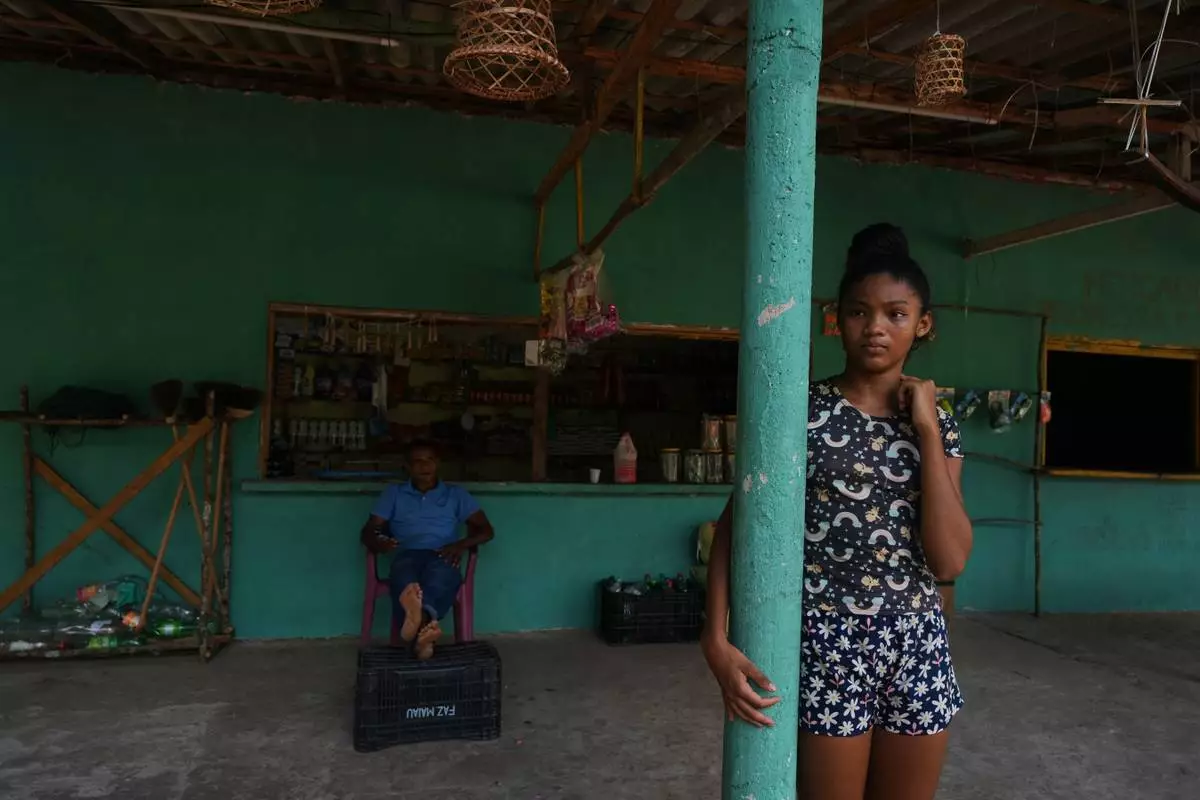
A girl stands next to her father in a grocery shop in Itacoa Miri, Brazil, Tuesday, Nov. 18, 2025. (AP Photo/Fernando Llano)
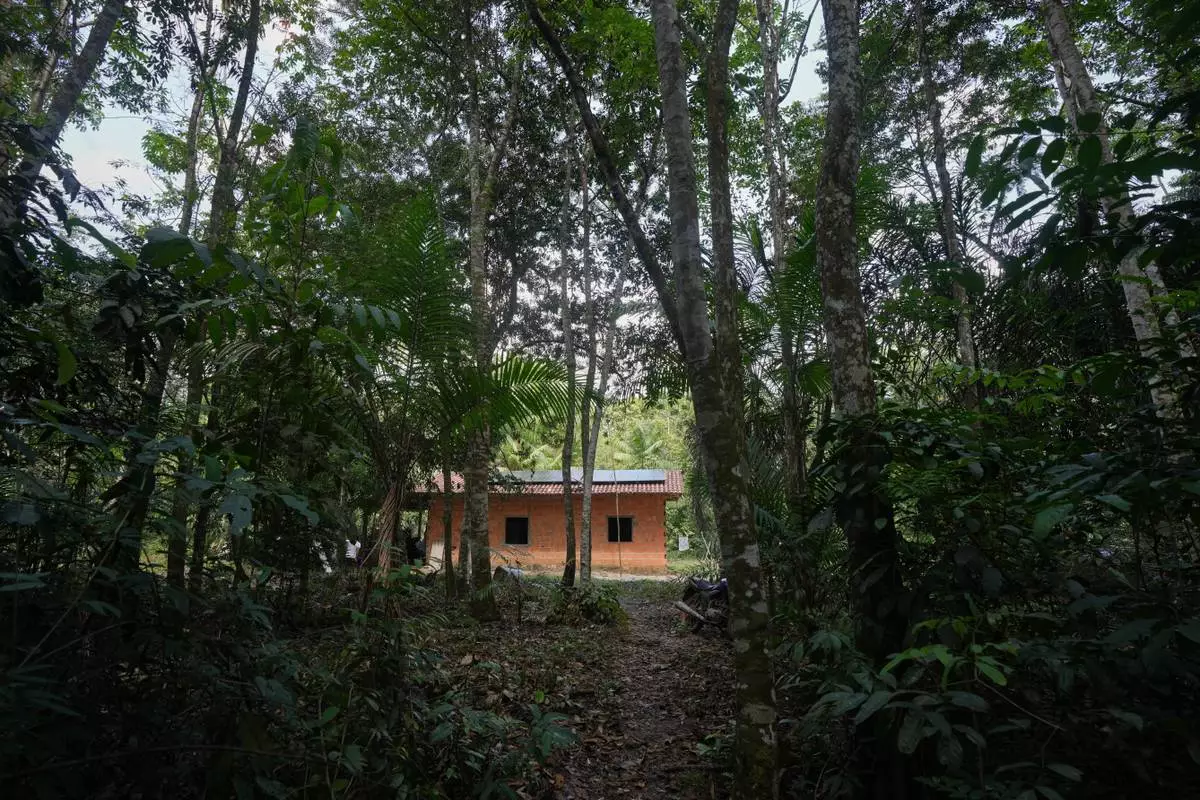
A house is visible in the jungle at a quilombola, an Afro-descendant community called Menino Jesus in Acara, Brazil, Tuesday, Nov. 18, 2025. (AP Photo/Fernando Llano)
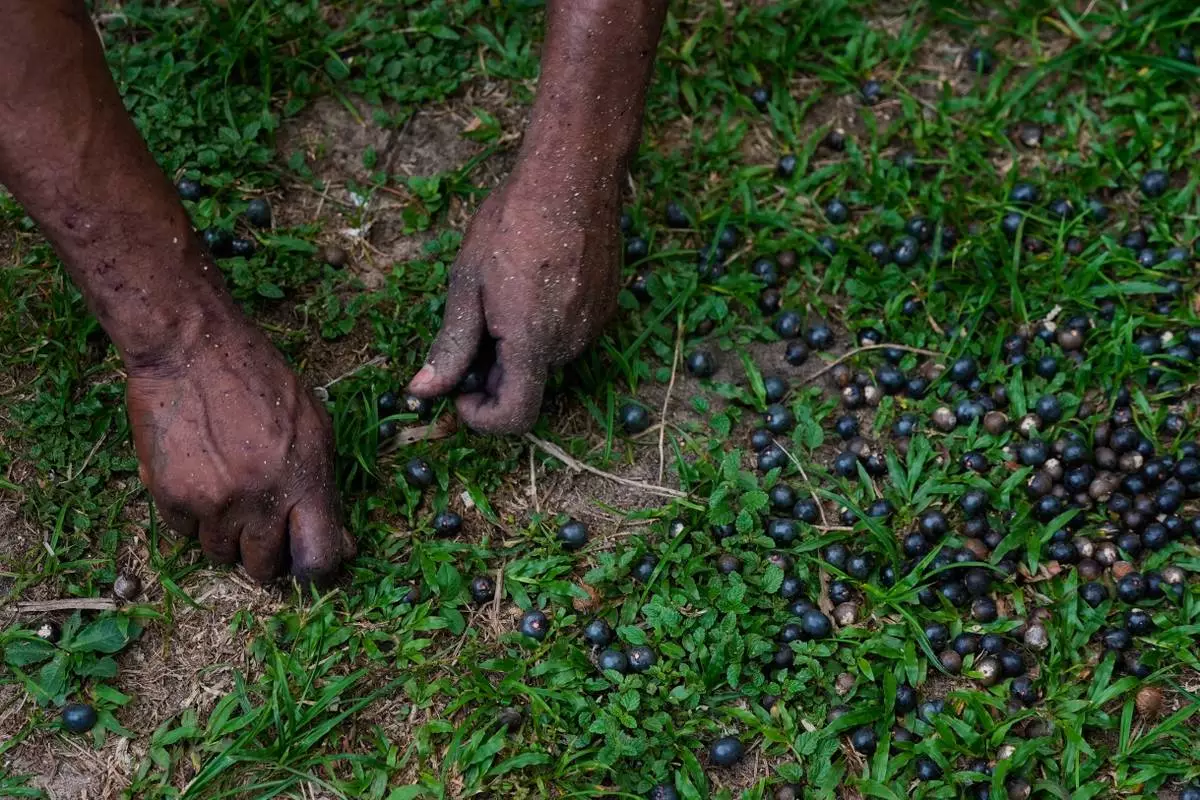
Alf picks up berries of acai outside of his home in Itacoa Miri, Brazil, Tuesday, Nov. 18, 2025. (AP Photo/Fernando Llano)
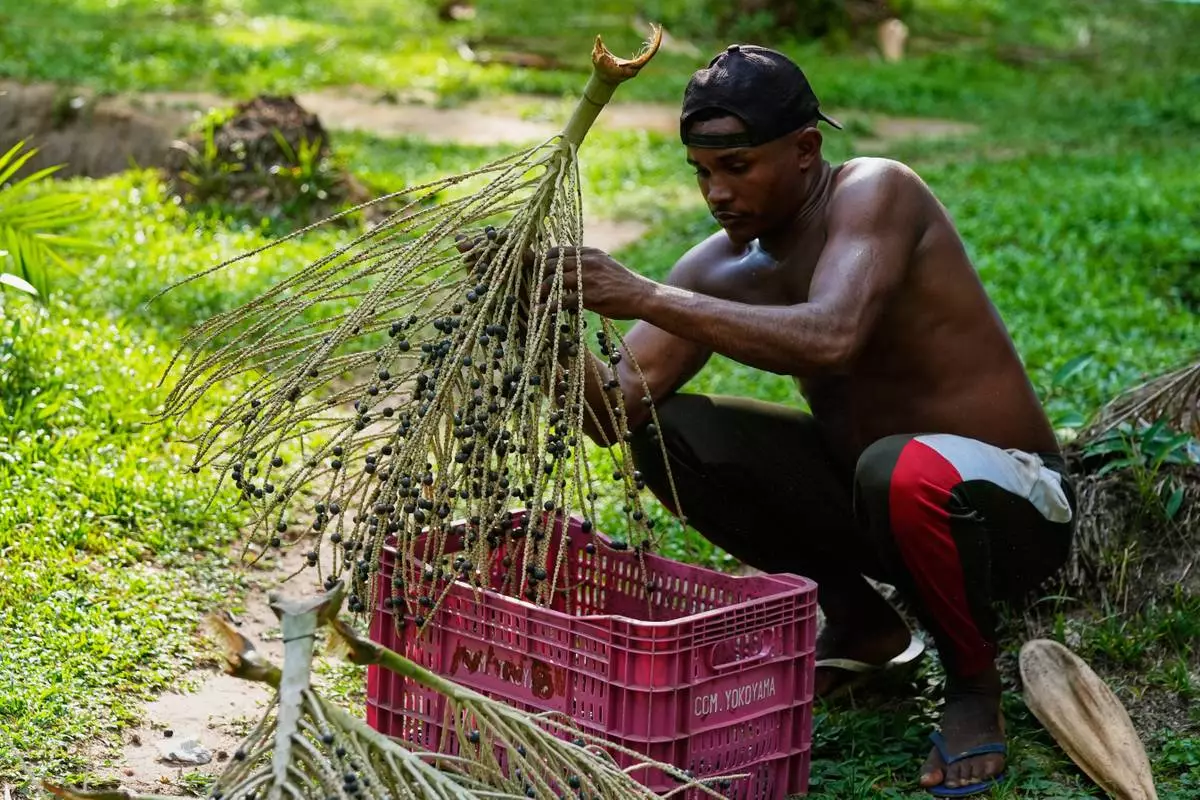
Alf removes berries of acai outside of his home in Itacoa Miri, Brazil, Tuesday, Nov. 18, 2025. (AP Photo/Fernando Llano)
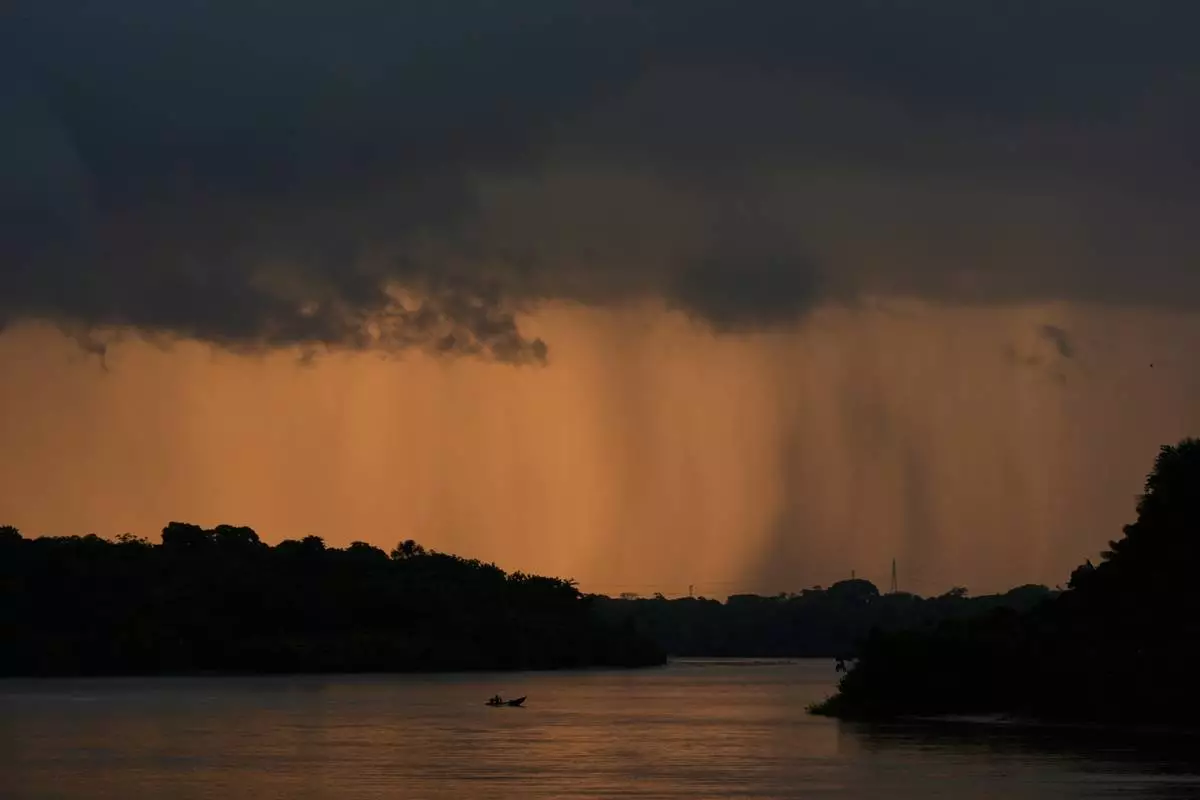
A small boat crosses a river approaching Itacoa Miri, Brazil, Tuesday, Nov. 18, 2025. (AP Photo/Fernando Llano)
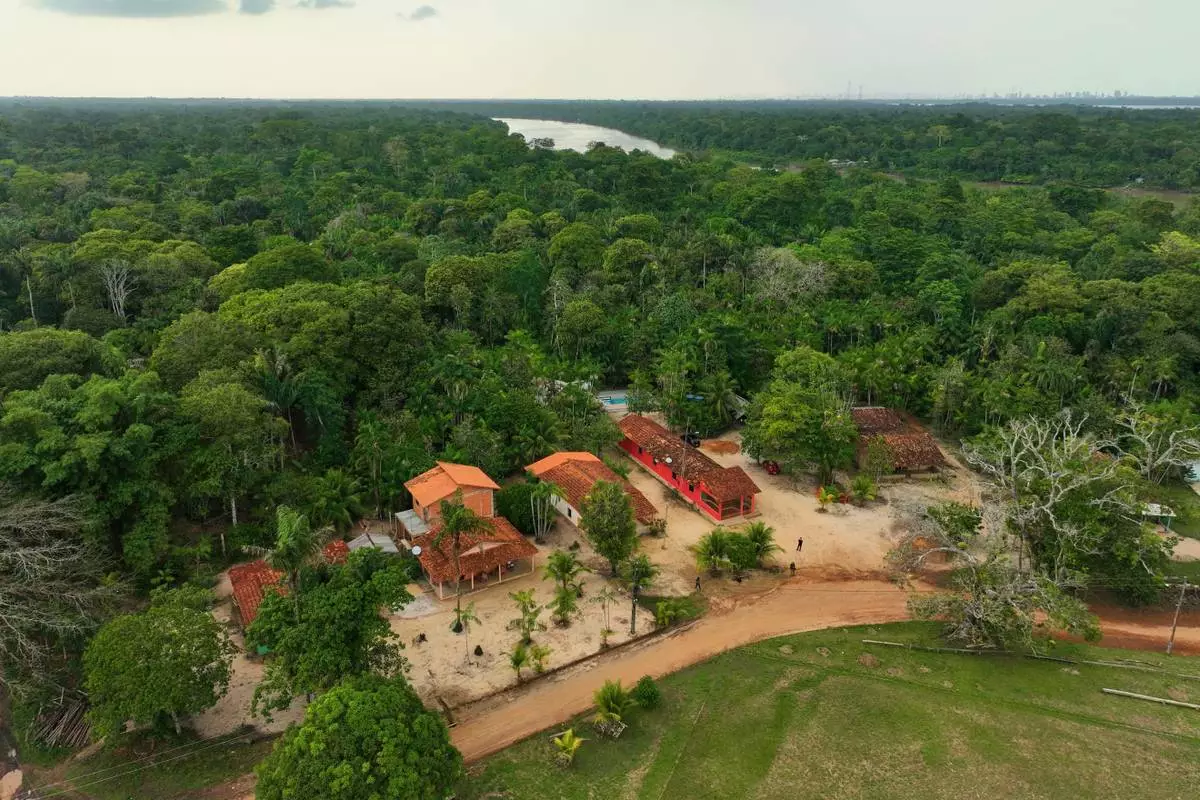
Houses at a quilombola, an Afro-descendant community called Menino Jesus, are visible in Acara, Brazil, Tuesday, Nov. 18, 2025. (AP Photo/Fernando Llano)
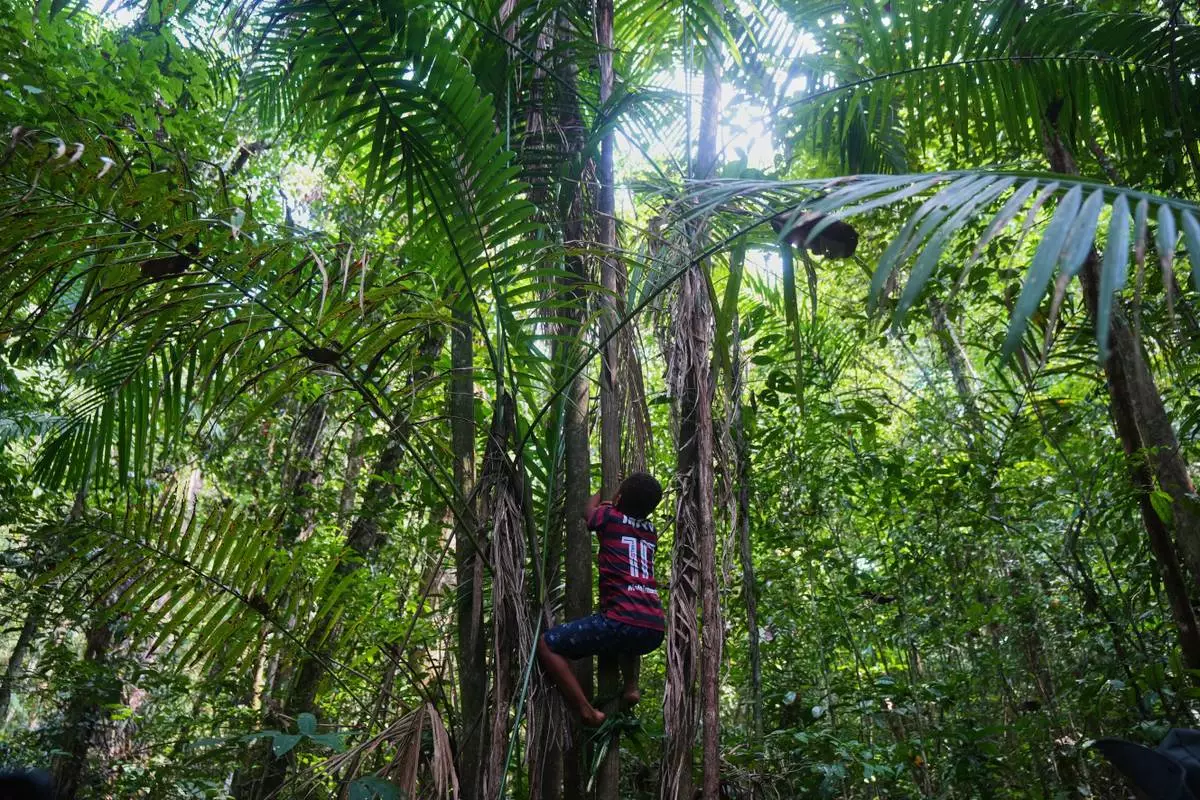
Riquelme climbs an acai palm at a quilombola, an Afro-descendant community called Menino Jesus in Acara, Brazil, Tuesday, Nov. 18, 2025. (AP Photo/Fernando Llano)