CHICAGO (AP) — The massive Border Patrol presence on a recent Saturday morning in Chicago's Little Village neighborhood didn't faze Ofelia Herrera even though she and her husband are in the United States illegally.
She waited for agents to move a few blocks away, then opened their stand serving Mexican-style corn on the cob and “aguas frescas” flavored with cucumber, pineapple and strawberry in the heart of the Mexican immigrant community, just as they've done for 18 years. Sirens blared through a chaotic day as Chicago police responded to a Border Patrol call for help and confronted demonstrators.
Click to Gallery
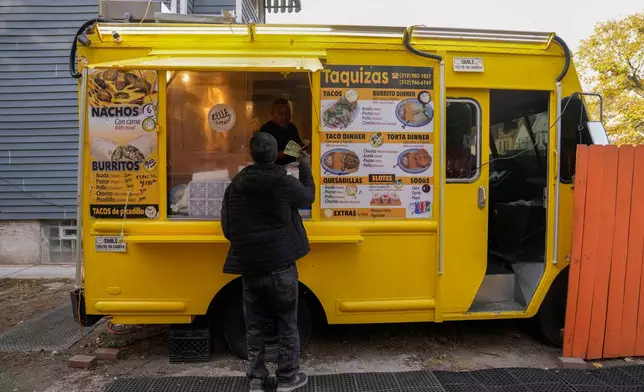
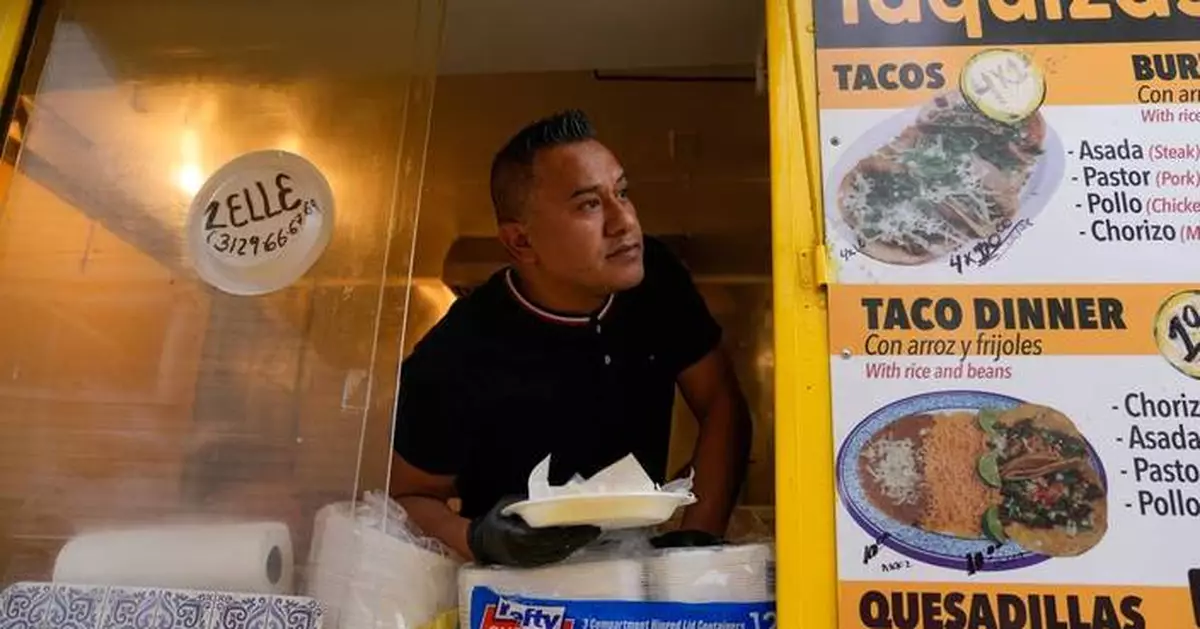
Rafael Hernandez, originally from Mexico, sells food from his family's food truck, Nov. 6, 2025, in Chicago. (AP Photo/Erin Hooley)
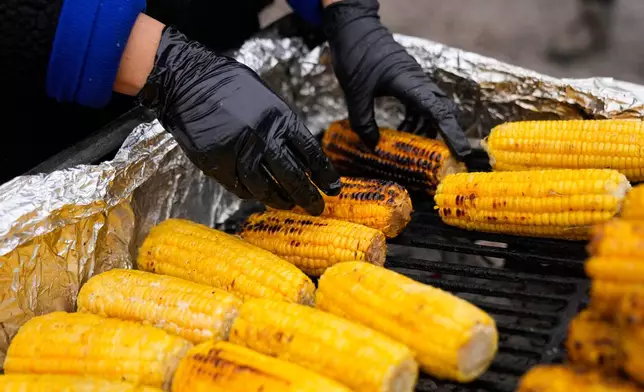
Ofelia Herrera, originally from Mexico, grills corn at her family's street food stand in Little Village, Nov. 8, 2025, in Chicago. (AP Photo/Erin Hooley)
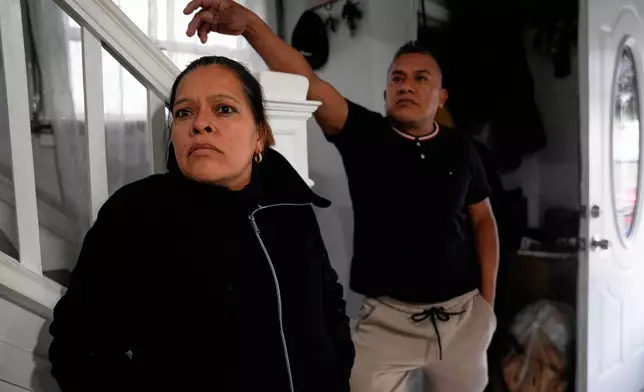
Ofelia Herrera, left, and her husband, Rafael Hernandez, both originally from Mexico, stand inside their home, Nov. 6, 2025, in Chicago. (AP Photo/Erin Hooley)
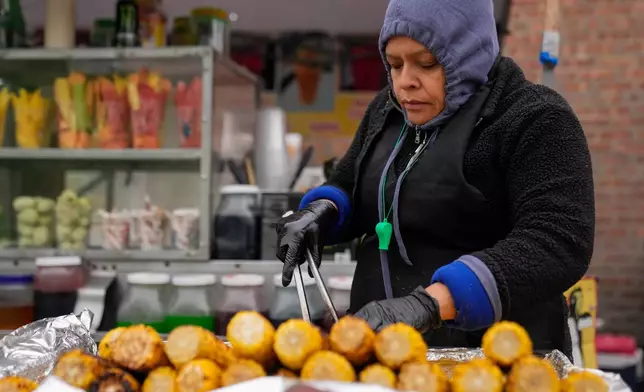
Ofelia Herrera, originally from Mexico, grills corn at her family's street food stand in Little Village, Nov. 8, 2025, in Chicago. (AP Photo/Erin Hooley)
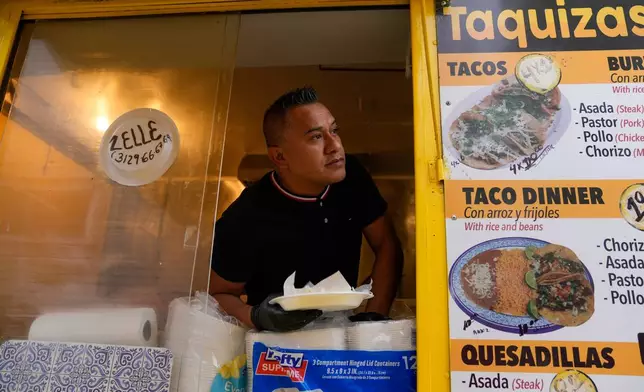
Rafael Hernandez, originally from Mexico, sells food from his family's food truck, Nov. 6, 2025, in Chicago. (AP Photo/Erin Hooley)
Herrera, 47, and Rafael Hernandez, 44, have refused to alter their routines during an immigration enforcement blitz in Chicago that has caused many without legal status to stay home since it began in early September. Even some U.S. citizens of Latino heritage are afraid to go outside.
The couple says working not only pays the bills but helps avoid depression, making them stand out from others gripped by fear in Chicago's immigrant communities.
“The only thing you can do is have faith in God and not be afraid,” Herrera said in an interview at the couple's South Side house, already bedecked with Christmas decorations just days after Halloween. “Fear gives way to depression and other things. At the end of the day, they don't deport you to Mexico but you are sick with depression and other things because you didn't have faith in God.”
Hernandez agreed. "We know people who have fallen into depression. They don't leave the house. It's very sad.”
The couple's Little Village food stand, adorned with American flags, is in a bustling area the Border Patrol has visited often. The two-lane commercial drag is lined with family-owned restaurants serving birria and chilaquiles, and clothing stores with displays of Mexican sports team jerseys and white dresses for quinceañera parties — a coming-of-age celebration for 15-year-old girls in Latino families.
Vendors sell sliced fruit and pottery from parked vehicles. Strains of ranchera music from cars and shops add to the festive atmosphere, drawing Mexican immigrant visitors from across Chicago and beyond. A family from Waterloo, Iowa, nibbled corn smothered in mayonnaise, cotija cheese, lime and chili powder at the couple's stand under a cold drizzle.
Many of the couple’s friends haven’t ventured outside in more than two months. That fear has sparked a grassroots effort to buy out street vendors, allowing them to go home early and avoid public exposure.
Sidewalk traffic on 26th Street is livelier than many commercial areas in Chicago, even with the immigration crackdown. It is lined with barber shops, groceries and other businesses that have signs in Spanish and English demanding immigration authorities stay away unless they have a court warrant.
The couple knows people who were arrested by heavily armed agents asking about their legal status — an egg vendor here, a tamale vendor there. They described the sting of tear gas unleashed by agents on demonstrators at a shopping center parking lot last month.
Many immigrants, even some with legal status, are loathe to speak with reporters, especially if identified by name, fearful it may lead to deportation. Herrera and Hernandez say they are eager to share their story to foster understanding of how the Trump administration's push for mass deportations is playing out.
Herrera crossed the border in 2004, followed later by her two children who are now adults living in Chicago. Hernandez made the journey in 2005. Both paid smugglers thousands of dollars for dayslong treks through the Arizona desert. Acquaintances enticed them to head to Chicago, the second-highest U.S. destination for Mexican immigrants after Los Angeles.
The couple met while working at a Mexican restaurant in Little Village. They have two U.S.-born children; their 10-year-old son speaks little Spanish and has been largely oblivious to the immigration crackdown.
Their 16-year-old daughter fears prolonged detention for her parents even more than the possibility of them being deported to Mexico.
The couple took a class at City Hall for a municipal certificate to become street food vendors and bought a house for $39,000 in 2017 that badly needed repairs.
From 3 p.m. to 9 p.m. on weekdays they serve tacos and burritos from a yellow truck in the dirt driveway of their home in Englewood, a predominantly Black neighborhood and one of Chicago's poorest. Once home to a thriving shopping district, parts of the neighborhood have fallen into disrepair with boarded-up houses. Crime is persistent.
On weekends they head to Little Village, where they work 11-hour days.
They have thought about trying to obtain legal status but they don't have a strong case and could never afford an attorney. They obtained Illinois driver's licenses. They say they paid taxes, stayed out of trouble and generally lived without fear of being deported.
“Chicago is nice," Hernandez said. “The crime is difficult but Chicago is marvelous. There are many opportunities for those of us who are immigrants. It's painful what is happening.”
The couple's sales have plunged about 75% since the Trump administration began “Operation Midway Blitz” in Chicago on Sept. 8, Herrera said. Like almost everyone they know, their phones constantly alert them to warnings about where immigration officers are making arrests and to stay away.
It appears that authorities are arresting “everyone,” Hernandez said, even though the administration vows it is pursuing “the worst of the worst.” More than 70% of people in U.S. Immigration and Customs Enforcement custody in the 12-month period through September were not convicted of a crime in the U.S.
U.S. authorities say they are making criminals a priority but that anyone in the country illegally is subject to arrest. That includes street vendors, according to Gregory Bovino, the Border Patrol official who led enforcement blitzes in Los Angeles, Chicago and, now, Charlotte, North Carolina.
“Those folks undercutting American businesses, is that right?” Bovino, a frequent presence in Chicago's Little Village, said in a recent interview. “Absolutely not. That's why we have immigration laws in the first place.”
The couple's memories of how the COVID-19 pandemic kept them inside are a reminder to stay active, allowing only small adjustments. They recently headed to Little Village to buy supplies for their business when word came on social networks that Bovino was in the area making arrests. They decided to shop in another neighborhood.
They have been back to Mexico only once in more than 20 years, a family visit in 2012 that included crossing the border illegally in Eagle Pass, Texas. They want to stay in Chicago but say they are prepared to return to Mexico if arrested. They would bring their American citizen children with them.
“People are frightened because they have lives here, they have kids here, including us,” Herrera said. “We don't want to go to Mexico but, if we have to, we will. What else is there to do?”
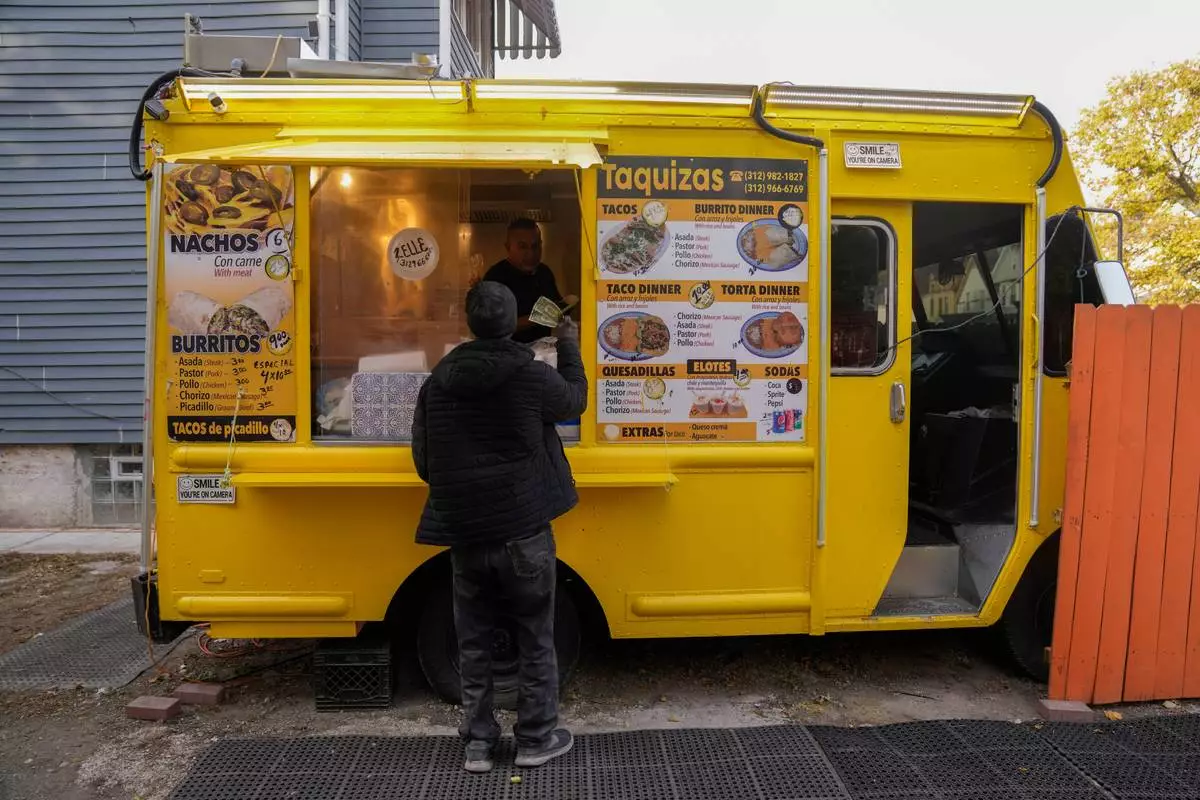
Rafael Hernandez, originally from Mexico, sells food from his family's food truck, Nov. 6, 2025, in Chicago. (AP Photo/Erin Hooley)
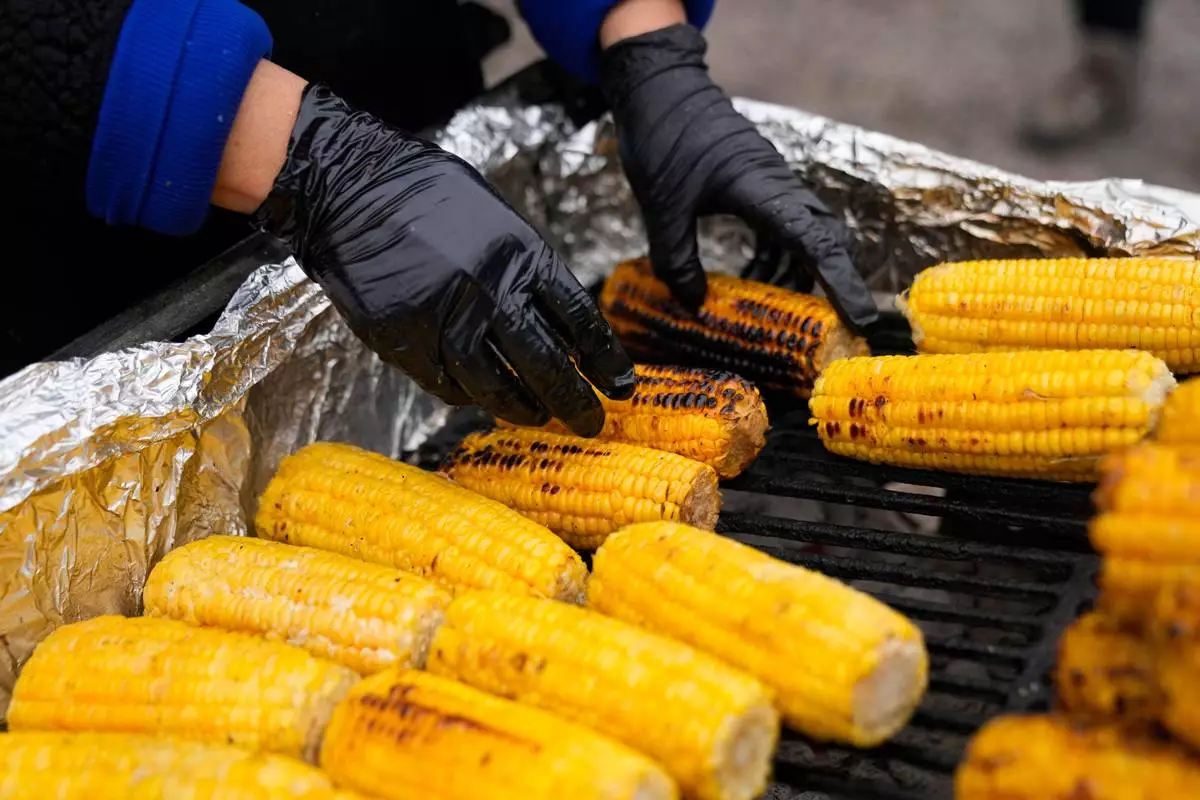
Ofelia Herrera, originally from Mexico, grills corn at her family's street food stand in Little Village, Nov. 8, 2025, in Chicago. (AP Photo/Erin Hooley)
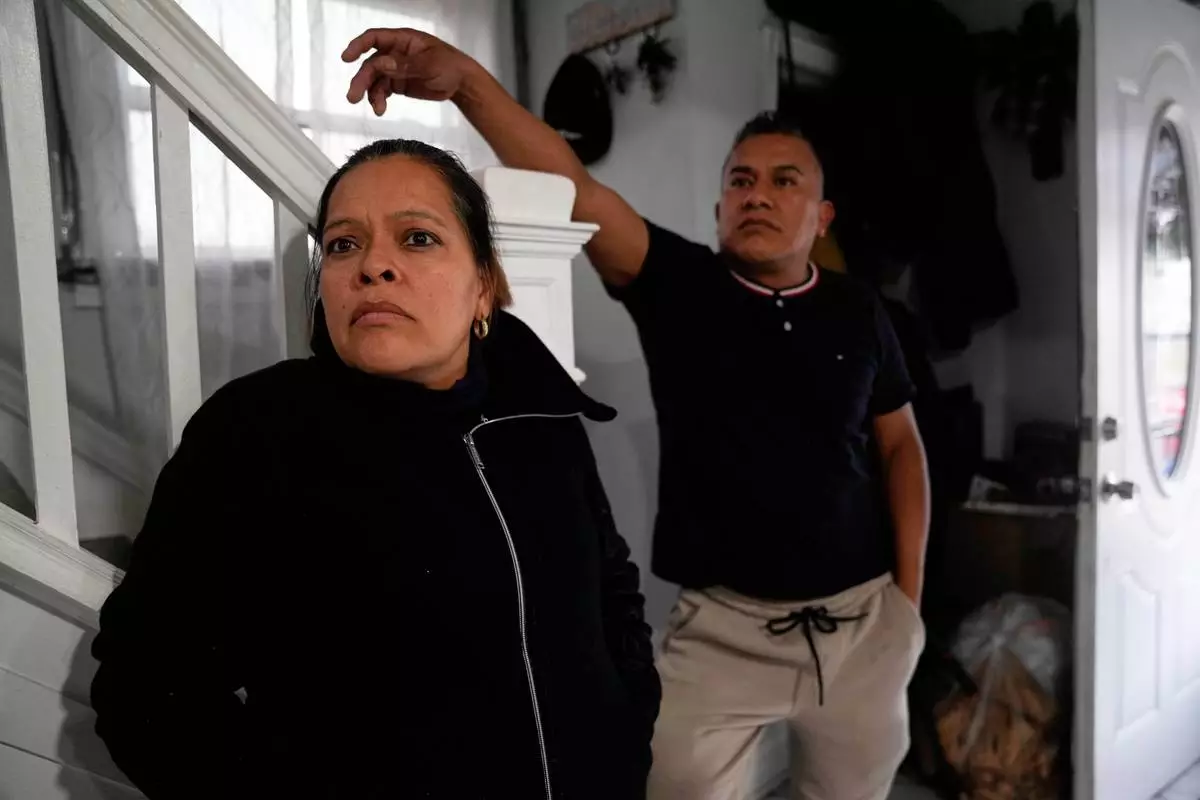
Ofelia Herrera, left, and her husband, Rafael Hernandez, both originally from Mexico, stand inside their home, Nov. 6, 2025, in Chicago. (AP Photo/Erin Hooley)
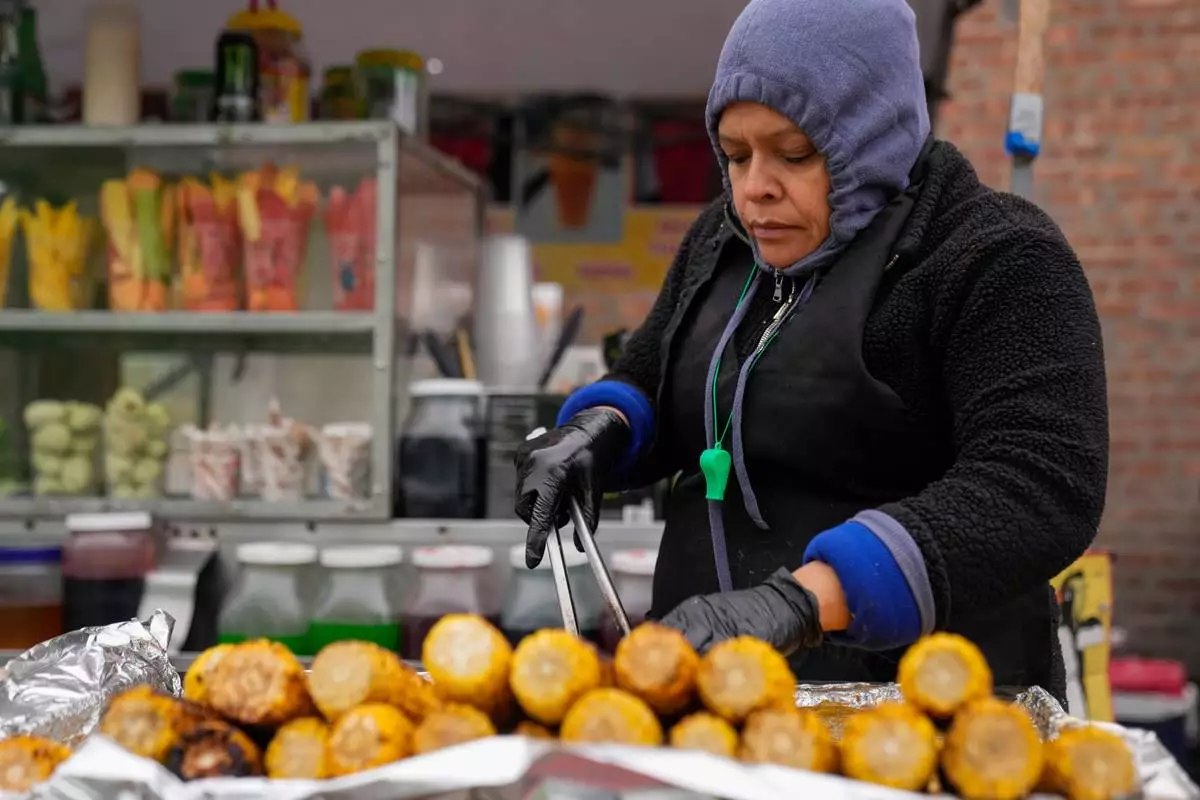
Ofelia Herrera, originally from Mexico, grills corn at her family's street food stand in Little Village, Nov. 8, 2025, in Chicago. (AP Photo/Erin Hooley)
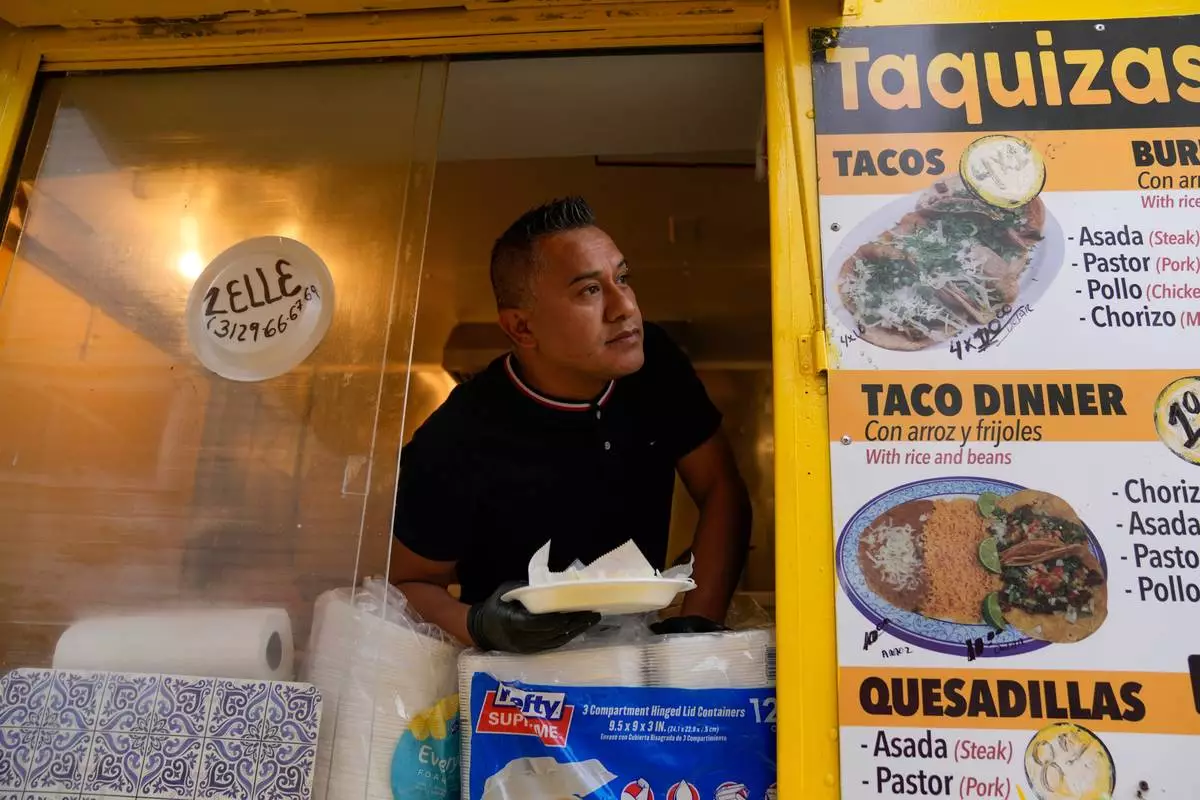
Rafael Hernandez, originally from Mexico, sells food from his family's food truck, Nov. 6, 2025, in Chicago. (AP Photo/Erin Hooley)