NEW YORK (AP) — Texas-bred hip-hop duo UGK glared confidently into the camera atop stallions in the music video for their fan-favorite song “Wood Wheel.” The visuals reflected the expertise of the legendary Houston-area music act: blending tales of big city hustling with charming Texas cowboy culture.
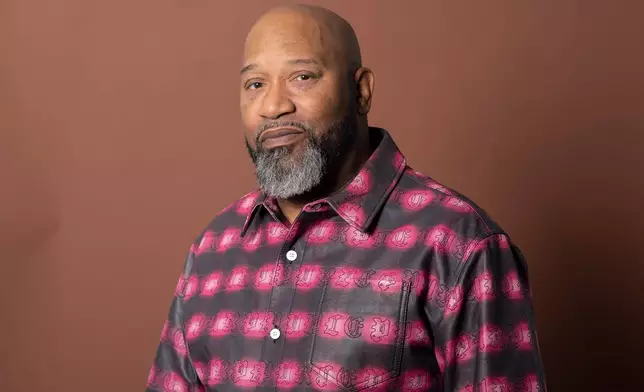
“This is not Black people trying to assimilate with this country Western lifestyle. Black people across this country – East Coast to West Coast – have been prevalent in this space for years,” said Bun B, who, with partner Pimp C, became pillars of southern hip-hop, creating hits to help it become today's current dominant rap genre.
Click to Gallery
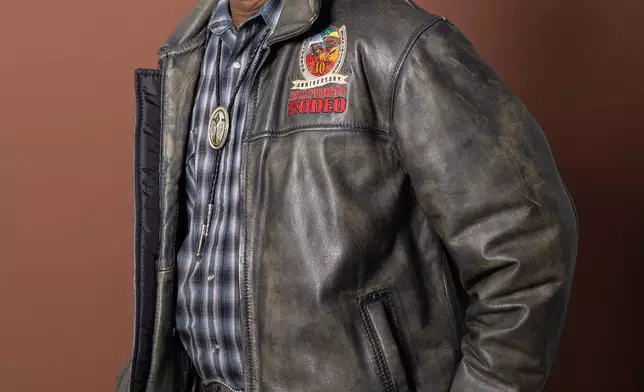
Bun B poses for a portrait on Tuesday, Nov. 18, 2025, in New York. (AP Photo/Gary Gerard Hamilton)
Bun B poses for a portrait on Tuesday, Nov. 18, 2025, in New York. (AP Photo/Gary Gerard Hamilton)
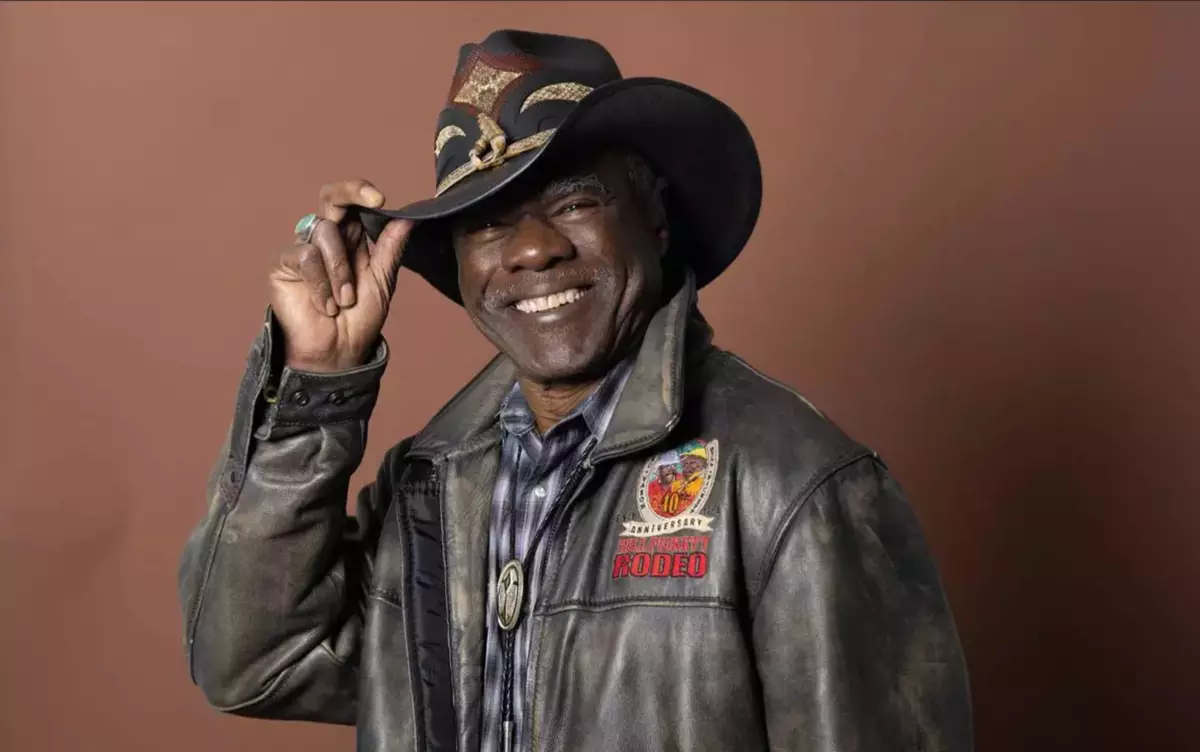
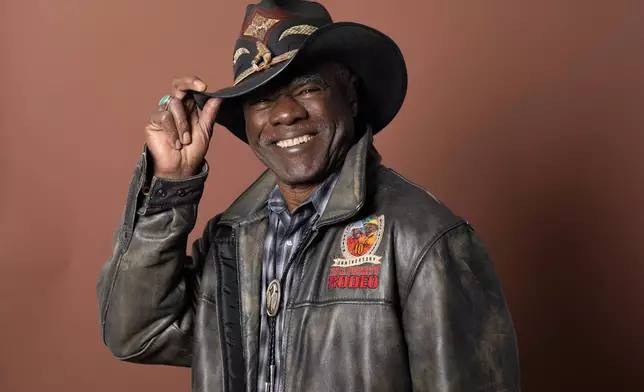
Glynn Turman poses for a portrait on Tuesday, Nov. 18, 2025, in New York. (AP Photo/Gary Gerard Hamilton)
Glynn Turman poses for a portrait on Tuesday, Nov. 18, 2025, in New York. (AP Photo/Gary Gerard Hamilton)
Bun, an ambassador for the Houston Livestock Show and Rodeo and the first and only Black male hip-hop headliner in its history, shares his experiences in “High Horse: The Black Cowboy,” a new docuseries executive produced by Jordan Peele and his Monkeypaw Productions. The project highlights Black men, who it says were the first Americans referred to as cowboys, a term initially steeped in racism as it contrasted them with white “cowhands.” The series attempts to refute the pop culture images of the men whose tall boots and Stetson hats are seared into American mythology.
One in four cowboys were Black, even though in the late 19th century they made up a much smaller segment of the U.S. population, according to research by historian Bruce Glasrud.
“Being a Black performer at this 90-plus year concert series has been amazing for me, but it’s also given me a deeper perspective of understanding the Black cowboys’ place in American history,” Bun told The Associated Press. “It’s really energized me to try to fill this void of confusion where people who are somewhat aware typically will have a distorted view.”
Directed by Jason Perez and streaming on Peacock, the three-part docuseries is an extension of Peele’s 2022 blockbuster film “Nope.” Starring Daniel Kaluuya and Keke Palmer, the movie follows siblings who operate the only Black-owned horse ranch in California, training horses for Hollywood productions.
The sci-fi horror film mentions Eadweard Muybridge, a pioneer of motion photography and his groundbreaking “The Horse in Motion” moving image, noting that while the horse, Sallie Gardner, has always been recognized, the Black jockey riding her remains largely unknown.
“We just decided to go on this journey to really figure out, or to pose the question, what happened to the Black cowboy? Who erased the Black cowboy?” said Keisha Senter, the company's senior vice president of culture and impact and an executive producer on the project. “At Monkeypaw, we really think erasure is a horror story.”
“High Horse” is filled with archival footage and photos to provide context of the lives of early Black cowboys. In addition to creating a more complete composite of the Old West, it documents how Black cowboy communities remain vibrant in various pockets across the country, while following their struggles and triumphs.
The docuseries focuses on the history and erasure of the Black cowboy, systemic racism and the current battles Black citizens face with land ownership dating back to the post-slavery Reconstruction era, and the entertainment impact African Americans have made throughout country western history. It arrives amid the nation's current political flashpoints. Critics of the Trump administration note its policies disproportionately and negatively affect Black Americans, including eliminating DEI programs, mass layoffs at federal agencies, and cuts to SNAP benefits, Medicare and Medicaid.
Peele, Glynn Turman, Pam Grier, Tina Knowles and Rick Ross, who all make appearances, speak to their own experiences with cowboy culture. R&B legend Raphael Saadiq provides the project's original score.
“This is an important time in history, and I can see the writing on the wall," said Turman, a New York City-raised actor who’s lived on a California ranch for decades. “This is a survival tool that we’ve been handed with this documentary.”
Turman, the 78-year-old Emmy winner who received a star on the Hollywood Walk of Fame in July, is no stranger to using entertainment to educate. He starred as retired Army colonel Bradford Taylor on the hit ’90s sitcom “A Different World,” a spinoff from “The Cosby Show" set on the campus of a historically Black college.
“I’m from the generation where we made great strides — strides at great costs. And to see us in a time where the institutions are trying to indeed negate those strides, it’s disheartening,” Turman said of the current political divisiveness in the country.
The docuseries also wades briefly into the conversation surrounding the ownership of cowboy culture and the gatekeeping surrounding it.
That topic reached a pop cultural fever pitch in recent years, thanks to inflection points such Beyoncé's “Cowboy Carter” album and her subsequent album of the year win at the Grammys in February. There's also Lil Nas X’s record-breaking 2019 smash “Old Town Road,” the viral line dance for “Boots on the Ground” by 803Fresh, western-themed Hollywood productions like “The Harder They Fall” and “Lawmen: Bass Reeves," and Ivan McClellan’s book, “Eight Seconds: Black Rodeo Culture.”
Bun says the heart of “High Horse” is examining this ignored — or erased — slice of history to gain greater insight about the country overall.
“It’s not a Black story — this is an American story," said the past distinguished lecturer at Houston's Rice University. “This will turn everything that you know about the American cowboy on its head in the right way, and put these things into proper historical context. And that benefits all Americans.”
Follow Associated Press entertainment journalist Gary Gerard Hamilton at @GaryGHamilton on all his social media platforms.
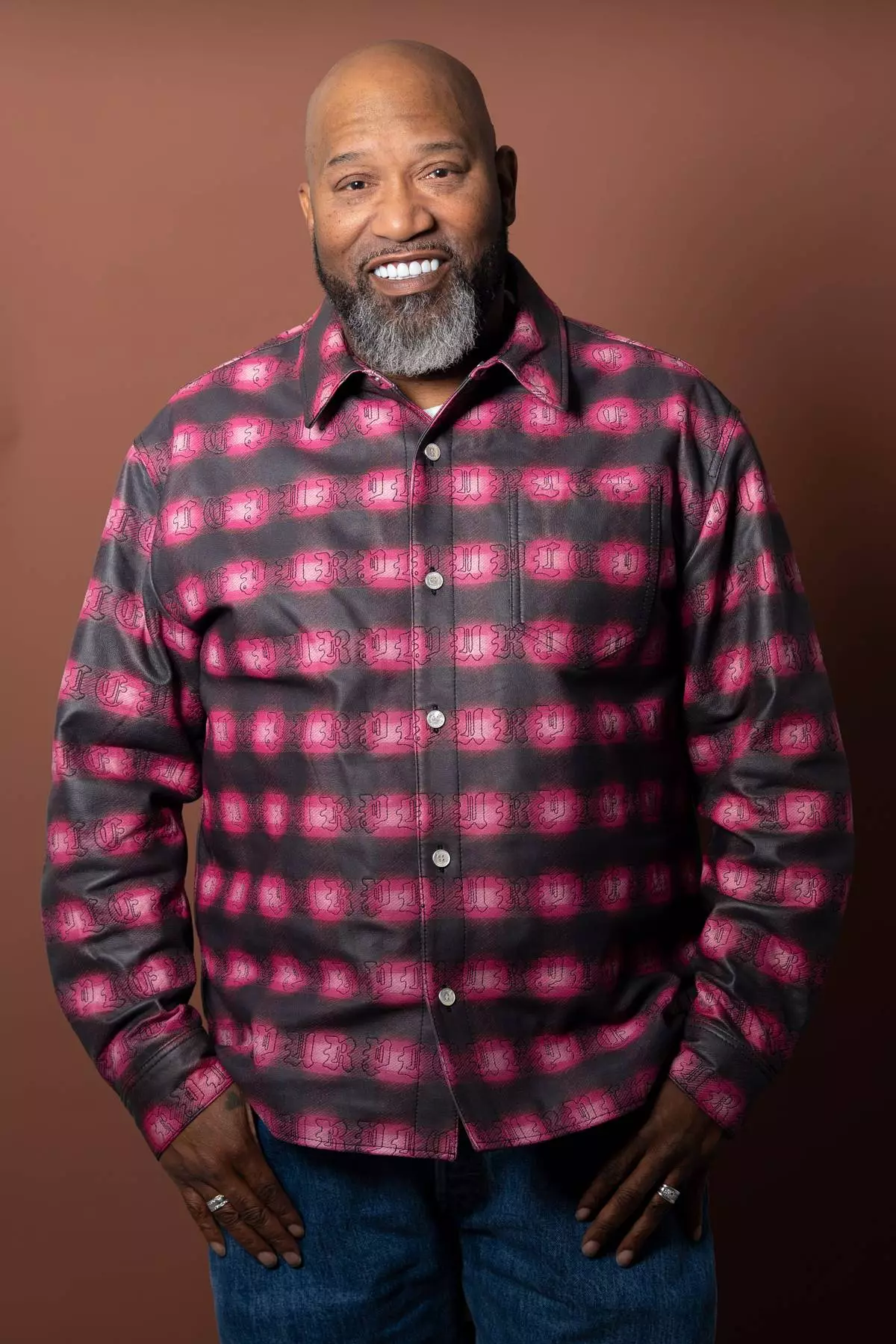
Bun B poses for a portrait on Tuesday, Nov. 18, 2025, in New York. (AP Photo/Gary Gerard Hamilton)
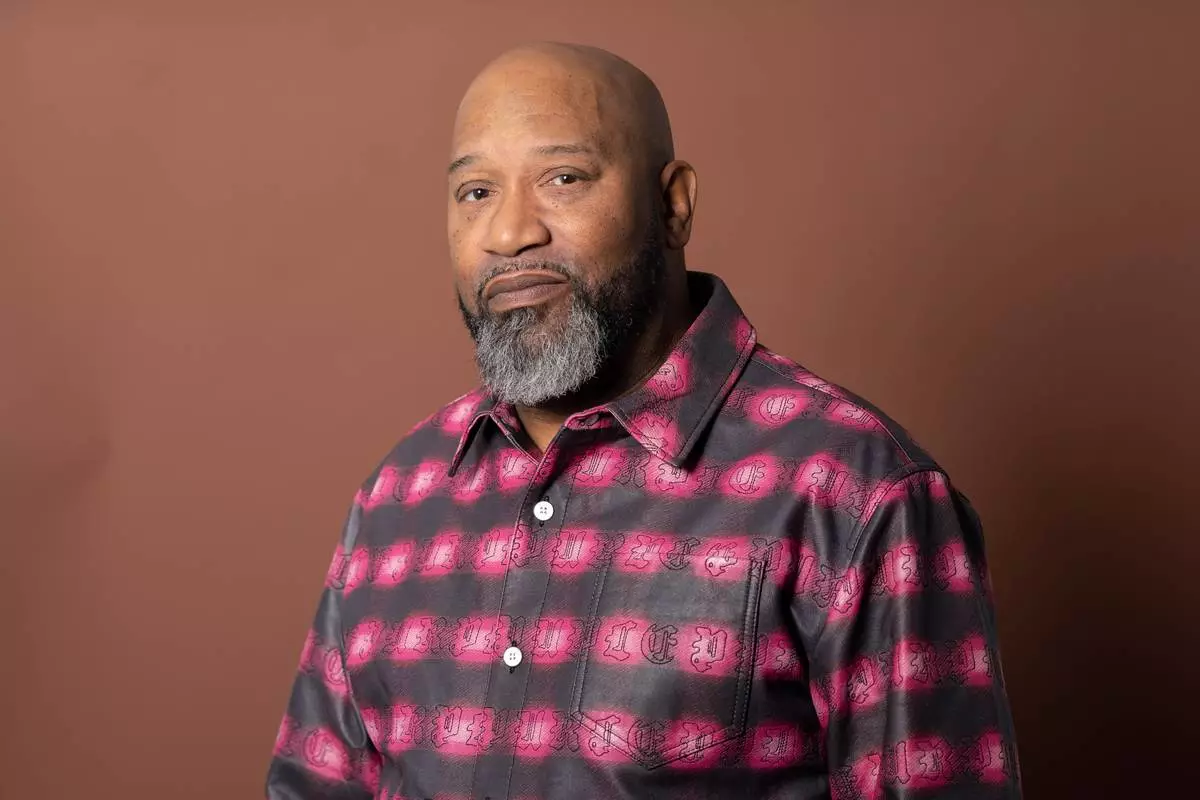
Bun B poses for a portrait on Tuesday, Nov. 18, 2025, in New York. (AP Photo/Gary Gerard Hamilton)
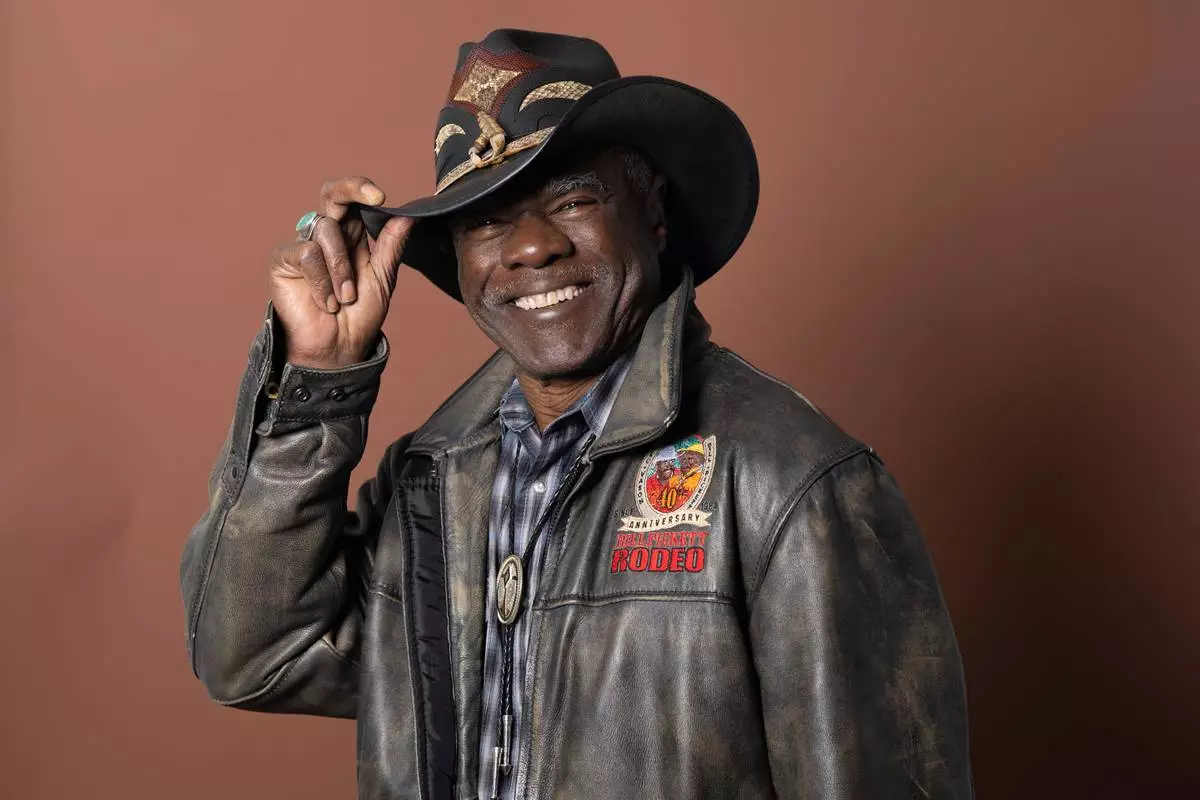
Glynn Turman poses for a portrait on Tuesday, Nov. 18, 2025, in New York. (AP Photo/Gary Gerard Hamilton)
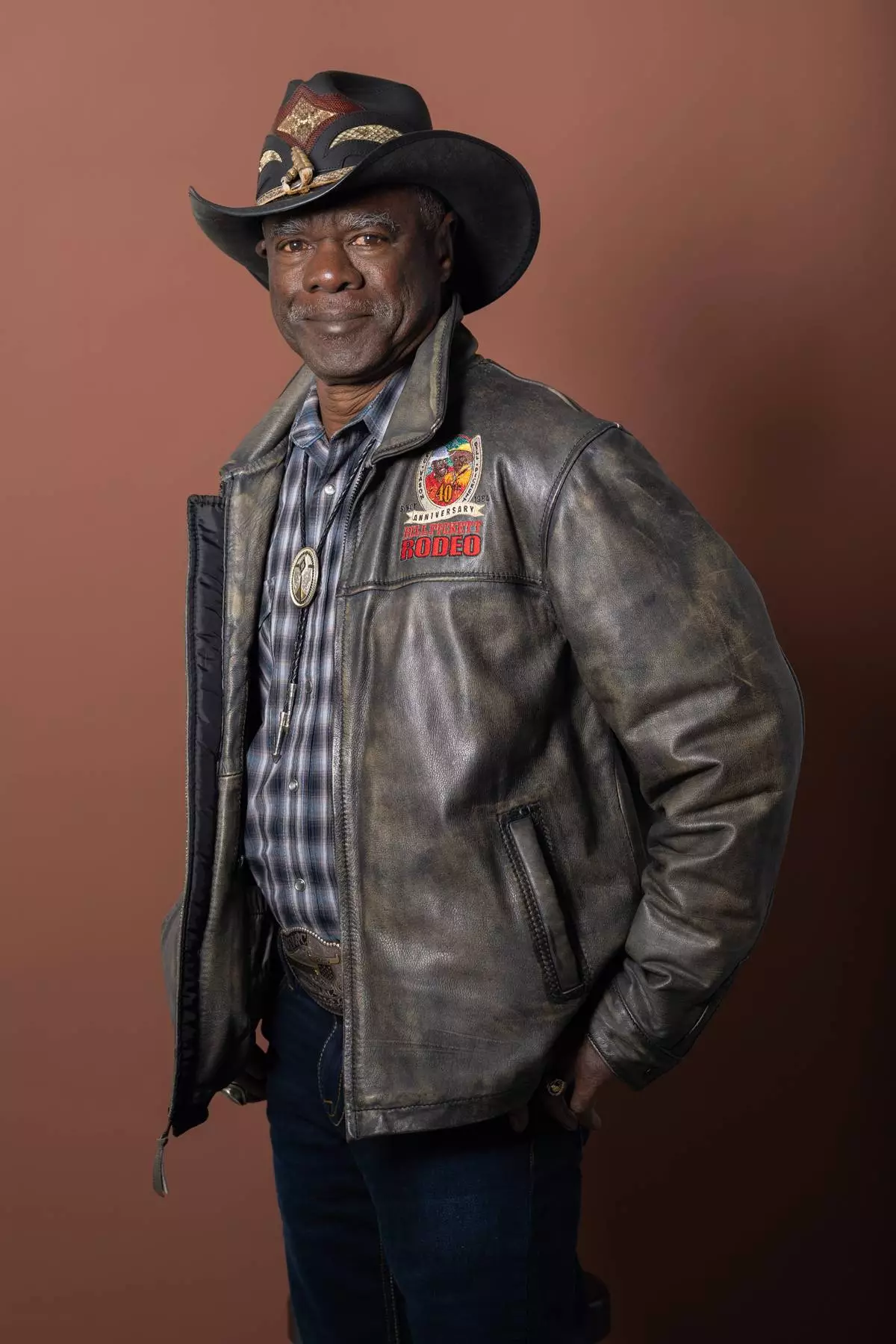
Glynn Turman poses for a portrait on Tuesday, Nov. 18, 2025, in New York. (AP Photo/Gary Gerard Hamilton)
LONDON (AP) — British Prime Minister Keir Starmer pledged to revive his struggling government but faced growing calls to resign after a disastrous set of local and regional elections for his Labour Party.
As the final results came in Saturday, Labour suffered a net loss of more than 1,100 local council seats across England, lost control of several local authorities it had held for decades and was booted from power in Wales after 27 years. Anti-immigration party Reform UK gained over 1,300 seats across England and made significant gains in legislative elections in Wales and Scotland.
It was a blunt verdict from voters in elections widely seen as an unofficial referendum on Starmer, whose popularity has plummeted since he led the center-left party to power less than two years ago.
Here are five things we’ve learned from the elections.
Starmer insisted he would not walk away and "plunge the country into chaos,” and the dire election results did not produce an immediate challenge to his leadership.
"The right thing to do is rebuild and show the path forward,” Starmer said Saturday. “That’s what I’m going to do in the coming days.”
Starmer’s Cabinet colleagues expressed support, and none of the high-profile Labour politicians considered potential challengers has made a move. Health Secretary Wes Streeting, former Deputy Prime Minister Angela Rayner and Greater Manchester Mayor Andy Burnham are keeping quiet for now.
But a growing number of Labour lawmakers urged the prime minister to set a timetable for his departure this year. British politics allows parties to change leader midterm without the need for a new election.
“There has to be a timetable,” legislator Clive Betts told the BBC. Another lawmaker, Tony Vaughan, said there should be an “orderly transition of leadership.”
Starmer tried to demonstrate change on Saturday by bringing back two figures from past Labour governments. He made former Prime Minister Gordon Brown a special envoy on global finance, and appointed the party's ex-deputy leader Harriet Harman an adviser on women and girls.
Starmer is due to make a speech on Monday in an attempt to regain momentum, before the government sets out its legislative plans on Wednesday in a speech delivered by King Charles III at the State Opening of Parliament.
The elections were a breakthrough for Reform UK, the latest hard-right party led by the veteran nationalist politician Nigel Farage.
Running on an anti-establishment and anti-immigration message, the party won hundreds of local council seats in working-class areas in England’s north, such as Sunderland, that were solid Labour turf for decades. It also made gains from the Conservatives in areas like the county of Essex, east of London, and increased its vote share in Wales and Scotland, new terrain for the party.
Farage said the results marked a “historic change in British politics.” He said he's confident that “voters who have come to us are not doing it as a short-term protest.”
Reform UK currently holds just eight of the 650 seats in the House of Commons and it’s unclear whether it could repeat its success in a national election.
The elections produced semiautonomous administrations in Scotland and Wales led by parties devoted to independence and the breakup of the United Kingdom — though neither has that policy on the front burner.
The Scottish National Party, which has governed in Edinburgh since 2007, won another term but fell short of a majority, meaning an independence referendum is unlikely. Labour and Reform tied in a distant second place.
Plaid Cymru (The Party of Wales) won the most seats in the Cardiff-based legislature, the Senedd. The party, which has an ambition for Wales to leave the U.K. but no plan to do so anytime soon, fell short of a majority but will likely form the new government. Reform came second and Labour a distant third in one of its most historic heartlands, with outgoing First Minister Eluned Morgan losing her seat.
The economy lies at the heart of Labour’s troubles, as it does for many incumbent governments.
Since ending 14 years of Conservative rule roiled by austerity and the COVID-19 pandemic, Labour has struggled to ease the cost of living and jump-start a sluggish economy against the tough economic backdrop of war in Ukraine and, more recently, Iran. Starmer also has angered supporters with attempts to cut welfare spending, some of which were reversed after Labour revolts.
Some in Labour say the government's achievements, including protections for renters and a higher minimum wage, are going unnoticed. Many blame Starmer, an uninspiring leader distracted by scandals including his disastrous decision to appoint Peter Mandelson, a scandal-tarnished friend of Jeffrey Epstein, as Britain’s ambassador to Washington.
But Stephen Houghton, the outgoing leader of Barnsley council in northern England, where Labour lost to Reform, said the problem “goes deeper than the prime minister.”
“This has been coming for 30 years around the country, in post-industrial communities, coastal communities, that have been left behind,” he said. “You can change prime ministers all day long. If you don’t change policy, it’s not going to change.”
The results reflect a fragmentation of U.K. politics after decades of domination by Labour and the Conservative Party, which also suffered major losses on Thursday.
The elections offered voters a rainbow of choices, including the centrist Liberal Democrats and the nationalist parties in Scotland and Wales.
But the big winners were populist insurgents, Reform UK and the Green Party, whose focus has expanded from the environment to social justice and the Palestinian cause under self-described “eco populist” leader Zack Polanski. The Greens won hundreds of council seats from Labour in urban centers and university towns and took control of several local authorities.
Tony Travers, professor of government at the London School of Economics, said the results suggest the next national election, due by 2029, won’t produce a majority for any party.
“So then you’re in the world of, after the election, two or three big minority parties trying to work out how they would govern,” he said — something traditionally considered “very un-British.”
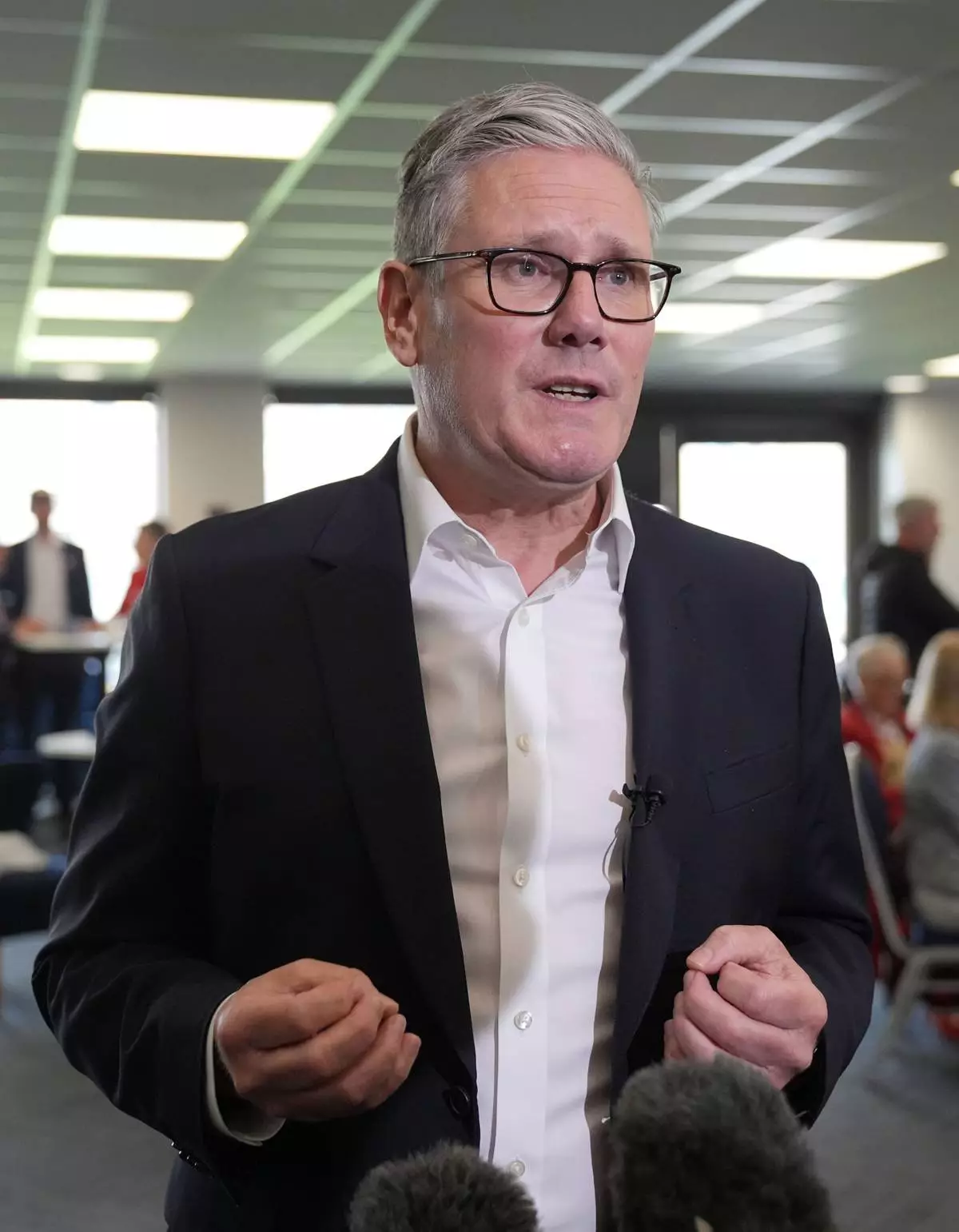
British Prime Minister Sir Keir Starmer speaking to the media after meeting Labour Party members during a visit to AFC Wimbledon in south London, Saturday May 9, 2026. (Maja Smiejkowska/PA via AP)
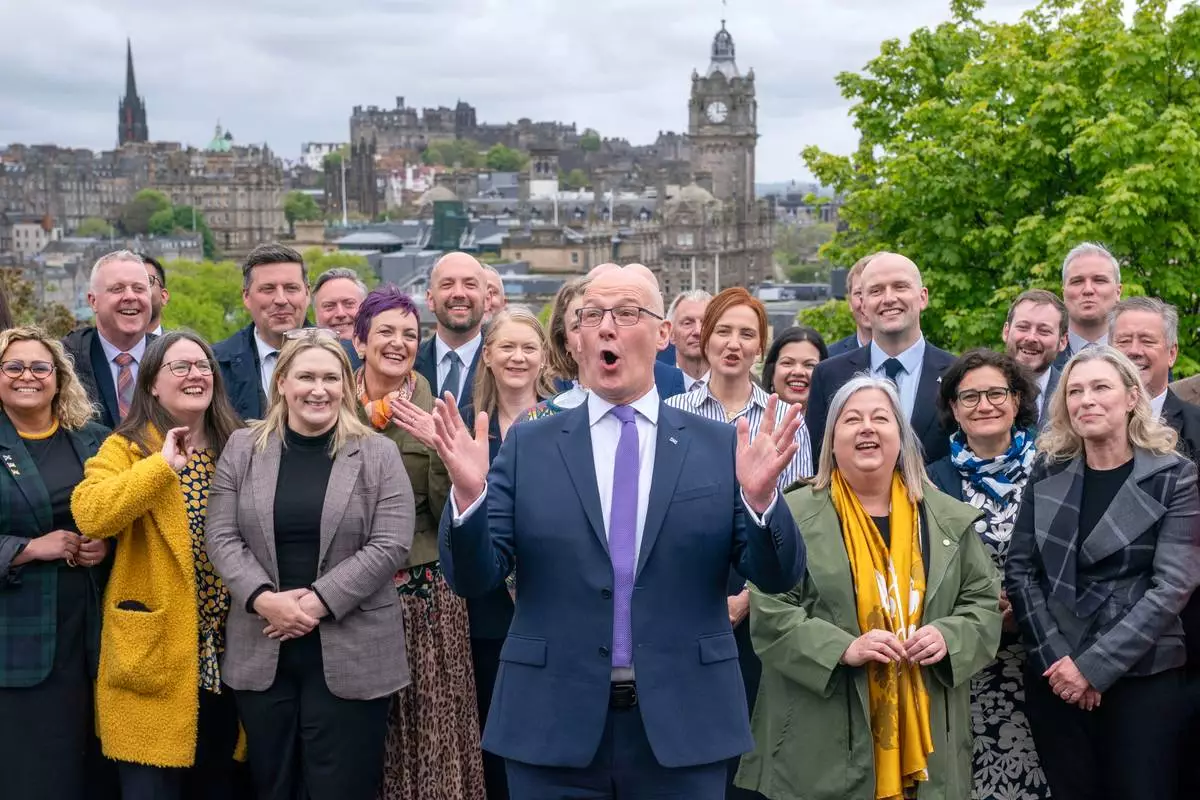
First Minister and SNP leader John Swinney with some of the newly elected SNP MSPs in Edinburgh, Saturday May 9, 2026, following the 2026 Holyrood elections. (Jane Barlow/PA via AP)
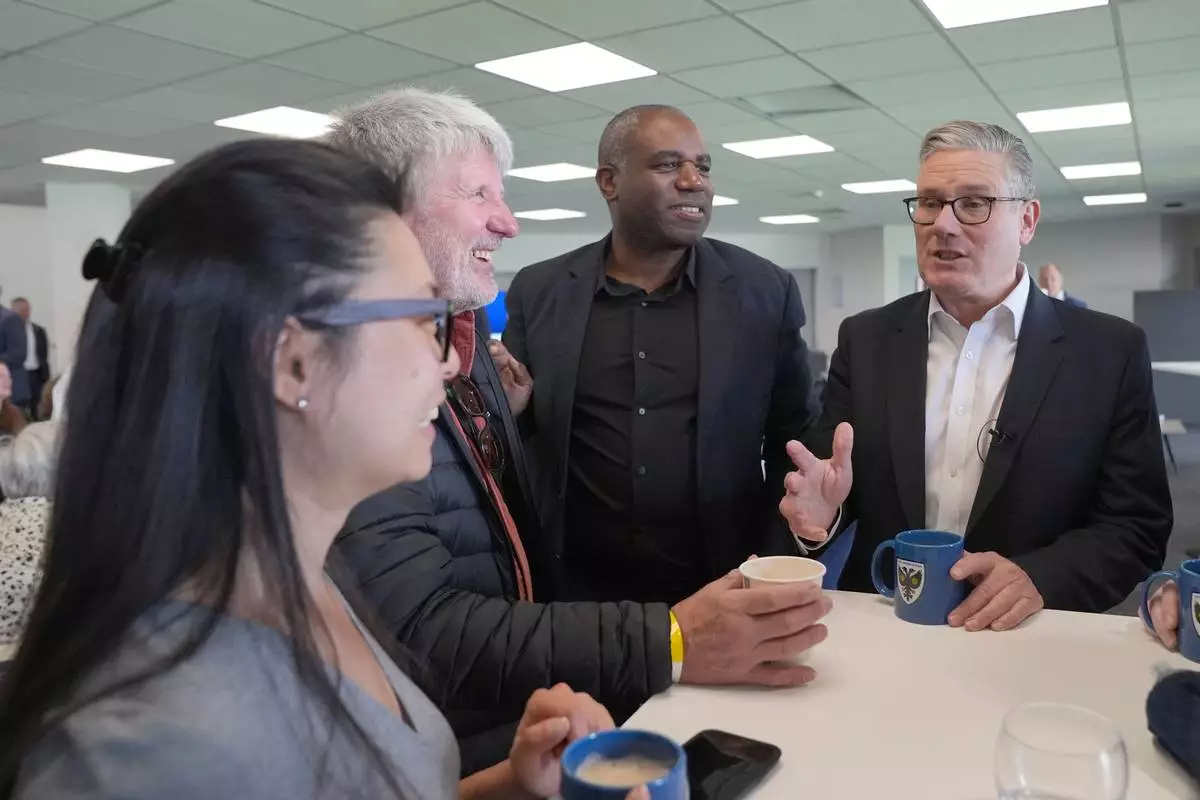
British Prime Minister Sir Keir Starmer and Foreign Secretary David Lammy meeting Labour Party members during a visit to AFC Wimbledon in south London, Saturday May 9, 2026. (Maja Smiejkowska/PA via AP)
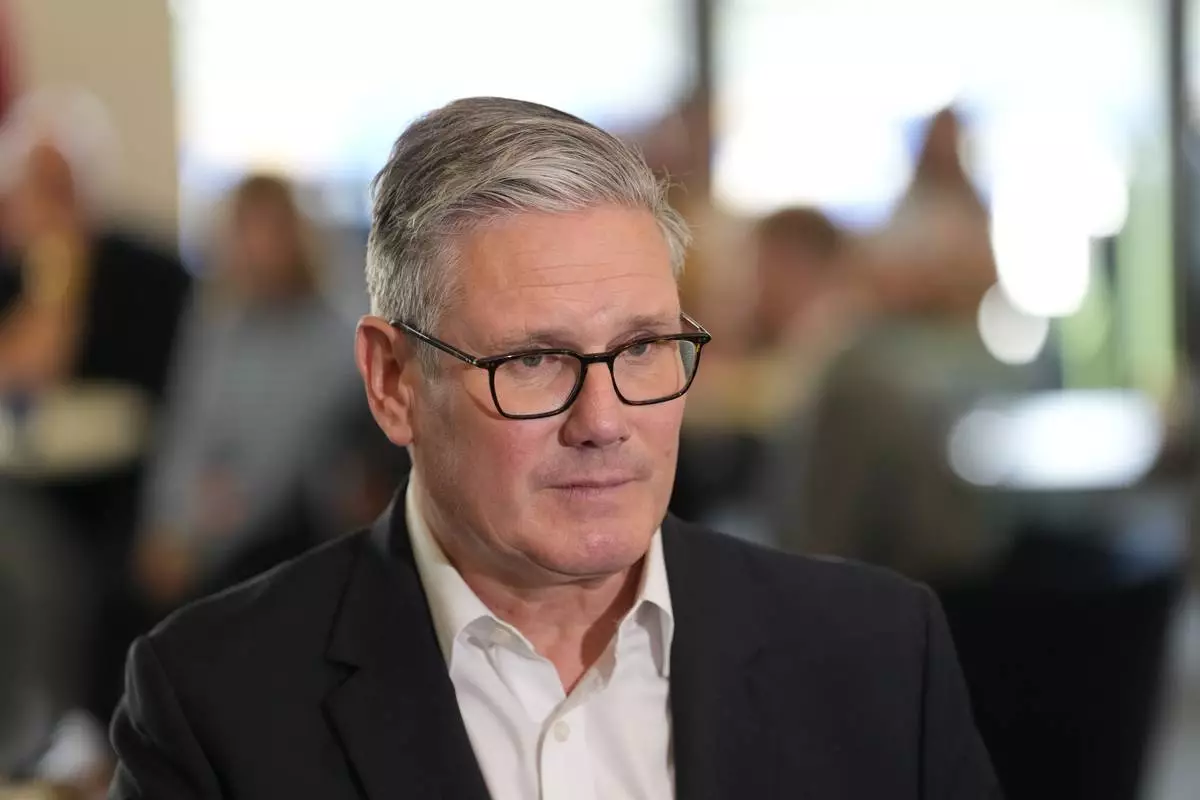
British Prime Minister Sir Keir Starmer speaking to the media after meeting Labour Party members during a visit to AFC Wimbledon in south London, Saturday May 9, 2026. (Maja Smiejkowska/PA via AP)
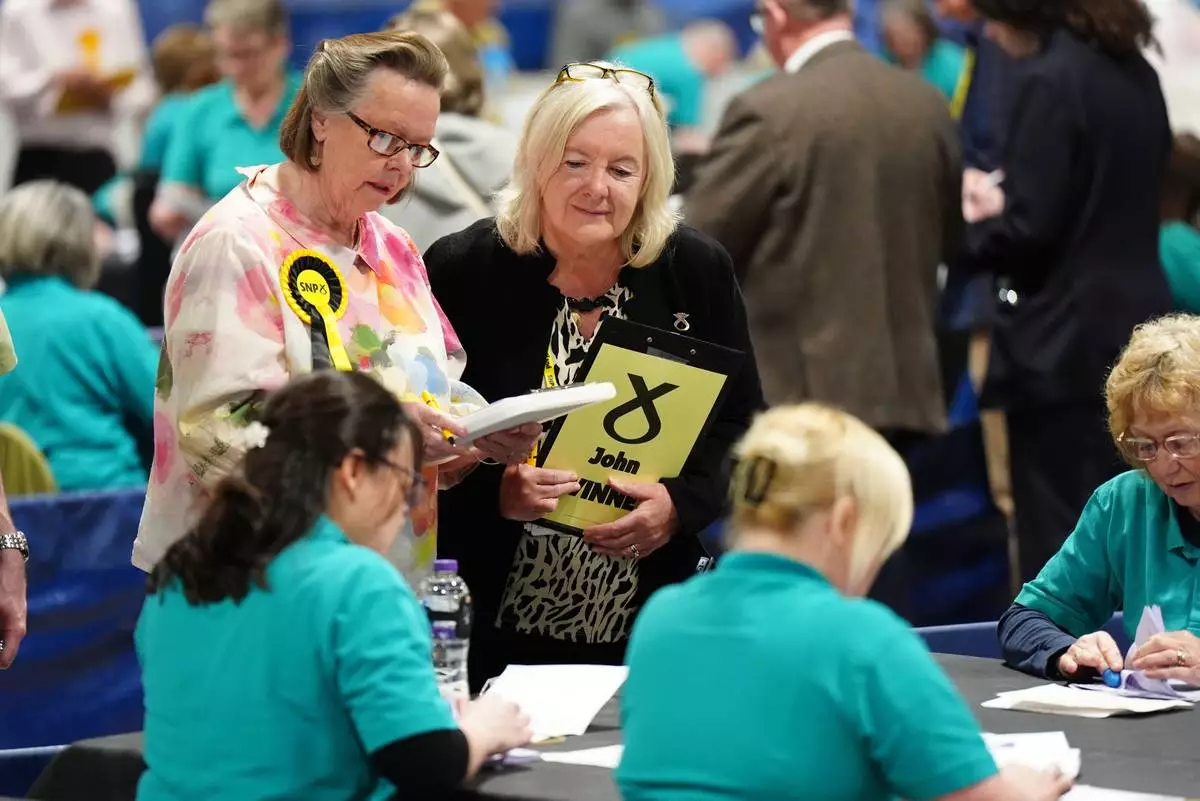
Observers from the Scottish National Party (SNP) watch as votes are counted for the 2026 Holyrood elections, at Dewars Centre in Perth, Scotland, Friday May 8, 2026. (Jane Barlow/PA via AP)
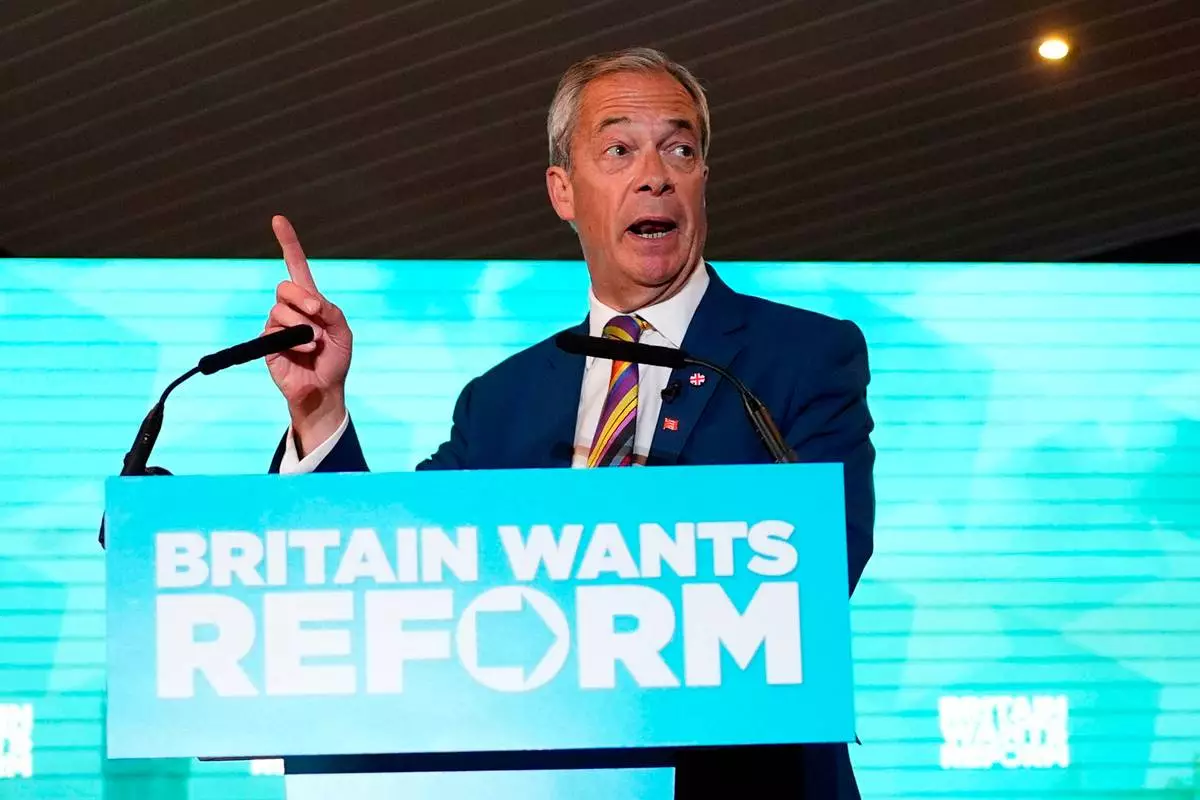
Reform UK leader Nigel Farage speaks to supporters at Chelmsford City Racecourse, Friday May 8, 2026, in Essex, England, following the 2026 local election results. (Jordan Pettitt/PA via AP)
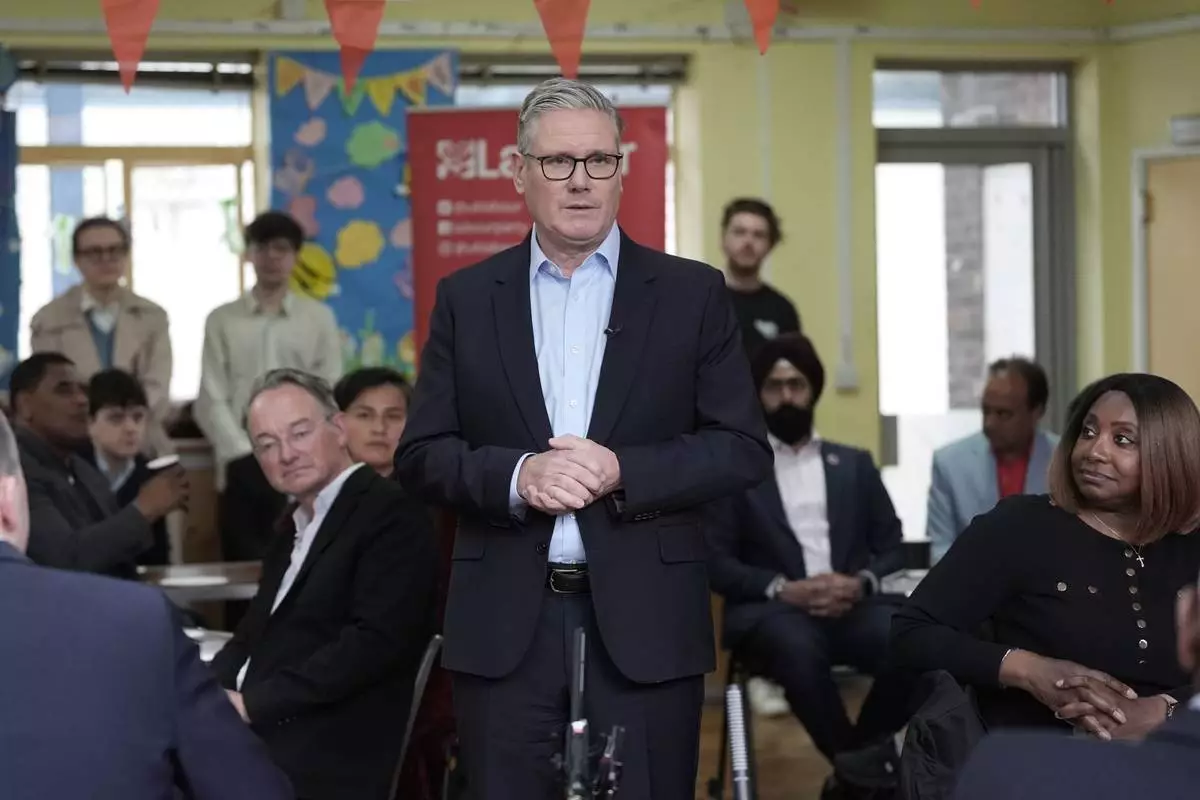
Britain's Prime Minister Sir Keir Starmer speaks to Labour Party members at Kingsdown Methodist Church Hall, in Ealing, west London, Friday May 8, 2026, a day after the local elections. (Stefan Rousseau/PA via AP)