Skip to Content Facebook Feature Image

'Ghost of the forest' returns to Kenya as conservationists reintroduce rare antelope into the wild

News

'Ghost of the forest' returns to Kenya as conservationists reintroduce rare antelope into the wild
News

News

'Ghost of the forest' returns to Kenya as conservationists reintroduce rare antelope into the wild

2026-05-09 21:52 Last Updated At:22:01

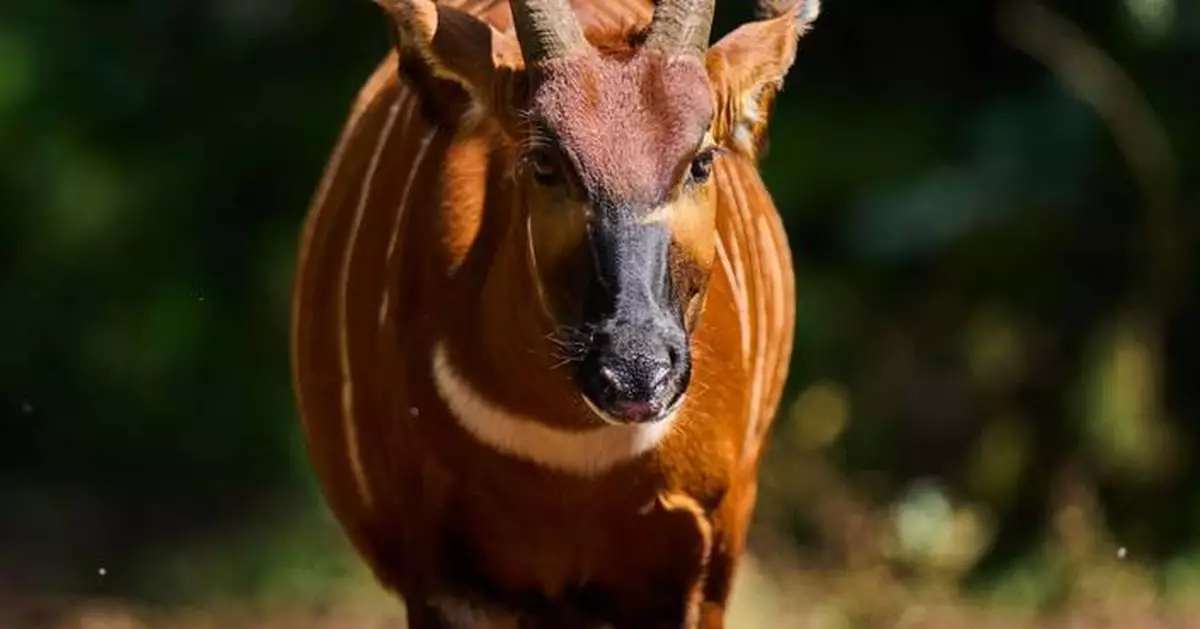
NANYUKI, Kenya (AP) — The mountain bongo has become the ghost of the forest, hard to spot amid the dense shrubs due to its ability to camouflage.

A critically endangered species, the animal is being slowly reintroduced into the wild by conservationists to increase the number of the rare antelope that are indigenous to Kenya’s forests.

More Images
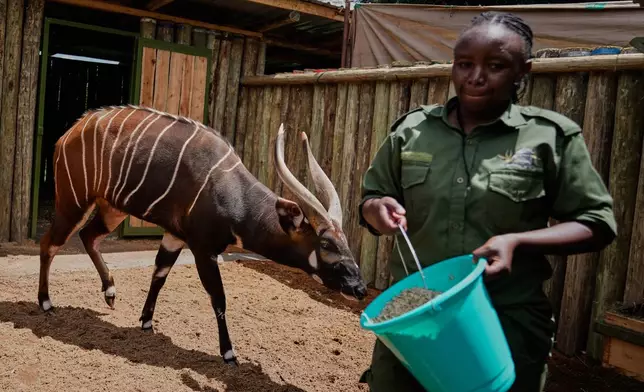
A critically endangered mountain bongo sent from the Czech Republic is fed by Christine Gathoni at the Mount Kenya Wildlife Conservancy in Nanyuki, Laikipia County, Kenya, Friday, May 8, 2026. (AP Photo/Brian Inganga)
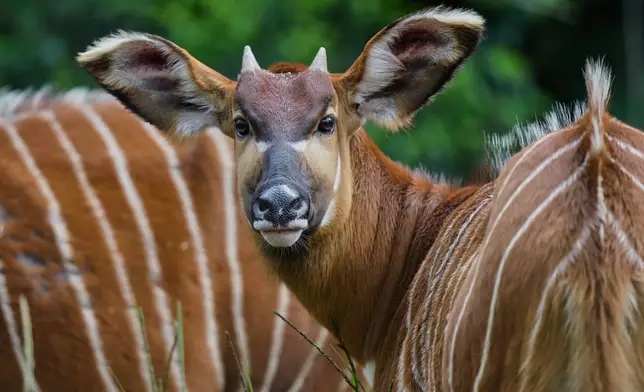
A critically endangered mountain bongo sent from the Czech Republic is fed by Christine Gathoni at the Mount Kenya Wildlife Conservancy in Nanyuki, Laikipia County, Kenya, Friday, May 8, 2026. (AP Photo/Brian Inganga)
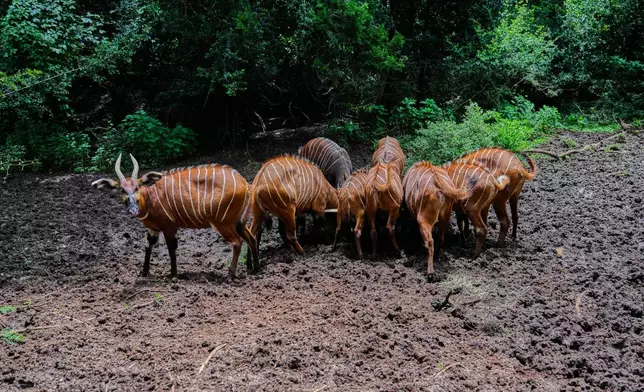
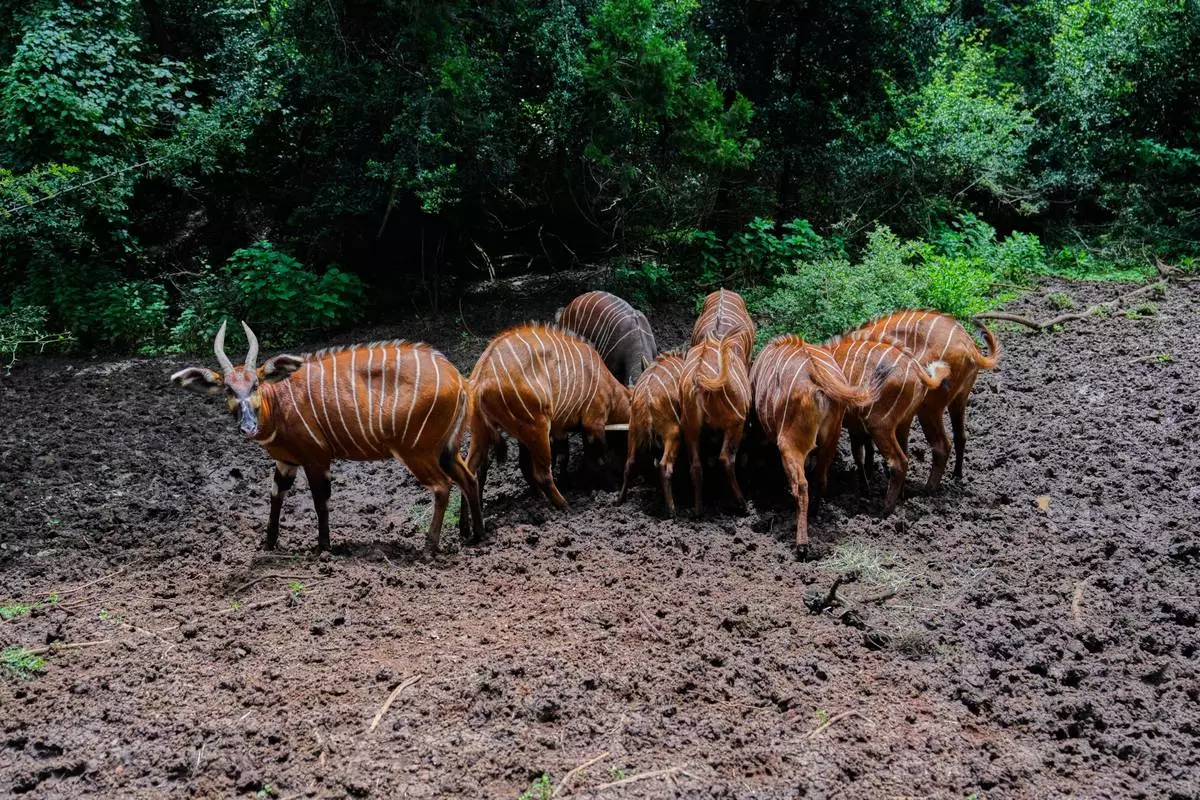
Critically endangered mountain bongos feed in a forest enclosure at the Mount Kenya Wildlife Conservancy in Nanyuki, Laikipia County, Kenya, Friday, May 8, 2026. (AP Photo/Brian Inganga)

Critically endangered mountain bongos feed in a forest enclosure at the Mount Kenya Wildlife Conservancy in Nanyuki, Laikipia County, Kenya, Friday, May 8, 2026. (AP Photo/Brian Inganga)

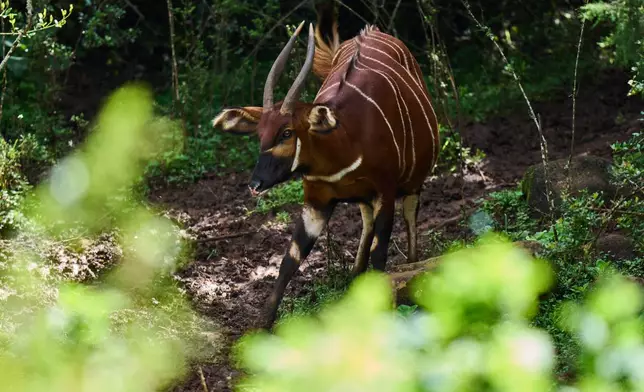
A lone critically endangered mountain bongo moves through the forested landscape of Mount Kenya, Africa's second-highest mountain, in Nanyuki, Laikipia County, Kenya, Friday, May 8, 2026. (AP Photo/Brian Inganga)
A lone critically endangered mountain bongo moves through the forested landscape of Mount Kenya, Africa's second-highest mountain, in Nanyuki, Laikipia County, Kenya, Friday, May 8, 2026. (AP Photo/Brian Inganga)

Critically endangered mountain bongos feed in a forest enclosure at the Mount Kenya Wildlife Conservancy in Nanyuki, Laikipia County, Kenya, Saturday, May 9, 2026. (AP Photo/Brian Inganga)
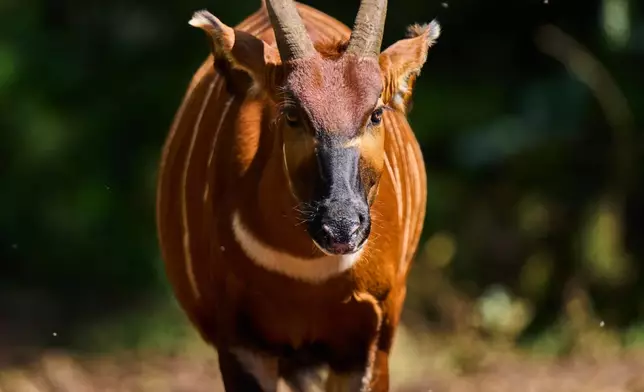
Critically endangered mountain bongos feed in a forest enclosure at the Mount Kenya Wildlife Conservancy in Nanyuki, Laikipia County, Kenya, Saturday, May 9, 2026. (AP Photo/Brian Inganga)

A solitary critically endangered mountain bongo emerges from the forested landscape of Mount Kenya, Africa's second-highest mountain, in Nanyuki, Laikipia County, Kenya, Friday, May 8, 2026. (AP Photo/Brian Inganga)

A solitary critically endangered mountain bongo emerges from the forested landscape of Mount Kenya, Africa's second-highest mountain, in Nanyuki, Laikipia County, Kenya, Friday, May 8, 2026. (AP Photo/Brian Inganga)

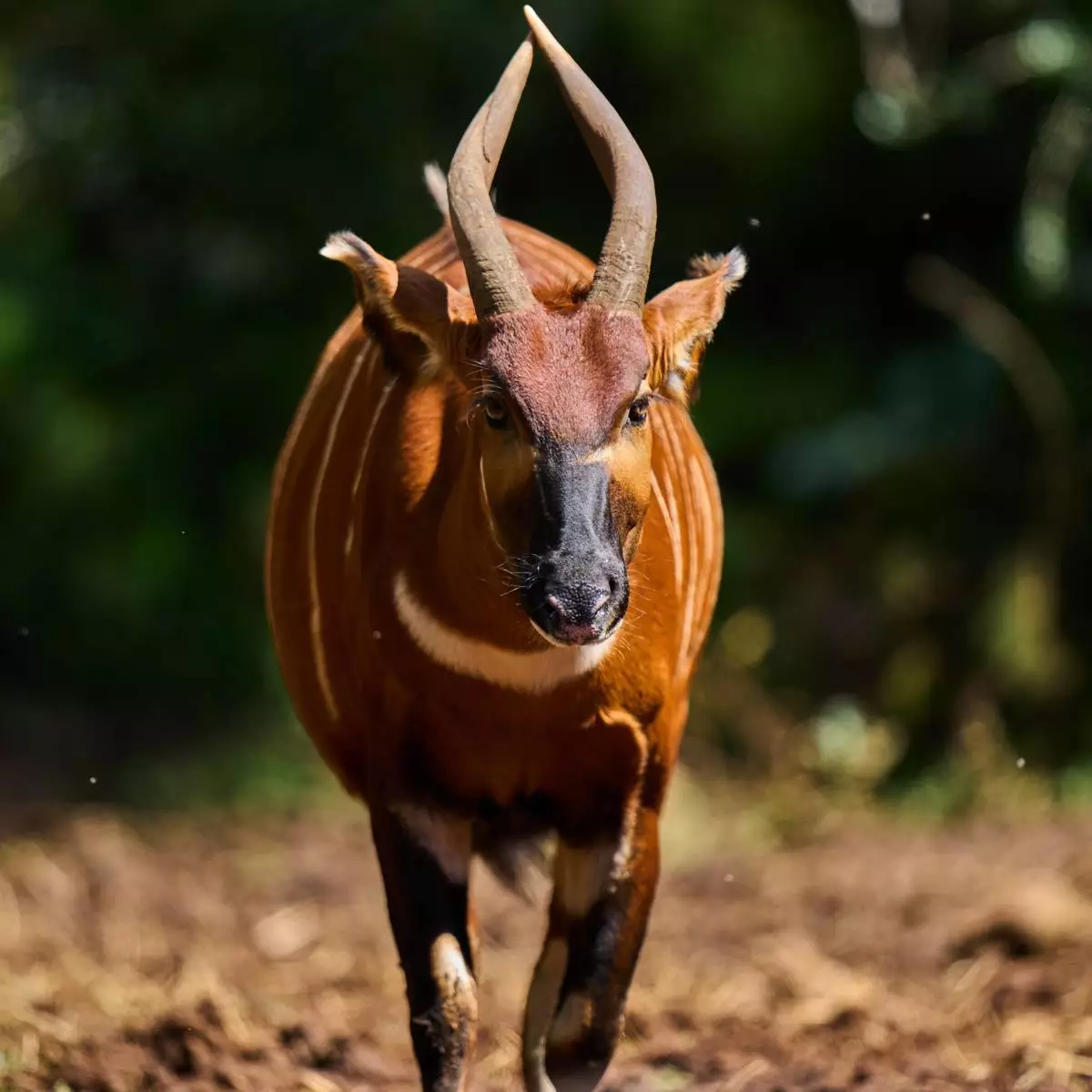
The mountain bongo is a rare antelope known for its brown skin and distinct white stripes. With fewer than 100 individuals left in the wild, a conservancy based in Kenya is breeding them and slowly reintroducing them into the wild, with a target of 750 wild bongos by 2050.

Located on the misty slopes of Kenya’s highest mountain, Mount Kenya, and on the edge of the forest, the 1,250-acre Mount Kenya Wildlife Conservancy in the Nanyuki area has been restoring the survival instincts of zoo-bred bongos. They want to ensure the animals can feed without human assistance, escape from predators, and build a strong immunity against diseases in the wild.

Last week, the conservancy imported a new batch of four male bongos from the European Association of Zoos and Aquaria though the Czech Republic. These new arrivals, currently quarantined and under constant observation, will interbreed with descendants of 18 bongos that arrived at the conservancy in 2004 from the United States to ensure a more diverse genetic pool.

The conservancy’s head, Dr. Robert Aruho, says inbreeding among bongos with similar genes is discouraged while rebuilding the population of this critically endangered species.

“We want bongos that are not only strong in body, but strong in the genes they pass to the next generation,” he said.

Bongos are native to Kenya’s Mount Kenya, Aberdare, Eburu and Mau forests, which play a key role in protecting the forests that are vital to the country’s water supply.

The last wild bongo was spotted in the Mount Kenya forest in 1994 before the conservancy reintroduced the first 10 bongos to the wild in 2022. Today, they roam among the orange climber vines and shrubs that form part of their favorite plants.

The bongo population dwindled after thousands of them died in disease outbreaks in the 1960s. In the 1980s, conservationist Don Hunt exported 36 of the species to the U.S. as insurance to be bred in captivity, with a plan to return them to the wild when conditions improved.

When the Mount Kenya Wildlife Conservancy was opened in 2004, 18 descendants of these bongos were imported and have since interbred, bringing the conservancy’s population to 102 bongos.

Caroline Makena, 33, grew up in the Mount Kenya region and remembers hearing stories about bongos from her grandmother, who said they were her community’s favorite bush meat. However, Makena never got to see one until she came to work as a gardener at the conservancy.

“I never knew the bongos were this beautiful, and I think my community loved them not just for the meat but because of their beauty,” she said.

The bongos are shy and can camouflage despite their distinct white stripes, and these attributes are critical for their survival in the wild.

Andrew Mulani, the bongo program assistant at the conservancy, said the bongos are monitored for months before being reintroduced into the wild to ensure that the shyest ones are selected because docile animals would fall easily to predators.

His most fulfilling moment was when the fourth calf was born in the wild last year, an indication that the bongos are thriving in their native habitat and that their population will certainly increase.

Bongos have a gestation period of nine months, a factor that has negatively impacted their slow population growth. They are also sensitive and react to some plants and weather conditions compared to other species in the antelope family that thrive in the same ecosystem.

As the team of conservationists in Mount Kenya races to save the critically endangered species, supplementing the bongos’ shrub diet with special nutritious pellets, thousands of tourists who visit the conservancy annually marvel at their spiraled horns, hoping the ghost of the forest will become a more common sight in Kenya’s forests.

For more on Africa and development: https://apnews.com/hub/africa-pulse

The Associated Press receives financial support for global health and development coverage in Africa from the Gates Foundation. The AP is solely responsible for all content. Find the AP’s standards for working with philanthropies, a list of supporters and funded coverage areas at AP.org.
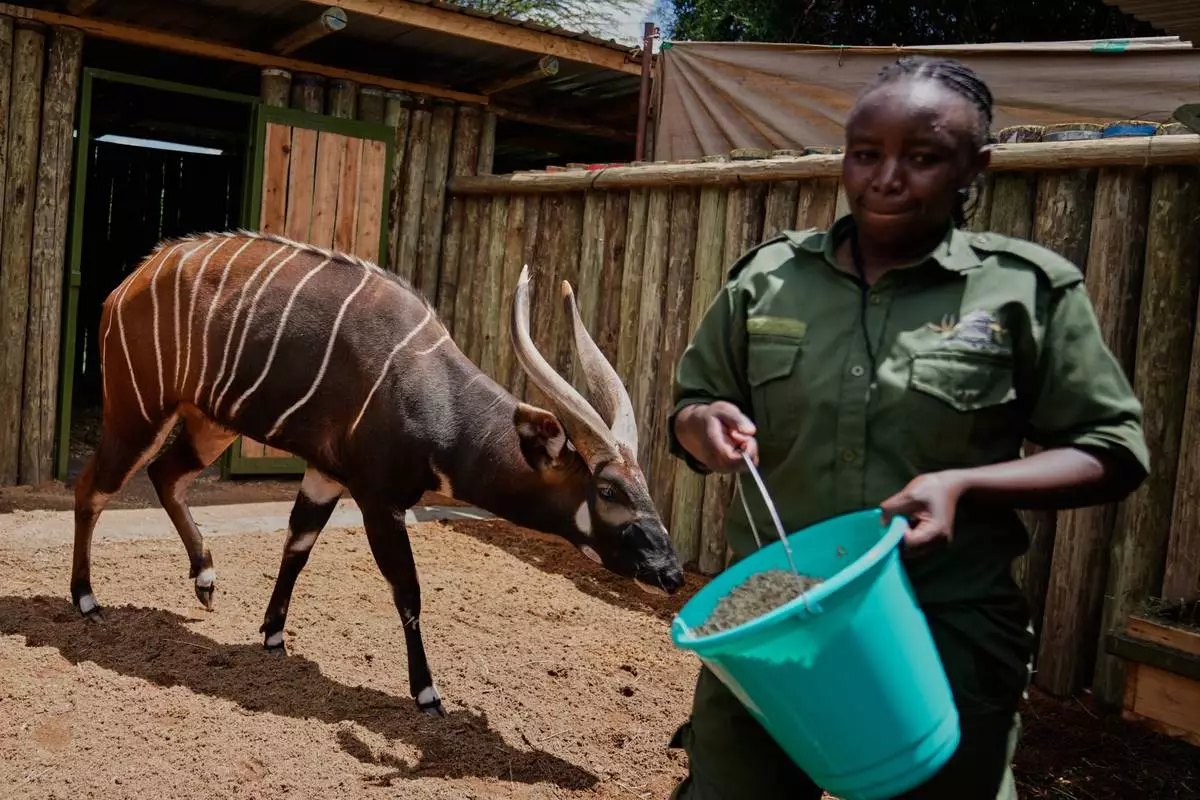
A critically endangered mountain bongo sent from the Czech Republic is fed by Christine Gathoni at the Mount Kenya Wildlife Conservancy in Nanyuki, Laikipia County, Kenya, Friday, May 8, 2026. (AP Photo/Brian Inganga)
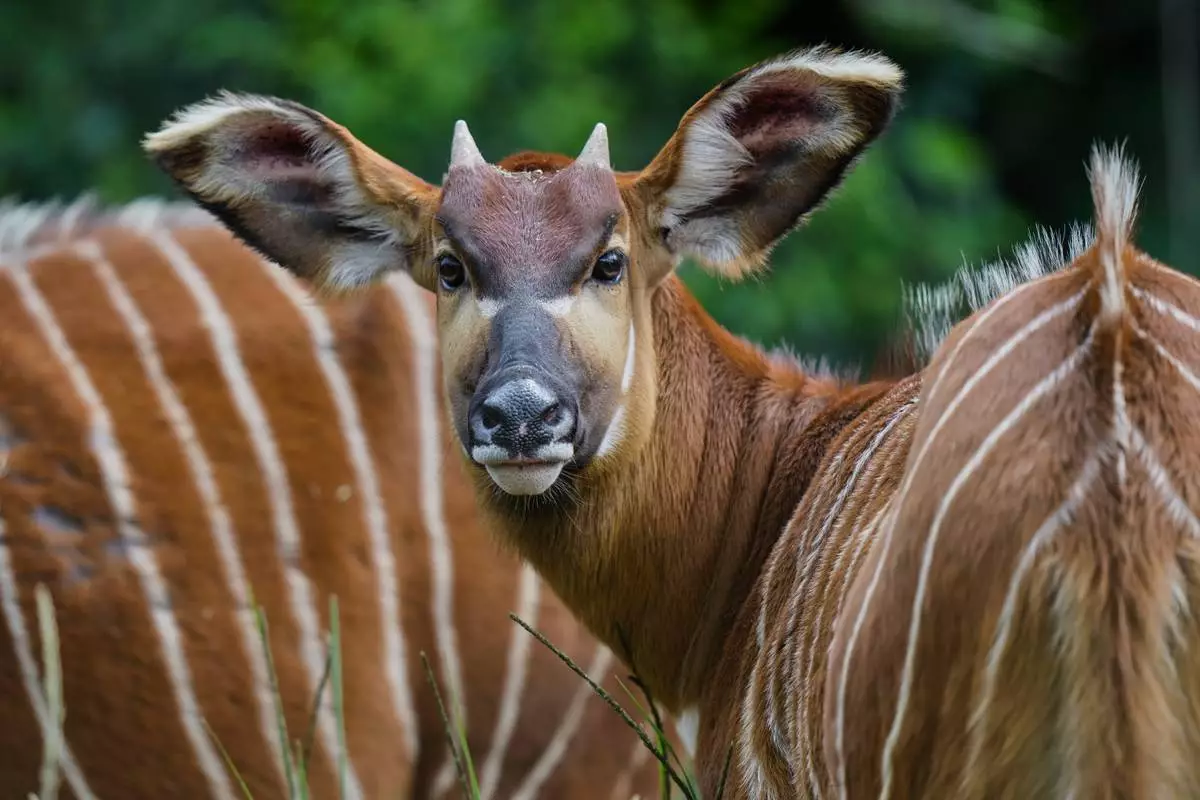
A critically endangered mountain bongo sent from the Czech Republic is fed by Christine Gathoni at the Mount Kenya Wildlife Conservancy in Nanyuki, Laikipia County, Kenya, Friday, May 8, 2026. (AP Photo/Brian Inganga)
Critically endangered mountain bongos feed in a forest enclosure at the Mount Kenya Wildlife Conservancy in Nanyuki, Laikipia County, Kenya, Friday, May 8, 2026. (AP Photo/Brian Inganga)

Critically endangered mountain bongos feed in a forest enclosure at the Mount Kenya Wildlife Conservancy in Nanyuki, Laikipia County, Kenya, Friday, May 8, 2026. (AP Photo/Brian Inganga)

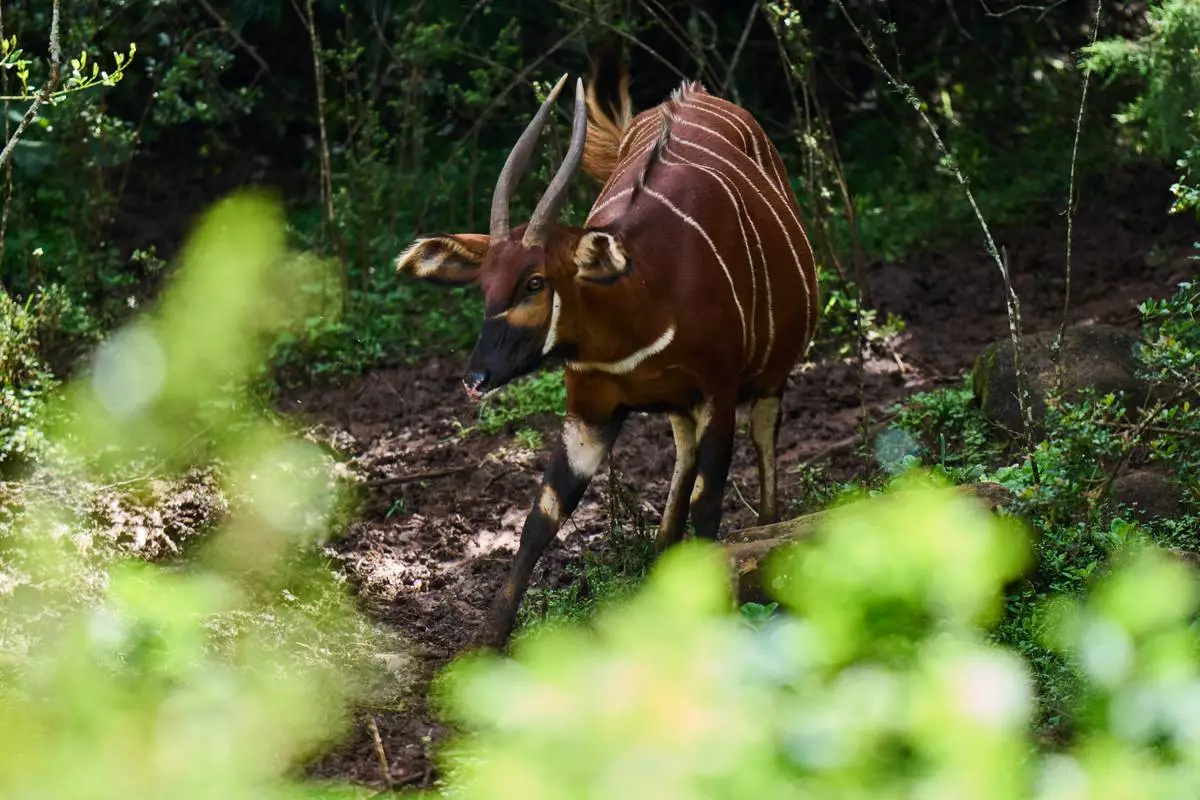
A lone critically endangered mountain bongo moves through the forested landscape of Mount Kenya, Africa's second-highest mountain, in Nanyuki, Laikipia County, Kenya, Friday, May 8, 2026. (AP Photo/Brian Inganga)
A lone critically endangered mountain bongo moves through the forested landscape of Mount Kenya, Africa's second-highest mountain, in Nanyuki, Laikipia County, Kenya, Friday, May 8, 2026. (AP Photo/Brian Inganga)

Critically endangered mountain bongos feed in a forest enclosure at the Mount Kenya Wildlife Conservancy in Nanyuki, Laikipia County, Kenya, Saturday, May 9, 2026. (AP Photo/Brian Inganga)
Critically endangered mountain bongos feed in a forest enclosure at the Mount Kenya Wildlife Conservancy in Nanyuki, Laikipia County, Kenya, Saturday, May 9, 2026. (AP Photo/Brian Inganga)

A solitary critically endangered mountain bongo emerges from the forested landscape of Mount Kenya, Africa's second-highest mountain, in Nanyuki, Laikipia County, Kenya, Friday, May 8, 2026. (AP Photo/Brian Inganga)

A solitary critically endangered mountain bongo emerges from the forested landscape of Mount Kenya, Africa's second-highest mountain, in Nanyuki, Laikipia County, Kenya, Friday, May 8, 2026. (AP Photo/Brian Inganga)
TENERIFE, Spain (AP) — The head of the World Health Organization sought Saturday to reassure worried residents of the Spanish island of Tenerife that they are not in danger from the anticipated arrival there of a hantavirus-stricken cruise ship, issuing a direct message to them.

The Dutch-flagged MV Hondius, with more than 140 passengers and crew on board, is headed to Spain's Canary Islands, off the coast of West Africa, and is expected to arrive at the island of Tenerife in the early hours of Sunday.

WHO Director-General Tedros Adhanom Ghebreyesus, along with Spain’s Health Minister Monica Garcia and Interior Minister Fernando Grande-Marlaska, are to head to the island Saturday to coordinate the disembarkation. of passengers and some crew.

Some residents on the island have said they do not want the ship to dock there, fearing the transmission of the virus. On board the cruise ship, some of the Spanish passengers have voiced concern about how they will be received once on land.

“I know you are worried. I know that when you hear the word “outbreak” and watch a ship sail toward your shores, memories surface that none of us have fully put to rest. The pain of 2020 is still real, and I do not dismiss it for a single moment,” Tedros said in a direct message to the people of Tenerife.

“But I need you to hear me clearly: This is not another COVID. The current public health risk from hantavirus remains low. My colleagues and I have said this unequivocally, and I will say it again to you now,” he added.

Three people have died since the outbreak, and five passengers who left the ship are infected with hantavirus, a virus which can cause life-threatening illness.

Hantavirus is usually spread by the inhalation of contaminated rodent droppings and isn’t easily transmitted between people. But the Andes virus detected in the cruise ship outbreak may be able to spread between people in rare cases. Symptoms usually show between one and eight weeks after exposure.

The WHO, Spanish authorities and cruise company Oceanwide said Saturday that nobody on board the Hondius is currently showing symptoms of the virus.

“WHO continues to actively monitor the situation, coordinate support and next steps and will keep Member States and the public updated accordingly. So far, the risk for the population of Canary Islands and globally remains low,” Tedros posted earlier on X.

Spanish Health Minister Monica Garcia said passengers and some crew would disembark in Tenerife under strict health protocols.

Everyone disembarking will first be medically checked to ensure they are not showing any symptoms, while people will only be taken off the ship if a flight is already in Tenerife waiting to fly them off the island, Garcia said during a news conference in Madrid. There are currently people of more than 20 different nationalities on board.

Both the U.S. and the U.K. have agreed to send planes to evacuate their citizens from the cruise ship.

Those disembarking will not take any luggage with them, Garcia said, and will be allowed to disembark with only a small item of hand luggage containing essential items, a cellphone, charger and documentation.

Some crew, as well as the body of a passenger who died onboard, will not disembark, Garcia said. They will remain on board as the Hondius then sets sail for the Netherlands, where it will undergo disinfection, the minister added.

All Spanish passengers will be transferred to a medical facility and quarantined, she said. Oceanwide has listed 13 Spanish passengers and one Spanish crew member on board.

According to a letter sent by the Dutch foreign and health ministers to parliament late Friday, Spain has activated the EU civil protection mechanism for a medical evacuation plane equipped for high-consequence infectious disease to be on standby.

If anyone falls ill, the medics on board the ship will inform Spanish authorities, and the evacuation plane “will be sent to Tenerife so that the sick person can be quickly transported by air to the European mainland.”

The Dutch government will work with Spanish authorities and the ship company to arrange repatriation of Dutch passengers and crew as soon as possible after arrival in Tenerife, subject to medical conditions and advice from the European Centre for Disease Prevention and Control, the letter said. Those without symptoms will go into home quarantine for six weeks and be monitored by local health services.

As the ship is Dutch-flagged, the Netherlands may also temporarily accommodate people of other nationalities and monitor them in quarantine, it said.

Health authorities across four continents were tracking down and monitoring more than two dozen passengers who disembarked before the deadly outbreak was detected. They were also scrambling to trace others who may have come into contact with them.

On April 24, nearly two weeks after the first passenger had died on board, more than two dozen people from at least 12 different countries left the ship without contact tracing, Dutch officials and the ship’s operator have said.

It wasn’t until May 2 that health authorities first confirmed hantavirus in a passenger.

On Friday, the WHO said a flight attendant on a plane briefly boarded by an infected cruise passenger had tested negative for hantavirus. Her possible infection had raised concerns about the virus’ potential transmissibility.

The KLM flight attendant was working on a plane headed from Johannesburg to Amsterdam on April 25, and had later fallen ill.

The cruise passenger briefly aboard that flight — a Dutch woman whose husband died on the ship — was too ill to stay on the international flight to Europe and was taken off in Johannesburg, where she died.

Becatoros reported from Sparta, Greece. Associated Press writer Angela Charlton in Paris contributed to this report.

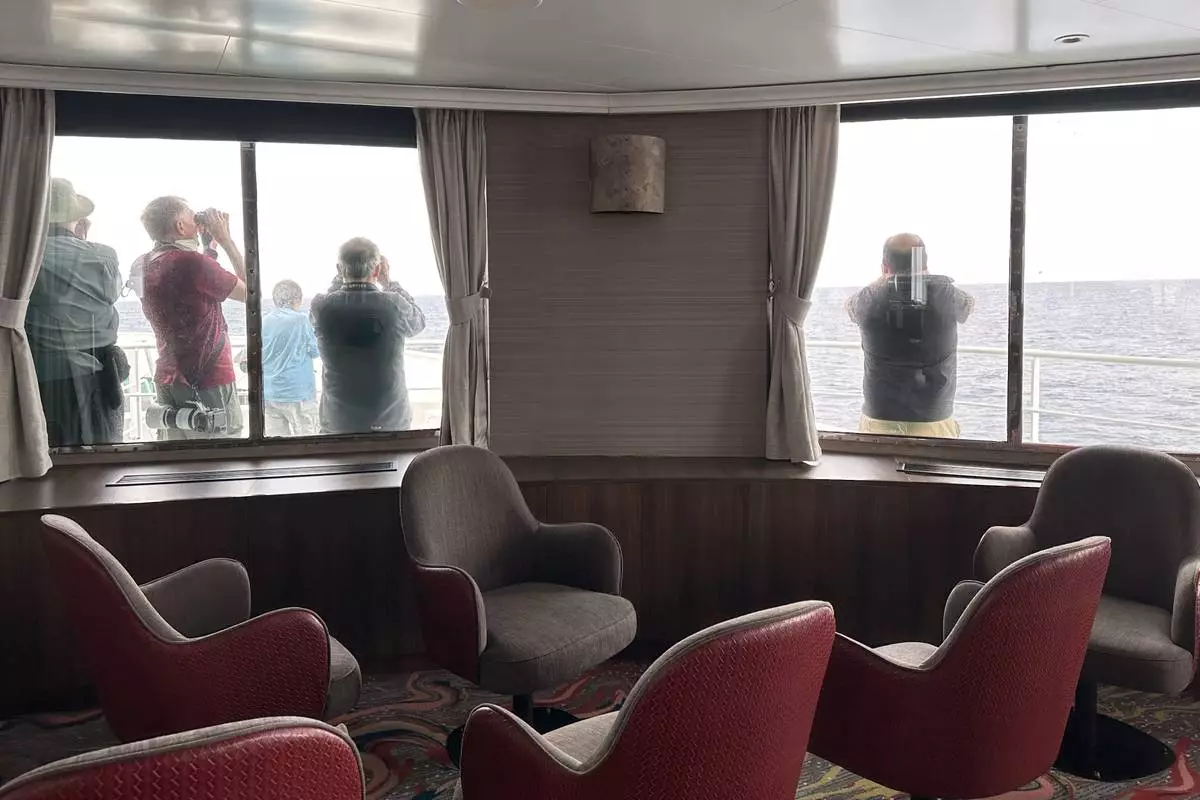
Passengers on the hantavirus-stricken cruise ship, MV Hondius, scan the horizon with binoculars during their voyage to Spain's port of Tenerife, May 6, 2026. (AP Photo)

Passengers on the hantavirus-stricken cruise ship, MV Hondius, scan the horizon with binoculars during their voyage to Spain's port of Tenerife, May 6, 2026. (AP Photo)

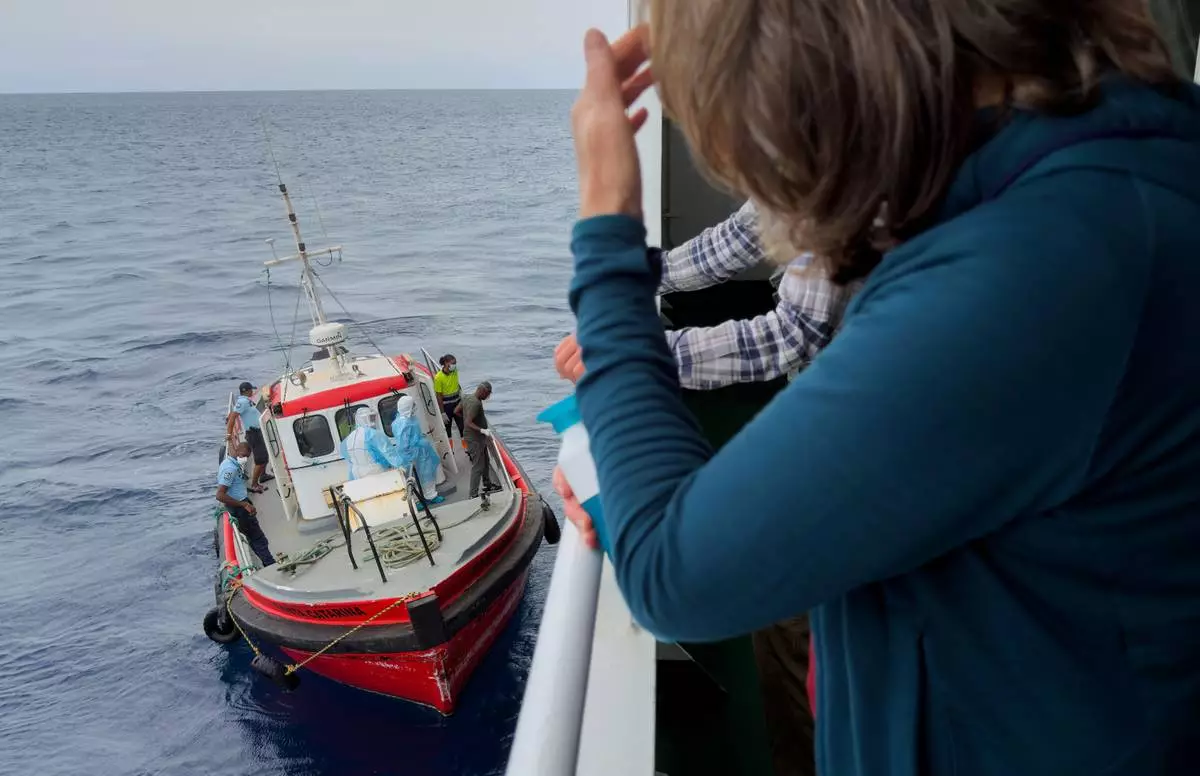
Passengers on the the hantavirus-stricken cruise ship, MV Hondius, watch epidemiologists board the boat in Praia, during their voyage to Spain's port of Tenerife, May 6, 2026. (AP Photo)

Passengers on the the hantavirus-stricken cruise ship, MV Hondius, watch epidemiologists board the boat in Praia, during their voyage to Spain's port of Tenerife, May 6, 2026. (AP Photo)

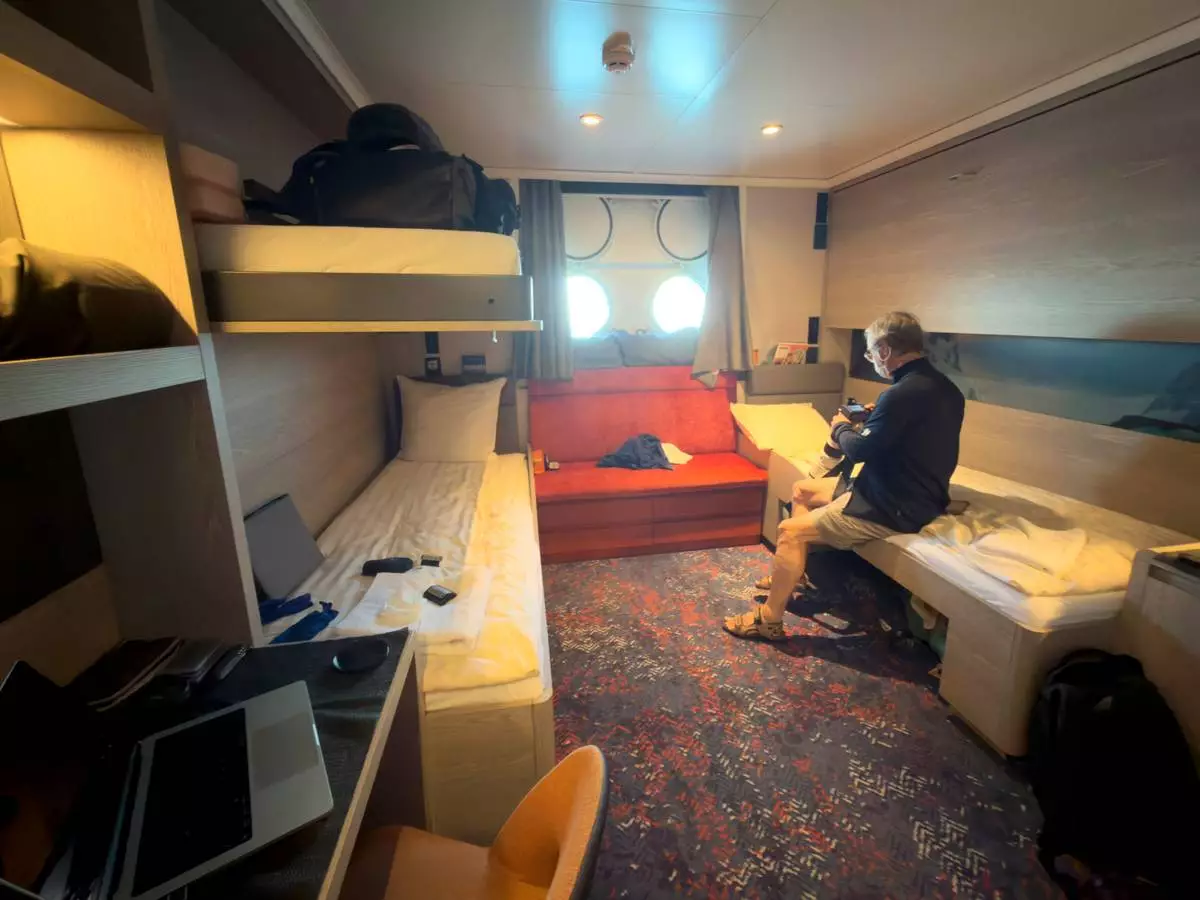
A passenger checks his camera inside his cabin on the hantavirus-stricken cruise ship, MV Hondius, during the voyage to Spain's port of Tenerife, May 6, 2026. (AP Photo)

A passenger checks his camera inside his cabin on the hantavirus-stricken cruise ship, MV Hondius, during the voyage to Spain's port of Tenerife, May 6, 2026. (AP Photo)

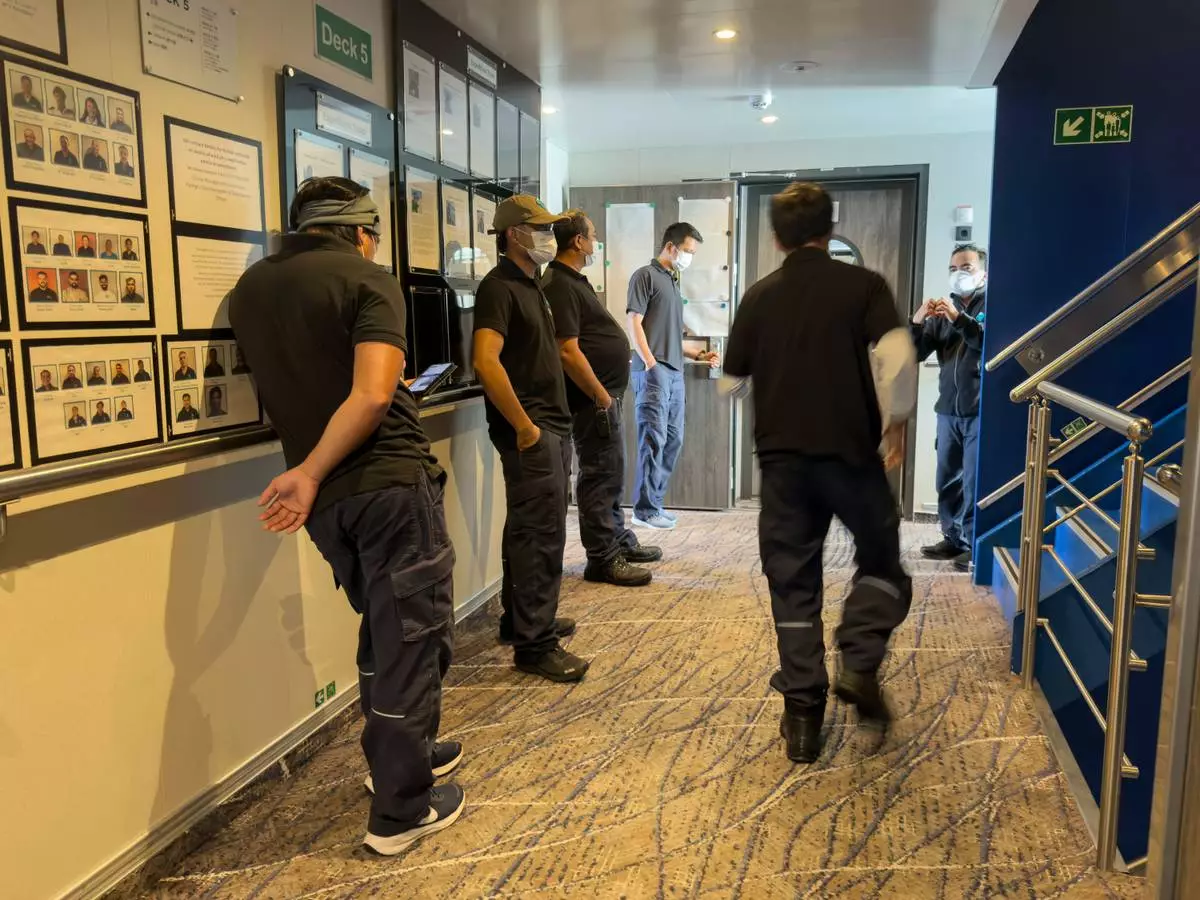
Crew members of the hantavirus-stricken cruise ship, MV Hondius, wait their turns for a first interview with epidemiologists, during the voyage to Spain's port of Tenerife, May 6, 2026. (AP Photo)

Crew members of the hantavirus-stricken cruise ship, MV Hondius, wait their turns for a first interview with epidemiologists, during the voyage to Spain's port of Tenerife, May 6, 2026. (AP Photo)

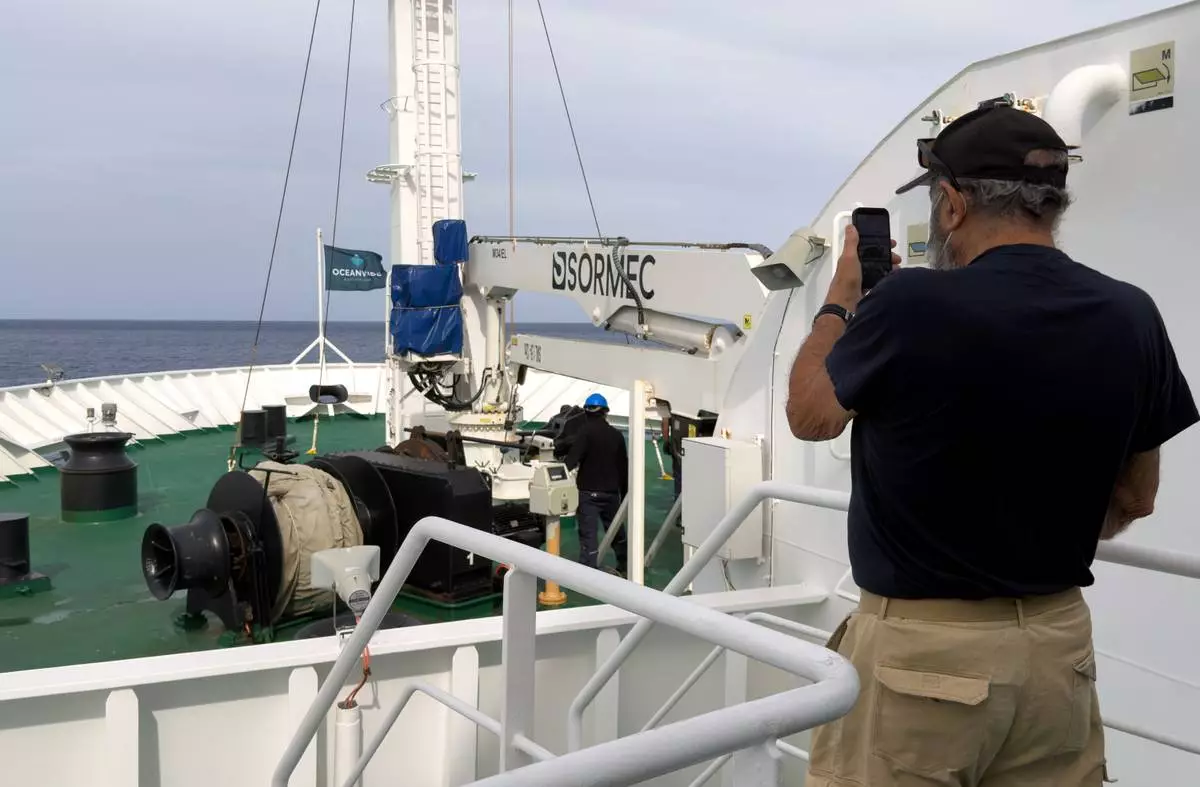
A passenger on the the hantavirus-stricken cruise ship, MV Hondius, takes a photo of the ship's weighing anchor in Praia, during the voyage to Spain's port of Tenerife, May 6, 2026. (AP Photo)

A passenger on the the hantavirus-stricken cruise ship, MV Hondius, takes a photo of the ship's weighing anchor in Praia, during the voyage to Spain's port of Tenerife, May 6, 2026. (AP Photo)

Recommended Articles