The British government announced on Sunday that rail fares will be frozen for the first time in 30 years to ease the cost of living for millions of commuters.
According to the government's press release, passengers will not be paying a penny more on season tickets, peak returns for commuters and off-peak returns between major cities.
The policy applies to England and services run by English train operating companies.
It comes as the Chancellor of the Exchequer Rachel Reeves is reportedly set to deliver a new annual budget on Nov 26, with the latest measure to be included.
Some Britain media outlets have pointed out that the government's move is aimed at garnering greater public support.
The government estimates that move could help each passenger save up to 300 pounds (about 392 U.S. dollars) annually, as transport expenses currently account for about 14 percent of household spending. It is expected to directly limit inflation by holding down a major component of everyday costs.
According to data released by the Office for National Statistics, Britain's inflation rate for October was 3.6 percent. The core inflation rate for October, which excludes food and energy prices, was 3.4 percent, slightly below the previous rate of 3.5 percent, yet still above the policy target of 2 percent.
In addition, the consumer confidence index in Britain saw a significant decline in November, marking the biggest monthly drop since April of this year, according to survey data released by the British Retail Consortium (BRC) on Thursday.
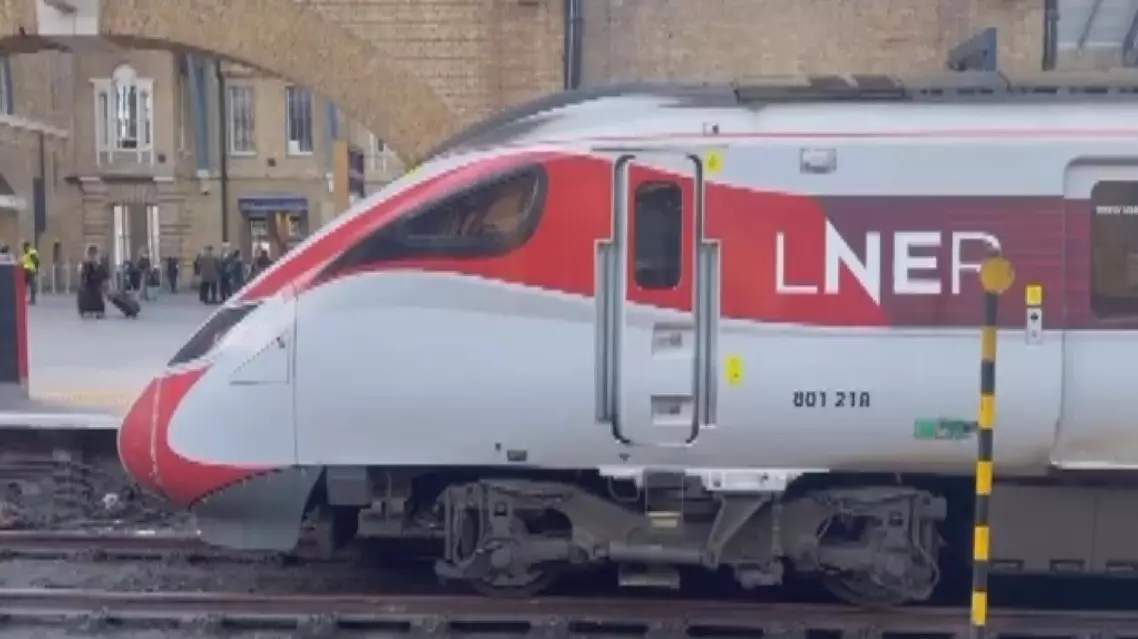
UK gov't announces first rail fare freeze in 30 years to ease cost of living
An increasing number of German consumers are considering buying electric vehicles (EVs) in the face of high fuel prices, according to a recent survey by the largest German online car trading platform, mobile.de.
As the Middle East tensions continue to drive up international oil and gas prices, the cost of automotive fuel has been rising steadily in many European countries.
According to fuel price data compiled by the German Association of the Automotive Industry, since the United States and Israel launched military strikes against Iran on February 28, gasoline prices in Germany have risen by nearly 20 percent, while diesel prices have shot up by more than 30 percent.
Results from a recent survey by mobile.de show that if gasoline prices remain at current high levels, 43 percent of respondents said they would switch to EVs, and 36 percent cited long-term cost savings as the most important reason for considering an EV purchase.
Additionally, the platform's data show that inquiries about used EVs surged by 66 percent in the first half of March.
"We are absolutely seeing much more interest on mobile.de for electric cars. What the German energy transition couldn't do, this current geopolitical situation has done in terms of transition to electric cars," said Ajay Bhatia, CEO of mobile.de.
In addition to high oil prices, government subsidies are also a key factor driving German consumers to consider purchasing EVs.
The German government announced the resumption of subsidies in January of this year, planning to invest 3 billion euros over the next few years to provide purchase subsidies for some 800,000 EVs.
Driven by the combined effects of high oil prices and subsidy policies, German consumers' interest in EVs has grown clearly. However, it remains to be seen whether this shift will evolve into a more sustained market trend.
"How long it will stay is anyone's guess, but at the moment we're absolutely seeing an increase, and sometimes these transitions need a catalyst. And this is definitely a catalyst that is seeing the transition to electric cars speed up," said Bhatia.
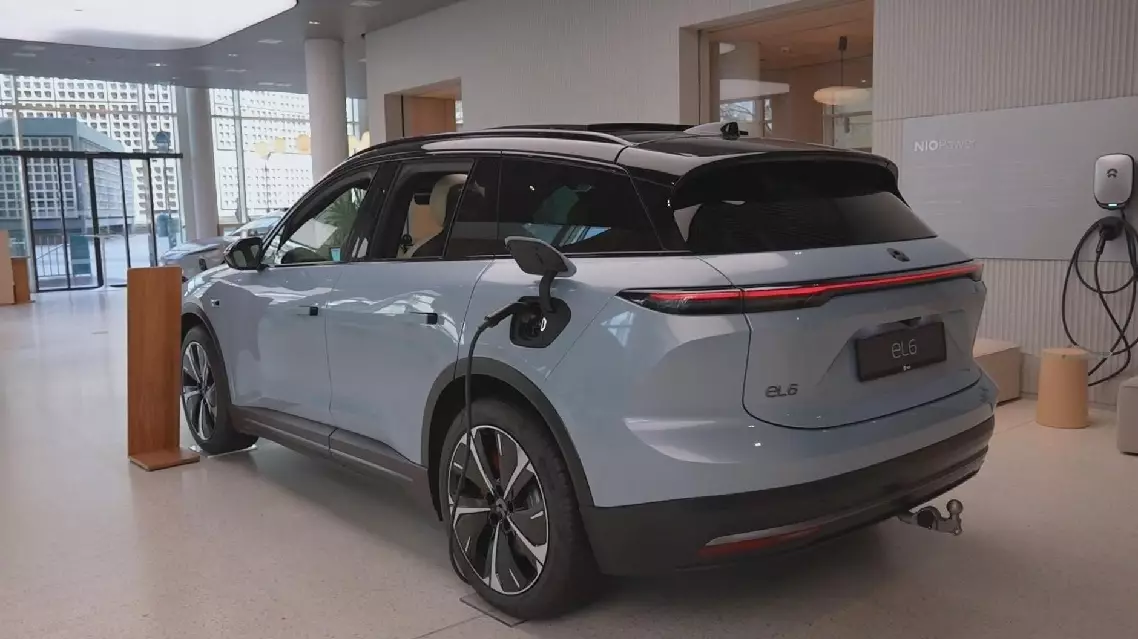
More Germans interested in buying EVs due to high oil prices: survey