JOHANNESBURG (AP) — Poorer nations attending the Group of 20 summit in South Africa have used the meeting to push leaders on climate action and high levels of debt, issues directly affecting the developing world.
They have also sought to position themselves as economic partners with much to offer in sectors including mining, technology and artificial intelligence, among others.
Click to Gallery
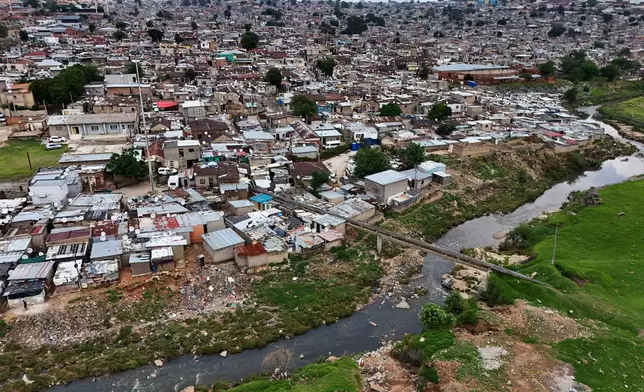
An aerial view of the Jukskei River in the Alexandra township in Johannesburg, South Africa, Wednesday, Nov. 12, 2025. (AP Photo/Nqobile Ntshangase)
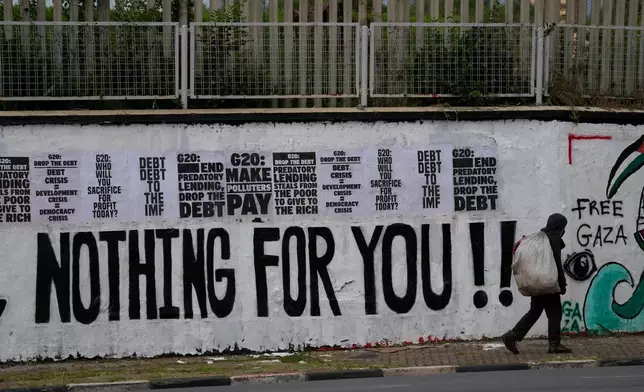
A man walks past an anti G20 graffiti in Johannesburg, South Africa, Saturday, Nov. 22, 2025. (AP Photo/Themba Hadebe)
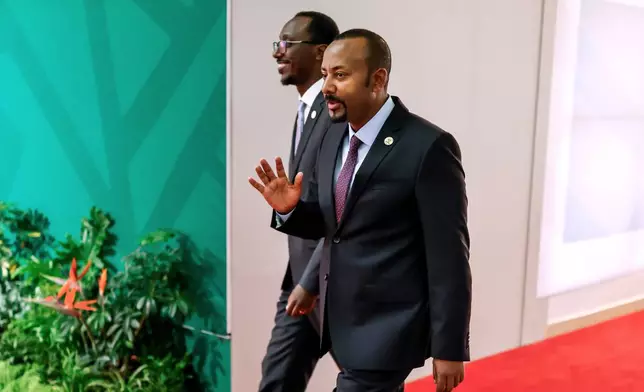
Ethiopia's Prime Minister Abiy Ahmed Ali, foreground, arrives for the second day of the G20 Leaders' Summit, in Johannesburg, South Africa, Sunday, Nov. 23, 2025. (Marco Longari/Pool Photo via AP)
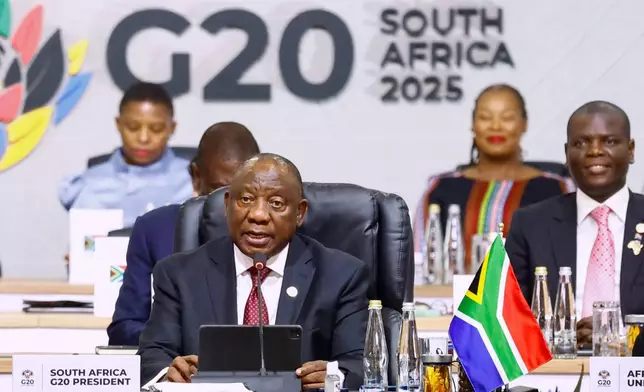
South African President Cyril Ramaphos addresses the opening session of the G20 leaders' summit, in Johannesburg, South Africa, Saturday, Nov. 22, 2025. (Thomas Mukoya/Pool Photo via AP)
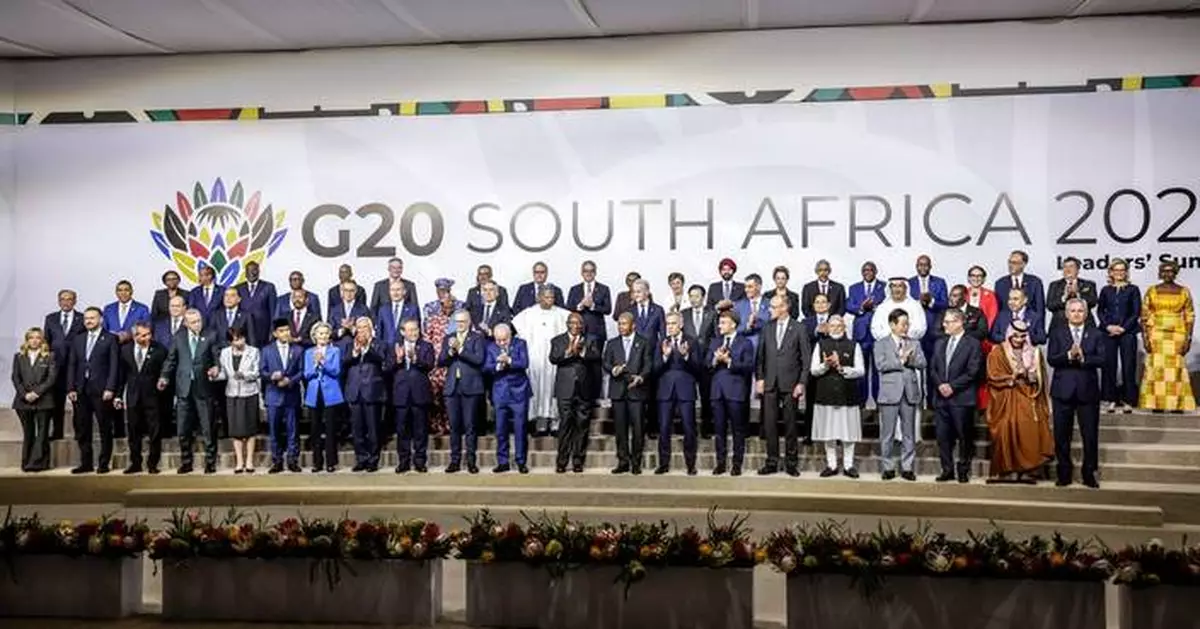
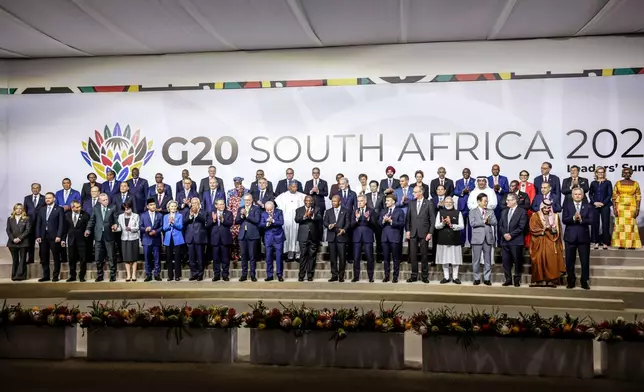
Leaders and delegates pose for a group photo, on the opening day of the G20 Leaders' Summit, in Johannesburg, South Africa, Saturday, Nov. 22, 2025. (Gianluigi Guercia/Pool Photo via AP)
Many lauded South Africa, which hands over the rotating G20 presidency to the U.S., for promoting an inclusive agenda prioritizing the needs of poorer nations by focusing on global inequality. The United States boycotted the Johannesburg meeting meant to bring rich and developing nations together over President Donald Trump’s claims that South Africa is violently persecuting its Afrikaner white minority.
In addition to the G20 countries, the African Union and the European Union, many developing nations were invited as guests, like Zimbabwe, Namibia, Jamaica and Malaysia.
“We are not here to speak of despair, we are here to speak of possibilities and shared responsibilities," Ethiopian Prime Minister Abiy Ahmed told delegates.
He said that debt relief must translate into investments that benefit people. "In Ethiopia, we have learnt that inclusivity is not charity, it is efficiency.”
Namibian President Netumbo Nandi-Ndaitwah called for fair financing terms for developing nations. She said her country had recently paid back its $750 million bond on time.
“However, we are considered by decision makers as a risky country. We need fair international financial institutions,” she said.
Jamaica's Prime Minister Andrew Michael Holness reflected on climate-fueled natural disasters and their impact on developing nations, like that of Hurricane Melissa that had devastated his country.
“One external shock can undo years of progress," he said.
World Trade Organization Director General Ngozi Okonjo-Iweala on Sunday urged African leaders to think carefully about future trade with other countries when adopting policies.
“How we position ourselves depends on us and our policymakers. So if we continue to export, and see that 60% of our exports are commodities and raw materials, then things will not change," she said. "We can go from raw materials all the way to finished product by creating subregional and regional value chains.”
Nabil Ahmed, director of economic and racial justice at think tank Oxfam, said it was the first time that a G20 agenda had inequality as one of its central pillars.
“The world recognizes that we have a climate emergency. It's now time that we recognize that we have an inequality emergency as well," he said.
“One thing that South Africa managed to do as the first host of a G20 meeting on African soil, was to prioritize the interests of African nations and the interests of global south nations,” he said.
Follow AP’s coverage of the G20 summit in South Africa: https://apnews.com/hub/g20-summit
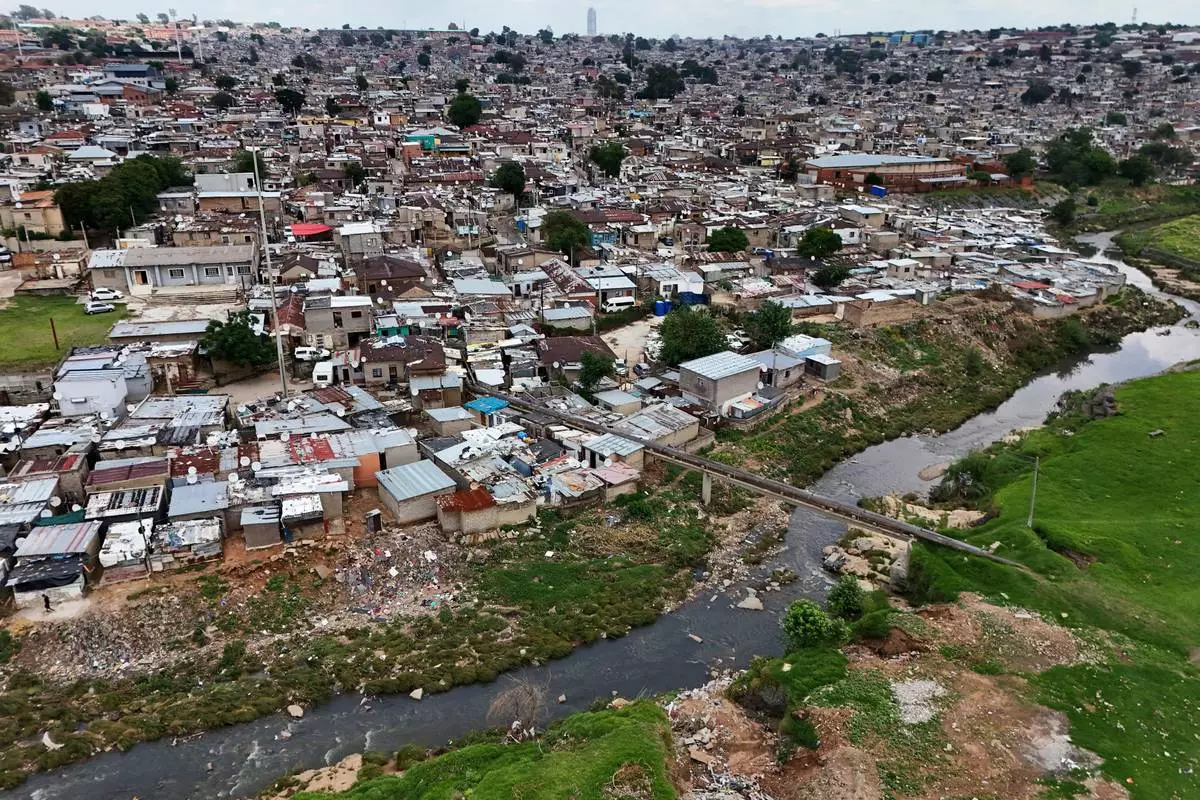
An aerial view of the Jukskei River in the Alexandra township in Johannesburg, South Africa, Wednesday, Nov. 12, 2025. (AP Photo/Nqobile Ntshangase)
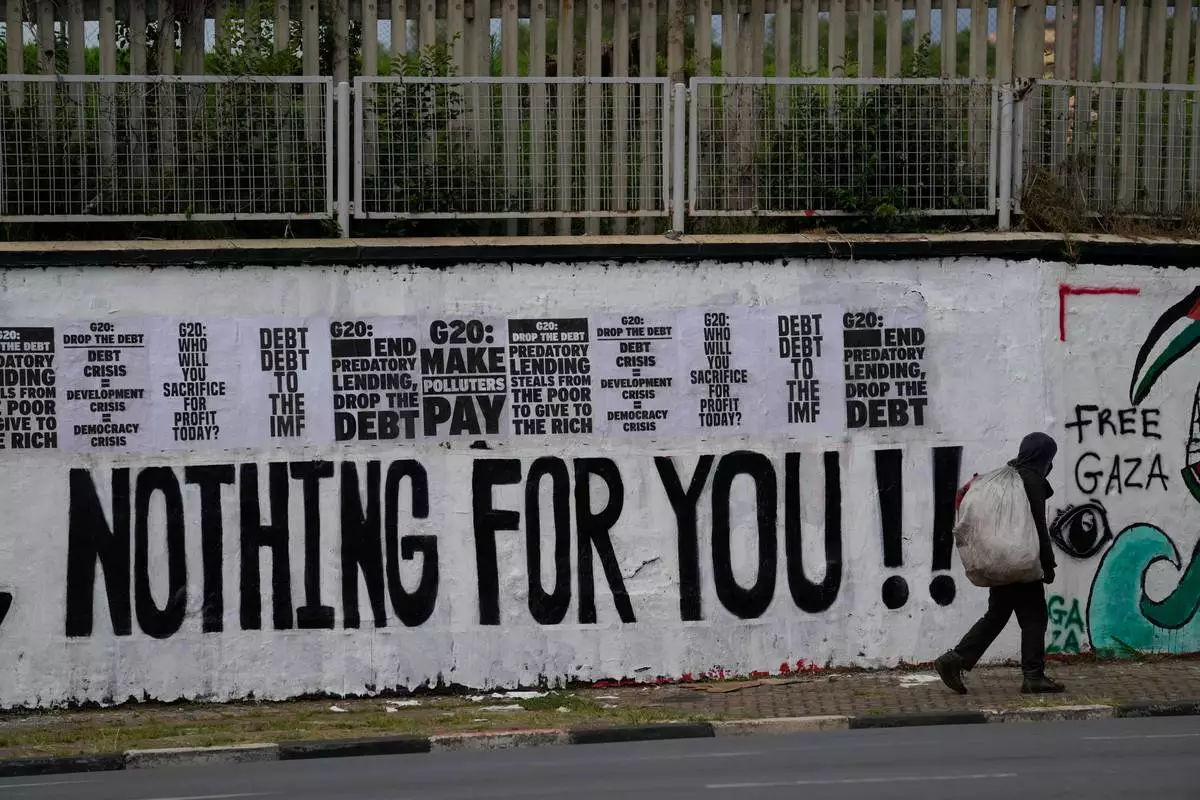
A man walks past an anti G20 graffiti in Johannesburg, South Africa, Saturday, Nov. 22, 2025. (AP Photo/Themba Hadebe)
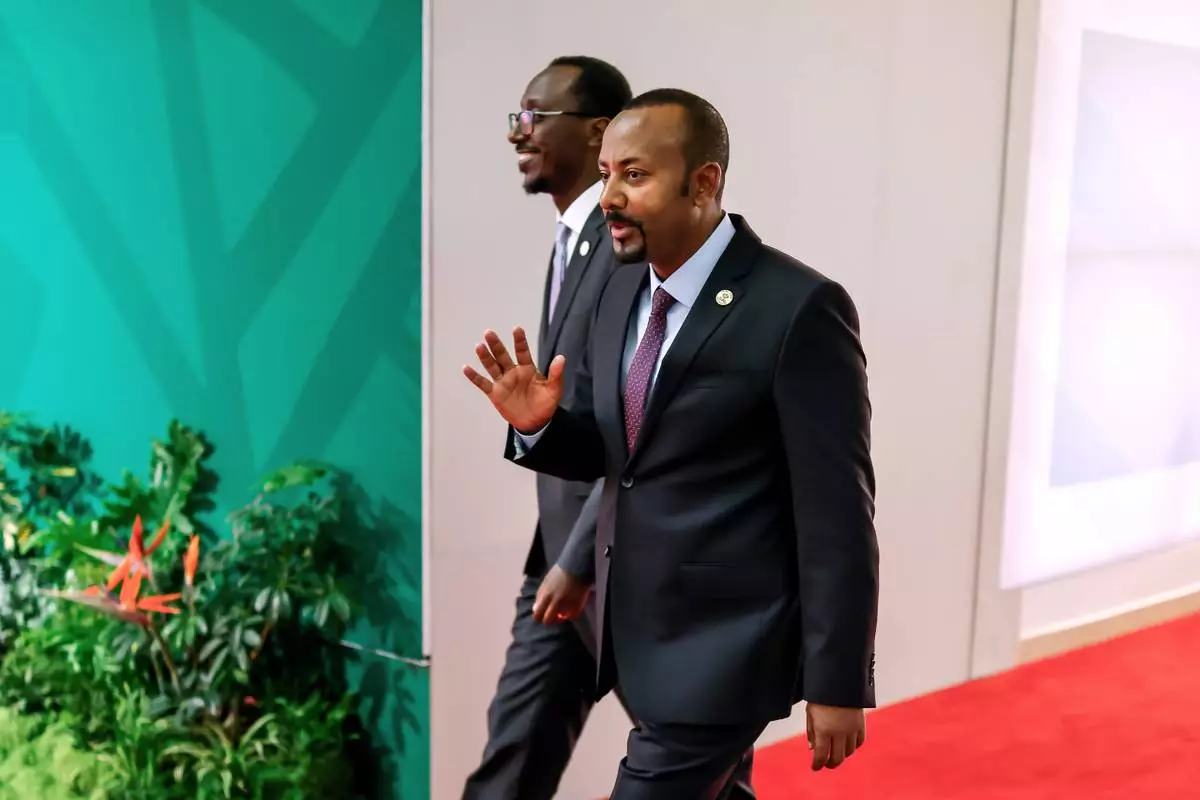
Ethiopia's Prime Minister Abiy Ahmed Ali, foreground, arrives for the second day of the G20 Leaders' Summit, in Johannesburg, South Africa, Sunday, Nov. 23, 2025. (Marco Longari/Pool Photo via AP)
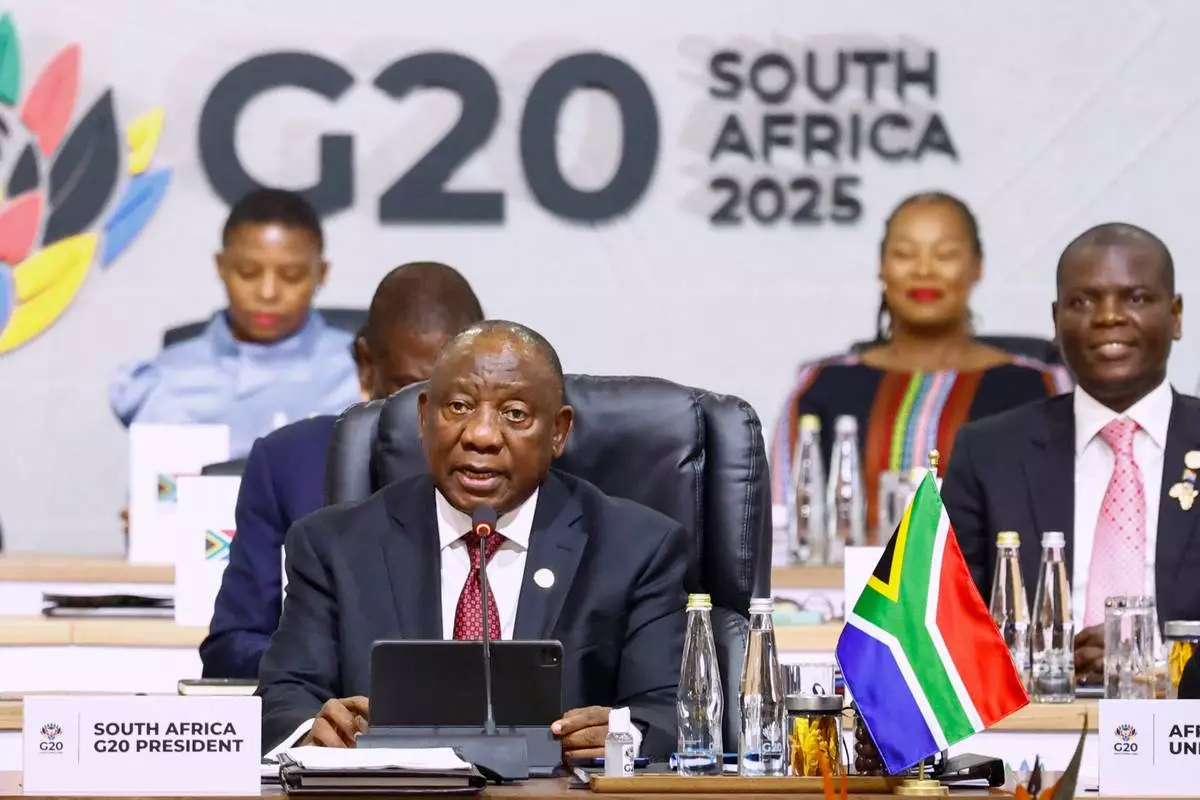
South African President Cyril Ramaphos addresses the opening session of the G20 leaders' summit, in Johannesburg, South Africa, Saturday, Nov. 22, 2025. (Thomas Mukoya/Pool Photo via AP)

Leaders and delegates pose for a group photo, on the opening day of the G20 Leaders' Summit, in Johannesburg, South Africa, Saturday, Nov. 22, 2025. (Gianluigi Guercia/Pool Photo via AP)
NEW DELHI (AP) — Hundreds of supporters of the Cockroach Janata Party, an online joke that drew millions across India, gathered for the first time in the national capital on Saturday, taking the social media movement off screens and into its biggest real-world test yet.
The protest at Jantar Mantar in New Delhi, marks the movement’s first foray into street politics after weeks of dominating social media feeds and news headlines, attracting millions of online followers and widespread support among young Indians.
Hundreds of mostly young Indians gathered in the heart of New Delhi’s protest zone near Parliament, some with placards and cockroach masks. How many ultimately would join remained unclear, making the event an early test of whether the movement can channel its online popularity into a broader grassroots support around growing frustration among young Indians over education, jobs and economic prospects.
Abhijeet Dipke, founder of the online movement, arrived in the capital from the U.S. on Saturday to participate in the protest. Police laid steel barricades at arrivals at New Delhi's international airport.
Dipke said in a social media post that police granted permission to the Cockroach Janta Party, or CJP, to hold the protest, saying, “Cockroaches gather at Jantar Mantar.”
CJP organizers used social media to rally supporters for Saturday’s march, demanding the resignation of Education Minister Dharmendra Pradhan. The demand grew out of an exam irregularity controversy in May that quickly became a broader outlet for frustration over India’s education system and limited job opportunities.
Supporters chanted slogans including, “Cockroaches are coming, Dharmendra Pradhan is going!”
Participants were encouraged to bring India’s national flag and a book, which organizers said symbolized right to education and equal opportunity for all. Organizers also urged demonstrators to remain peaceful and avoid any confrontations with police.
“Time to turn this tiny joke into a revolution,” the official CJP account on X posted Friday.
The CJP emerged only three weeks ago to become an unlikely outlet for discontent among supporters who proudly call themselves “cockroaches.”
India’s Chief Justice Surya Kant likened critics and some unemployed youth to cockroaches during a May hearing, sparking backlash among frustrated young Indians. Dipke, a political communications strategist and Boston University student, used the insult as inspiration for a parody political party. Within a week of launching a website and social media accounts, CJP's Instagram page had amassed more than 15 million followers.
The party has turned the cockroach into a wry badge of endurance and political articulation. Videos and memes lampooning unemployment, corruption and political dysfunction have drawn millions of views online. Parody CJP accounts also have adopted the cockroach as a political symbol and use memes, mock campaign slogans and satirical commentary.
The movement’s tongue-in-cheek messaging blends self-deprecating humor with political criticism. Supporters jokingly describe themselves as unemployed, perpetually online and shut out of meaningful influence. Beneath the humor lies a broader criticism of Prime Minister Narendra Modi's government, as CJP supporters argue that ordinary Indians, particularly young people, have been left with fewer opportunities.
Young people in India make up more than a quarter of the population but face limited job opportunities, rising unemployment and growing disillusionment with traditional politics. Many young voters also are critical of Modi’s ruling Hindu nationalist ruling Bharatiya Janata Party, citing concerns over rising religious polarization, widening inequality and mounting economic pressures.
The movement's skeptics, particularly supporters of Modi’s party, dismiss the phenomenon as little more than a social-media gimmick. They argue the movement’s online popularity may not translate into street mobilization and that its rapid rise is likely fleeting.
The group's rise echoes a similar trend across South Asia of youth movements born out of social media playing a central role in anti-government protests, including uprisings in Sri Lanka and Bangladesh and unrest in Nepal.
The movement still faces significant hurdles. Over the past decade, Indian authorities under Modi have sought to stamp out protests against his government, including demonstrations against a controversial citizenship legislation and yearlong farmers' protests.
Some protest movements also have faced legal action against organizers and activist arrests, which is part of what critics describe as a broader effort by authorities under Modi to suppress dissent.
Associated Press journalist Shonal Ganguly in New Delhi contributed to this report.
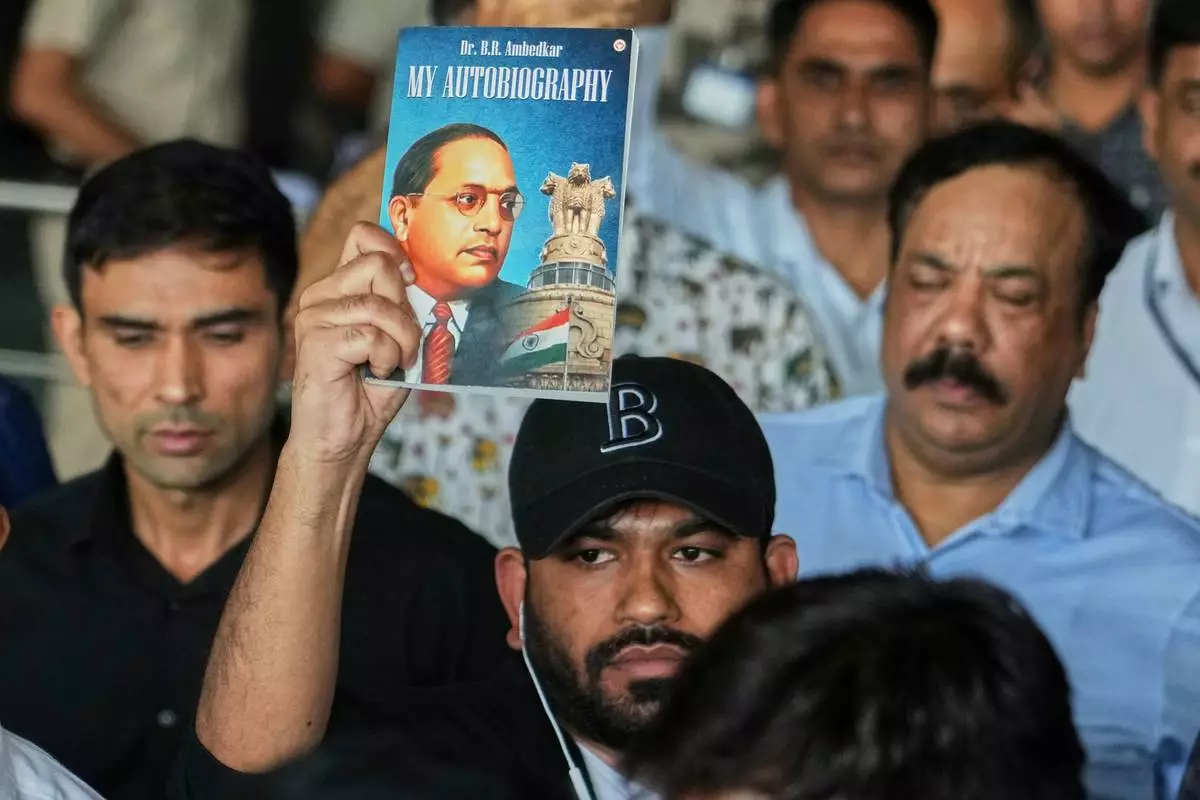
Abhijeet Dipke, center, founder of Cockroach Janta Party shows the autobiography of Bhim Rao Ambedkar as he comes out at Indira Gandhi International airport in New Delhi, India, Saturday, June 6, 2026. (AP Photo/Manish Swarup)
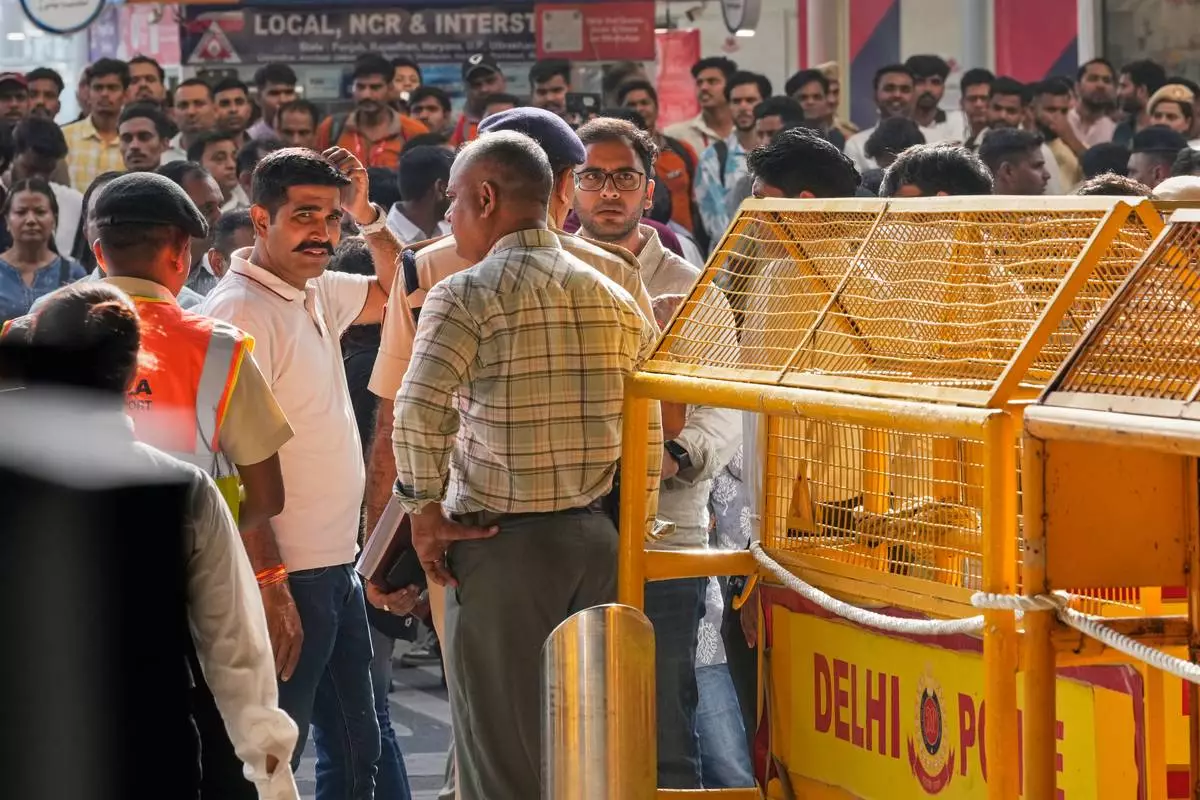
Saurabh Das, center, spokesperson of Cockroach Janta Party waits for the arrival of Abhijeet Dipke, founder of CJP at Indira Gandhi International airport in New Delhi, India, Saturday, June 6, 2026. (AP Photo/Manish Swarup)
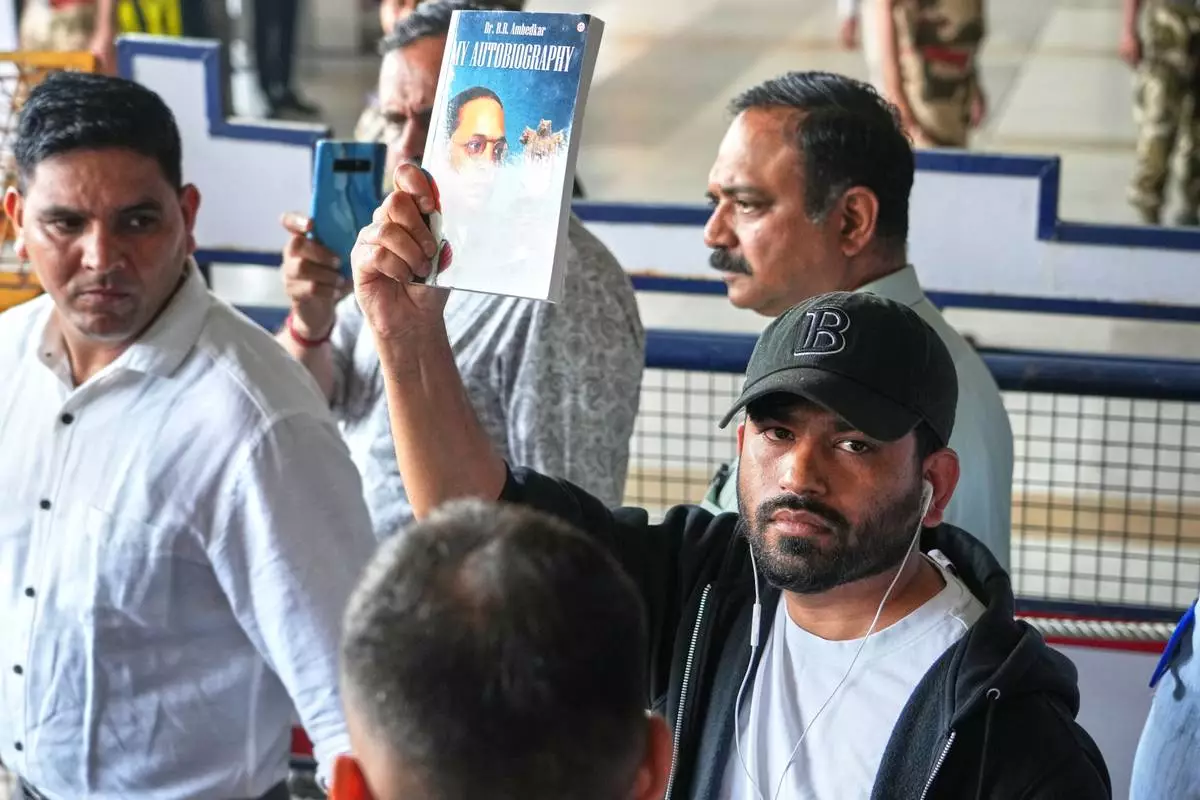
Abhijeet Dipke, center, founder of Cockroach Janta Party shows the autobiography of Bhim Rao Ambedkar as he comes out at Indira Gandhi International airport in New Delhi, India, Saturday, June 6, 2026. (AP Photo/Manish Swarup)
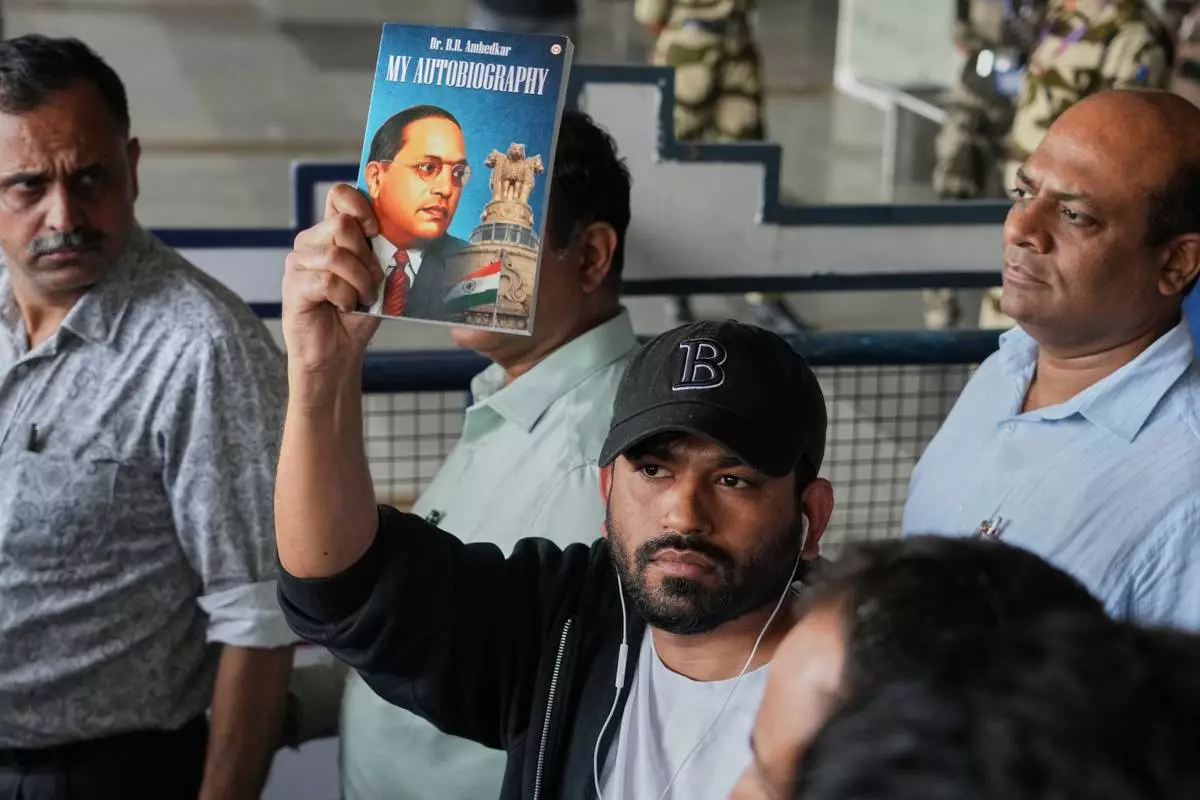
Abhijeet Dipke founder of Cockroach Janta Party shows the autobiography of Bhim Rao Ambedkar as he comes out at Indira Gandhi International airport in New Delhi, India, Saturday, June 6, 2026. (AP Photo/Manish Swarup)
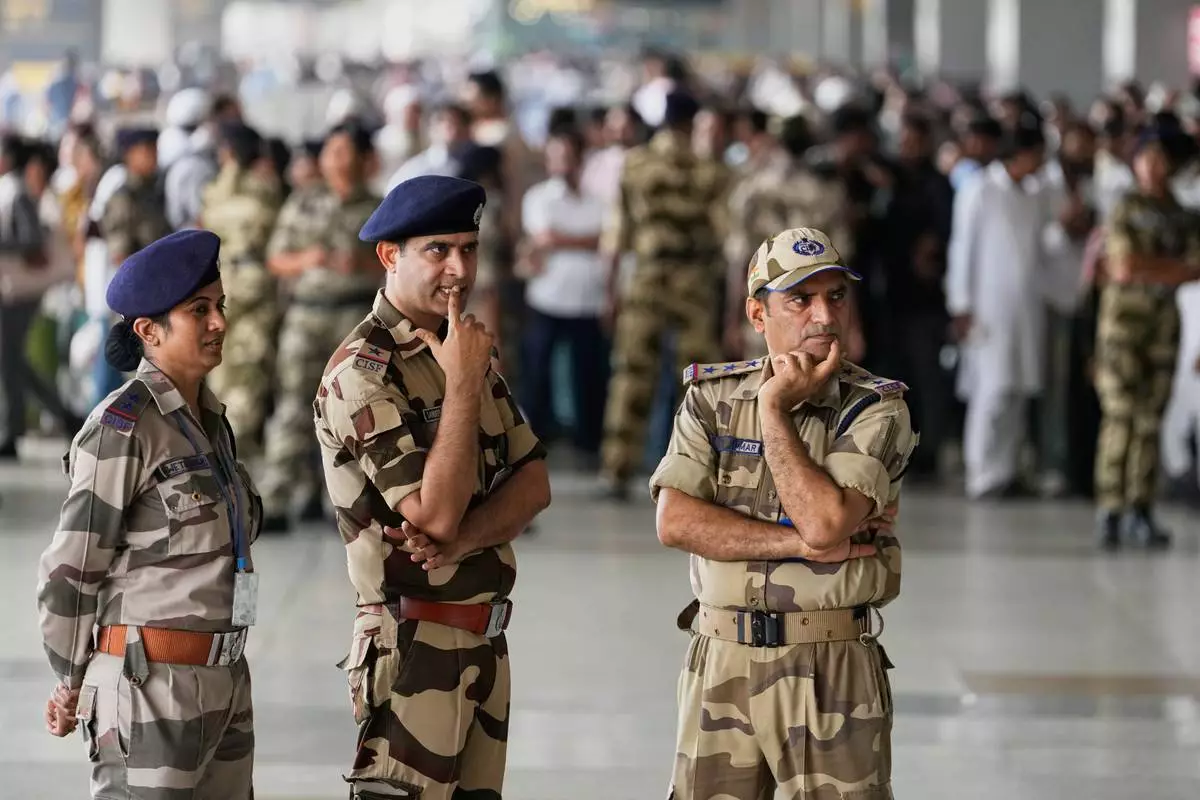
Security personnel stand guard before the arrival of Abhijeet Dipke, founder of Cockroach Janta at Indira Gandhi International airport in New Delhi, India, Saturday, June 6, 2026. (AP Photo/Manish Swarup)