BEIRUT (AP) — Samira Bou Saab had hoped to see the execution of the man who was sentenced to death for killing her son. Instead, he eventually could be released under a sweeping draft amnesty law in Lebanon that is revealing the country's complex history of loyalties and conflict.
Lebanon's largest amnesty since the end of its devastating 1975-90 civil war is expected to occur in the coming weeks, once parliament approves it and the president signs it.
Click to Gallery
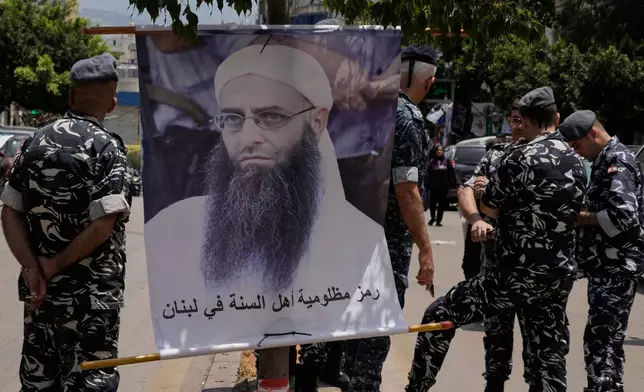
FILE - Police stand guard where a portrait of imprisoned hardline Sunni cleric Ahmad al-Assir hangs on a post, on the sidelines of a protest against a clause in a proposed amnesty law that would exclude some prisoners, including the cleric, from being eligible for amnesty, after Friday prayers in Beirut, Lebanon, Friday, May 22, 2026. (AP Photo/Bilal Hussein, File)
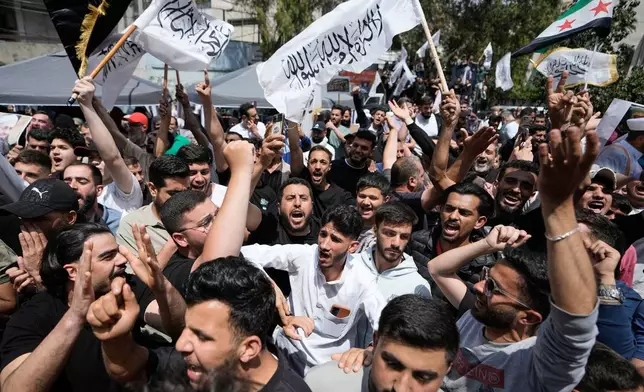
FILE - Sunni Muslims wave religious flags during a protest against the clause in a proposed amnesty law that would exclude some prisoners from being eligible for amnesty, after Friday prayers in Beirut, Lebanon, Friday, May 22, 2026. (AP Photo/Bilal Hussein, File)
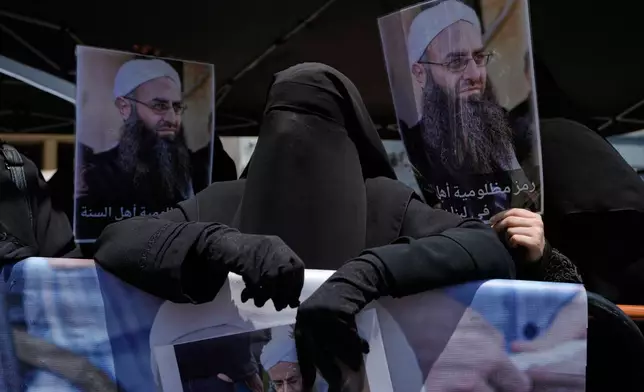
FILE - Amal Shamseddine, the wife of imprisoned Sunni cleric Ahmad al-Assir, holds a portrait of her husband during a protest against the clause in a proposed amnesty law that would exclude her husband from being eligible for amnesty, after Friday prayers in Beirut, Lebanon, Friday, May 22, 2026. (AP Photo/Bilal Hussein, File)
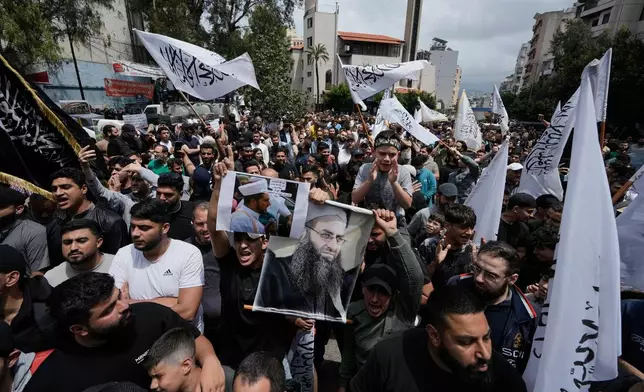
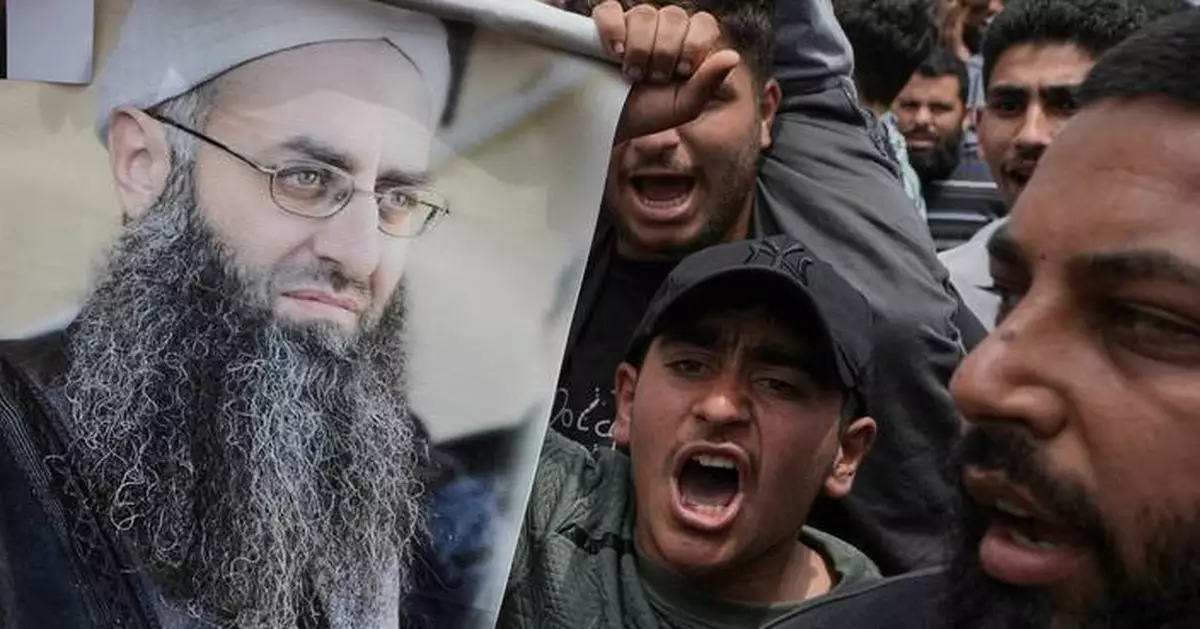
FILE - Sunni Muslims hold a portrait of imprisoned Sunni cleric Ahmad al-Assir, center right, during a protest against the clause in a proposed amnesty law that would exclude some prisoners, including the cleric, from being eligible for amnesty, after Friday prayers in Beirut, Lebanon, Friday, May 22, 2026. (AP Photo/Bilal Hussein, File)
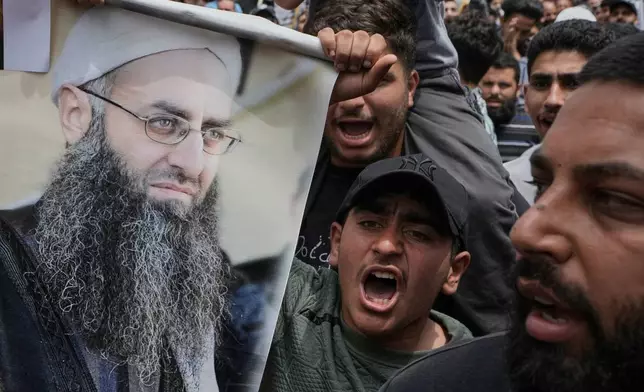
FILE - Sunni Muslims hold a portrait of imprisoned Sunni cleric Ahmad al-Assir during a protest against a clause in a proposed amnesty law that would exclude some prisoners, including the cleric, from being eligible for amnesty, after Friday prayers in Beirut, Lebanon, Friday, May 22, 2026. (AP Photo/Bilal Hussein, File)
The law would replace death sentences, reduce life sentences and eventually lead to the release of convicted militants and drug dealers while excluding crimes such as rape, human trafficking, corruption, funding acts of terrorism and premeditated murder. Those convicted of killing Lebanese troops could see reduced prison terms.
Even as Israel's latest invasion of Lebanon in pursuit of the Iranian-backed Hezbollah militant group has delayed parliamentary elections, lawmakers have said they are pressing ahead with the amnesty law because of overcrowding in jails.
Over 3,000 of nearly 8,600 detainees would be freed, including those in jail without trial for at least 14 years.
But some in Lebanon oppose the amnesty. Recently, families of fallen soldiers protested by placing dozens of empty military boots outside parliament in Beirut.
Bou Saab’s son, George, an army first lieutenant, was one of 18 military members killed in clashes with followers of radical Sunni Muslim cleric Ahmed al-Assir in the southern city of Sidon in 2013.
Bou Saab asked whether al-Assir, who has served 11 years under a death sentence, would have the right under the amnesty to see his children and family “while my son is buried under the sand and his children don’t know him.” If the law is approved, the death sentence would be gone and he would have 10 more years to serve.
Al-Assir’s wife, meanwhile, blasted the amnesty, saying her husband is an innocent victim of a conspiracy orchestrated by the Shiite Muslim Hezbollah, which she said ignited battles between the cleric’s supporters and the Lebanese army.
“He is being executed slowly,” Amal Shamseddine said of her husband's sentence, adding, "Had there been justice in our country, they (detainees) would have been released and gone home long time ago.”
Lebanon's last major amnesty was in 1991, with the aim of facilitating reconciliation after the civil war left 150,000 people dead. The conflict drew in multiple militias, many of them sectarian, plus Palestinian factions. Syria's military intervened, and an Israeli invasion in 1982 reached Beirut.
After that amnesty, most militia leaders became part of Lebanon's ruling class that later was blamed for decades of corruption and mismanagement leading to an economic meltdown in 2019.
As the current amnesty law was drafted, the country's deep sectarian divisions were clear in the legislature. Sunni lawmakers demanded the release of Islamists, Shiite ones sought the release of drug dealers mostly from Lebanon’s eastern, cannabis-planting Baalbek region.
Christian legislators demanded amnesty for hundreds of citizens who fled to Israel after its forces withdrew from Lebanon in 2000. Many have links to the Israeli-backed South Lebanon Army militia that was dissolved when Israel withdrew.
“The draft law has entered the road of political bargains,” said lawmaker Nabil Badr, a strong supporter of the amnesty, adding that many legislators are using it to make political gains.
Maryam Younnes was 5 when she fled with her family to Israel in 2000. She hopes the amnesty will allow her to return to Lebanon, where she can meet her grandmother again and visit her father's grave. He had been an SLA commander and his body was brought to his hometown for burial after he died in 2013.
But political considerations remain.
“We will return once Lebanon is cleared of (Hezbollah), illegal weapons, and once there is peace between Lebanon and Israel,” Younnes said. Hezbollah, which emerged in southern Lebanon in 1982 in response to Israel's invasion, was allowed to keep its weapons after the civil war to fight Israeli occupation forces.
After Israel withdrew, hundreds of SLA members stayed in Lebanon and received jail sentences, with some later released.
The draft amnesty law says Lebanese citizens living in Israel would be treated in accordance with a 2011 law saying members of the pro-Israel militia will be detained upon their arrival in Lebanon and given “a fair trial.”
But Younnes declared: “Our people are no criminals.”
As Lebanon and Israel hold their first direct talks in more than three decades while a new conflict grows, Younnes hopes for an eventual peace treaty with open borders.
“I am confident the situation will change and I want to return to my country,” she said.
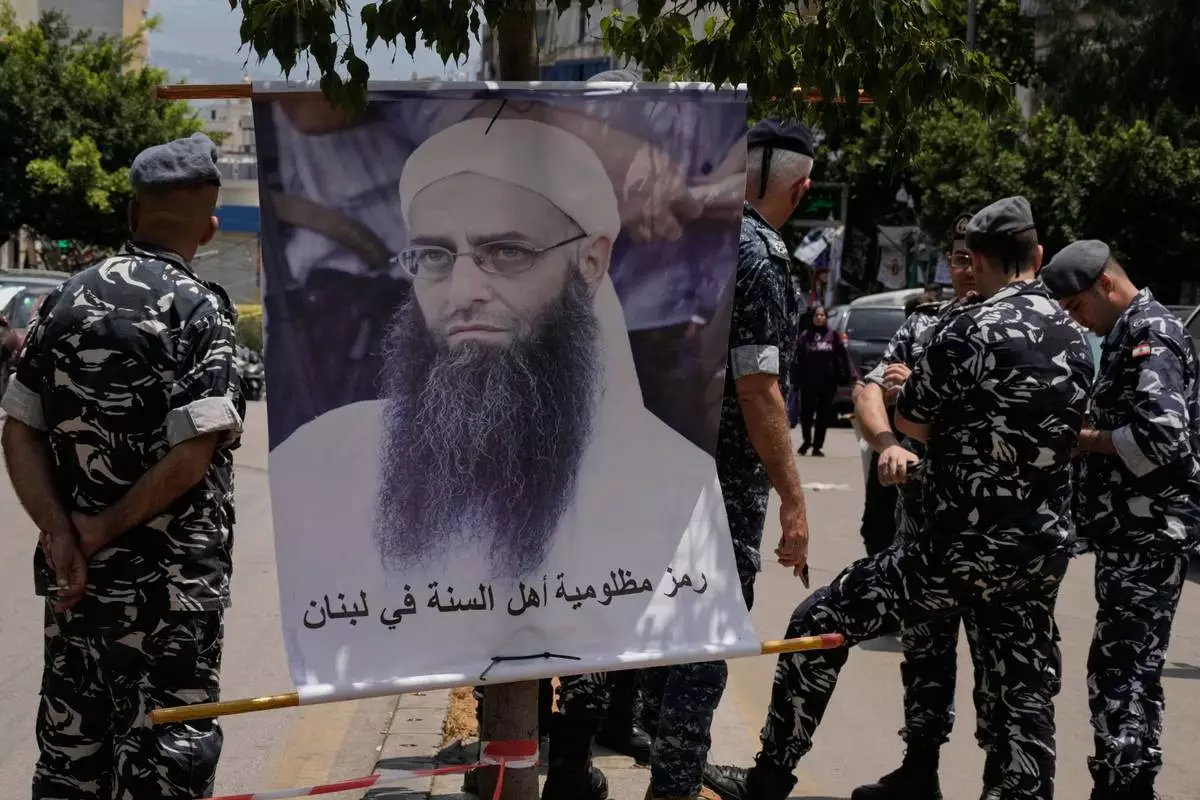
FILE - Police stand guard where a portrait of imprisoned hardline Sunni cleric Ahmad al-Assir hangs on a post, on the sidelines of a protest against a clause in a proposed amnesty law that would exclude some prisoners, including the cleric, from being eligible for amnesty, after Friday prayers in Beirut, Lebanon, Friday, May 22, 2026. (AP Photo/Bilal Hussein, File)
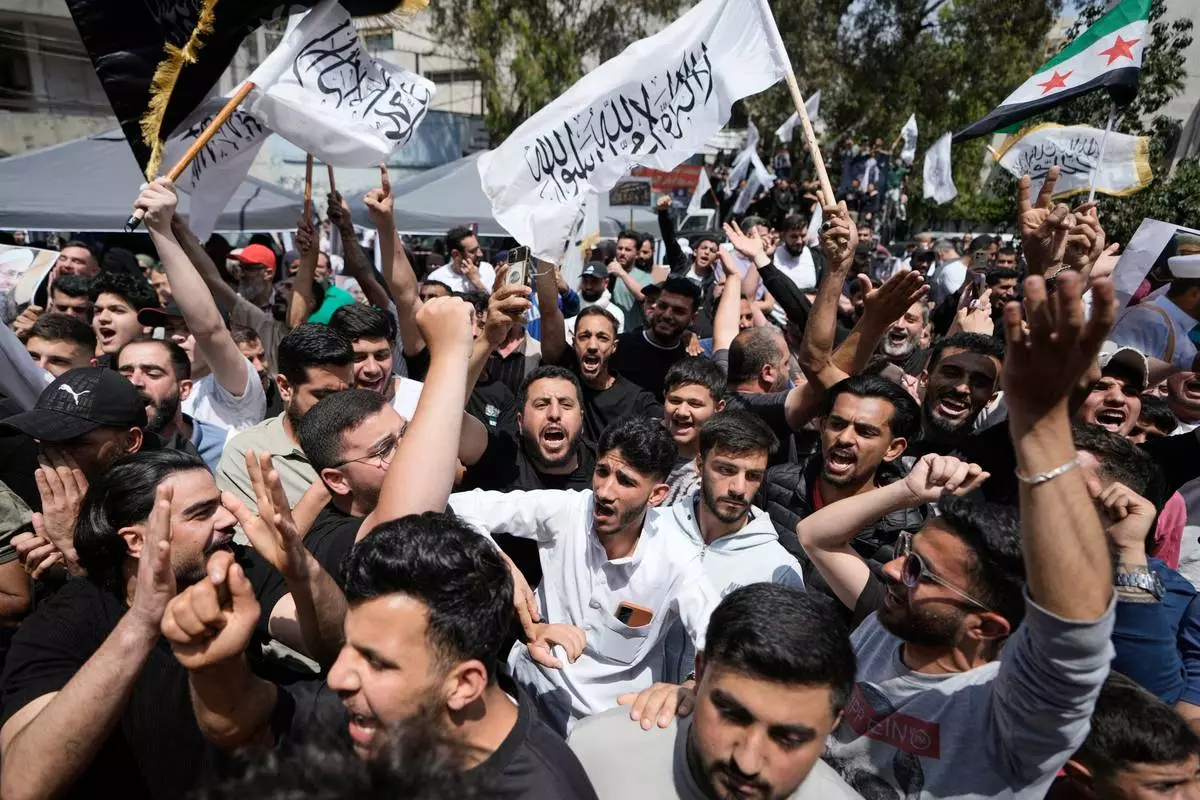
FILE - Sunni Muslims wave religious flags during a protest against the clause in a proposed amnesty law that would exclude some prisoners from being eligible for amnesty, after Friday prayers in Beirut, Lebanon, Friday, May 22, 2026. (AP Photo/Bilal Hussein, File)
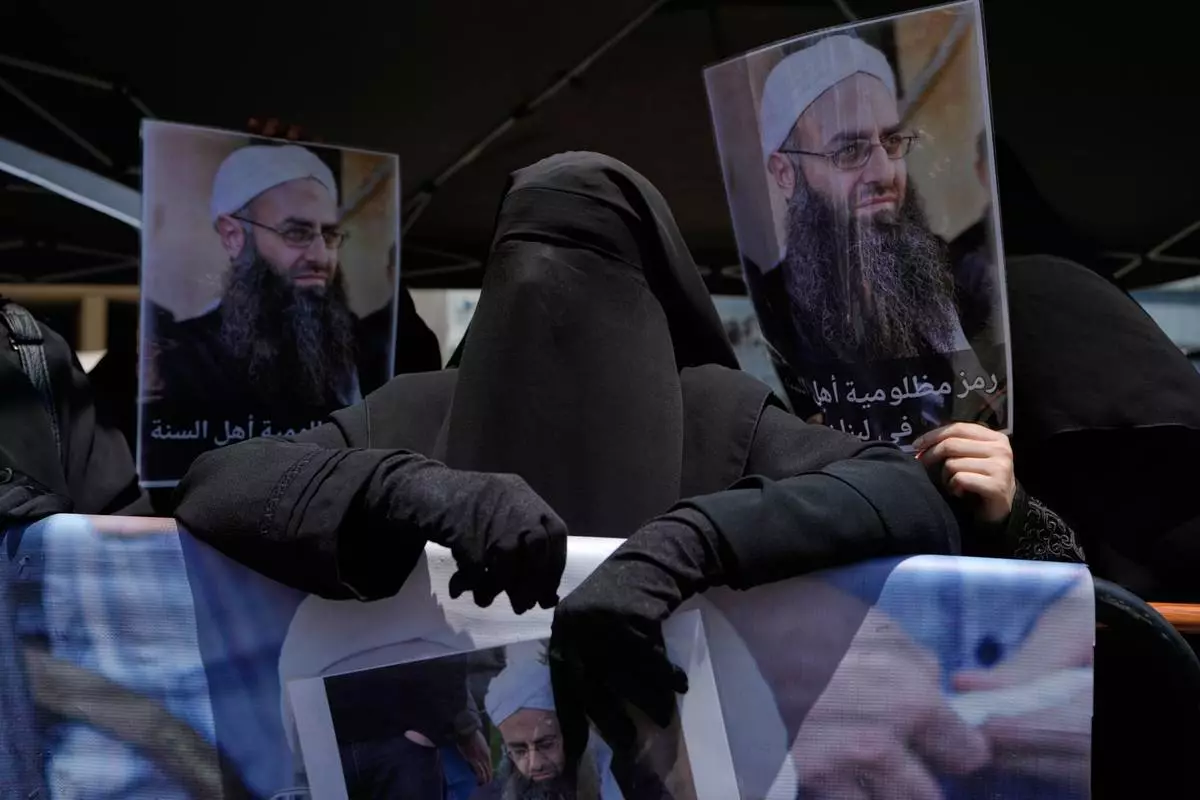
FILE - Amal Shamseddine, the wife of imprisoned Sunni cleric Ahmad al-Assir, holds a portrait of her husband during a protest against the clause in a proposed amnesty law that would exclude her husband from being eligible for amnesty, after Friday prayers in Beirut, Lebanon, Friday, May 22, 2026. (AP Photo/Bilal Hussein, File)
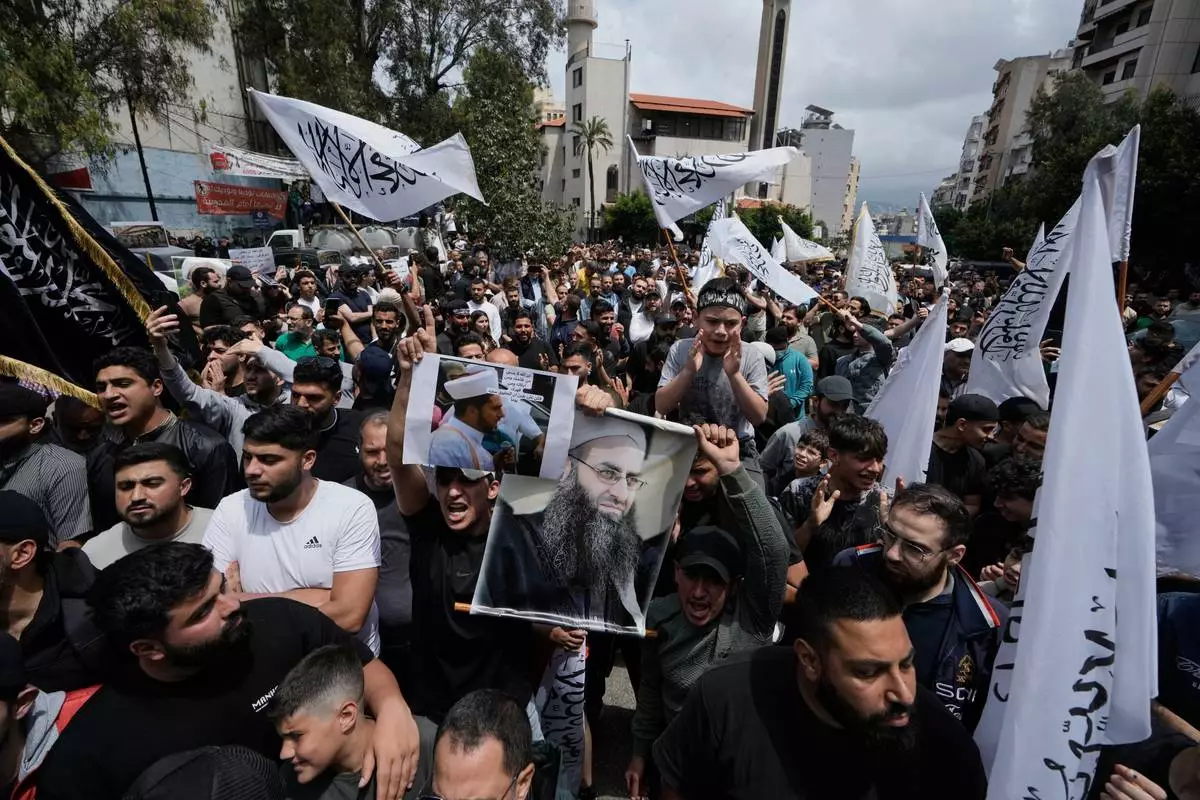
FILE - Sunni Muslims hold a portrait of imprisoned Sunni cleric Ahmad al-Assir, center right, during a protest against the clause in a proposed amnesty law that would exclude some prisoners, including the cleric, from being eligible for amnesty, after Friday prayers in Beirut, Lebanon, Friday, May 22, 2026. (AP Photo/Bilal Hussein, File)
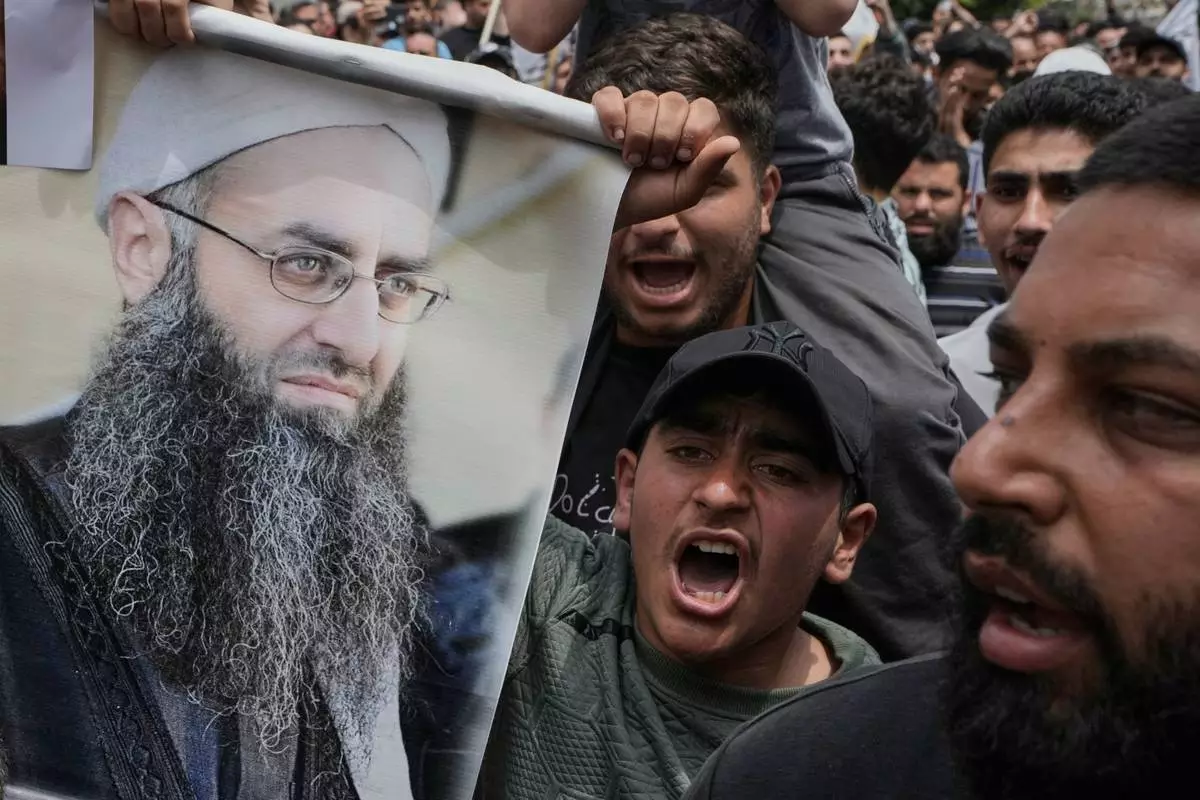
FILE - Sunni Muslims hold a portrait of imprisoned Sunni cleric Ahmad al-Assir during a protest against a clause in a proposed amnesty law that would exclude some prisoners, including the cleric, from being eligible for amnesty, after Friday prayers in Beirut, Lebanon, Friday, May 22, 2026. (AP Photo/Bilal Hussein, File)