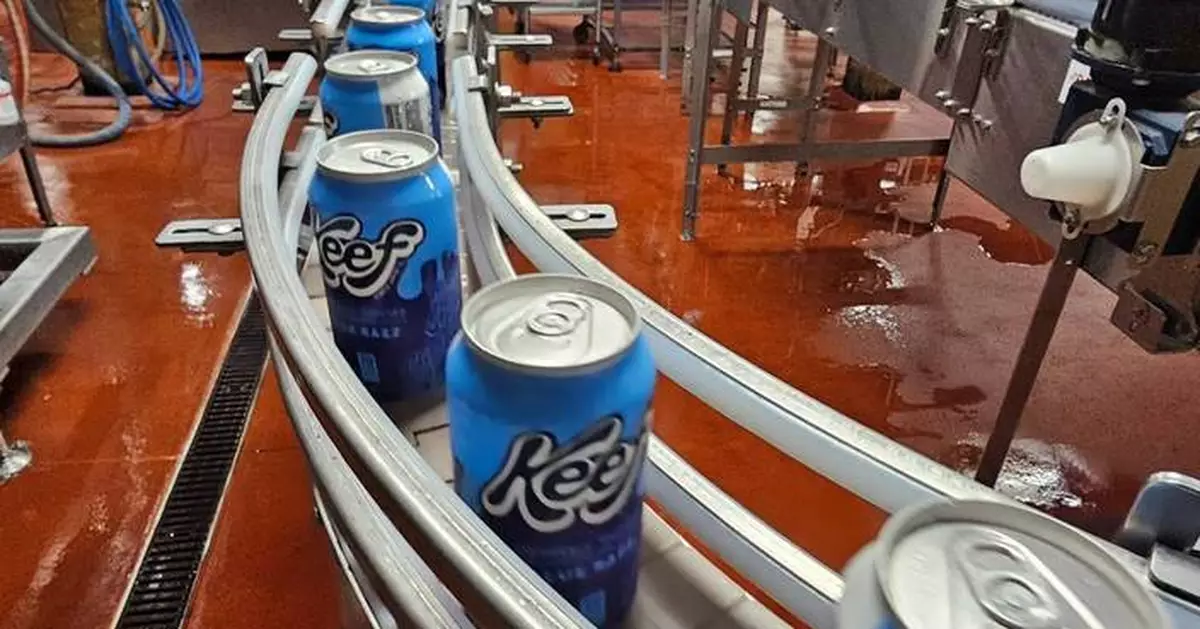
MINNEAPOLIS (AP) — The production lines at Indeed Brewing moved quickly, the cans filling not with beer, but with THC-infused seltzer. The product, which features the compound that gets cannabis users high, has been a lifeline at Indeed and other craft breweries as alcohol sales have fallen in recent years.
But that boom looks set to come to a crashing halt. Buried in the bill that ended the federal government shutdown this month was a provision to ban those drinks, along with other impairing beverages and snacks made from hemp, which have proliferated across the country in recent years. Now the $24 billion hemp industry is scrambling to save itself before the provision takes effect in November 2026.
Click to Gallery
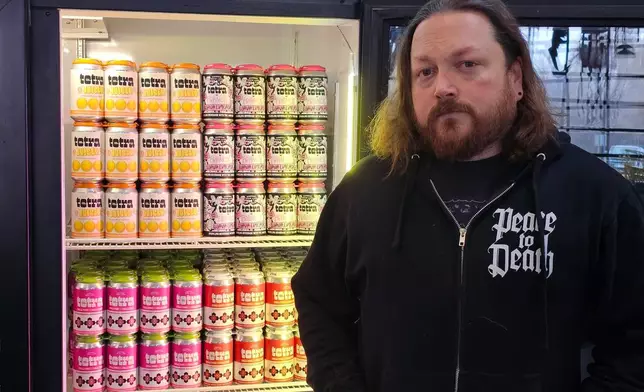
Drew Hurst, president and chief operating officer of Bauhaus Brew Labs in Minneapolis, stands outside a cooler for cans of seltzer containing THC, the active ingredient in marijuana, in his brewery's taproom on Thursday, Nov. 20, 2025. (AP Photo/Steve Karnowski)
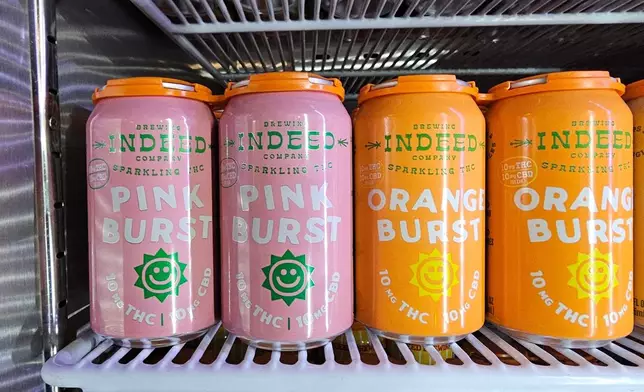
Cans of seltzer containing THC, the active ingredient in marijuana, are shown in a cooler at the Indeed Brewery taproom in Minneapolis on Thursday, Nov. 20, 2025. (AP Photo/Steve Karnowski)
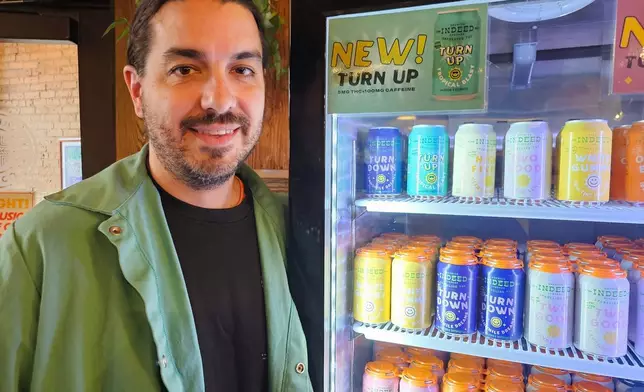
Ryan Bandy, chief business officer at Indeed Brewing in Minneapolis, stands outside a cooler for cans of seltzer containing THC, the active ingredient in marijuana, in his brewery's taproom on Thursday, Nov. 20, 2025. (AP Photo/Steve Karnowski)
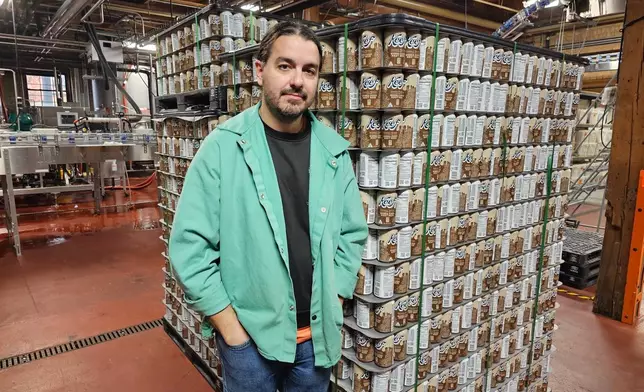
Ryan Bandy, chief business officer at Indeed Brewing in Minneapolis, stands near a pallet of six-packs of seltzer containing THC, the active ingredient in marijuana, in his brewery on Thursday, Nov. 20, 2025. (AP Photo/Steve Karnowski)
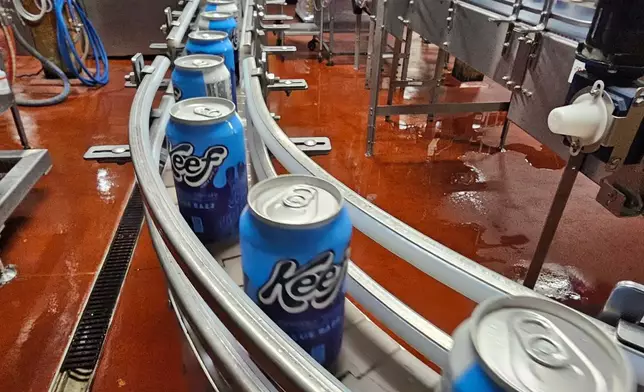
Cans of seltzer containing THC, the active ingredient in marijuana, speed down the canning line at Indeed Brewing in Minneapolis on Thursday, Nov. 20, 2025. (AP Photo/Steve Karnowski)
“It’s a big deal," said Ryan Bandy, Indeed's chief business officer. "It would be a mess for our breweries, for our industry, and obviously for a lot of people who like these things.”
Here's what to know about the looming ban on impairing products derived from hemp.
Marijuana and hemp are the same species. Marijuana is cultivated for high levels of THC in its flowers. Low-THC hemp is grown for its sturdy fibers, food or wellness products. “Rope, not dope” was long the motto of farmers who supported legalizing hemp.
After states began legalizing marijuana for adult use over a decade ago, hemp advocates saw an opening at the federal level. As part of the 2018 farm bill, Congress legalized the cultivation of industrial hemp to give farmers, including in Republican Sen. Mitch McConnell's home state of Kentucky, a new cash crop.
But the way that law defined hemp — as having less than 0.3% of a specific type of THC, called delta-9 — opened a huge loophole. Beverages or bags of snacks could meet that threshold and still contain more than enough THC to get people high. Businesses could further exploit the law by extracting a non-impairing compound, called CBD, and chemically changing it into other types of impairing THC, such as delta-8 or delta-10.
The result? Vape oil, gummy candies, chips, cookies, sodas and other unregulated, untested products laden with hemp-derived THC spread around the country. In many places, they have been available at gas stations or convenience stores, even to teens. In legal marijuana states, they undercut heavily taxed and regulated products. In others, they evaded the prohibition on recreational use of weed.
Some states, including Indiana, have reported spikes in calls to poison-control centers for pediatric exposure to THC.
Dozens of states have since taken steps to regulate or ban impairing hemp products. In October, Democratic California Gov. Gavin Newsom signed a bill banning the sale of intoxicating hemp products outside the state's legal marijuana system.
Texas, which has a massive hemp market, is moving to regulate sales of impairing hemp, such as by restricting them to those over 21. In Nebraska, lawmakers have instead considered a bill to criminalize the sale and possession of products containing hemp-based THC.
Washington state adopted a program to regulate hemp growing. But the number of licensed growers has cratered since the state banned intoxicating hemp products outside of the regulated cannabis market in 2023. Five years ago, there were 220, said Trecia Ehrlich, cannabis program manager with the state agriculture department. This year, there were 42, and with a federal ban looming, she expects that number to drop by about half next year.
Minnesota made infused beverages and foods legal in 2022 for people 21 and older. The products, which must be derived from legally certified hemp, have become so popular that Target is now offering THC drinks at some of its stores in the state.
They've also been a boon to liquor stores and to small Minneapolis brewers like Indeed, where THC drinks make up close to one-quarter of the business, Bandy said. At Bauhaus Brew Labs, a few blocks away, THC drinks account for 26% of their revenues from distributed products and 11% of revenues at the brewery’s taproom.
None of that was what McConnell intended when he helped craft the 2018 farm bill. He finally closed the loophole by inserting a federal hemp THC ban in the measure to end the 43-day federal government shutdown, approved by the Senate on Nov. 10.
“It will keep these dangerous products out of the hands of children, while preserving the hemp industry for farmers,” McConnell said. “Industrial hemp and CBD will remain legal for industrial applications.”
Some in the legal marijuana industry celebrated, as the ban would end what they consider unfair competition.
They were joined by prohibitionists. “There’s really no good argument for allowing these dangerous products to be sold in our country,” said Kevin Sabet, president and CEO of Smart Approaches to Marijuana.
But the ban doesn't take effect for a year. That has given the industry hope that there is still time to pass regulations that will improve the hemp THC industry — such as by banning synthetically derived THC, requiring age restrictions on sales, and prohibiting marketing to children — rather than eradicate it.
"We are very hopeful that cooler heads will prevail," said Jonathan Miller, general counsel of the industry group U.S. Hemp Roundtable. “If they really thought there was a health emergency, there would be no year-long period.”
The federal ban would jeopardize more than 300,000 jobs while costing states $1.5 billion in lost tax money, the group says.
Drew Hurst, president and chief operating officer at Bauhaus Brew Labs, has no doubt his company would be among the casualties.
“If this goes through as written currently, I don’t see a way at all that Bauhaus could stay in business," Hurst said.
A number of lawmakers say they will push for regulation of the hemp THC industry. Kentucky's second senator, Republican Rand Paul, introduced an amendment to strip McConnell's hemp language from the crucial government-funding bill, but it failed on a lopsided 76-24 vote.
Minnesota's Democratic U.S. senators, Amy Klobuchar and Tina Smith, are among those strategizing to save the industry. Klobuchar noted at a recent news conference that the ban was inserted into the unrelated shutdown bill without a hearing. She suggested the federal government could allow states to develop their own regulatory frameworks, or that Minnesota's strict regulations could be used as a national model.
Kevin Hilliard, co-founder of Insight Brewing in Minneapolis, said the hemp industry needs a solution before planting time next spring.
"If a farmer has uncertainty, they’re not going to plant,” Hilliard said.
Johnson reported from Seattle. AP congressional reporter Kevin Freking contributed from Washington, D.C.
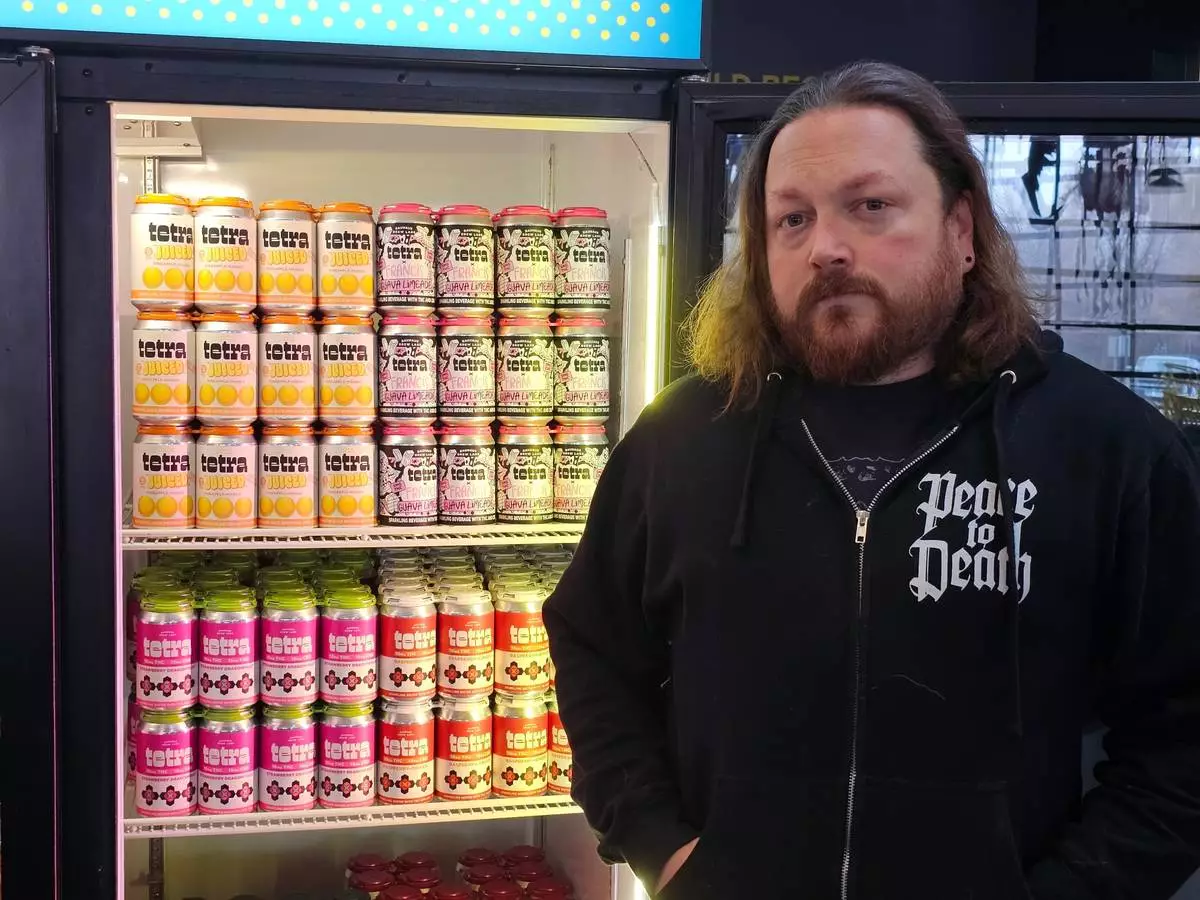
Drew Hurst, president and chief operating officer of Bauhaus Brew Labs in Minneapolis, stands outside a cooler for cans of seltzer containing THC, the active ingredient in marijuana, in his brewery's taproom on Thursday, Nov. 20, 2025. (AP Photo/Steve Karnowski)
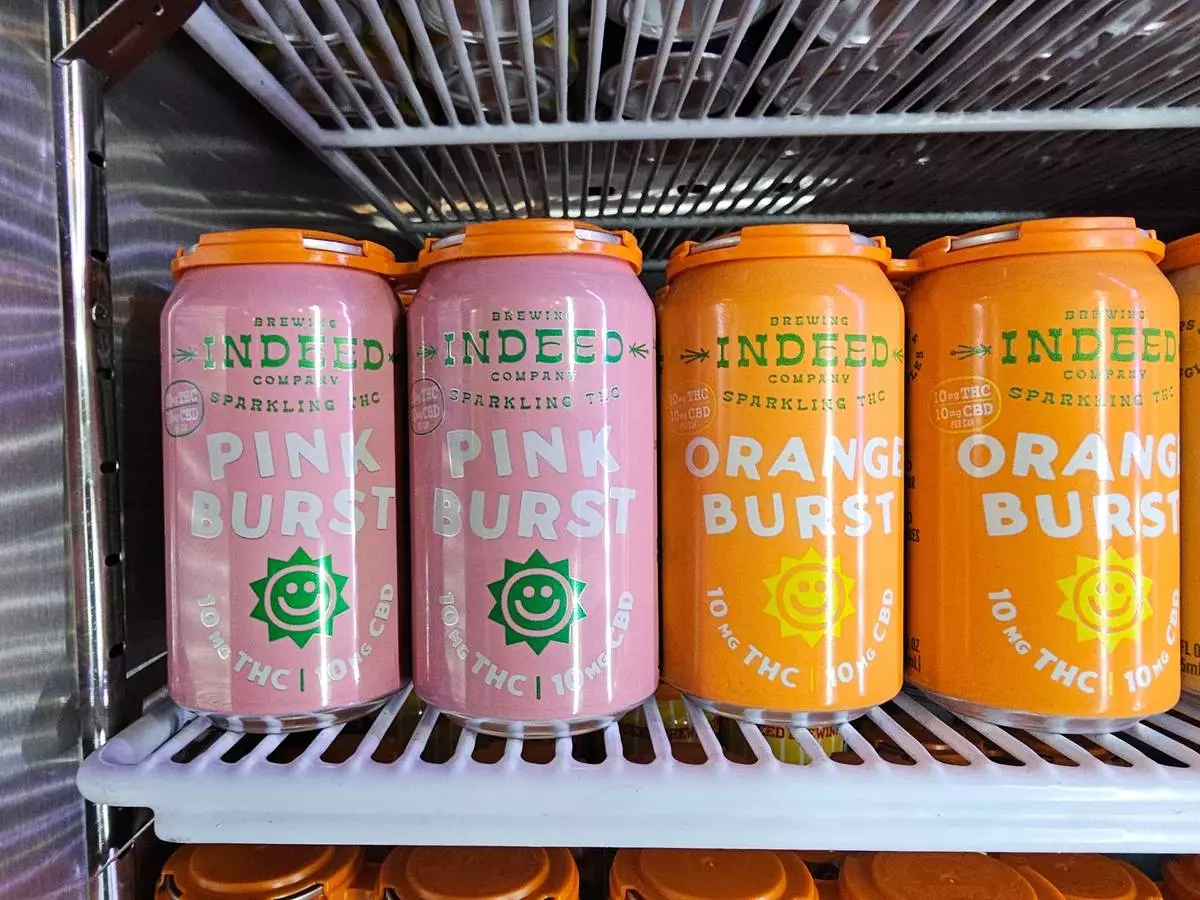
Cans of seltzer containing THC, the active ingredient in marijuana, are shown in a cooler at the Indeed Brewery taproom in Minneapolis on Thursday, Nov. 20, 2025. (AP Photo/Steve Karnowski)
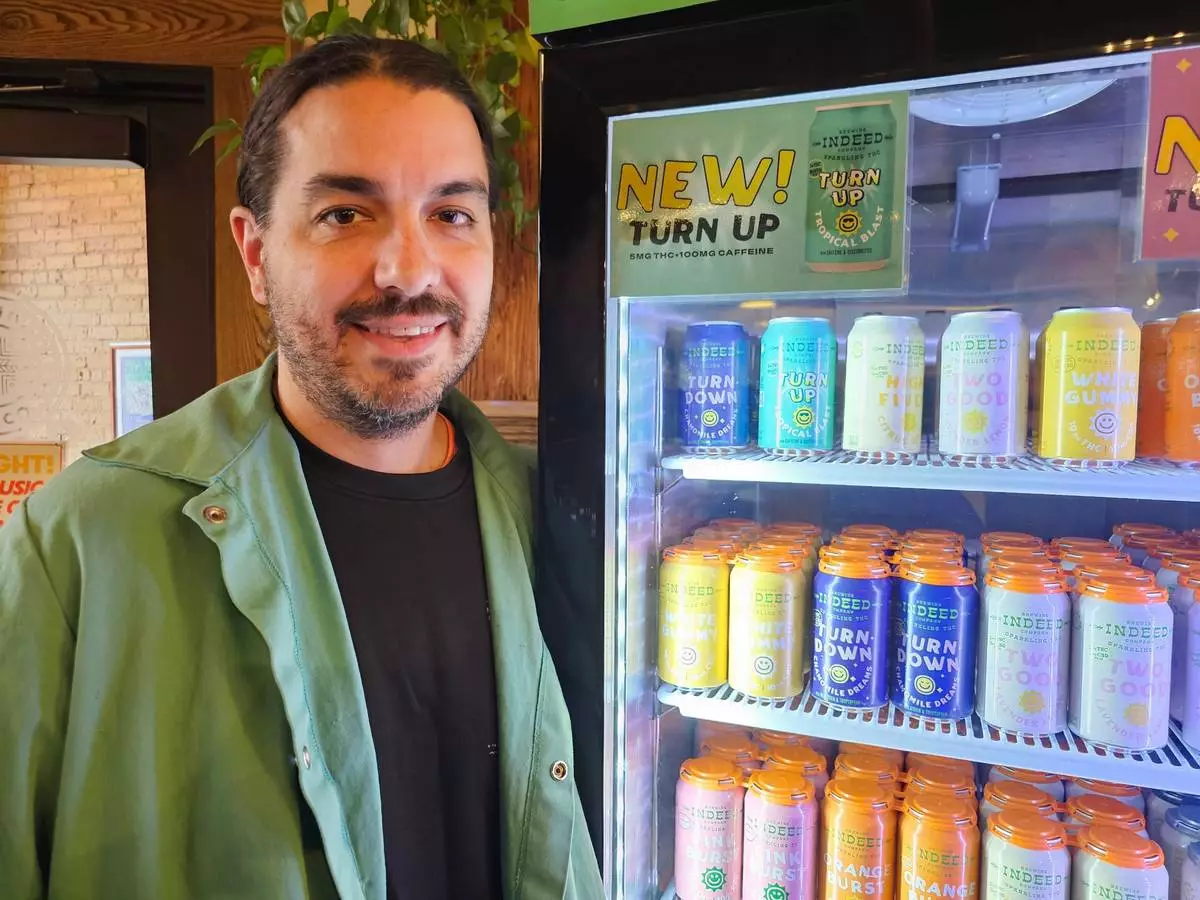
Ryan Bandy, chief business officer at Indeed Brewing in Minneapolis, stands outside a cooler for cans of seltzer containing THC, the active ingredient in marijuana, in his brewery's taproom on Thursday, Nov. 20, 2025. (AP Photo/Steve Karnowski)
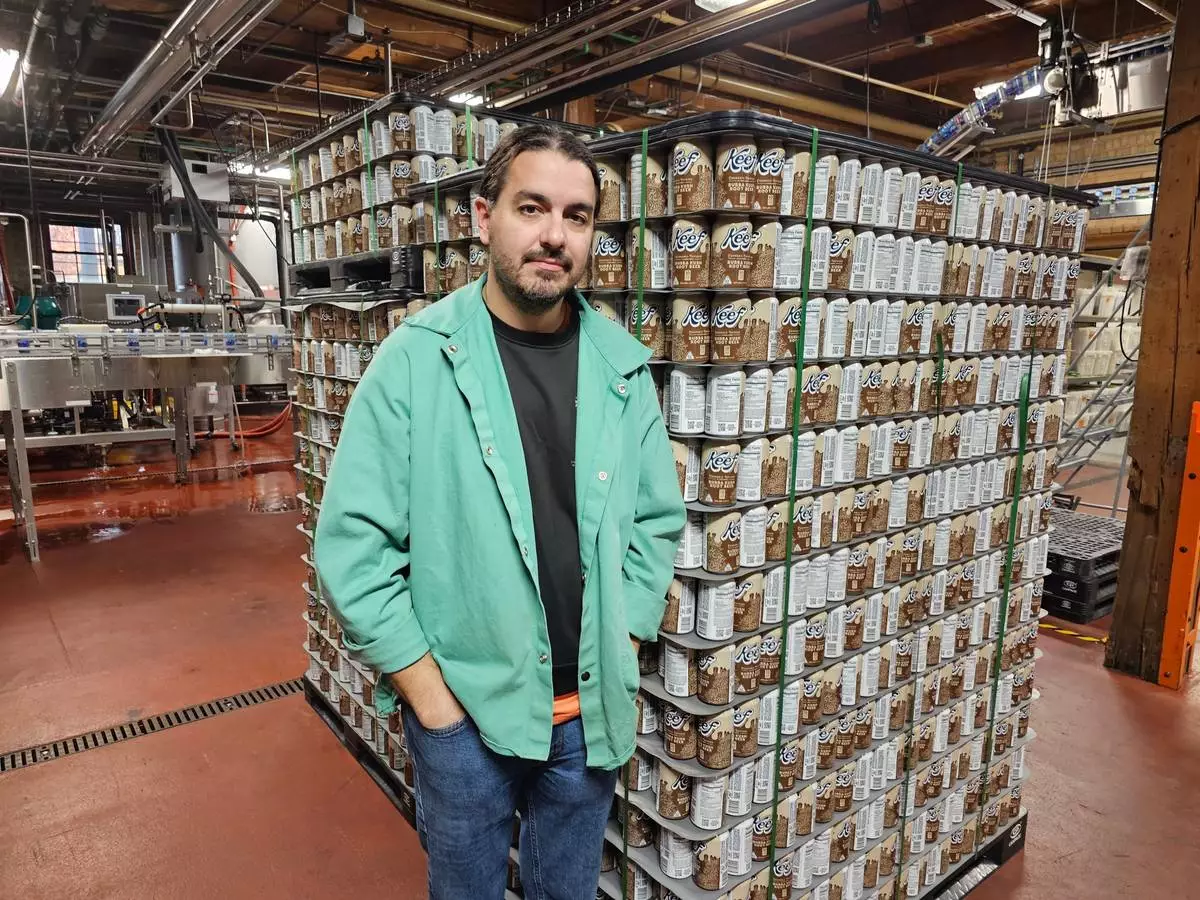
Ryan Bandy, chief business officer at Indeed Brewing in Minneapolis, stands near a pallet of six-packs of seltzer containing THC, the active ingredient in marijuana, in his brewery on Thursday, Nov. 20, 2025. (AP Photo/Steve Karnowski)
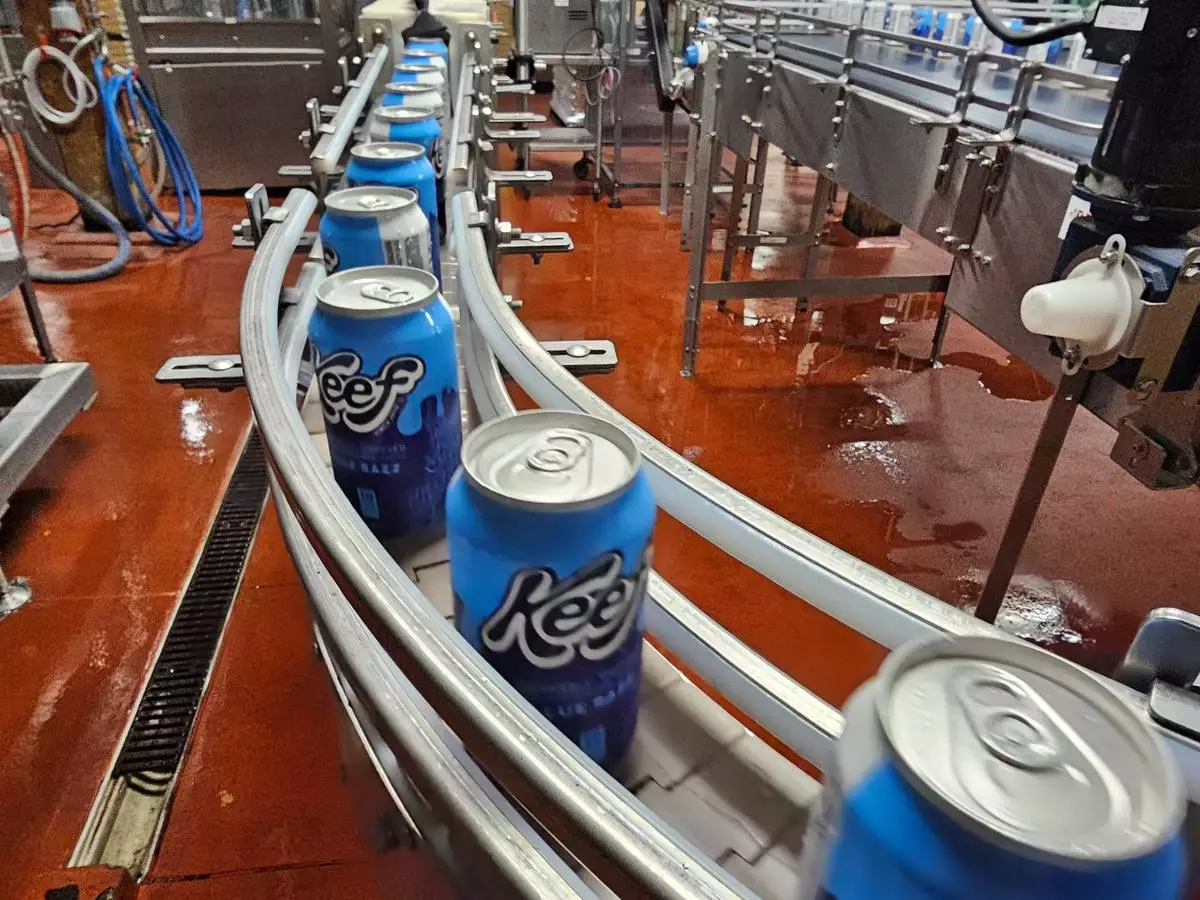
Cans of seltzer containing THC, the active ingredient in marijuana, speed down the canning line at Indeed Brewing in Minneapolis on Thursday, Nov. 20, 2025. (AP Photo/Steve Karnowski)