The United States' military deployment in the Caribbean Sea and attacks on alleged drug-trafficking boats have put Venezuela's fishing industry on edge, as local fishermen fear of losing their livelihood in a potential U.S. military operation against their country. The United States began to deploy warships and military personnel in Latin American and Caribbean waters in August to combat regional drug cartels, according to U.S. defense officials.
Since early September, the U.S. military forces have sunk more than 20 alleged drug-trafficking boats, killing over 80 people. Washington framed the operations as counter-narcotics measures, while Venezuela said they are geopolitical pressure tactics aimed at destabilizing the country.
Also in September, a U.S. destroyer deployed 18 armed personnel to board and occupy a Venezuelan fishing vessel in the Venezuelan exclusive economic zone for eight hours, during which it blocked the fishing vessel's communication and obstructed its normal operations.
Venezuela is a major fishing country in South America, with an annual output of approximately 500,000 tons. There are approximately 90,000 fishermen in the entire county, among whom over 50,000 are individual or small-scale fishermen.
At a fishing port near Caracas, the capital of Venezuela, one of the local fishermen said the U.S. military operations in the Caribbean Sea have triggered concerns among them.
"Because that's how we make our living, that's how we earn our daily bread, both for ourselves and our families, and we have nothing else. I'm not afraid, but many fishermen across the country have told me about their fears and concerns. What will happen in the coming days, months, years? It's scary to think there could be bloodshed between the two nations, and I wouldn't want that," said fisherman Juan Gabriel Bello. Another fisherman who has returned from fishing said that despite the current distance between the U.S. military forces and the shores of Caracas, he still fears that innocent fishermen might be caught in the crossfire during a potential U.S. military operation.
"I haven't seen anything because I only fish along the coast. I haven't gone out to sea yet. It's worrying because you never know what might happen when you're out fishing. It could happen to anyone that they're taking actions against the wrong people. All we do is fishing. We're just fishermen trying to make a living, and we never get into conflicts with others," said fisherman Javier Garcia. The United States on Monday formally designated "Cartel de los Soles" as a foreign terrorist organization. Washington accuses the group of being headed by Venezuelan President Nicolas Maduro, without giving any evidence. The past two days have seen senior U.S. military officials travel to Caribbean countries, raising concerns from the outside world that the United States might launch a military strike against Venezuela.
"I think it is very unfair that they always attack us, attack us, attack us, attack us. We don't want violence in our country, and I do see it as an aggression, a threat. I think that because of the wealth we have, which is our oil, our minerals, and I think that's what they want," said fisherman Juan Gabriel Bello.
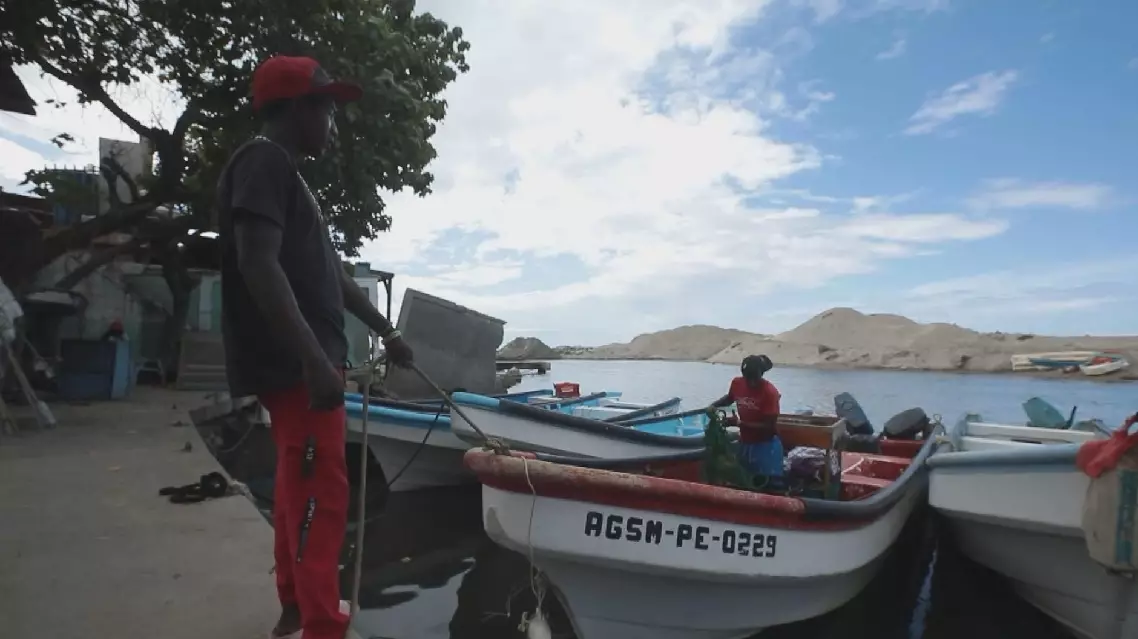
Venezuelan fishermen in fear amid U.S. military buildup in Caribbean Sea