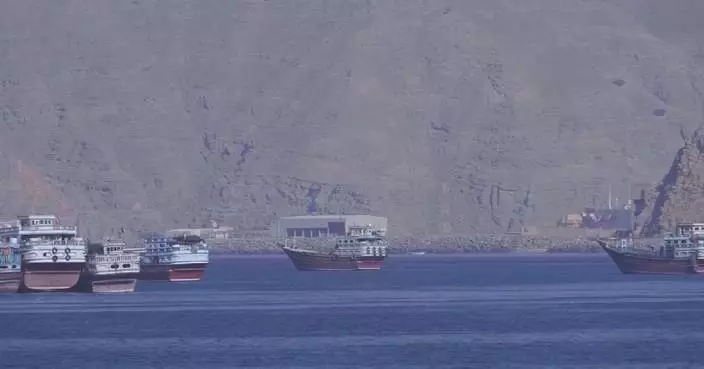
The land port of Erenhot, the largest on the China-Mongolia border, has registered record-high numbers in inbound and outbound travelers, local authorities said Saturday.
As of 18:00 Saturday, the land port had handled 2.596 million personnel entries and exits and some 693,000 vehicles, up 9.2 and 12.6 percent year on year, respectively, according to the port's entry-exit border inspection station.
This year, travelers from more than 70 countries and regions passed through this key transportation hub, with a peak of nearly 14,000 trips in a single day.
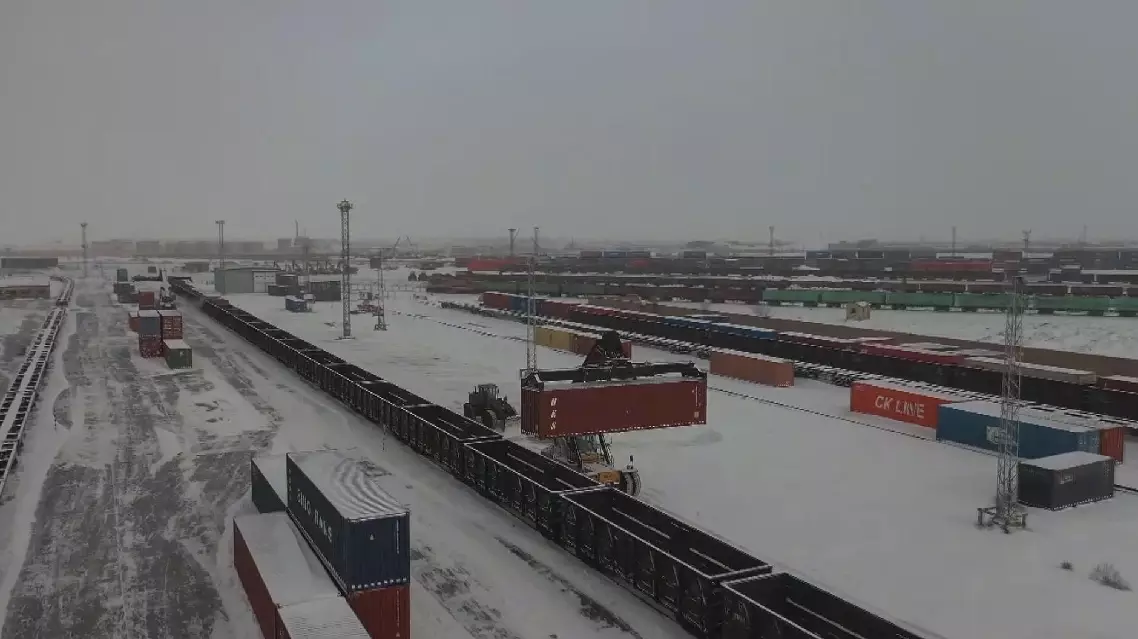
China-Mongolia border port handles record number of international travelers
China's foreign trade showed upward momentum in the first half of 2026, with higher port throughput and growth in both imports and exports, according to official data.
According to the country's State Information Center, during the first six months of this year, China's average daily container throughput at ports nationwide increased by 6.7 percent year on year, and the average daily cargo throughput grew by 1.3 percent.
Meanwhile, the country's foreign trade structure has also been optimized, transforming high added-value products into the driving force for export growth.
Latest statistics showed that in the January-to-June period, the average daily number of international cargo flights increased by 4.6 percent year on year, with strong and sustained demand for high-value-added products, such as electronics.
"Facing the complex and ever-changing external economic and trade environment in the first half of the year, the resilience and competitiveness of China's industrial and supply chains have become increasingly evident. Foreign trade has not only achieved steady growth in scale but has also demonstrated a positive trend of 'quality imports and exports.' Looking ahead to the second half of 2026, as the benefits of institutional opening up continue to unfold, new momentum for the high-quality development of China's foreign trade will keep building up, likely providing further certainty and vitality to the global economy," said Wang Bingjie, assistant researcher with the National Development and Reform Commission's Institute of Foreign Economic.
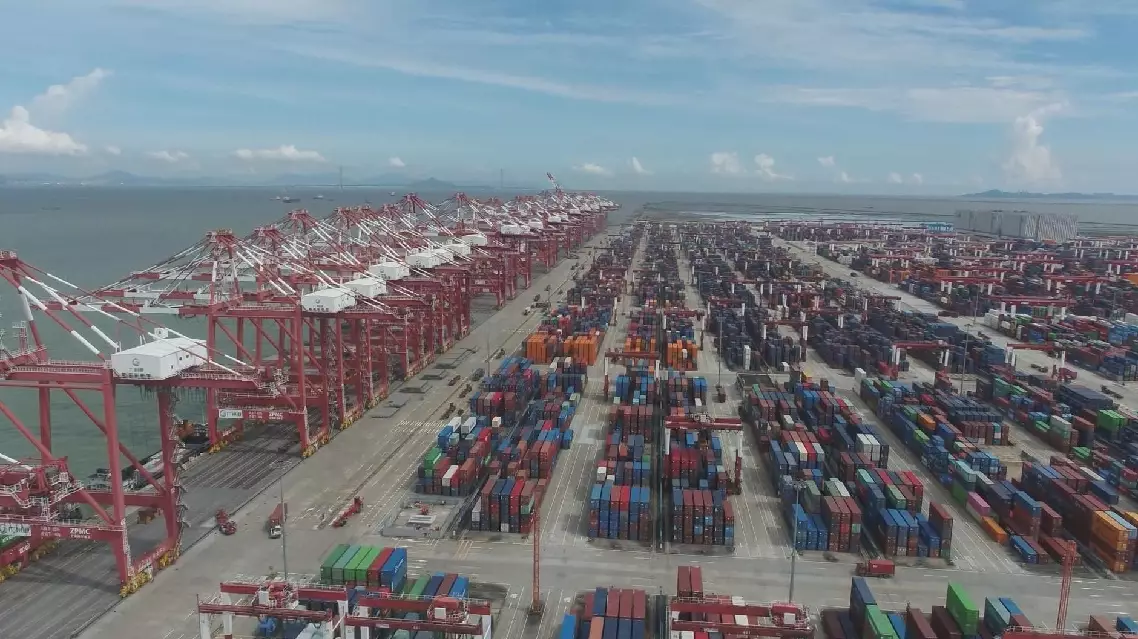
China’s foreign trade shows great momentum in H1