Venezuela is likely to face severe medicine shortages due to the U.S. sanctions and flight suspensions.
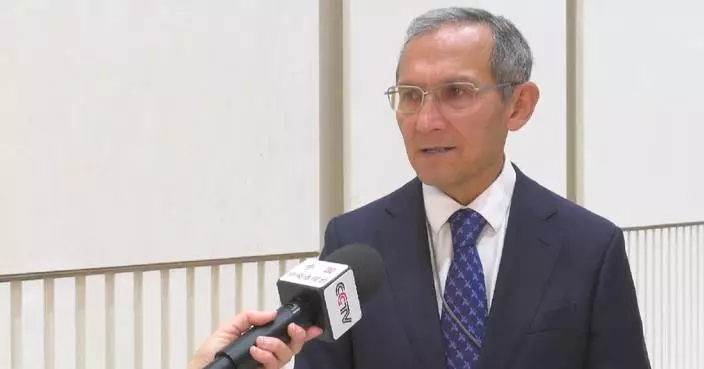
Venezuela's healthcare system is heavily reliant on imported raw materials and equipment, and most hospitals typically have only enough stock to last ten to fifteen days, according to Huniades Urbina-Medina, president of the National Academy of Medicine of Venezuela.
If the flight suspensions continue, Venezuela may face a shortage of emergency medical supplies, he said.
"That means if the issues with the passenger and cargo flights persist, we are likely to experience noticeable shortages of medicines, monitoring equipment and other medical essentials within a month, or two at most. These circumstances will inevitably impact our healthcare system and ultimately affect Venezuelan patients," said Urbina-Medina.
The Federal Aviation Administration (FAA), top aviation regulator of the United States, issued on Nov 21 a warning to major airlines flying over Venezuela, highlighting dangers from a "potentially hazardous situation" due to the "worsening security situation and heightened military activity in or around" the South American country.
Venezuela later revoked the operating rights of six major international airlines that had suspended flights to the country after the FAA warning.
The Venezuelan Pharmaceutical Industry Chamber said about 40 to 60 percent of the country's medicines depend on imported finished drugs. However, declining foreign exchange reserves have already restricted the volume of drug imports, making medicines one of the most urgently needed items for Venezuelans.
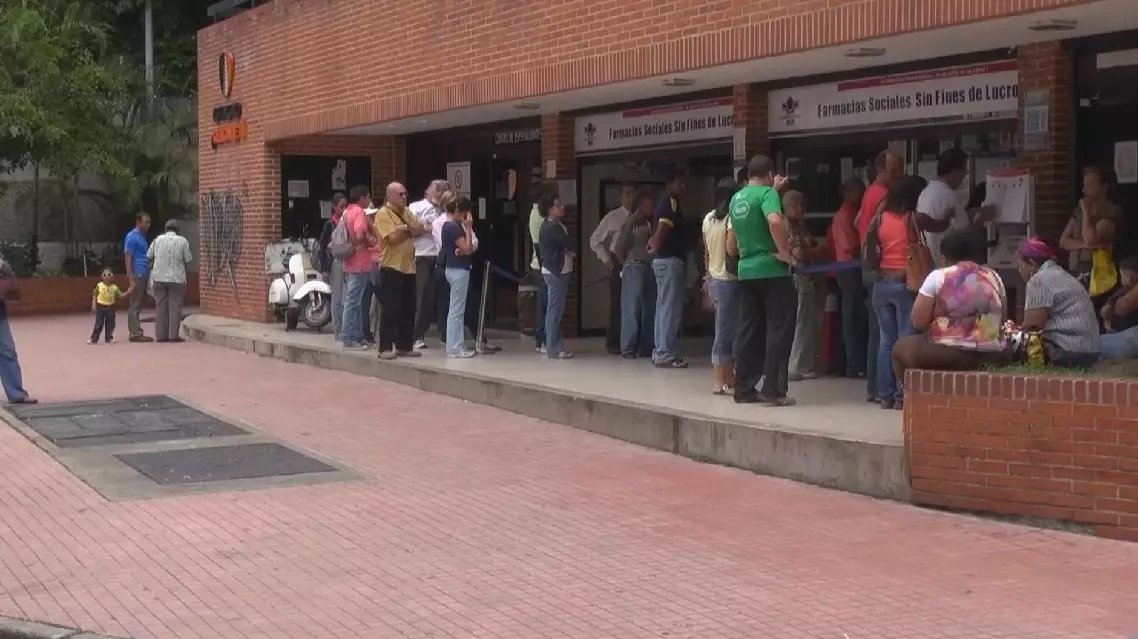
Since last year, a severe shortage of imported medicines in Venezuela has made it difficult for pharmacies to meet public demand.
In the capital city of Caracas, residents queue up outside pharmacies, hoping to purchase medicines.
"The drugs my doctor prescribed are basically unavailable now. Like many others, I'm running around to search for medicines, but there's nothing to be found. I can only call my doctor to ask if there are any alternative medications available," said Jennifer, a resident in Caracas.
Faced with the sanctions from the United States, the Venezuelan government is seeking to ease tensions through diplomatic channels.
It is also exploring new reliable supply chains by cooperating with pharmaceutical companies in the neighboring country of Brazil.
Venezuela to face severe medicine shortage due to US sanctions, flight suspensions
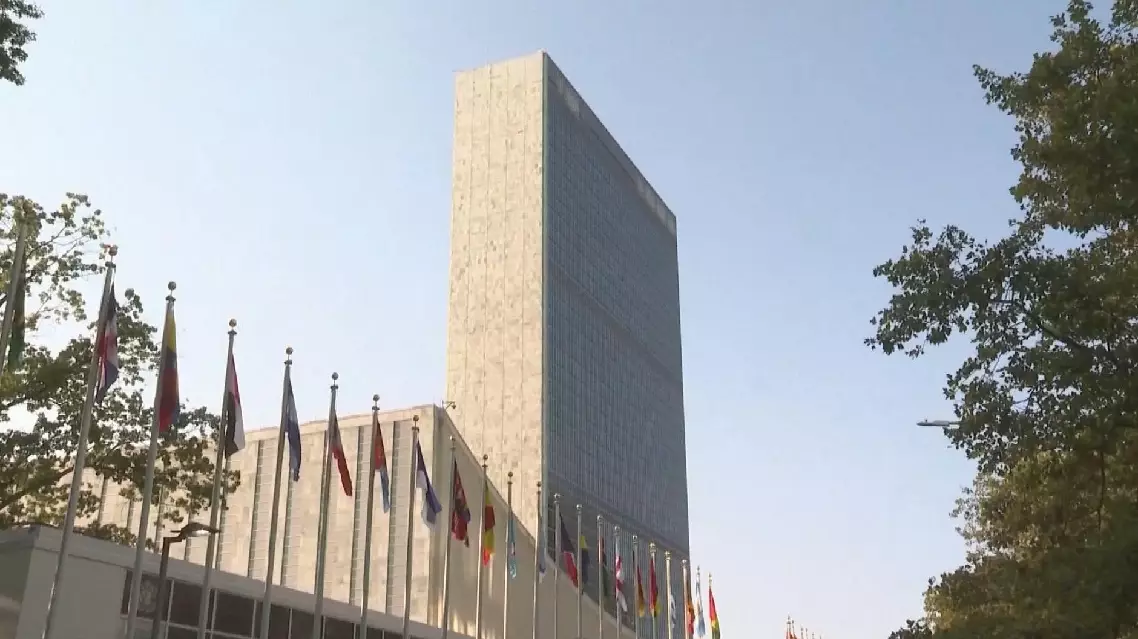
On the 55th anniversary of the restoration of the lawful seat of the People's Republic of China (PRC) in the United Nations (UN), China is highlighting its push for global civilizational dialogue, with the UN having adopted a China-proposed resolution designating June 10 as the International Day for Dialogue among Civilizations.
On October 25, 1971, the 26th Session of the UN General Assembly adopted Resolution 2758, restoring all the lawful rights of the PRC in the UN.
Today the UN has 193 member states, each with its own language, culture and history. Stephane Dujarric, spokesperson for the secretary-general, who has served the UN for more than 25 years, said understanding across those differences begins with giving every voice room to be heard.
"I've been in the UN now for almost for more than 25 years and I've learned so much. And what has helped me learn about different people and different cultures is listening, right? And it's taken me a long time to learn that listening is the most important thing. And what I've learned is to listen and to ensure that people who may not speak are given the space to speak," said Dujarric.
To deepen understanding among countries with different histories and cultures, China proposed the Global Civilization Initiative in 2023. A year later, it put forward a proposal at the UN to establish an international day for dialogue among civilizations.
In June 2024, the 78th Session of the UN General Assembly adopted by consensus the China-proposed resolution, designating June 10 as the International Day for Dialogue among Civilizations.
Fu Cong, China's permanent representative to the UN, recalled the scene inside the General Assembly hall when the resolution passed.
"What I remember vividly is the moment in the General Assembly hall when the president struck the gavel and announced the resolution had been adopted by consensus, and all member states burst into warm applause. This is a successful practice of China's implementation of the Global Civilization Initiative, and it fully demonstrates that Chinese concepts are increasingly expanding into international consensus, showing strong leadership and vitality," he said.
The resolution has since moved from paper to practice, with the first commemorative event for the International Day for Dialogue among Civilizations held at UN Headquarters in 2025.
On June 10 this year, China joined several permanent missions and partners, including the UN Alliance of Civilizations and the UN Educational, Scientific and Cultural Organization (UNESCO), in hosting another high-level event that drew nearly 300 representatives.
"China is working with all parties to actively implement the spirit of the relevant UN General Assembly resolution and strive to build platforms for equal dialogue among different civilizations. A series of colorful commemorative events at UN Headquarters and around the world are like trickling streams converging into a river of understanding and mutual trust," Fu said.
China committed to promoting dialogue among civilizations in UN