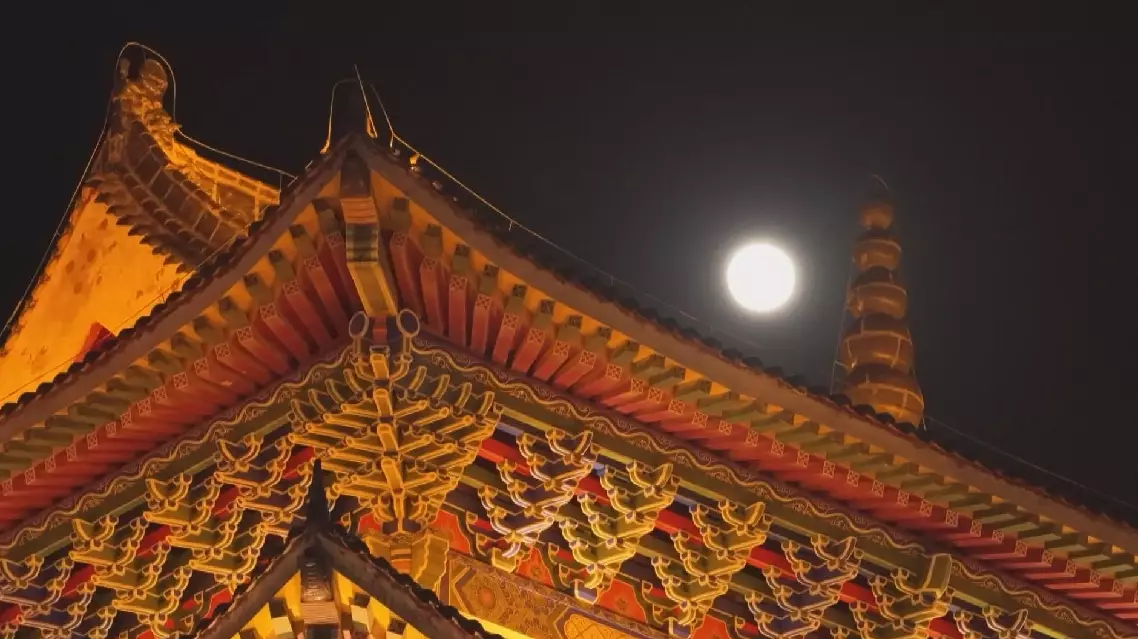
The final supermoon of 2025 graced the night skies over China from Thursday evening through to early Friday, creating some spectacular illuminated scenery.
According to the Beijing Planetarium, this supermoon reached its fullest phase at 07:14 Beijing time on Friday morning.
Approximately 12 hours prior, the moon passed its perigee -- the closest point to Earth -- with the Earth-moon distance being less than 360,000 kilometers, meeting the common definition of a supermoon and ranking as the second largest full moon of the year.
The latest supermoon occurrence was preceded by a stunning and even larger one back in November, which occurred nine hours before the perigee, while there was also a smaller one in October.
Astronomers say that the "secret" to enjoying the supermoon at its peak is all about timing and location. They note the golden hour comes shortly after sunset when the moon just rises.
Against the backdrop of trees or buildings, it appears exceptionally large and full, while there may be a sense of illusion which makes the shimmering moon appear all the more impressive.
"When the moon just rises, it may appear larger against terrestrial scenery. By midnight on the same day, when it's high in the sky with no contrasting objects around, it seems smaller. This isn't an actual change in size, but an illusion," said Kou Wen, a senior engineer at the Beijing Planetarium. Astronomers say the next supermoon will not appear until this time next year, though it is anticipated to be even more noteworthy.
"The next such supermoon will occur in December of next year. That time, the interval between passing perigee and the full moon will be only about six or seven hours, making it even closer than both occurrences this year," Kou said.
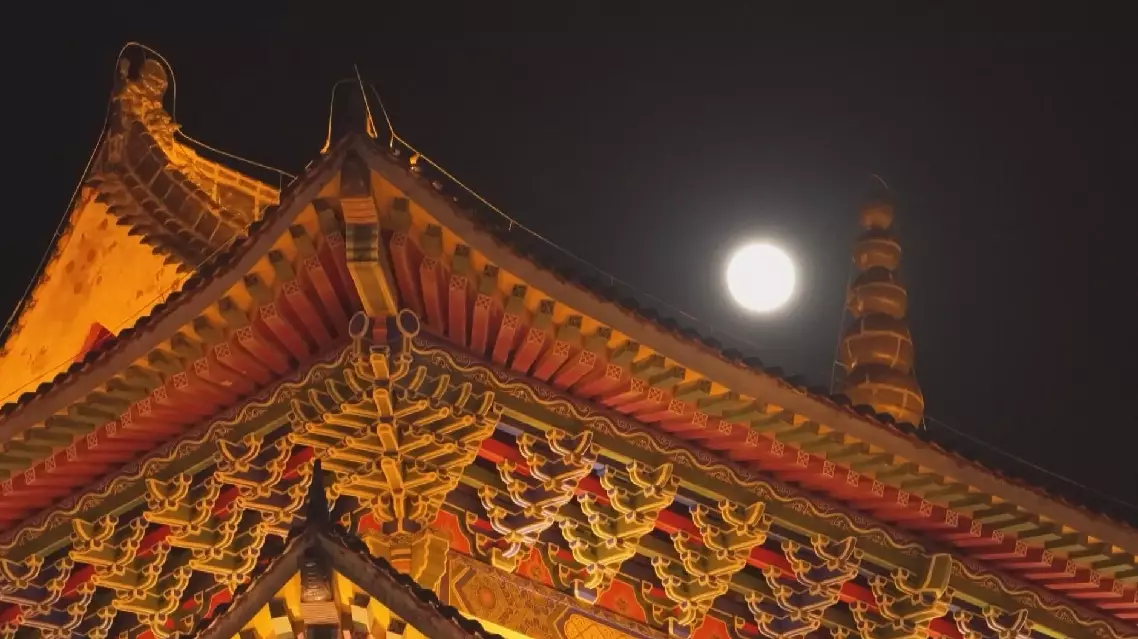
Final supermoon of 2025 illuminates night sky
Final supermoon of 2025 illuminates night sky