Chinese Vice Premier Zhang Guoqing said Tuesday that China is willing to collaborate with all parties to ensure nuclear energy better supports the development and prosperity of all nations.
Zhang, also a member of the Political Bureau of the Communist Party of China Central Committee, made the remarks during the second Nuclear Energy Summit in Paris which he attended as Chinese President Xi Jinping's special representative.
Zhang said China has always adhered to a sensible, coordinated, and balanced nuclear security strategy proposed by President Xi and has made concrete contributions to promoting the global development of nuclear energy.
China is willing to work with all parties to jointly implement the Global Development Initiative, the Global Security Initiative, the Global Civilization Initiative and the Global Governance Initiative, and promote nuclear energy innovation-driven development, safety foundation building, industrial collaboration and win-win cooperation, so that nuclear energy can better benefit the development and prosperity of all countries, he said.
Zhang noted that China stands ready to join hands with all parties to make new contributions in building a clean, beautiful and sustainable world and a community with a shared future for humanity.
Heads of state, government leaders and senior representatives from over 30 countries, as well as heads of relevant international organizations, attended the summit and issued a joint statement titled "Safe and affordable nuclear energy for all."
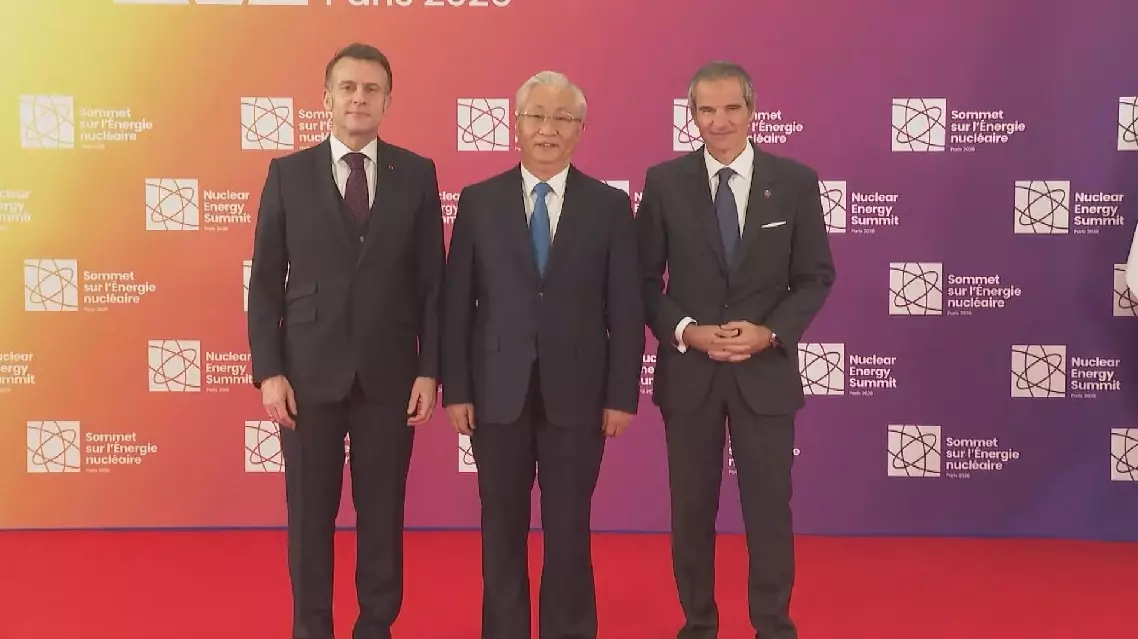
Chinese vice premier calls for global nuclear cooperation

Chinese vice premier calls for global nuclear cooperation
China's zero-tariff policy is widely seen as a major opportunity for African countries, supporting their efforts to improve livelihoods, advance trade upgrading and promote regional stability, African officials and economic stakeholders said.
On Friday, China officially expanded its zero-tariff policy to cover all 53 African nations with which it maintains diplomatic relations. The move aims to create new pathways for African exports and industrialization at a time when global trade faces mounting pressures from protectionism.
The policy builds upon earlier measures: since Dec 1, 2024, China has already eliminated tariffs on 100 percent of tariff lines for 33 least developed countries in Africa. The latest expansion now includes economies that are relatively more developed, such as Kenya, Egypt and Nigeria, opening doors for a broader range of African products to enter the Chinese market duty-free.
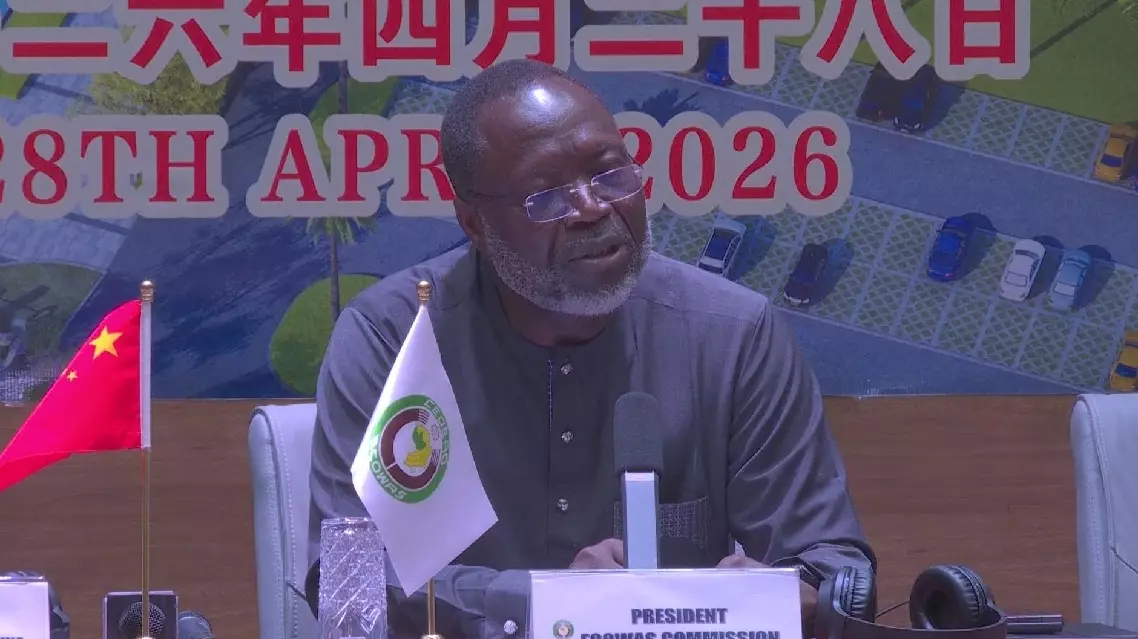
Omar Toure, president of the Economic Community of West African States (Ecowas) Commission, noted that economic growth and poverty reduction can contribute to greater stability and peace in the region.
"For us, this is a major opportunity for our countries because China is a massive market and having access to such a massive market for our produce and products is a major opportunity that we must all seize. It will have impact on overall development of our countries through enhanced productivity because as you know, poverty is a key driver of insecurity in our region. The zero tariff policy is likely to advance our development, to support our development, as well as help us entrench peace and security in our region and on the continent," he said.
Beyond expanding market access, the initiative is expected to strengthen Africa's industrialization and help upgrade regional industries, spurring ambitions to pursue global economic involvement.
"It will enhance trading relations between China and the rest of its partners. I think to a large extent, also within Africa itself, it's going to act as a great catalyst for improving trade, for enhancing the economic relations and also for industrialization," said Bianca Ojukwu, Minister of State for Foreign Affairs of Nigeria.
"China is a very big market, and if you supply to China, it means you will enhance the value of trade or the volume of your exports. And that in itself is monumental. In the sense that, apart from just the value of the export, you get more and more people getting higher incomes and also being able to upgrade their production facilities. So it's really going to benefit Africa in a way that Africa can also begin to participate in a global trade," said David Chewe, Fund Manager of Zambia Export Development Fund.
China‘s zero-tariff policy on Africa applauded as catalyst for boosting bilateral trade, peace