China's zero-tariff policy is widely seen as a major opportunity for African countries, supporting their efforts to improve livelihoods, advance trade upgrading and promote regional stability, African officials and economic stakeholders said.
On Friday, China officially expanded its zero-tariff policy to cover all 53 African nations with which it maintains diplomatic relations. The move aims to create new pathways for African exports and industrialization at a time when global trade faces mounting pressures from protectionism.
The policy builds upon earlier measures: since Dec 1, 2024, China has already eliminated tariffs on 100 percent of tariff lines for 33 least developed countries in Africa. The latest expansion now includes economies that are relatively more developed, such as Kenya, Egypt and Nigeria, opening doors for a broader range of African products to enter the Chinese market duty-free.
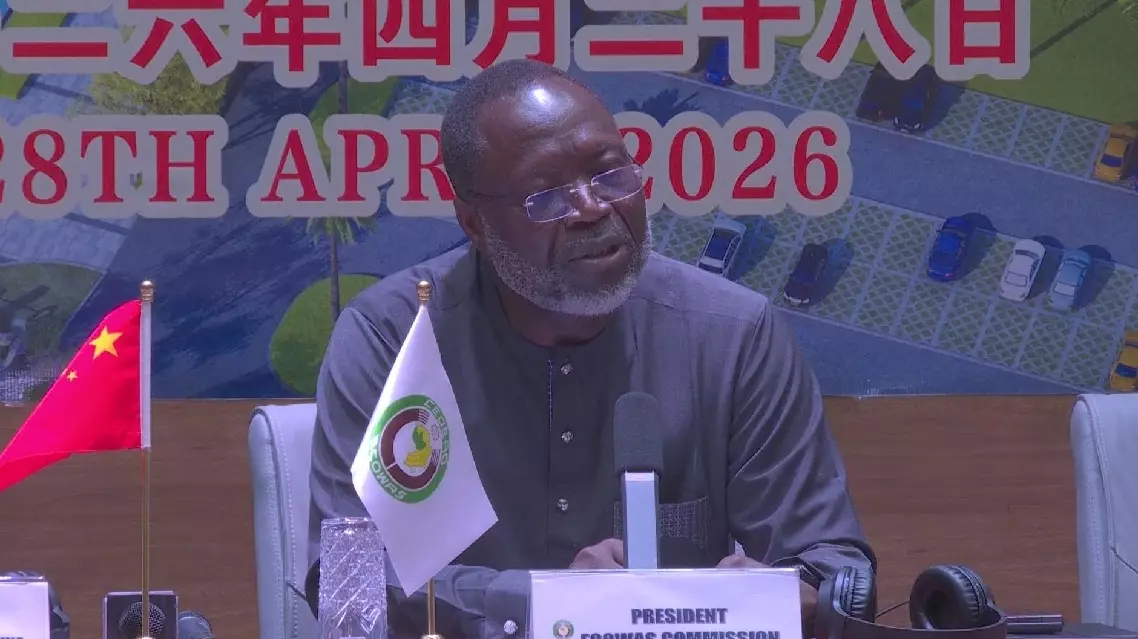
Omar Toure, president of the Economic Community of West African States (Ecowas) Commission, noted that economic growth and poverty reduction can contribute to greater stability and peace in the region.
"For us, this is a major opportunity for our countries because China is a massive market and having access to such a massive market for our produce and products is a major opportunity that we must all seize. It will have impact on overall development of our countries through enhanced productivity because as you know, poverty is a key driver of insecurity in our region. The zero tariff policy is likely to advance our development, to support our development, as well as help us entrench peace and security in our region and on the continent," he said.
Beyond expanding market access, the initiative is expected to strengthen Africa's industrialization and help upgrade regional industries, spurring ambitions to pursue global economic involvement.
"It will enhance trading relations between China and the rest of its partners. I think to a large extent, also within Africa itself, it's going to act as a great catalyst for improving trade, for enhancing the economic relations and also for industrialization," said Bianca Ojukwu, Minister of State for Foreign Affairs of Nigeria.
"China is a very big market, and if you supply to China, it means you will enhance the value of trade or the volume of your exports. And that in itself is monumental. In the sense that, apart from just the value of the export, you get more and more people getting higher incomes and also being able to upgrade their production facilities. So it's really going to benefit Africa in a way that Africa can also begin to participate in a global trade," said David Chewe, Fund Manager of Zambia Export Development Fund.
China‘s zero-tariff policy on Africa applauded as catalyst for boosting bilateral trade, peace
The negation of the Tokyo Trial is tantamount to negating the international order after World War II, said a Japanese expert.
From May 3, 1946 to Nov. 12, 1948, the International Military Tribunal for the Far East was held in Tokyo by 11 countries, including the United States, China, the UK and the Soviet Union, to try Japan's Class-A war criminals after World War II. This year marks the 80th anniversary of the start of the Tokyo Trial.
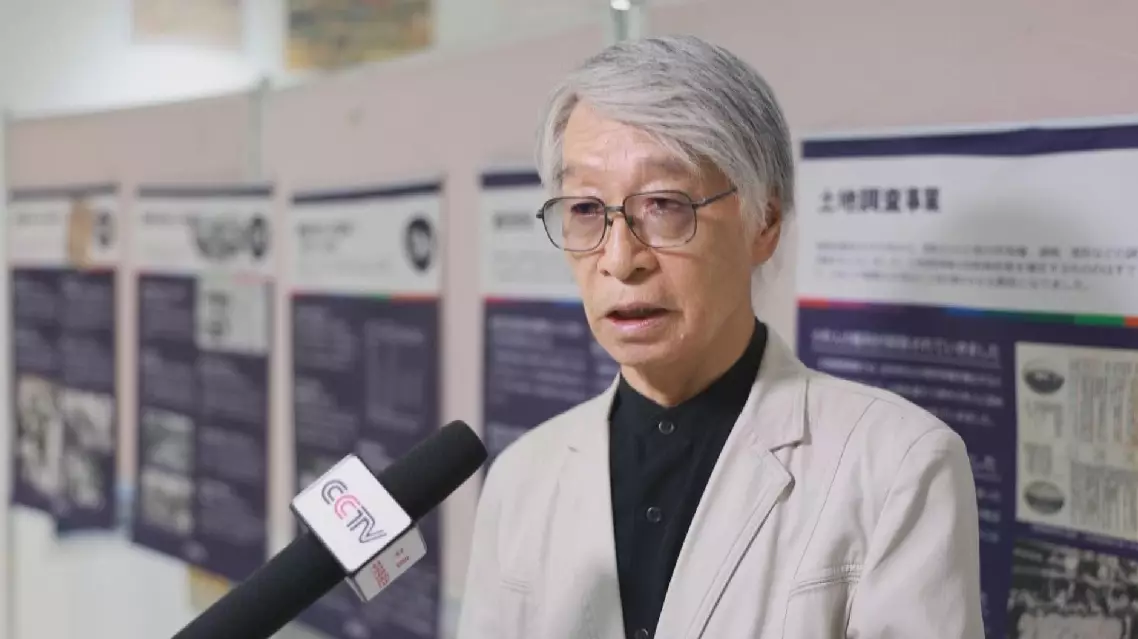
Japanese historian Masataka Mori said the Tokyo Trial is important for Japan to return to the international community. Denying its legitimacy is not only a denial of the trial itself, but also undermines the foundation of the post-war international order.
"The Tokyo Trial played an important role in modern history. As Japan waged the war, the new concept of 'crimes against peace' was introduced to try the aggressors in the war. At last, 28 war criminals were prosecuted, seven of whom were sentenced to death. Japan was then repositioned in the post-war international order, and the Tokyo Trial was part of it. If we just call it a 'trial by the winners', or negate it from a 'self-tormenting historical perspective', it is tantamount to negating the whole post-war international order," said Mori.
Mori said the Nanjing Massacre was treated as a serious crime in the Tokyo Trial and subsequent trials, which has been widely recognized by the international community, but there are some voices in Japan still attempting to negate or blur the historical fact, which is really shameful.
"The most brutal part of the Nanjing Massacre was the rape and violence against women -- a fact known to the world, but only Japan denies it. That will only become an international laughingstock. As a Japanese, I'm deeply ashamed of this. It was undoubtedly one of the most serious and cruel atrocities during the Japanese invasion of China," he said.
Mori said Japan's pacifist constitution and the Tokyo Trial are the foundation for its post-war development, but the government is attempting to break through postwar restrictions and accelerate the country's remilitarization, which warrants high vigilance from the international community.
"The Tokyo Trial is part of the historical process, during which Japan formulated its pacifist constitution, especially the establishment of Article 9. It is part of the overall historical context and has a very close relationship with the Tokyo Trial. Recently, the government has taken a series of actions to pave the way for revising the constitution. It even proposed to increase defense spending to more than five percent of GDP, turning Japan into a military power. Against such a backdrop, constitutional revision was foreseeable. Therefore, it is necessary to be vigilant and make every effort to prevent it, so as to form a broad force across society to oppose constitutional revision," he said.
Negating Tokyo Trial means negating post-WWII int'l order: expert