The negation of the Tokyo Trial is tantamount to negating the international order after World War II, said a Japanese expert.
From May 3, 1946 to Nov. 12, 1948, the International Military Tribunal for the Far East was held in Tokyo by 11 countries, including the United States, China, the UK and the Soviet Union, to try Japan's Class-A war criminals after World War II. This year marks the 80th anniversary of the start of the Tokyo Trial.
Japanese historian Masataka Mori said the Tokyo Trial is important for Japan to return to the international community. Denying its legitimacy is not only a denial of the trial itself, but also undermines the foundation of the post-war international order.
"The Tokyo Trial played an important role in modern history. As Japan waged the war, the new concept of 'crimes against peace' was introduced to try the aggressors in the war. At last, 28 war criminals were prosecuted, seven of whom were sentenced to death. Japan was then repositioned in the post-war international order, and the Tokyo Trial was part of it. If we just call it a 'trial by the winners', or negate it from a 'self-tormenting historical perspective', it is tantamount to negating the whole post-war international order," said Mori.
Mori said the Nanjing Massacre was treated as a serious crime in the Tokyo Trial and subsequent trials, which has been widely recognized by the international community, but there are some voices in Japan still attempting to negate or blur the historical fact, which is really shameful.
"The most brutal part of the Nanjing Massacre was the rape and violence against women -- a fact known to the world, but only Japan denies it. That will only become an international laughingstock. As a Japanese, I'm deeply ashamed of this. It was undoubtedly one of the most serious and cruel atrocities during the Japanese invasion of China," he said.
Mori said Japan's pacifist constitution and the Tokyo Trial are the foundation for its post-war development, but the government is attempting to break through postwar restrictions and accelerate the country's remilitarization, which warrants high vigilance from the international community.
"The Tokyo Trial is part of the historical process, during which Japan formulated its pacifist constitution, especially the establishment of Article 9. It is part of the overall historical context and has a very close relationship with the Tokyo Trial. Recently, the government has taken a series of actions to pave the way for revising the constitution. It even proposed to increase defense spending to more than five percent of GDP, turning Japan into a military power. Against such a backdrop, constitutional revision was foreseeable. Therefore, it is necessary to be vigilant and make every effort to prevent it, so as to form a broad force across society to oppose constitutional revision," he said.
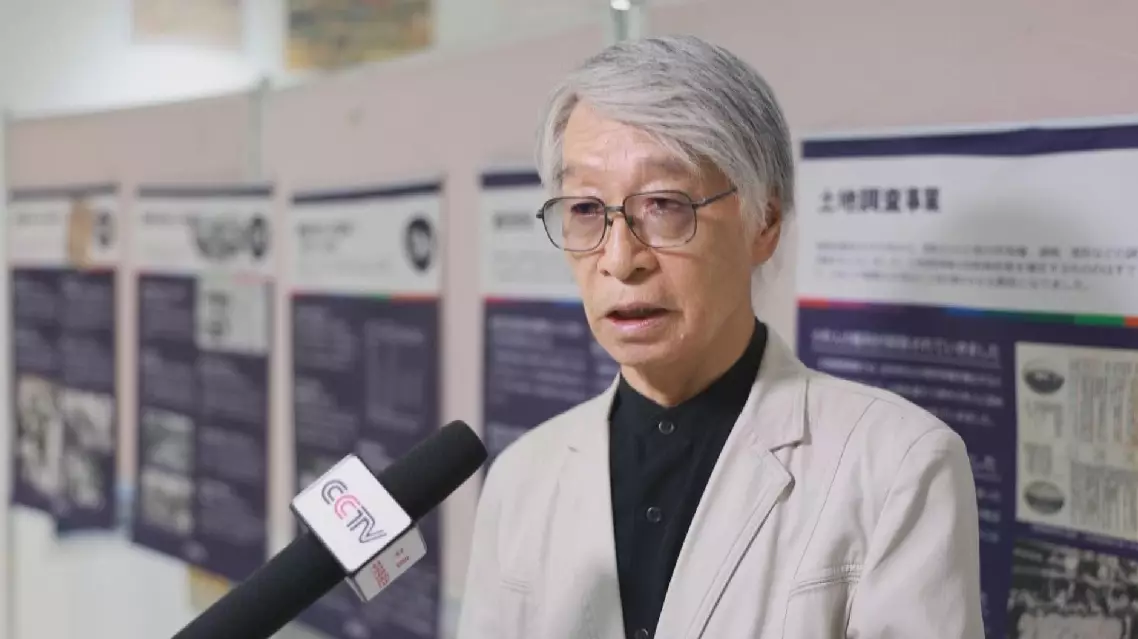
Negating Tokyo Trial means negating post-WWII int'l order: expert