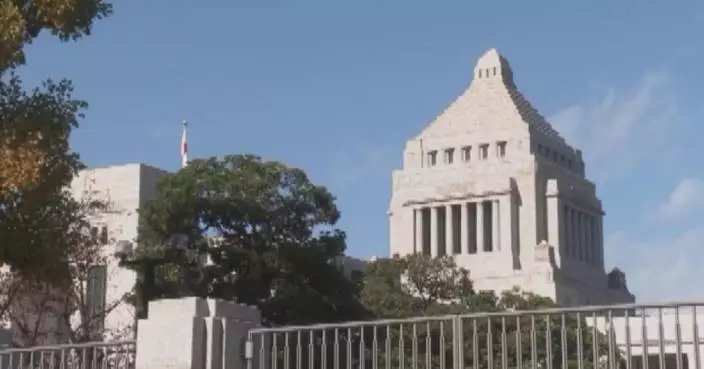
Scholars have warned of the lasting legal and diplomatic implications of the provocative statements made by Japanese Prime Minsiter Sanae Takaichi being recorded in Japan's official parliamentary proceedings, with some arguing a formal retraction could be essential to prevent a distortion of historical facts and uphold the principle of non-interference in the internal affairs of others.
Last month, Takaichi said at a Diet hearing that the Chinese central authorities' "use of force on Taiwan" could constitute a "survival-threatening situation" for Japan and implied the possibility of armed intervention in the Taiwan Strait.
The Japanese prime minister's provocative rhetoric has triggered widespread global condemnation, with many analysts warning her comments could even threaten regional and global stability.
Within Japan's political system, statements made by prime ministers during Diet deliberations are considered official government positions, which are recorded in the legally binding Diet proceedings, serving as key documents for maintaining the continuity of foreign policy.
Concerns have been raised about Takaichi's refusal to withdraw her contentious comments regarding Taiwan, while subsequent assurances from the Japanese government regarding an "unchanged fundamental stance" have been dismissed by critics as insubstantial.
China has consistently demanded a formal retraction of the erroneous remarks, stating that the issue concerns its core interests and allows no compromise. A retraction would entail removing the statements from the Diet proceedings, thereby preventing the Japanese government from referencing them in the future.
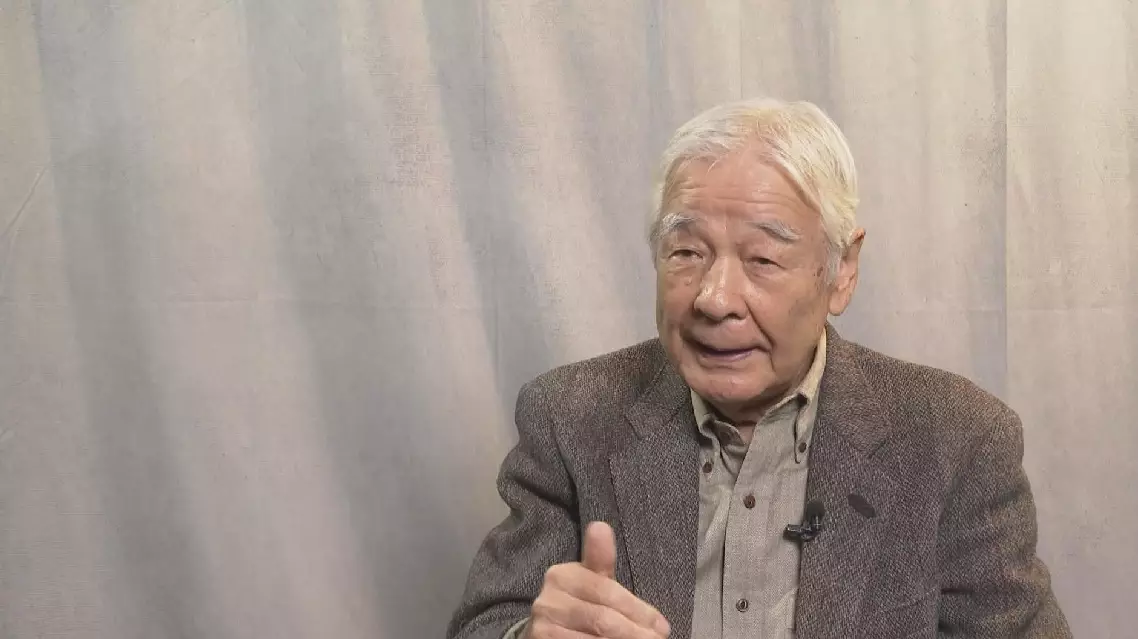
Masakatsu Adachi, an honorary professor at the Kanto Gakuin University in Yokohama, said that Takaichi should recognize how harmful her comments have been and formally withdrew them.
"Even if the fundamental stance [that the Japanese government has consistently claimed] remains unchanged, the examples she cited will remain permanently recorded in the Diet proceedings. They can be quoted by anyone worldwide, as this is an official document of the Japanese parliament. If she understood the weight of her own words, she should retract them," he said.
Meanwhile, international observers have also highlighted the historical context concerning Taiwan and the timing of Takiachi's ill-advised remarks.
"I think it's a big error for Japan to be involved today in Chinese affairs. On October 25, last month, it was the anniversary of the meeting in Taipei on October 25, 1945, to officialize the return of Taiwan to China. Of course, Taiwan is a province of China. I think Japan should manage its own country, not to be involved in other people's affairs," said Prosper Bernard, a professor at the University of Quebec in Montreal, in an interview in late November.
Scholars stress need for Japanese PM to retract erroneous remarks from official records