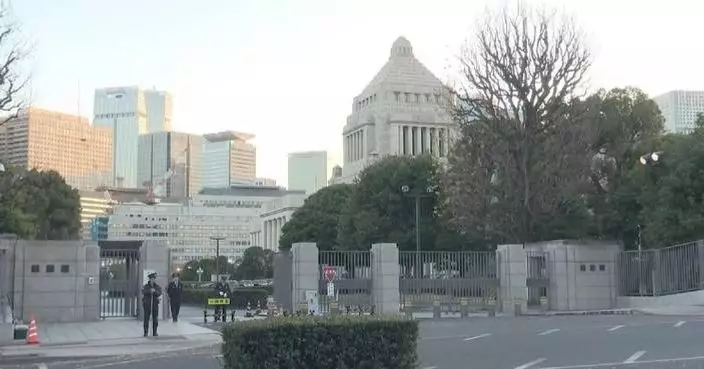
The United States and Ukraine held what were described as "constructive discussions" over the past two days on credible pathways toward a lasting and just peace for Ukraine, according to official statements from Washington on Friday.
The U.S. Department of State said that on Thursday and Friday, U.S. President Donald Trump's special envoy Steve Witkoff and Trump's son-in-law Jared Kushner met with Ukrainian officials, including Rustem Umerov, secretary of Ukraine's National Security and Defense Council and the country's lead negotiator.
The discussions focused on outcomes from recent U.S.-Russia meetings and potential steps to end the conflict. The two sides agreed on a framework for security arrangements and discussed necessary "deterrence capabilities".
Umerov reiterated that Ukraine's priority is a solution guaranteeing its independence and sovereignty.
Both sides agreed that genuine progress depends on Russia's willingness to demonstrate a tangible commitment to long-term peace. Further meetings are scheduled for Saturday.
Meanwhile, according to a TASS news agency report on Friday, Kremlin Spokesman Dmitry Peskov said that Russia hopes to accelerate the negotiation process for resolving the Ukraine crisis and is willing to engage seriously with the peace plan proposed by Trump's team.
Peskov noted that if Russia cannot achieve its goals through peaceful means, the special military operation will continue.
He also emphasized that Russia "remains open to negotiations."
Earlier on Tuesday, Putin met with Trump's special envoy Witkoff in Moscow. Their talks lasted nearly five hours.
Russian presidential aide Yuri Ushakov said that during the meeting, no compromise solution to the Ukraine issue was reached between Russia and the United States, and both sides agreed to maintain contact to work toward a long-term peaceful resolution of the Ukraine crisis.
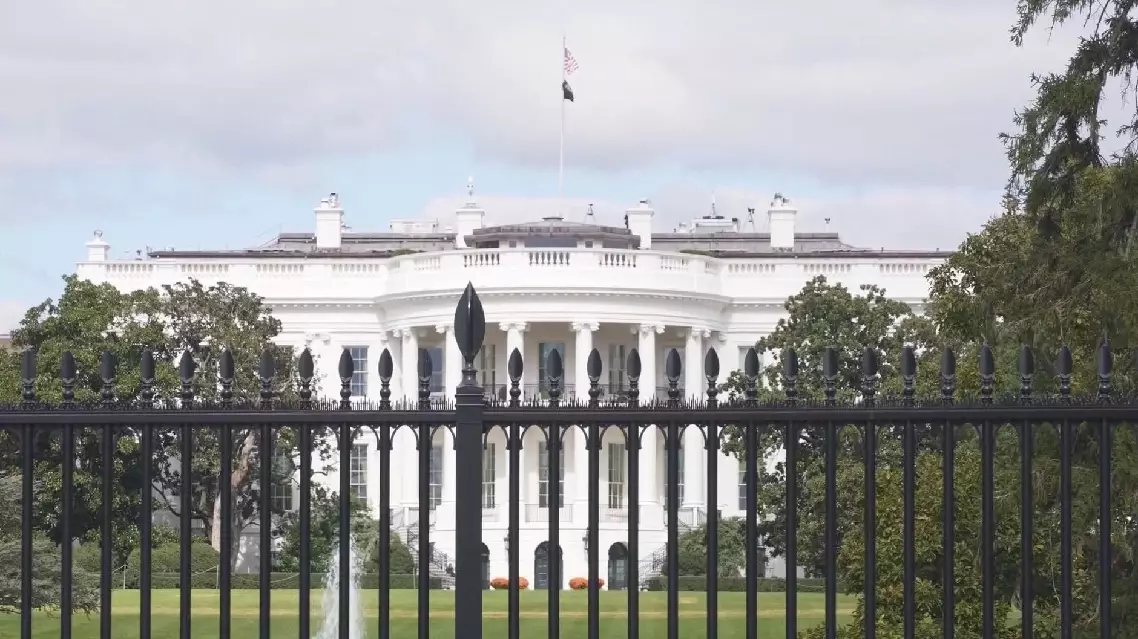
US, Ukraine hold "constructive" talks on Ukraine peace deal, Russia says open to negotiations
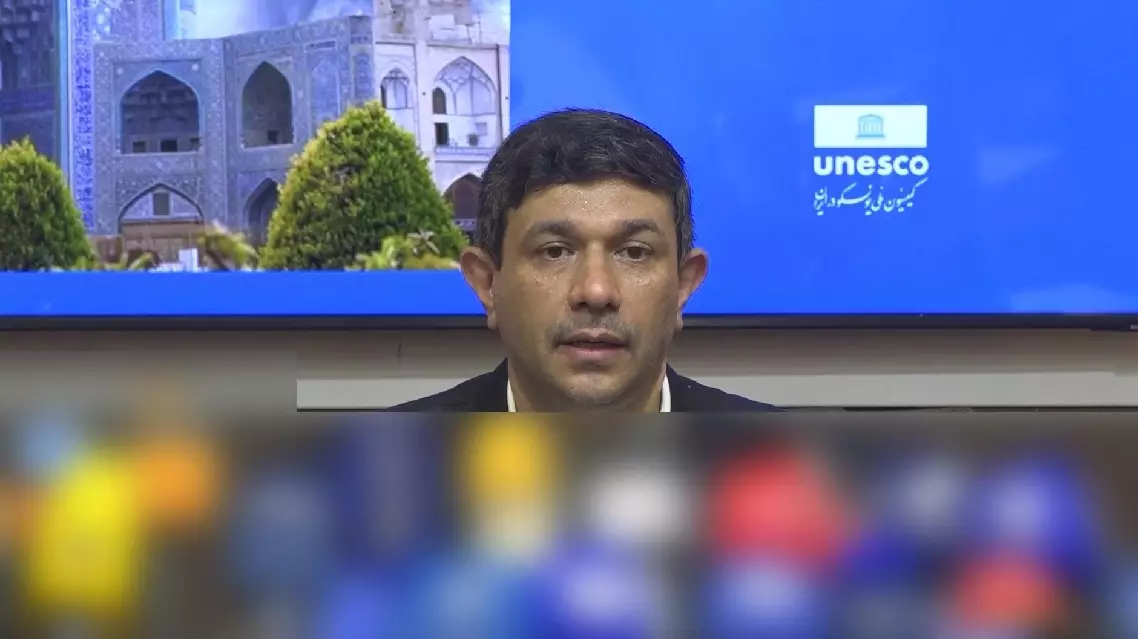
The U.S.-Israeli airstrikes against Iran since February 28 have inflicted irreparable damage on the country's priceless cultural heritage sites, according to Hassan Fartousi, secretary-general of the Iranian National Commission for UNESCO.
Speaking to the press on Tuesday, Fartousi said that 132 cultural heritage items have been attacked in recent strikes, emphasizing that the losses extend far beyond monetary valuation.
"Last night, I was told that 132 pieces [items] of our cultural heritage have been attacked, and it is really impossible to say how much the costs are, and it can be said that these (damaged cultural heritage items) are priceless and irreparable. How can these be defined?" Fartousi said.
Among the most severely affected sites is the Golestan Palace, a UNESCO World Heritage Site inscribed in 2013.
Fartousi said that about 40 percent of the palace's historic mirror works, dating back nearly 220 years to the Qajar period, have been damaged.
"Unfortunately, in Golestan Palace, there are almost 40 percent of the mirror works [that] have been damaged which belong to almost 220 years ago, the Qajar period. The same situation [occurred] in the Saad Abad complex [in] which the Green Palace [was] attacked in a way which the specialists were telling me very sadly that it may not be possible to repair some of the damages," he said.
The Golestan Palace complex, selected as the royal residence and seat of power by the Qajar ruling family in the 19th century, has been described by UNESCO as "a masterpiece of the Qajar era, embodying the successful integration of earlier Persian crafts and architecture with Western influences."
The Saad Abad complex, a sprawling former royal compound in northern Tehran, encompasses an extensive park with multiple buildings now serving as museums dedicated to Iran's cultural history. The official residence of Iran's president is located adjacent to the site.
U.S.-Israeli airstrikes cause irreparable damage to Iran's cultural heritage sites: UNESCO official