Skip to Content Facebook Feature Image

Former French PM urges China, France to jointly promote multilateralism, cooperation

China

China

China

Former French PM urges China, France to jointly promote multilateralism, cooperation

2025-12-06 15:35 Last Updated At:20:17

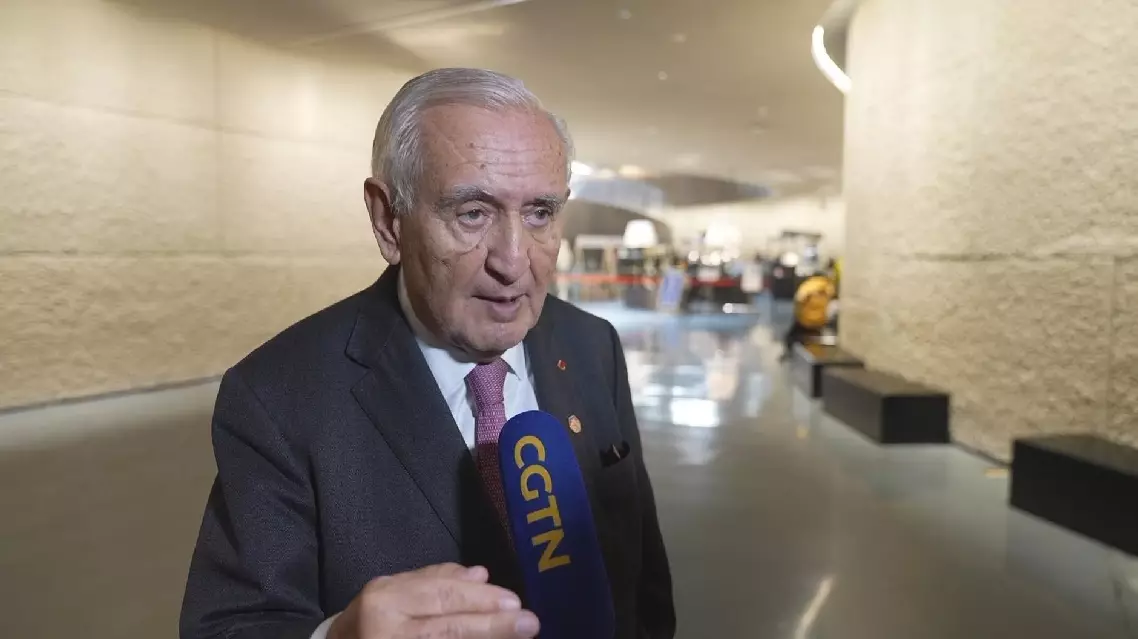
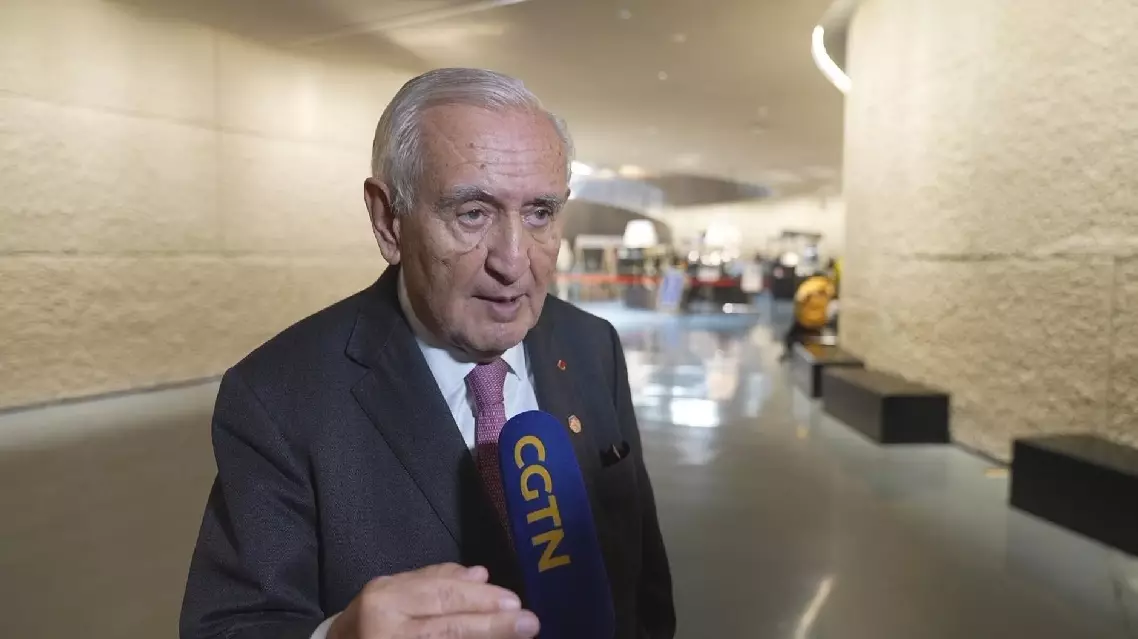
Former French Prime Minister Jean-Pierre Raffarin on Friday called on China and France to jointly promote multilateralism and cooperation.

Raffarin is currently in the Chengdu City of southwest China's Sichuan Province, the second stop of French President Emmanuel Macron's state visit to China from Wednesday to Friday.

Macron's visit is a significant opportunity for the two major powers to rebalance bilateral trade ties, and also a chance for them to redefine a vision for global governance, Raffarin told China Global Television Network (CGTN).

Noting that China and France are both peace-loving countries, Raffarin said they must work together to contribute to world peace and promote multilateralism. "France and China are peace-loving nations. The Chinese people have never waged a war outside their borders -- they have fought only when attacked. China can speak for peace, and so can France, which managed to make peace with Germany despite the many tragedies that occurred during three wars. We are peaceful peoples, and therefore we must contribute together to world peace," said Raffarin.

"Both China and France support a multilateral global governance system. We want to reform multilateralism because today's rules are still those of 1945. It has been a long time since the UN and other international institutions were created. They must be reformed and modernized, while preserving the ambition of multilateralism to uphold world peace. From this perspective, Sino-French cooperation is in the interest of both countries -- and also in the interest of the world and of global peace," he added.

Raffarin said he expects more cooperation between China and Europe, and called for China's support in ending the Ukraine crisis.

"We clearly need to make progress in China-Europe cooperation. We must also make commercial progress by increasing cooperation between our industries -- including more Chinese components in European products, and more European components in Chinese products. We have progress to make, but the path has been set by the two heads of state. A new path has been opened for more balanced development. And of course, what is very important is that a war is now being fought in Europe -- in Ukraine. We need China's peaceful engagement to help the world find a way toward peace, in this conflict as well as many others. Peace is at the heart of our commitments -- it is China's commitment, and it is also France's," said Raffarin.
Former French PM urges China, France to jointly promote multilateralism, cooperation
Former French PM urges China, France to jointly promote multilateralism, cooperation

Former French PM urges China, France to jointly promote multilateralism, cooperation
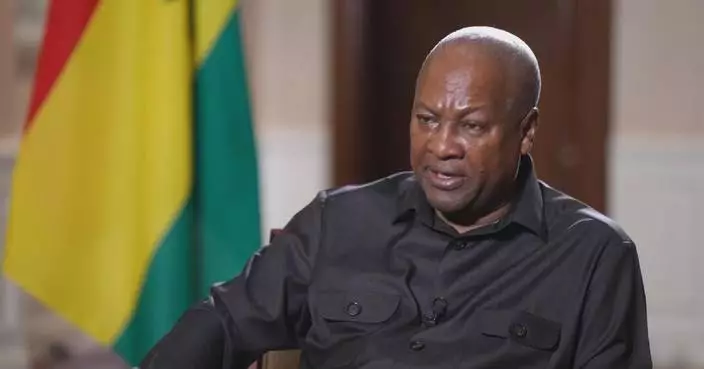
Former French PM urges China, France to jointly promote multilateralism, cooperation

International figures have strongly criticized recent statements made by Japanese Prime Minister Sanae Takaichi, calling them a blatant violation of international law and an unacceptable interference in China's internal affairs.

At a Diet meeting on Nov 7, Takaichi claimed that the Chinese mainland's "use of force on Taiwan" could constitute a "survival-threatening situation" for Japan and implied the possibility of armed intervention in the Taiwan Strait.

The remarks, which challenge China's sovereignty, have drawn sharp rebuke from observers across the globe, who warn such actions threaten regional stability.

Ruben Guzzetti, director of the Argentine Institute of Geopolitical Studies, said that "a substantial body of prior documentation establishes that Takaichi's statements constitute undue interference in China's internal affairs and a violation of its sovereignty. This is now clear, and it represents a very significant threat to international peace."

Echoing this sentiment, David Monyae, director of the Center for Africa-China Studies at the University of Johannesburg, South Africa, contextualized the issue within historical memory.

"Given the history, the fascism and the damage that Japan caused, not just in China but the whole of Asia and the world during the Second World War, with all those atrocities, what we want is that Japan starts to recognize and starts stating clearly all the atrocities that it caused and to show a sign that it is reversing and it is not going to do what it did in the past. I think for Japan to bring back an imperialistic colonial mentality, it's something that is unacceptable," he said firmly.

The criticism also came from political figures. Tshilidzi Bethuel Munyai, a member of the National Assembly of South Africa, condemned the Japanese leader's statements as "reckless, absurd, and an act of transgression, blatantly undermining the deployed diplomatic achievements between the two countries."

"It erodes the foundation of political trust between China and Japan. It signals very reckless right-wing forces within Japan and the broader international community. By the way, China has firm resolve to safeguard the national sovereignty and as well as territorial integrity," said Munyai.

Amidst this international backlash, experts assert that China's demand for a retraction of Takaichi's remarks is fully justified. The consensus among critics is clear: such provocations undermine the foundations of international law and bilateral relations, and must be withdrawn to prevent further escalation.

Int'l voices condemn Japanese PM's remarks as unacceptable violation of China's sovereignty

Int'l voices condemn Japanese PM's remarks as unacceptable violation of China's sovereignty

Recommended Articles