A South African scholar has criticized U.S. Secretary of State Marco Rubio's statement of excluding South Africa from the next G20, calling the move an attempt to undermine the country's diplomatic independence.
In a Substack post on Wednesday, Rubio criticized South Africa's domestic policies and its stewardship of the G20. He claimed that as a result, the U.S. would not invite South Africa to attend the G20 summit during its presidency.
In response, Ronald Lamola, Minister of International Relations and Cooperation of South Africa, issued an open letter to Rubio on Thursday, emphasizing that South Africa is a founding member of the G20 and no single member of the G20 has a unilateral right to exclude South Africa from the G20.
Reaffirming South Africa's role in the G20, Lamola said that South Africa's presidency emphasized the equal partnership with Africa and the Global South, as well as the need to address systemic macroeconomic challenges affecting developing economies.
It is a matter of public record that the United States chose not to attend the G20 meetings. Given that absence, the notion of South Africa's "sabotaging" consensus is not just incorrect, it misunderstands the very purpose of a forum like the G20, said the minister.
Christopher Isike, a professor at the University of Pretoria, supported Lamola's stance, arguing that Rubio's statement reflects the long-standing hegemonic logic and domineering practice of the U.S.
"I agree with the position taken by the Minister of International Relations and Cooperation Mr. Ronald Lamola. Of course, It (the U.S.) wants to try to limit South Africa and prevent it from being autonomous in terms of its foreign policy, being able to take decisions in its best interest," said Isike.

Scholar rebukes U.S. state secretary's statement of excluding S Africa from next G20
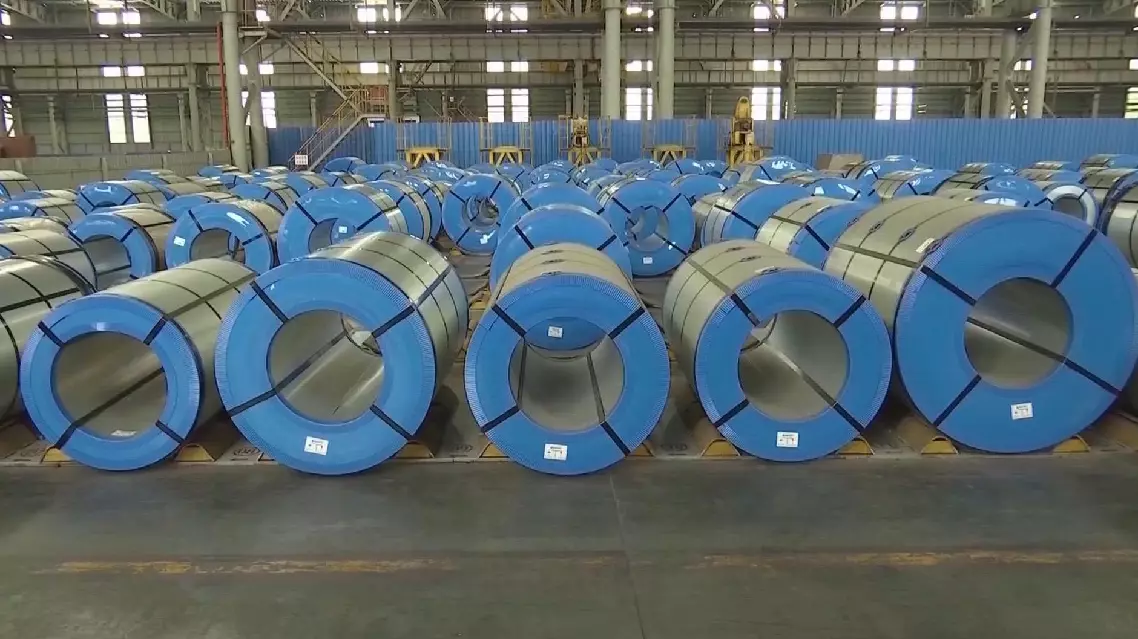
The price of aluminum, a key industrial metal used in automotive manufacturing, construction and packaging, has been climbing as production cuts in the Gulf region, logistical constraints and Iranian attacks on two regional producers over the weekend tightened supply.
On March 31, the benchmark London Metal Exchange (LME) three-month price for aluminum rose to 3,535 U.S. dollars per metric ton, a year-on-year increase of around 40 percent.
Iran's Islamic Revolutionary Guard Corps (IRGC) said on Sunday that they launched missile and drone strikes on aluminum plants in Bahrain and the UAE that are linked to the U.S. military and aerospace industries, in retaliation for U.S.-Israeli attacks on Iranian steel factories.
Emirates Global Aluminium issued a statement saying that its Al Taweela site in the Khalifa Economic Zone in Abu Dhabi was severely damaged after Iranian strikes, with some employees injured.
Aluminum Bahrain confirmed in a statement on Sunday that some of its facilities were struck by Iranian attacks, resulting in injuries to two employees.
The two aluminum plants have a combined annual output of 3.2 million tons, more than half of the approximately 6 million tons of aluminum produced every year by Gulf Cooperation Council (GCC) member states.
The region is a key source of aluminum supply, accounting for about 9 percent of global production.
Goldman Sachs on Tuesday raised its LME aluminum price forecast from 3,200 U.S. dollars to 3,450 U.S. dollars per ton for the second quarter of 2026 after the attacks on the facilities.
Goldman Sachs also predicted a global primary aluminum market supply deficit of 570,000 tons in 2026, a sharp turnaround from its previous forecast of a 550,000-ton surplus.
Analysts point out that the aluminum market is currently facing multiple shocks, with shipping in the Strait of Hormuz disrupted, aluminum production facilities in the Gulf damaged or even shut down, and production in other parts of the world currently limited.
The impact will also spread to downstream enterprises in the coming months, with higher-cost aluminum alloys, primarily used in the aerospace, automotive, and construction industries, facing the most constrained supply, analysts said.
The Gulf region has long been a significant source of these high-end products, particularly for the European market, and also supplies manufacturers in the United States.
Aluminum prices climb as effects of Middle East tensions spread through global economy