Ghanaian President John Dramani Mahama said that the zero-tariff policy with China will further boost trade between the two countries, as Ghana seeks to sync up on product standards to increase exports to China.
In an interview with China Media Group (CMG) aired Friday, the president hailed the economic and trade cooperation with China. Ghana is among the first sub-Saharan countries to establish diplomatic relations with China and remains an important strategic partner of China in Africa.
In 2024, the trade volume between Ghana and China reached 11.8 billion U.S. dollars, with an annual growth rate exceeding 7 percent, and this growth momentum has continued into 2025.
"Actually, China is Ghana's biggest trading partner, and trade between Ghana and China has continued to grow exponentially. The zero-tariff policy is now kicking in and so I believe that it will create a conducive atmosphere for us to grow that trade even more," he said.
To achieve truly sustainable growth, China and Ghana are working together to address practical challenges and align their economic strategies, moving from trade in raw materials to a more value-added collaboration, the president noted.
"We're looking on the Ghanaian side for Chinese industries to come and help us add value to the products that we have, so that we can export back into the Chinese market. Apart from that, there's the important issue of harmonization of standards. China has about 40 standards and so we need to harmonize our standards with the Chinese standards so that it makes it easier for us to export into the Chinese market. So those are the areas that are ironing out and I think that we can reach an understanding as long as the relationship between us is what it is," said the president.
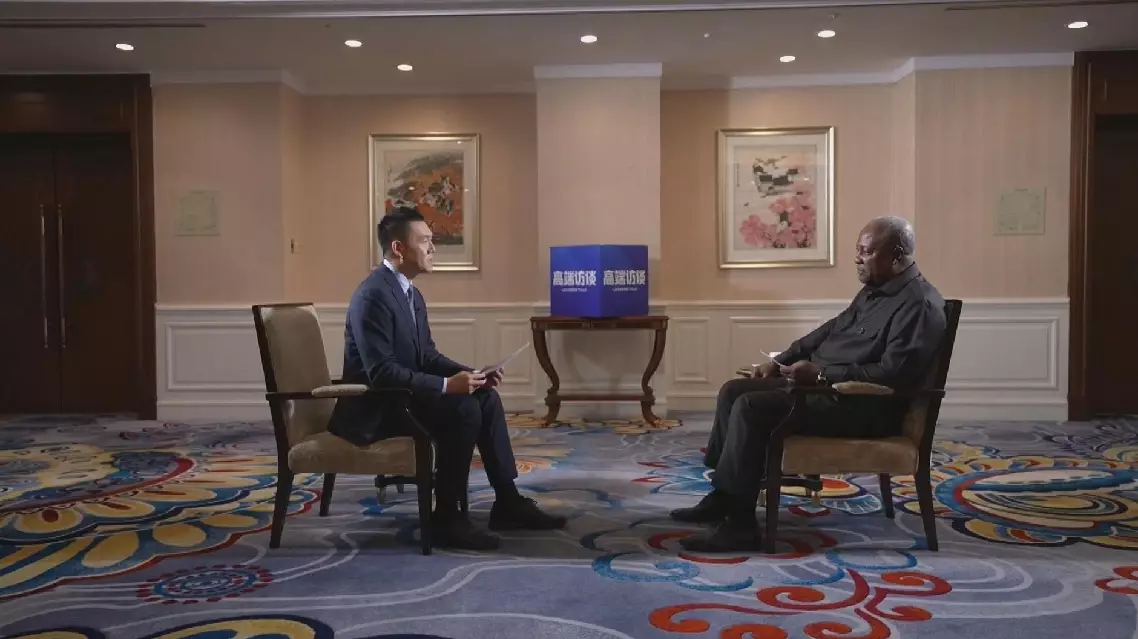
Zero-tariff policy to boost Ghana-China trade: Ghanaian president
China's real estate market witnessed positive changes in the first half of the year as supportive property policies continued to take effect, an official with the National Bureau of Statistics (NBS) said on Wednesday.
With home prices in major cities stabilizing, unsold housing inventory declined and second-hand home transactions remained active, Mao Shengyong, deputy director of the NBS, said at a press conference in Beijing, adding that policy adjustments and optimization measures introduced across the country have gradually delivered results, contributing to an improving property market.
Data showed that since March, the month-on-month sales prices of both newly built commercial homes and second-hand homes in first-tier cities have risen for four consecutive months, Mao said.
The inventory of unsold commercial housing also continued to decline. By the end of June, the floor space of unsold commercial housing nationwide had fallen 0.9 percent year on year, with the pace of decline widening by 0.5 percentage points from the previous month, he said.
The inventory has registered year-on-year declines for four straight months.
And the second-hand housing market remained active. In the first half of the year, the floor space of online-registered second-hand home transactions increased 10.2 percent year on year, 2.5 percentage points faster than the growth recorded in the January-May period.
"As China's real estate market continues to readjust, profound changes are taking place in both the structure and overall scale of property transactions. The traditional market pattern, which was driven mainly by sales of newly built homes, is rapidly shifting toward one featuring both new and second-hand home transactions. Second-hand home sales have become an important part of the housing market. According to online registration data from the Ministry of Housing and Urban-Rural Development, the transaction area of second-hand homes is now roughly equivalent to that of newly built homes. When combining online-registered transactions of both new and second-hand homes, total transaction volume in the past three months has recorded positive growth continuously. Overall, the supply-demand relationship in the real estate market is gradually improving, and market expectations have continued to recover," said Mao.
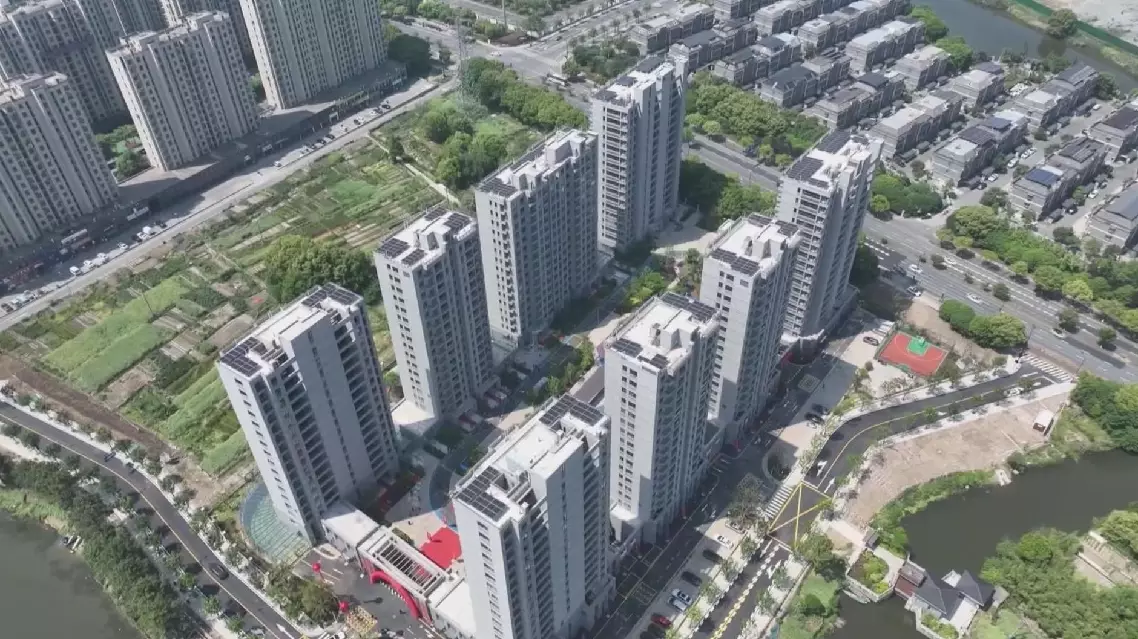
Property market sees positive changes in H1