The U.S. withdrawal from the World Health Organization (WHO) will diminish its global influence and leave it more vulnerable to pandemics, warned a U.S. expert on public health.
On his first day back in the White House on Jan. 20, 2025, U.S. President Donald Trump signed an executive order to withdraw the country from the WHO. The United Nations received the formal notice two days later.
Under the organization's charter, the withdrawal takes effect one year after the notice is given, which means the US has, procedurally, officially withdrawn from the WHO on Thursday (January 22, 2026).
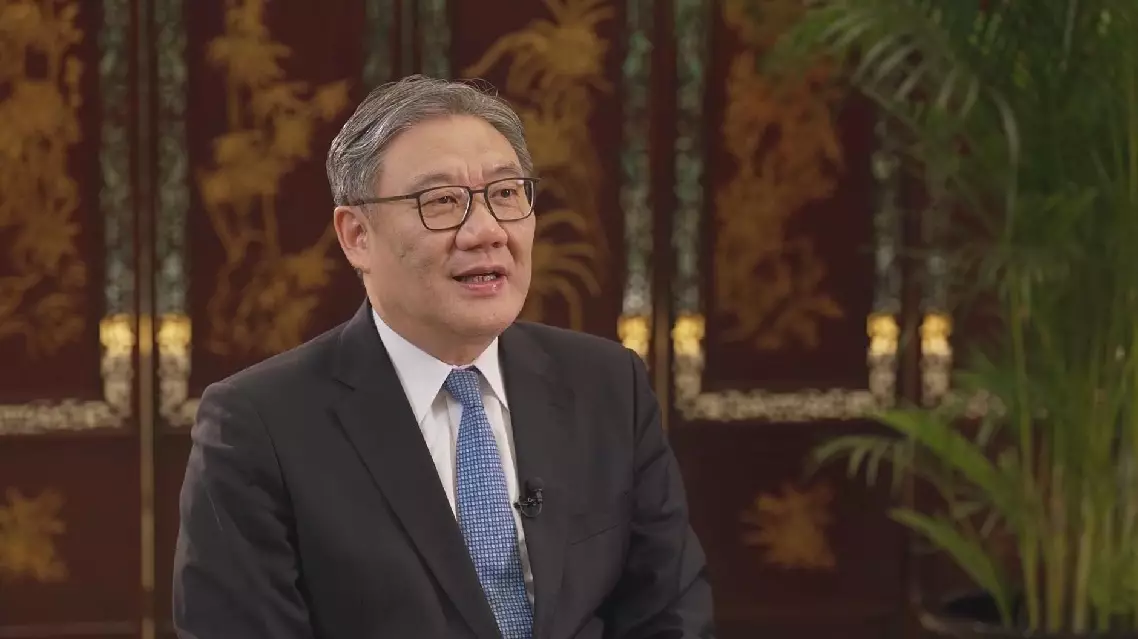
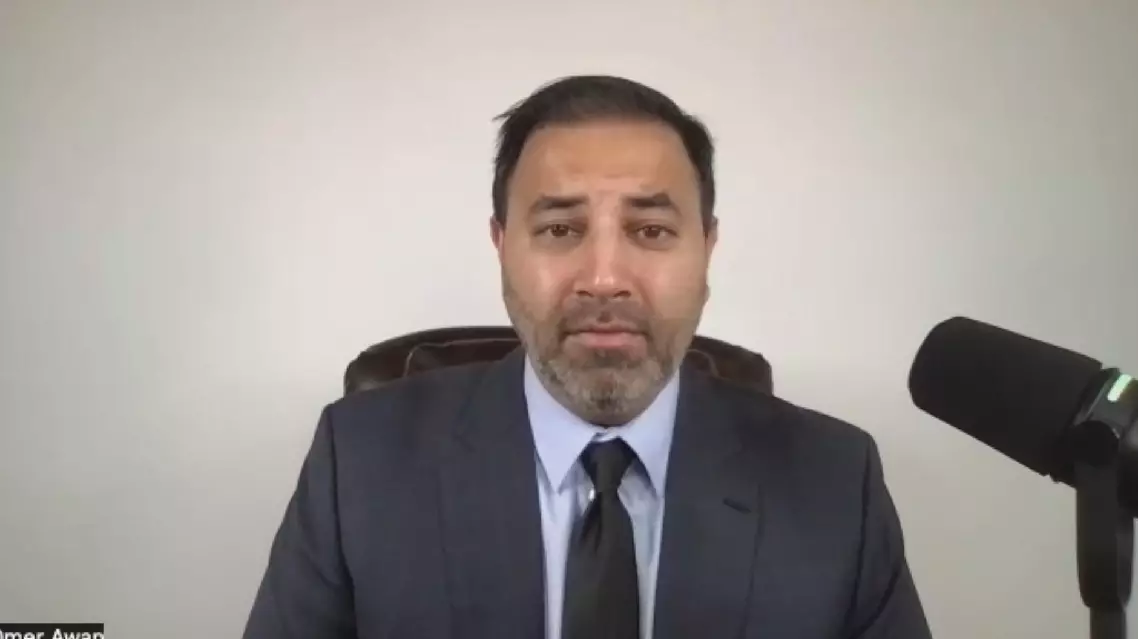
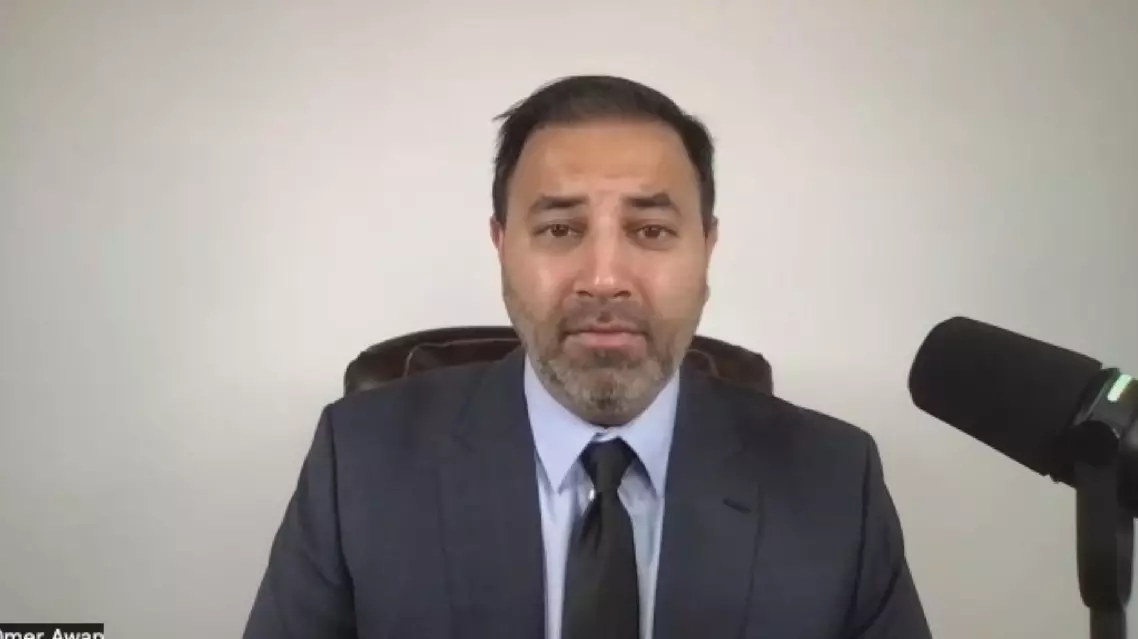
"I think that this weakens America's influence in global politics, global policy, and global health," said Omer Awan, a U.S. expert on public health.
Awan emphasized that as the world's leading authority on public health, the WHO plays a central coordinating role in global health governance, and its role should be strengthened, not undermined.
"Global health is national policy and national security. It's a national security issue because the World Health Organization is critical for disease surveillance. Things like updating vaccine standards, sharing data, and without that, the United States is vulnerable. We're vulnerable to pandemics, we're vulnerable to infectious diseases that can surge here in America. When we pull out, when the United States pulls out, we're less prepared, we're literally less prepared for a pandemic, we have less access to critical data that can inform our public health policy. For these reasons, this is why we become more vulnerable to the threats of a future pandemic," he said.
He further cautioned that the U.S. withdrawal would not halt the WHO's operations, but would significantly reduce American influence in global health affairs.
"We will lose our influence significantly and many other countries will not view us as a global health power. Global health policy doesn't stop when the United States removes itself from the World Health Organization. Our influence stops when we remove ourselves from the World Health Organization," he added.
Withdrawal from WHO undermines US global influence, heightens its pandemic vulnerability: expert
Withdrawal from WHO undermines US global influence, heightens its pandemic vulnerability: expert
Withdrawal from WHO undermines US global influence, heightens its pandemic vulnerability: expert