No Formula 1 driver puts pressure on his rivals quite like Max Verstappen.
The Red Bull star did it to Lewis Hamilton in 2021, winning his first title on the last lap of the season and preventing Hamilton from clinching a record eighth F1 title.
Click to Gallery
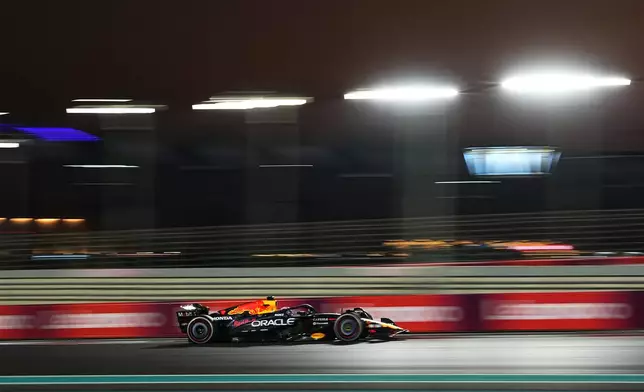
Red Bull driver Max Verstappen of the Netherlands steers his car during the Formula One Abu Dhabi Grand Prix at the Yas Marina Circuit in Abu Dhabi, UAE, Sunday, Dec. 7, 2025. (AP Photo/Fatima Shbair)
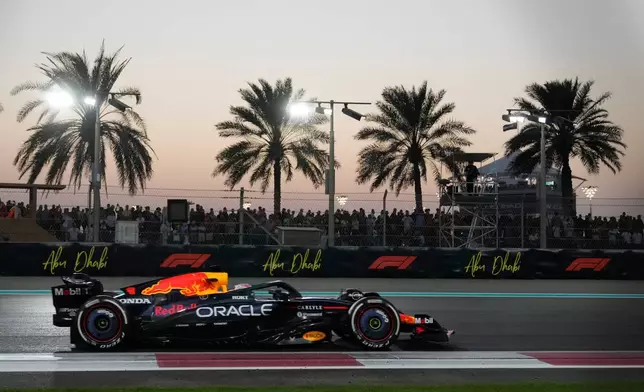
Red Bull driver Max Verstappen of the Netherlands in action during the Abu Dhabi Formula One Grand Prix in Abu Dhabi, United Arab Emirates, Sunday, Dec. 7, 2025. (AP Photo/Darko Bandic)
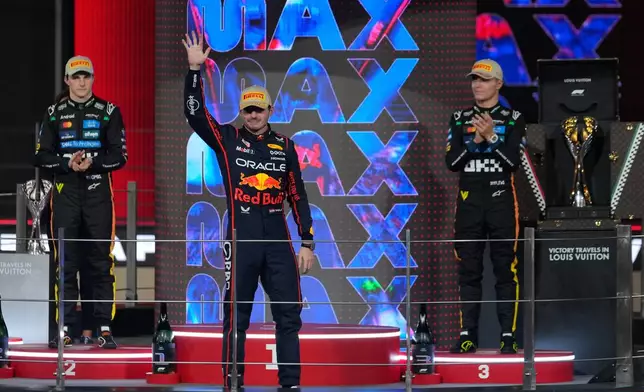
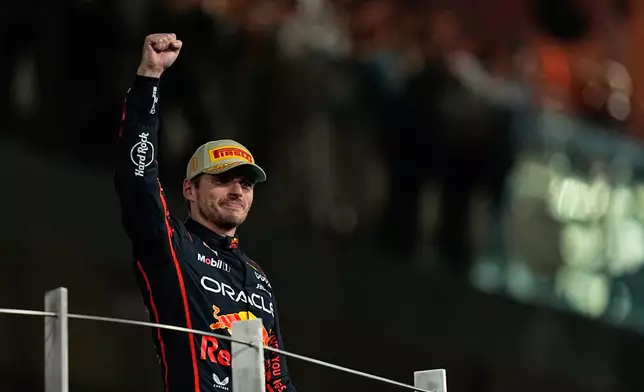
Red Bull driver Max Verstappen of the Netherlands waves towards the crowd on the podium after the Formula One Abu Dhabi Grand Prix at the Yas Marina Circuit in Abu Dhabi, UAE, Sunday, Dec. 7, 2025. (AP Photo/Altaf Qadri)
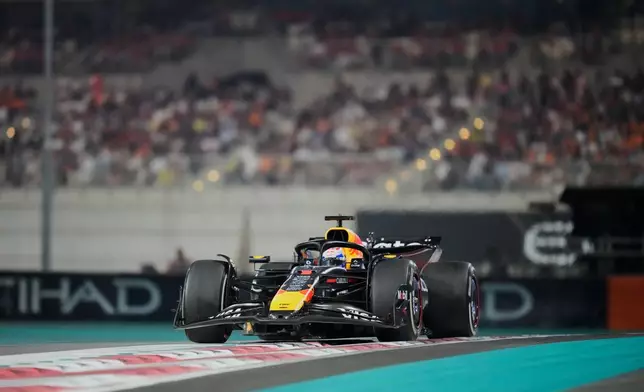
Red Bull driver Max Verstappen of the Netherlands in action during the Abu Dhabi Formula One Grand Prix in Abu Dhabi, United Arab Emirates, Sunday, Dec. 7, 2025. (AP Photo/Darko Bandic)
Red Bull driver Max Verstappen of the Netherlands celebrates on the podium after winning the Formula One Abu Dhabi Grand Prix at the Yas Marina Circuit in Abu Dhabi, UAE, Sunday, Dec. 7, 2025. (AP Photo/Fatima Shbair)
Verstappen came close to winning the title again this year, mounting an incredible late charge to crank up the pressure on Lando Norris and Oscar Piastri. Earlier in the season, the McLaren teammates were contesting the F1 title between themselves.
But Verstappen changed all that.
Heading into Sunday's season-ending Abu Dhabi Grand Prix, it had become a three-way battle.
Verstappen did all he could.
He won in Abu Dhabi from pole position for a third straight race win, a season-leading eighth and 71st of a stellar career.
It was not quite enough to overtake Norris, who won his first F1 title by placing third in the race and ending up just two points ahead of Verstappen in the standings.
But it showed why Verstappen commands so much awe.
“This Max guy is pretty hard to beat,” McLaren CEO Zak Brown told broadcaster Sky with a large dose of understatement.
One race earlier, at the Qatar GP, Brown had jokingly compared Verstappen to a horror movie ghoul who keeps resurfacing.
“He's like that guy in a horror movie, that right as you think he's not coming back, he's back,” Brown said in a podcast interview before the Qatar race. “What an unbelievable talent he is. He never makes mistakes. He seizes every opportunity. We've never thought he was out.”
After winning the Dutch GP on Aug. 31, Piastri led Norris by 34 points and was 104 ahead of Verstappen, who back then had won just two races compared to seven for Piastri. Verstappen took advantage of McLaren's errors to barge his way back into contention.
“(When) you lose the championship by two points it looks painful. But on the other hand, if you look from where we were in Zandvoort, more than 100 behind, then it's not too bad," Verstappen said. “I’m very proud of the whole team. We could have also very easily given up at that point.”
Verstappen is already considered among the F1 greats, alongside Hamilton, seven-time F1 champion Michael Schumacher and Ayrton Senna.
Despite his relatively young age, the 28-year-old Dutchman is already third all-time for race wins behind Schumacher (91) and Hamilton (105). Verstappen has 127 podium finishes and 48 pole positions — one area where he is not as clinical as Hamilton (a record 104 poles) was in his prime with Mercedes.
When Norris won the Brazil GP sprint race in early November, he moved 39 points ahead of Verstappen with four races to go.
A few weeks later, Verstappen had dramatically turned the tables and all the pressure was on Norris and Piastri.
“It’s probably fair to say that the world discovered an even more extraordinary Max this season,” Red Bull team principal Laurent Mekies said. “A bit because of the magnitude of the comeback. A bit because he has been so relaxed.”
Verstappen has been more amiable since becoming a father earlier this year, and has made a concerted effort to reign in his occasionally scathing rants over team radio.
He was all smiles and friendly with Norris when they watched highlights of Sunday's race in the cool-down room.
In the past, bursts of rage or flashes of frustration would get the better of Verstappen.
Less so now.
But one thing that hasn't changed is his intense desire to win and deep self-belief, whatever the odds.
“The fightback has been really fun," Verstappen said. “I don’t see it like losing (the championship).”
AP auto racing: https://apnews.com/hub/auto-racing
Formula 1: https://apnews.com/hub/formula-one
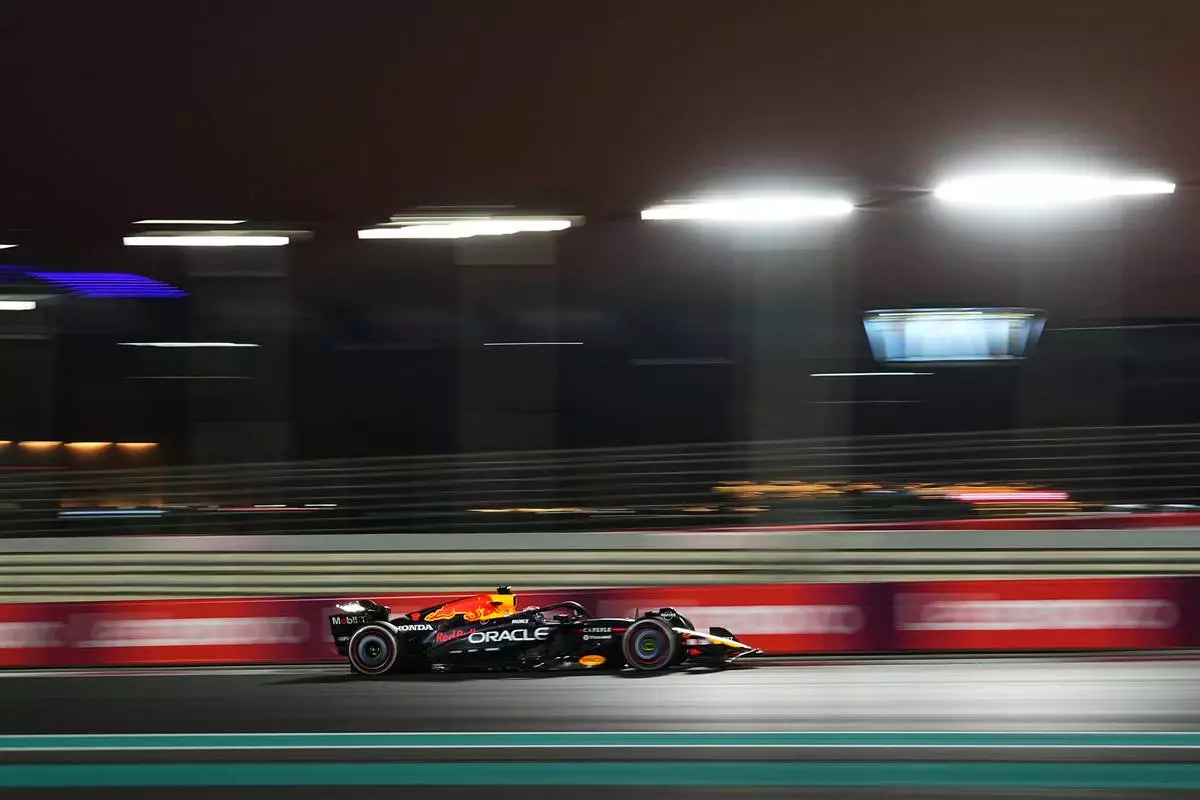
Red Bull driver Max Verstappen of the Netherlands steers his car during the Formula One Abu Dhabi Grand Prix at the Yas Marina Circuit in Abu Dhabi, UAE, Sunday, Dec. 7, 2025. (AP Photo/Fatima Shbair)
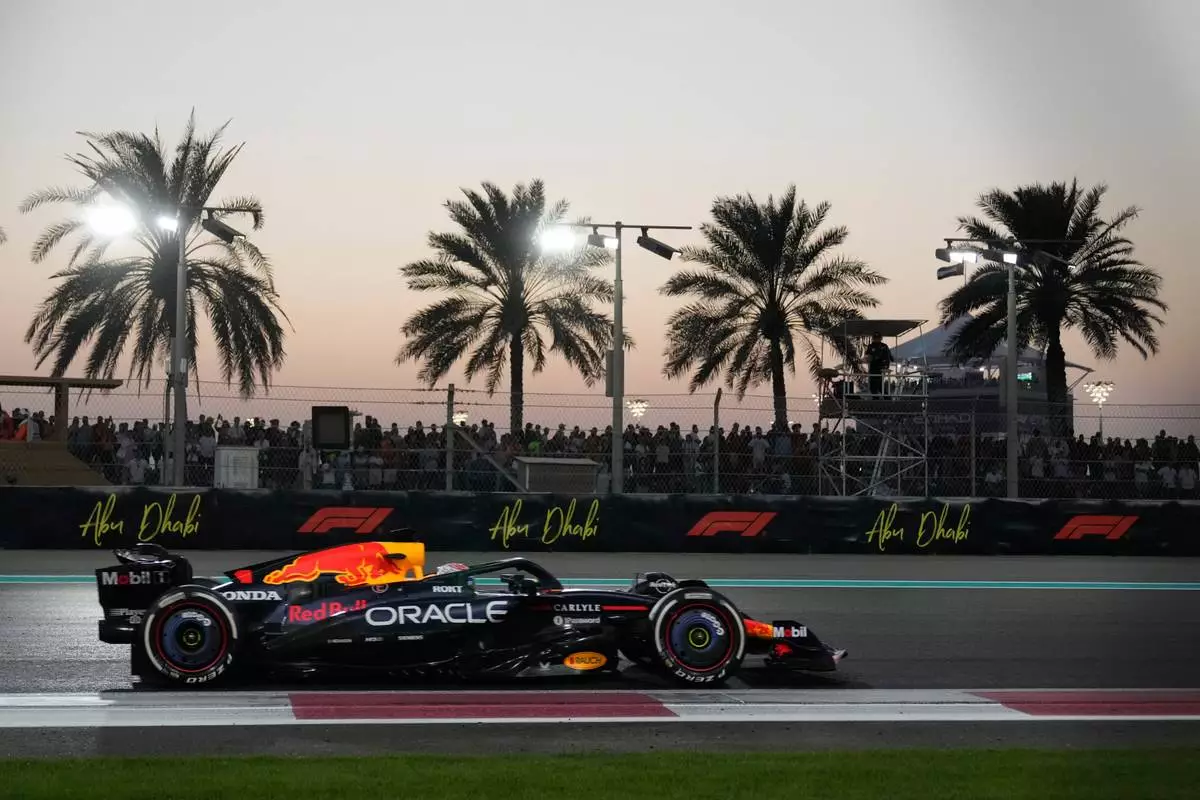
Red Bull driver Max Verstappen of the Netherlands in action during the Abu Dhabi Formula One Grand Prix in Abu Dhabi, United Arab Emirates, Sunday, Dec. 7, 2025. (AP Photo/Darko Bandic)
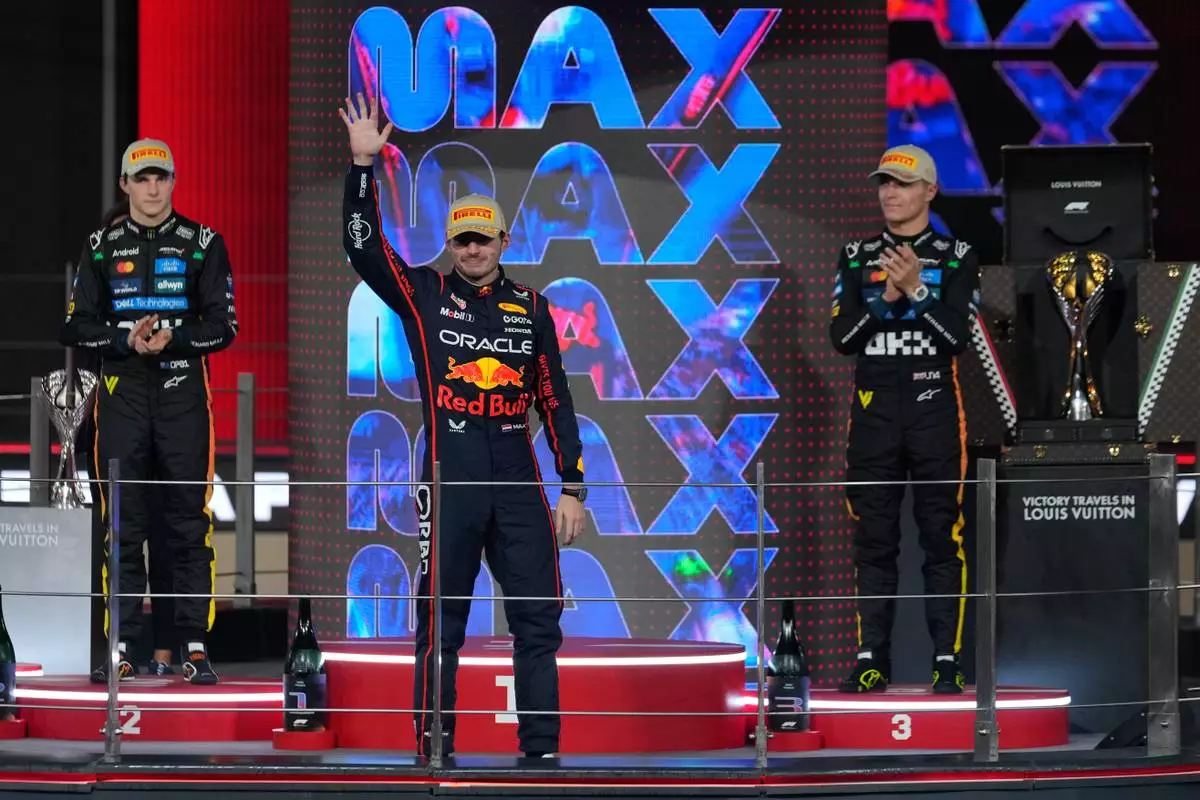
Red Bull driver Max Verstappen of the Netherlands waves towards the crowd on the podium after the Formula One Abu Dhabi Grand Prix at the Yas Marina Circuit in Abu Dhabi, UAE, Sunday, Dec. 7, 2025. (AP Photo/Altaf Qadri)
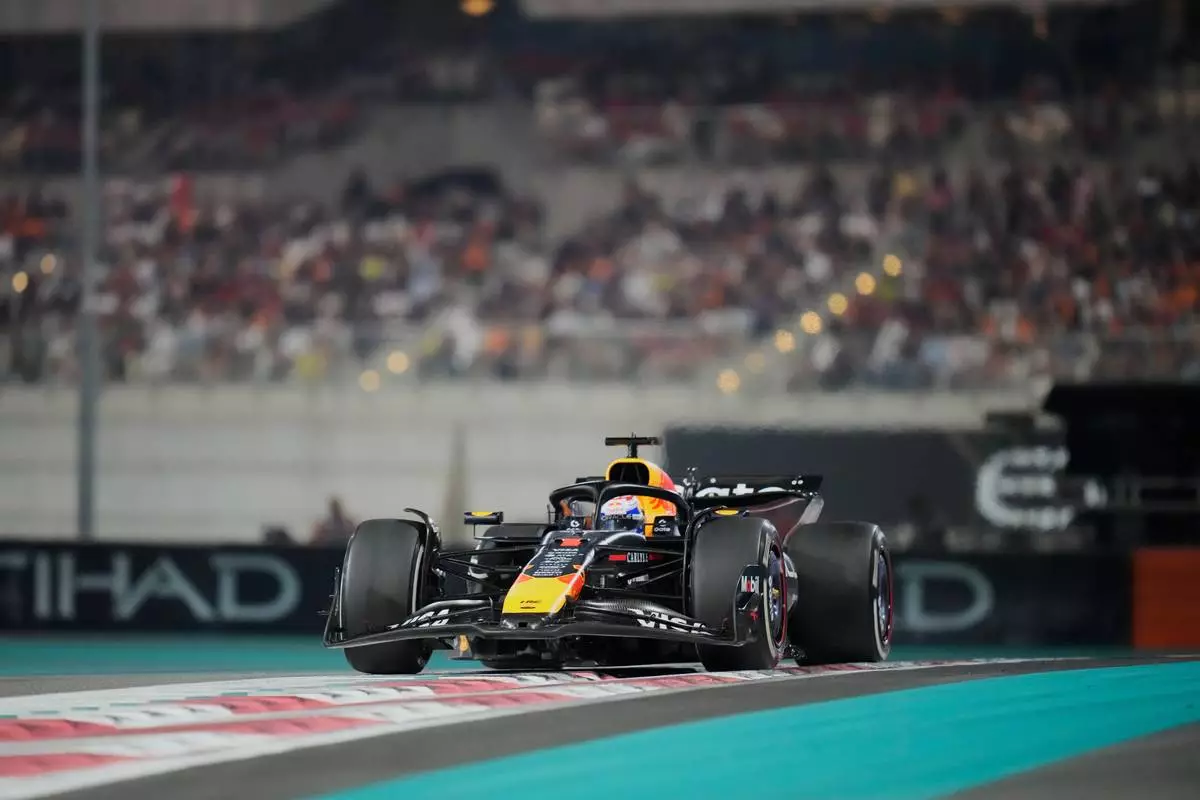
Red Bull driver Max Verstappen of the Netherlands in action during the Abu Dhabi Formula One Grand Prix in Abu Dhabi, United Arab Emirates, Sunday, Dec. 7, 2025. (AP Photo/Darko Bandic)
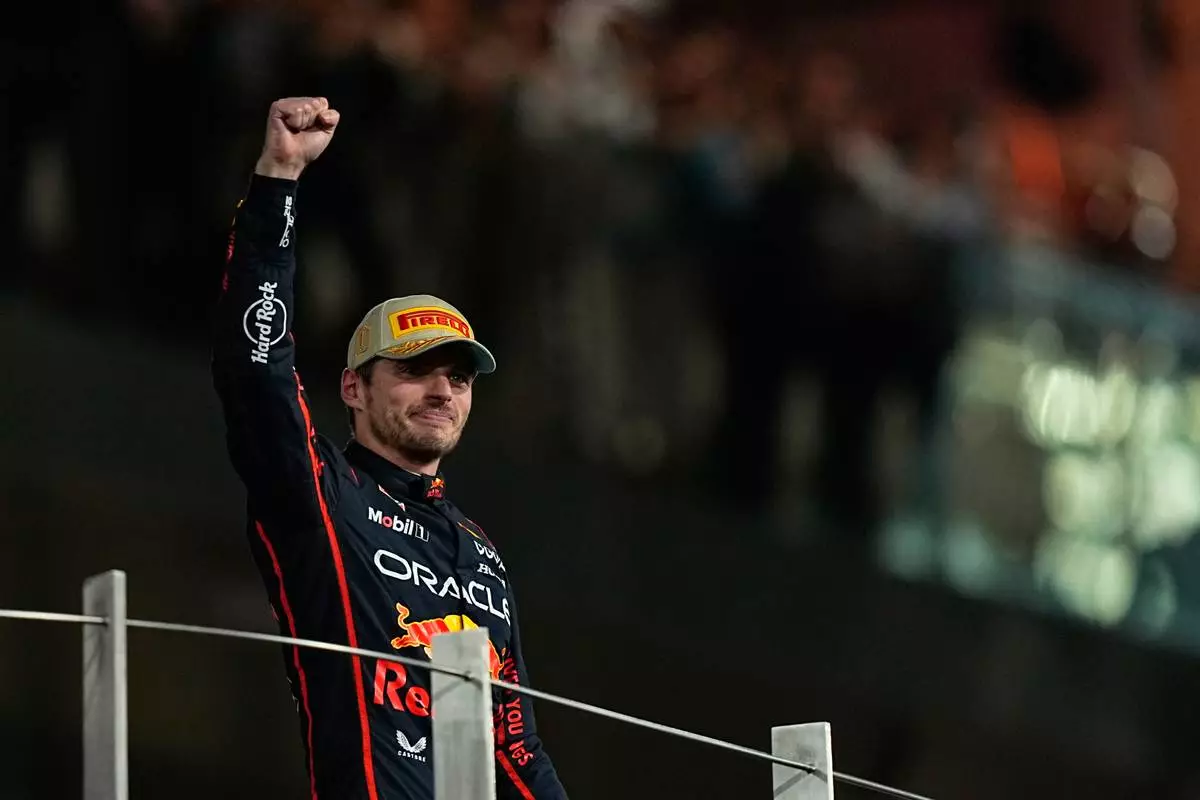
Red Bull driver Max Verstappen of the Netherlands celebrates on the podium after winning the Formula One Abu Dhabi Grand Prix at the Yas Marina Circuit in Abu Dhabi, UAE, Sunday, Dec. 7, 2025. (AP Photo/Fatima Shbair)
HELSINGBORG, Sweden (AP) — NATO allies and defense officials expressed bewilderment Friday at U.S. President Donald Trump’s announcement that he would send 5,000 U.S. troops to Poland just weeks after ordering the same number of forces pulled out of Europe.
The apparent change of mind came after weeks of statements from Trump and his administration about reducing — not increasing — the U.S. military footprint in Europe. Trump's initial order set off a flurry of action among military commanders and left allies already doubtful about America's commitment to Europe's security to ponder what forces they might have to backfill on NATO's eastern flank with Russia and Ukraine.
Earlier this month, the Trump administration said it was reducing levels in Europe by about 5,000 troops, and U.S. officials confirmed about 4,000 service members were no longer rotating into Poland from Germany. The dispatch to Germany of U.S. personnel trained to fire long-range missiles was also halted.
But in a post on Truth Social on Thursday, Trump said he would now send "an additional 5,000 Troops to Poland,” citing his strong ties with Polish President Karol Nawrocki, whom Trump endorsed in elections last year.
“It is confusing indeed, and not always easy to navigate,” Swedish Foreign Minister Maria Malmer Stenergard told reporters Friday at a meeting she was hosting of her NATO counterparts, including U.S. Secretary of State Marco Rubio.
Ministers from the Netherlands and Norway were sanguine about Trump’s latest move, as was Latvian Foreign Minister Baiba Braže, who said allies knew the U.S. troop “posture was being reconsidered, and now there is no change of posture. For now.”
U.S. defense officials also expressed confusion. “We just spent the better part of two weeks reacting to the first announcement. We don’t know what this means either,” said one of two officials who spoke on condition of anonymity to discuss sensitive military matters.
But Rubio said Washington’s allies understand that changes in the U.S. troop presence in Europe will come as the Trump administration reevaluates its force needs. “I think there’s a broad recognition that there are going to be eventually less U.S. troops in Europe than there has historically been for a variety of reasons,” he said.
The latest surprise came despite a U.S. pledge to coordinate troop deployments, including one from NATO’s top military officer, U.S. Lt. Gen. Alex Grynkewich, on Wednesday.
Trump's initial announcement that he would withdraw troops came as he fumed over remarks by German Chancellor Friedrich Merz, who said that the U.S. was being “humiliated” by the Iranian leadership and criticized what he called a lack of strategy in that war.
Trump told reporters that the U.S. would be cutting even more than 5,000 and also announced new tariffs on European cars. Germany is the continent’s biggest auto producer.
Rubio insisted that Trump’s decision “is not a punitive thing. It’s just something that’s ongoing.”
About 80,000 U.S. troops are stationed in Europe. The Pentagon is required to keep at least 76,000 troops and major equipment on the continent unless NATO allies are consulted and there is a determination that such a withdrawal is in U.S. interests.
The withdrawal of 5,000 troops might drop numbers below that limit.
But Trump's latest post suggests that troop numbers in Europe would not change. Polish Foreign Minister Radek Sikorski welcomed the decision to send more forces to his country, saying it ensures that “the presence of American troops in Poland will be maintained more or less at previous levels.”
NATO Secretary-General Mark Rutte also welcomed the move. On Thursday, before Trump took to Truth Social again, Rutte had underlined that it was important for Europe to take care of its own security. “We have a process in place. This is normal business,” he told reporters.
At NATO headquarters in Brussels, meanwhile, U.S. officials briefed the allies on the Pentagon's aims for its commitments to the NATO Force Model, which involves contingency planning for Europe’s defense in the event of serious security concerns. It was widely expected that a further reduction of U.S. forces would be coming.
Asked whether any cuts were announced, Rutte said: “I’m afraid it’s much more complicated than that.” He said the procedure “is highly classified” and declined to give details.
Rubio played down concerns about a shift in U.S. force levels in Europe, saying: "Every country has to constantly reevaluate what their needs are, what their commitments are around the world, and how to properly structure that.”
Cook reported from Brussels. Associated Press writer Emma Burrows in London contributed.
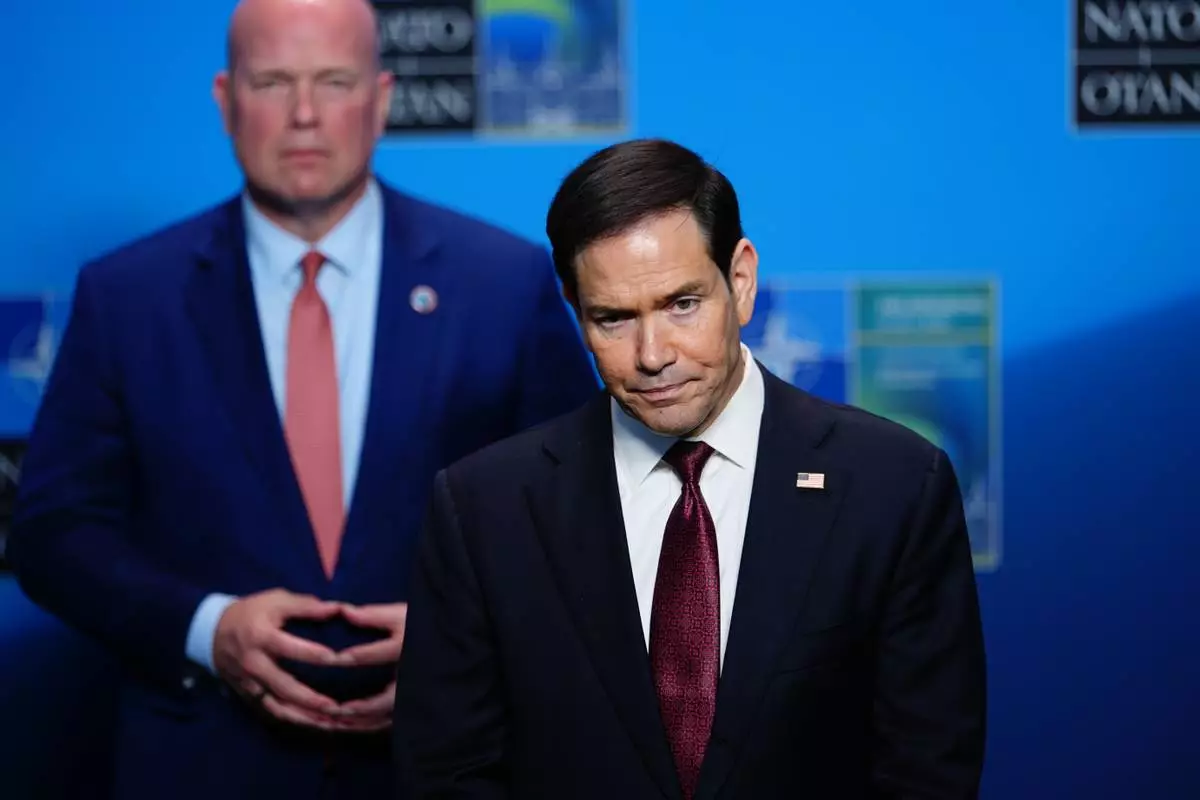
United States Secretary of State Marco Rubio speaks with journalists during a meeting of NATO foreign ministers in Helsingborg, Sweden, Friday, May 22, 2026. (AP Photo/Julia Demaree Nikhinson, Pool)
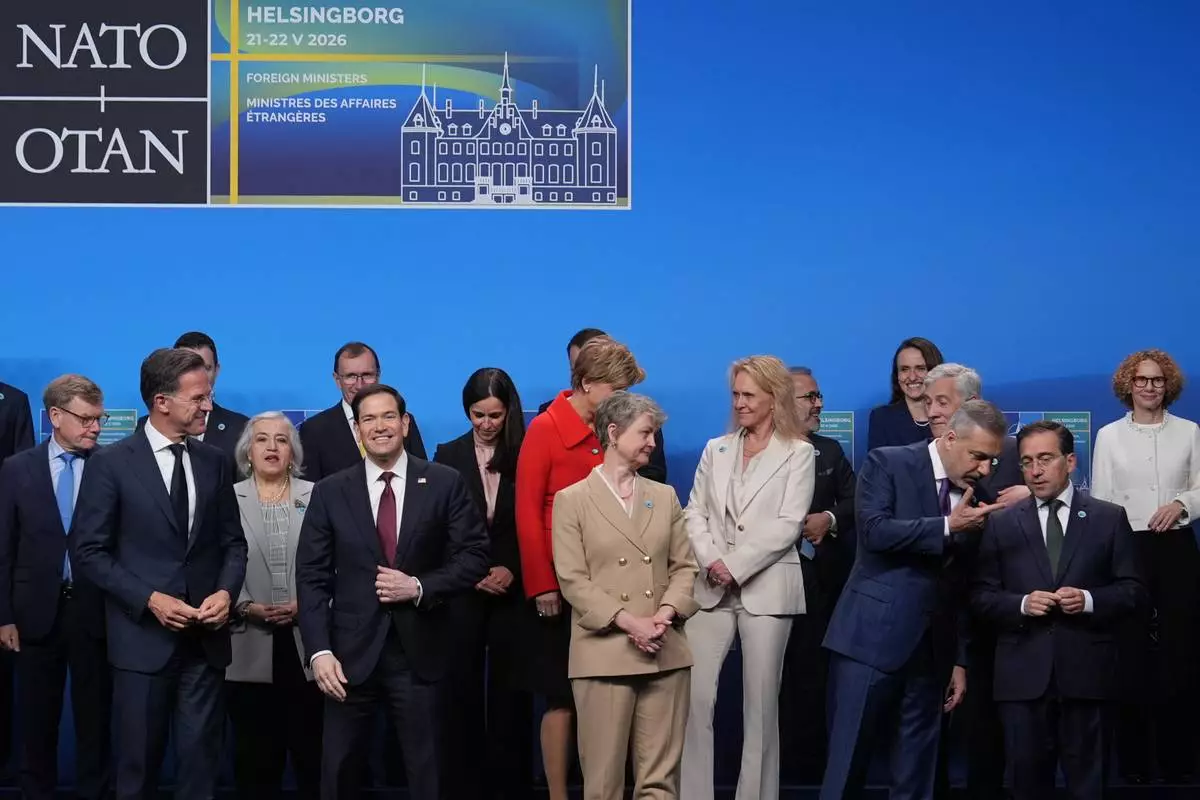
United States Secretary of State Marco Rubio, front second left, and NATO Secretary General Mark Rutte, front left, speak with each other during a group photo at a meeting of NATO foreign ministers in Helsingborg, Sweden, Friday, May 22, 2026. (AP Photo/Julia Demaree Nikhinson, Pool)
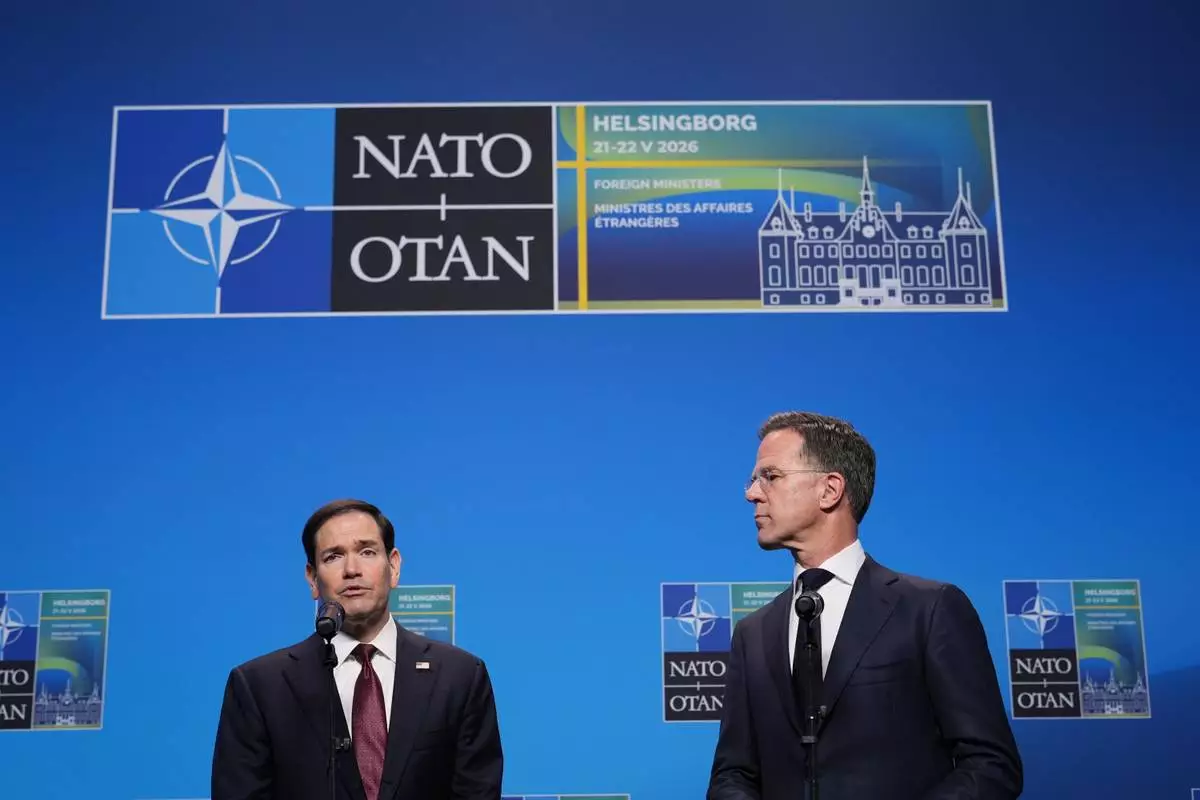
United States Secretary of State Marco Rubio, left, and NATO Secretary General Mark Rutte look at each other as they deliver a statement during a meeting of NATO foreign ministers in Helsingborg, Sweden, Friday, May 22, 2026. (AP Photo/Julia Demaree Nikhinson, Pool)
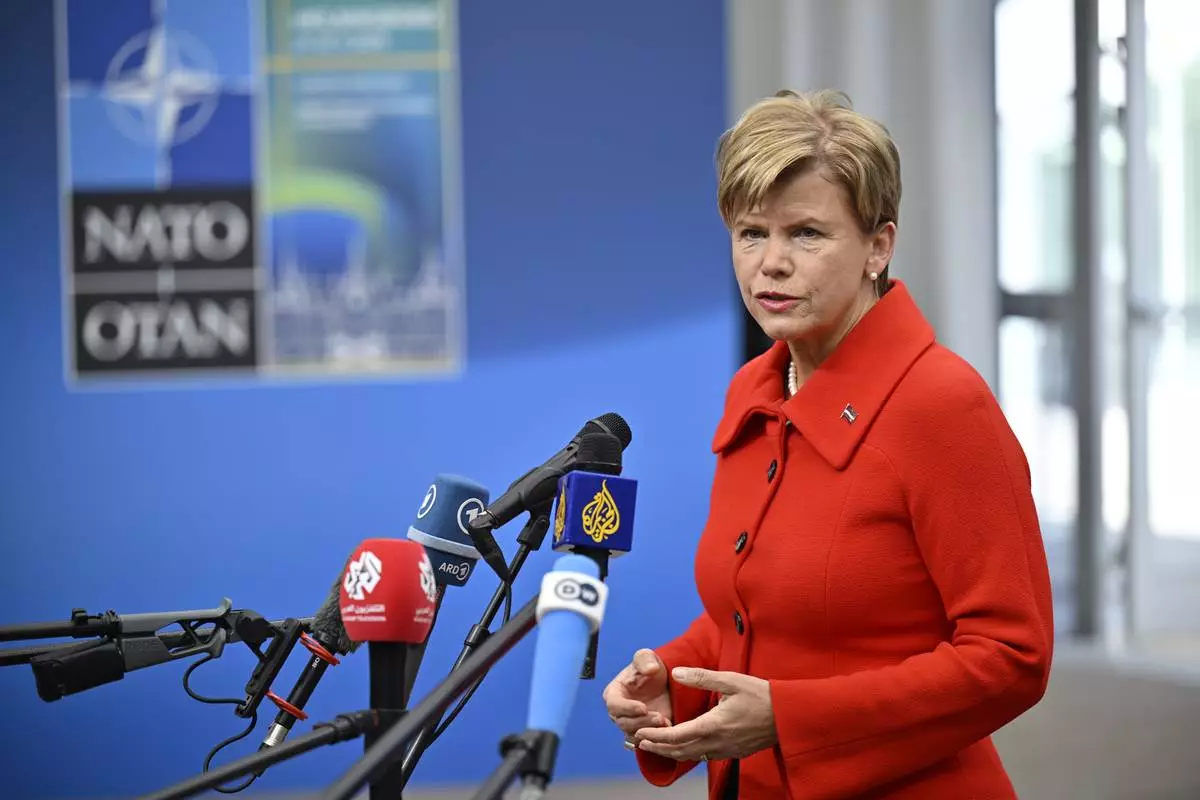
Latvian Foreign Minister Baiba Braže speaks at the doorstep of the NATO foreign ministers' meeting at Sea U in Helsingborg, Sweden, Friday, May 22, 2026. (Johan Nilsson/TT News Agency via AP)
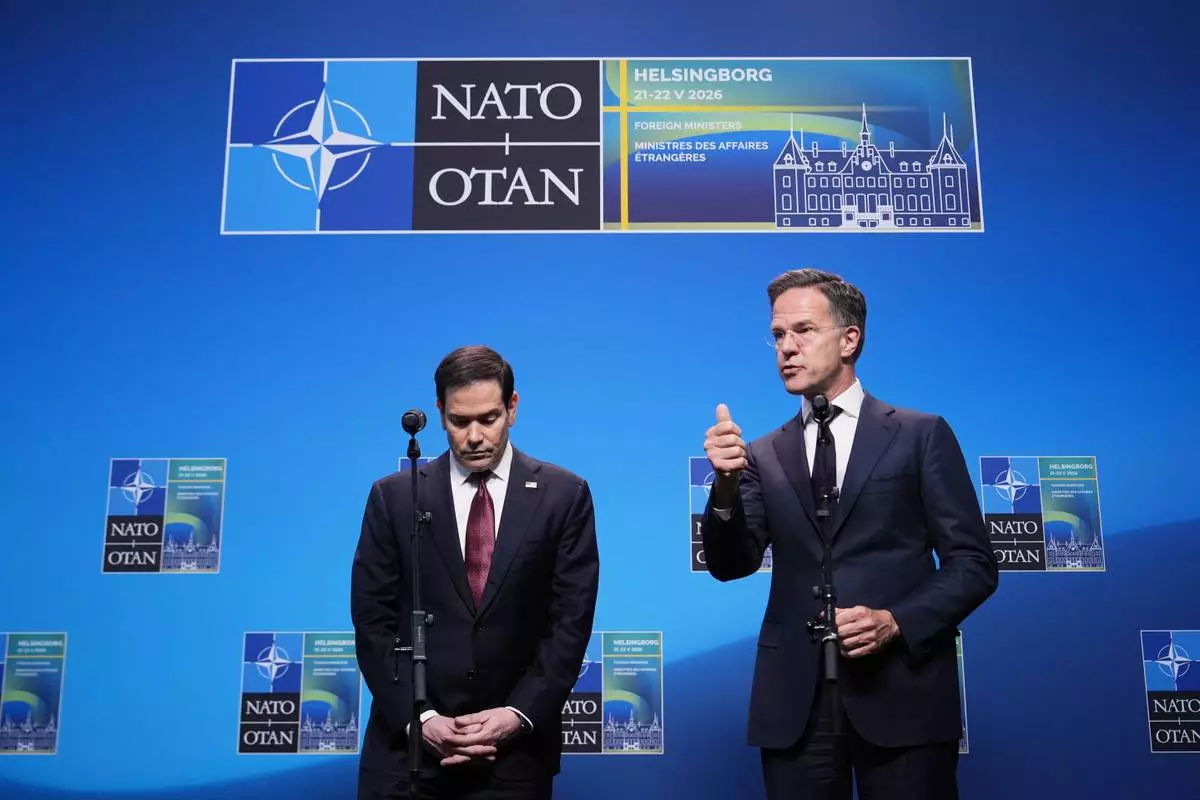
United States Secretary of State Marco Rubio, left, and NATO Secretary General Mark Rutte deliver a statement during a meeting of NATO foreign ministers in Helsingborg, Sweden, Friday, May 22, 2026. (AP Photo/Julia Demaree Nikhinson, Pool)
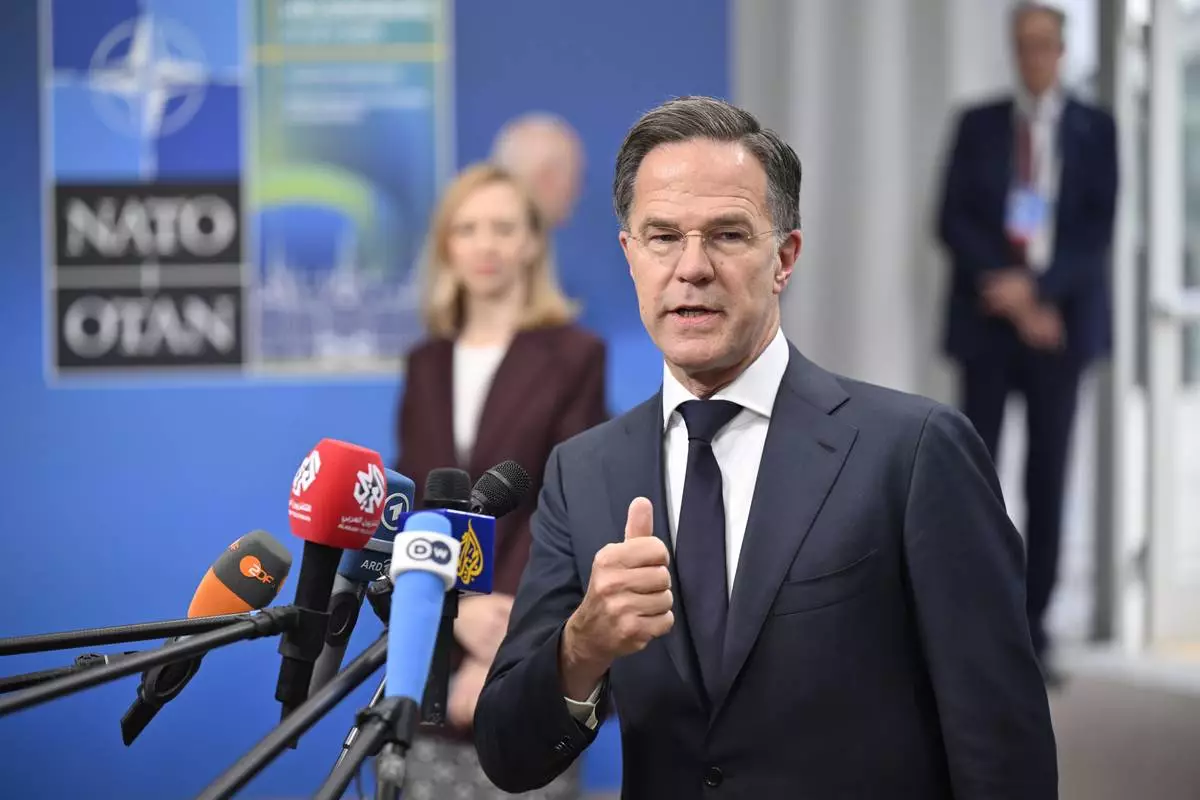
NATO Secretary General Mark Rutte speaks to media at the NATO Foreign Ministers' meeting in Helsingborg, Sweden, Friday, May 22, 2026. (Johan Nilsson/TT News Agency via AP)
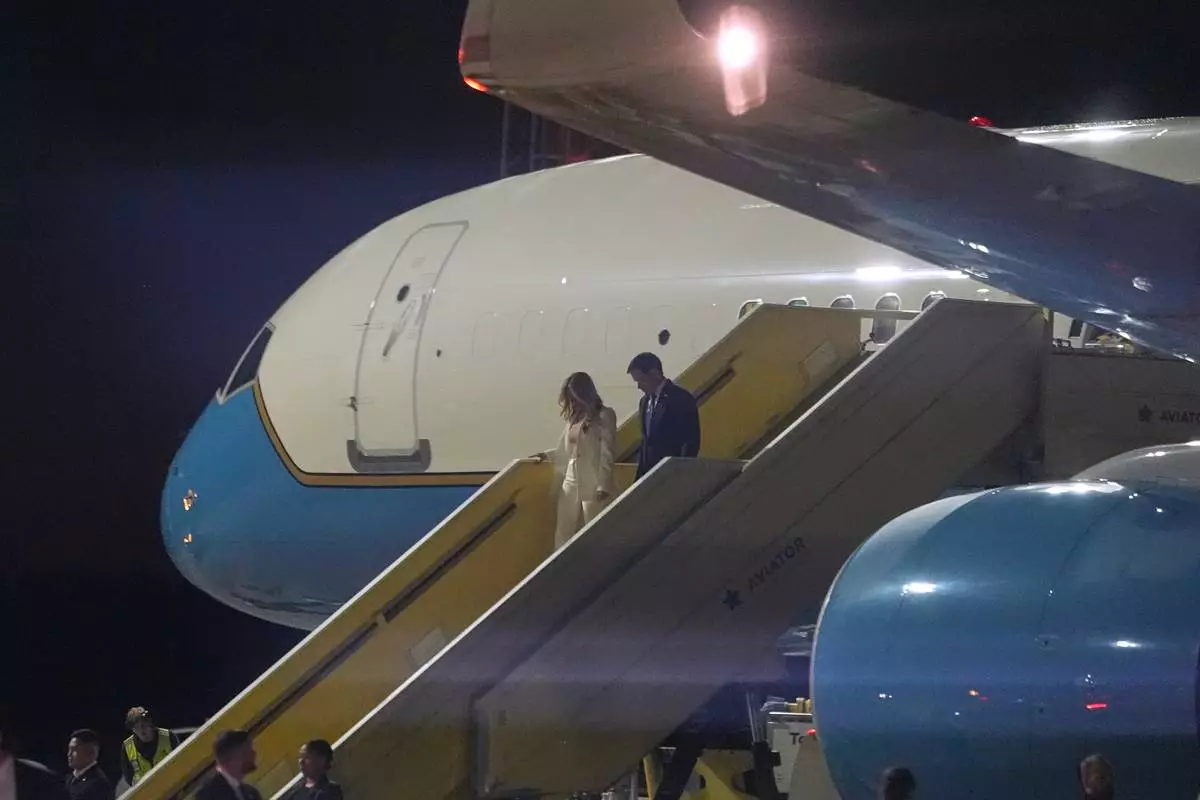
Secretary of State Marco Rubio arrives with his wife Jeanette at Malmo Airport, Friday, May 22, 2026, in Malmo-Sturup, Sweden, ahead of a NATO foreign ministers meeting. (AP Photo/Julia Demaree Nikhinson, Pool)
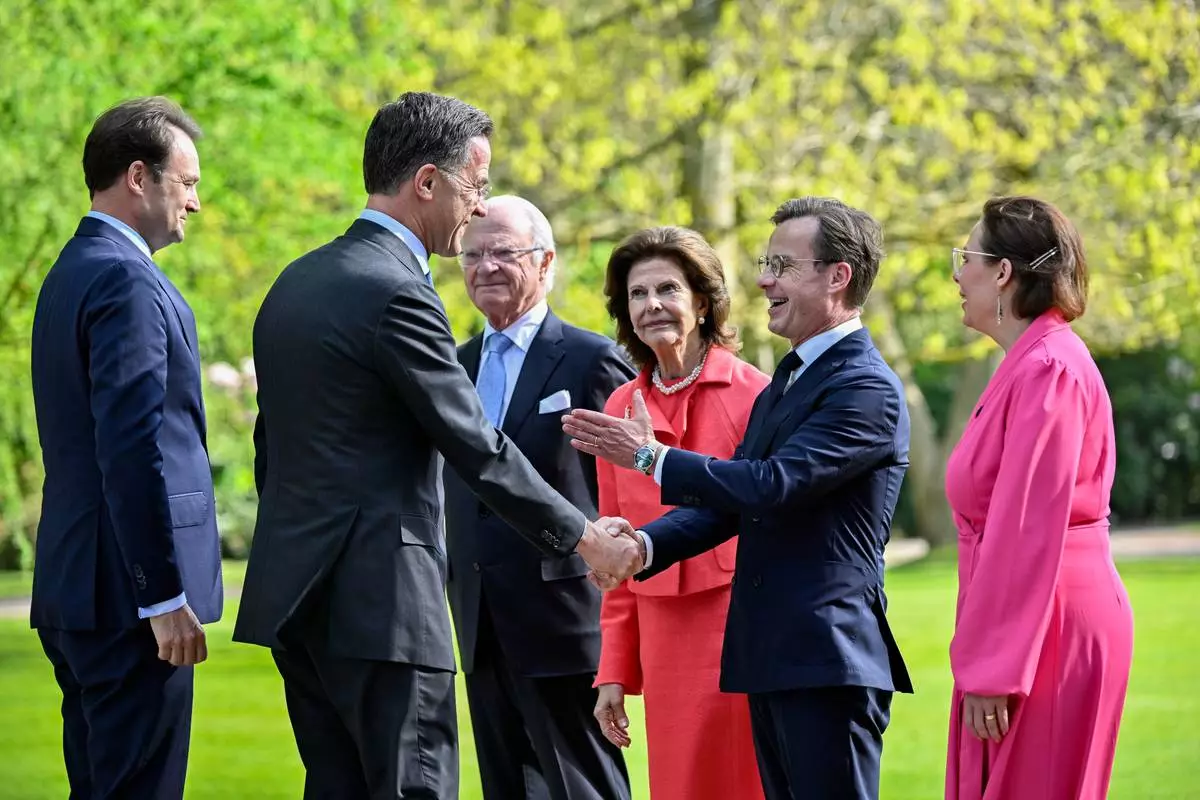
NATO Secretary General Mark Rutte, second from left, shakes hands with Prime Minister of Sweden Ulf Kristersson, as he is greeted by King Carl Gustaf of Sweden, Queen Silvia of Sweden and Minister for Foreign Affairs of Sweden Maria Malmer Stenergard, right, before a dinner at Sofiero Castle in Helsingborg, Sweden, Thursday May 21 2026. (Johan Nilsson/TT News Agency via AP)
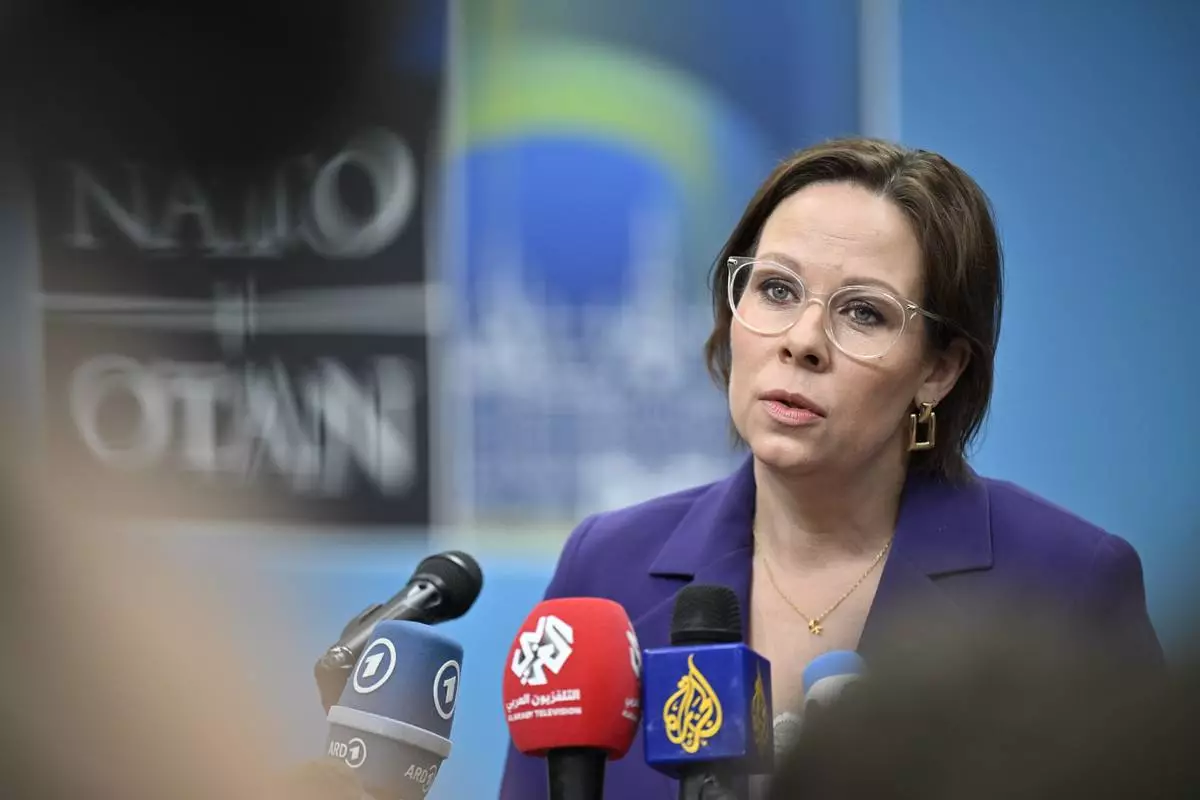
Swedish Foreign Minister Maria Malmer Stenergard speaks to media at the NATO Foreign Ministers' meeting in Helsingborg, Sweden, Friday, May 22, 2026. (Johan Nilsson/TT News Agency via AP)