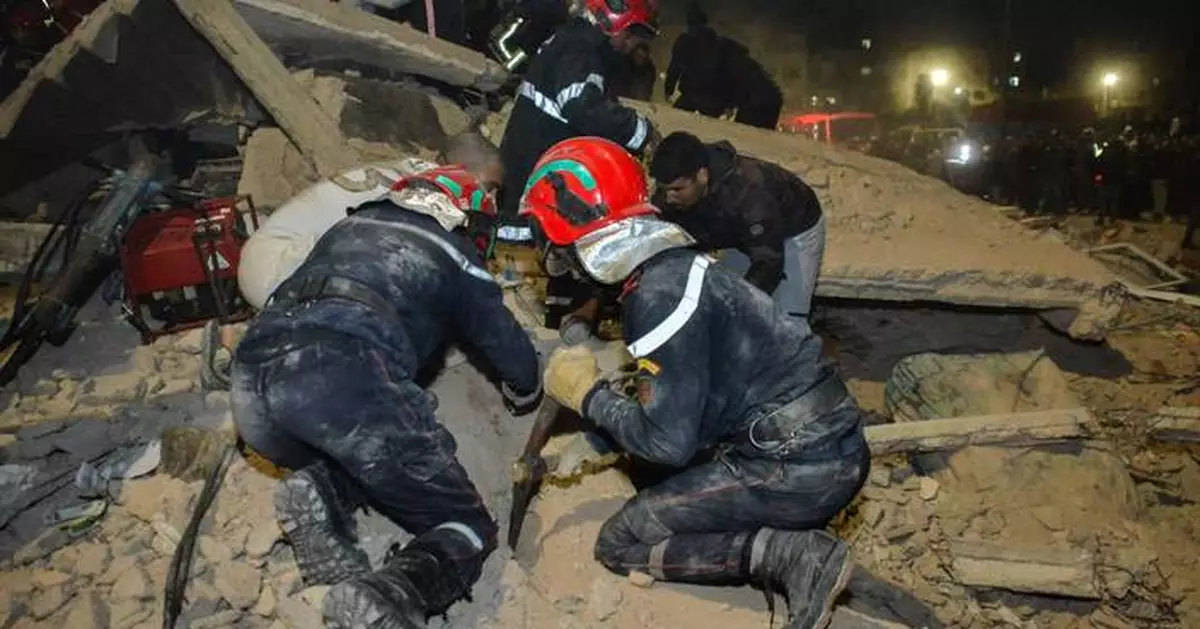
RABAT, Morocco (AP) — Two adjacent four-story buildings collapsed overnight in the Moroccan city of Fez, killing 22 people in the second fatal collapse there this year, authorities said Wednesday.
Morocco's state news agency, MAP, reported that the two buildings housed eight families. Sixteen people were injured and taken to the hospital. Authorities said the neighborhood had been evacuated and search and rescue efforts continued.
Click to Gallery
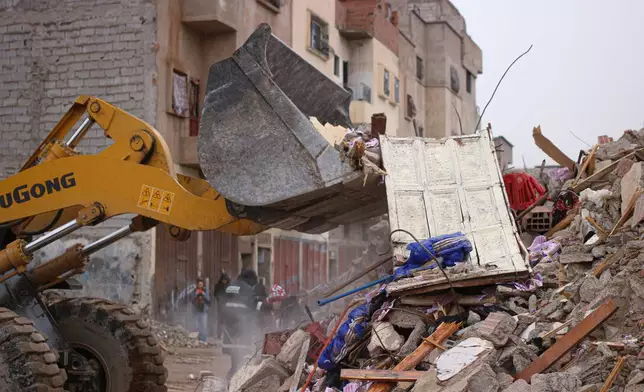
Rescue workers search for survivors, amid the wreckage of two collapsed buildings, in Fez, Morocco, Wednesday, Dec. 10, 2025. (AP Photo/Hanane Boukili)
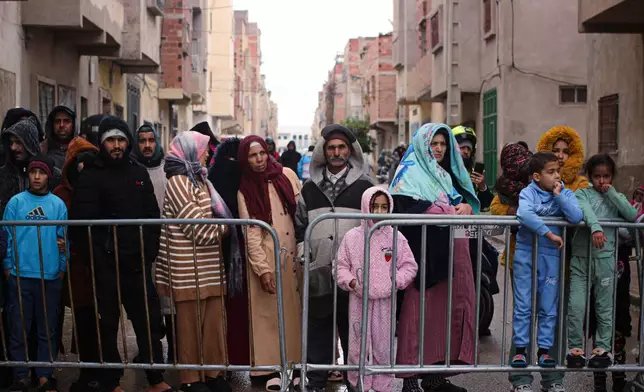
Residents watch as rescue workers search for survivors, amid the wreckage of two collapsed buildings, in Fez, Morocco, Wednesday, Dec. 10, 2025. (AP Photo/Hanane Boukili)
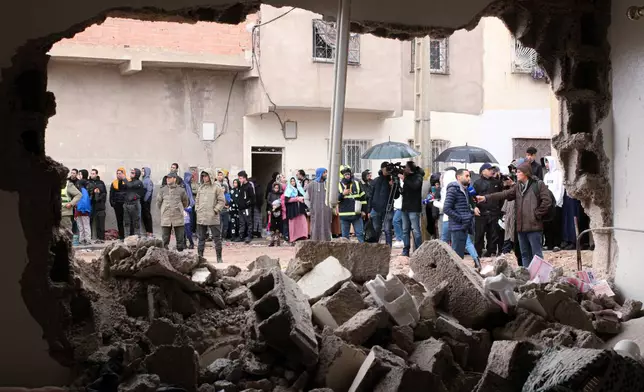
Residents and jounalists watch as rescue workers search for survivors, amid the wreckage of two collapsed buildings, in Fez, Morocco, Wednesday, Dec. 10, 2025. (AP Photo/Hanane Boukili)
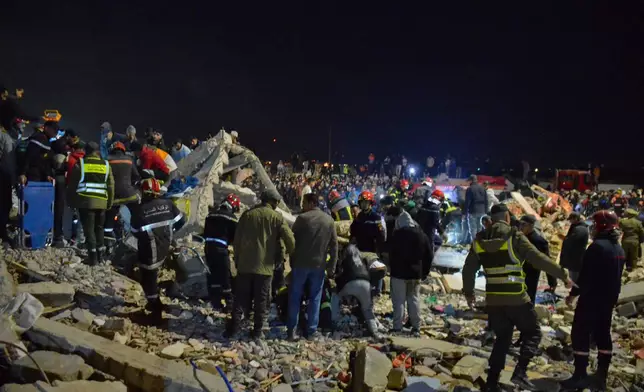
Rescue workers and reisdents search for survivors amid the wreckage of two collapsed buildings in Fez, Morocco, Tuesday, Dec. 9, 2025. (AP Photo/Ahmed Alaoui Mrani)
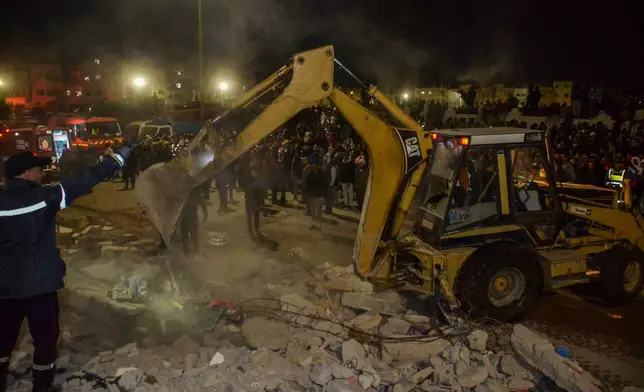
Rescue workers and residents search for survivors amid the wreckage of two collapsed buildings in Fez, Morocco, Tuesday, Dec. 9, 2025. (AP Photo/Ahmed Alaoui Mrani)
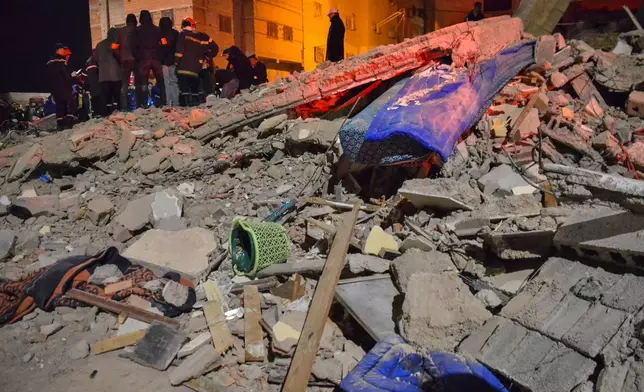
Rescue workers and residents search for survivors amid the wreckage of two collapsed buildings in Fez, Morocco, Tuesday, Dec. 9, 2025. (AP Photo/Ahmed Alaoui Mrani)
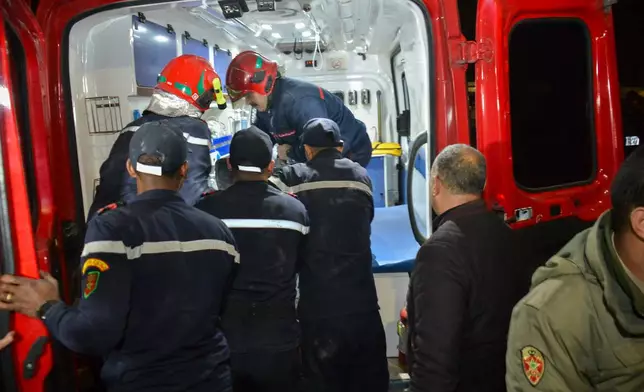
Rescue workers carry a body to an ambulance after recovering it from the wreckage of two collapsed buildings in Fez, Morocco, Tuesday, Dec. 9, 2025. (AP Photo/Ahmed Alaoui Mrani)
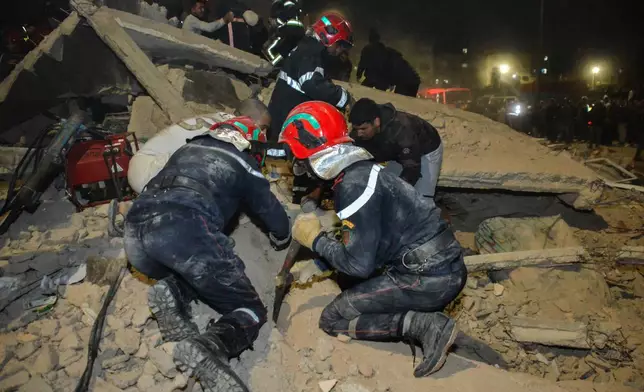
Rescue workers and residents search for survivors amid the wreckage of two collapsed buildings in Fez, Morocco, Tuesday, Dec. 9, 2025. (AP Photo/Ahmed Alaoui Mrani)
It was unclear what caused the collapse or how many people were unaccounted for. Authorities said an investigation had been opened. MAP reported that the structures were built in 2006 during an initiative called “City Without Slums."
Fez is Morocco’s third-largest city and one of the hosts of this month’s Africa Cup of Nations and the 2030 FIFA World Cup. It is best known for its walled city packed with medieval souks. It’s also one of the country’s poorest urban centers, where aging infrastructure is common.
Such building collapses are not uncommon in Moroccan cities undergoing rapid population growth. A collapse in May in Fez killed 10 people and injured seven in a building that had been slated for evacuation, according to Moroccan outlet Le360.
Building codes are often not enforced in Morocco, especially in ancient cities where aging, multifamily homes of cinderblock are common. Though the buildings that collapsed Wednesday had been built according to code, the Hespress news outlet reported, additional floors had been added to the structures.
Infrastructure inequality was a focus of protests that swept the country earlier this year, with demonstrators criticizing the government for investing in new stadiums instead of addressing inequality in health care, education and other public services.
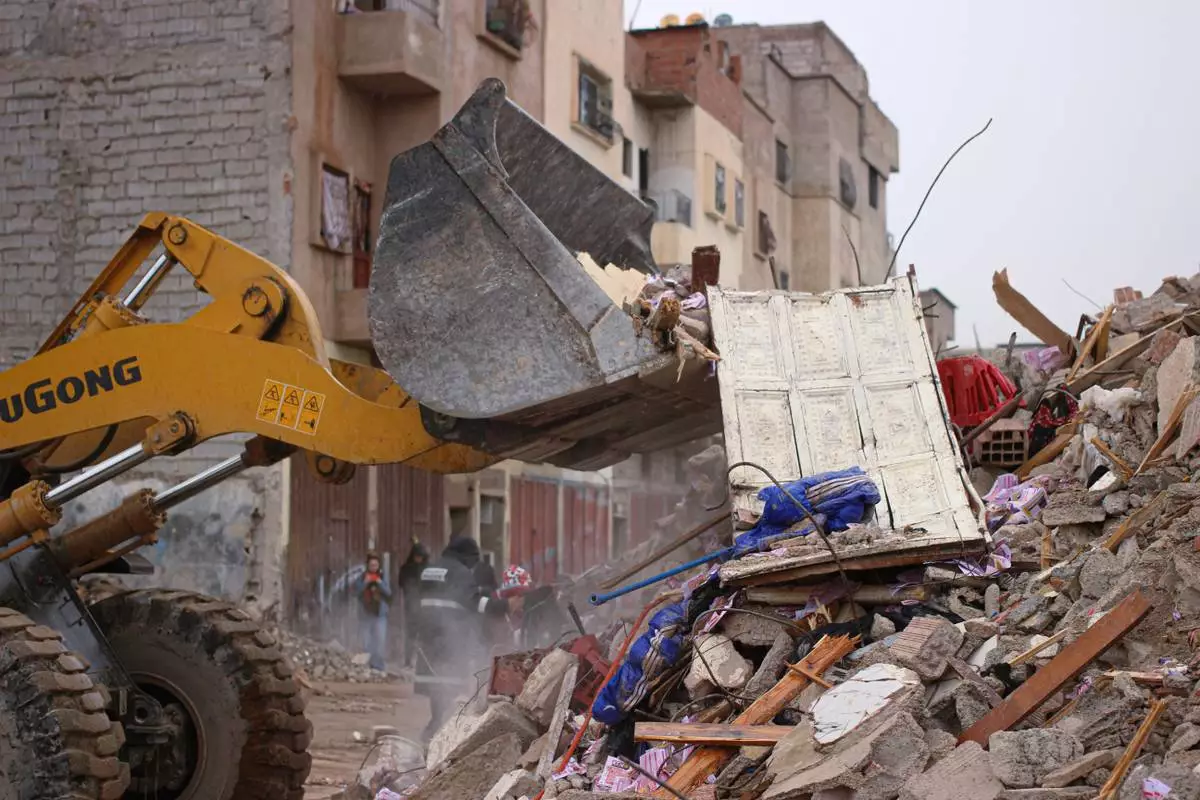
Rescue workers search for survivors, amid the wreckage of two collapsed buildings, in Fez, Morocco, Wednesday, Dec. 10, 2025. (AP Photo/Hanane Boukili)
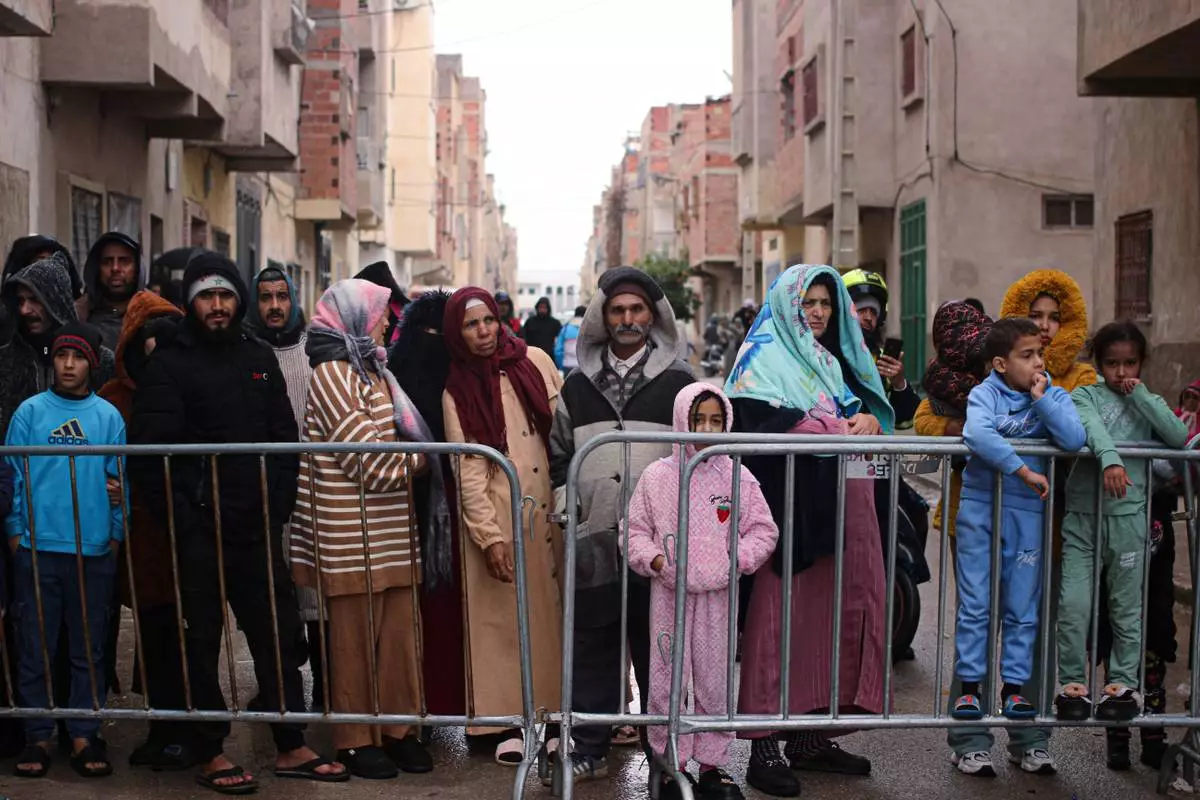
Residents watch as rescue workers search for survivors, amid the wreckage of two collapsed buildings, in Fez, Morocco, Wednesday, Dec. 10, 2025. (AP Photo/Hanane Boukili)
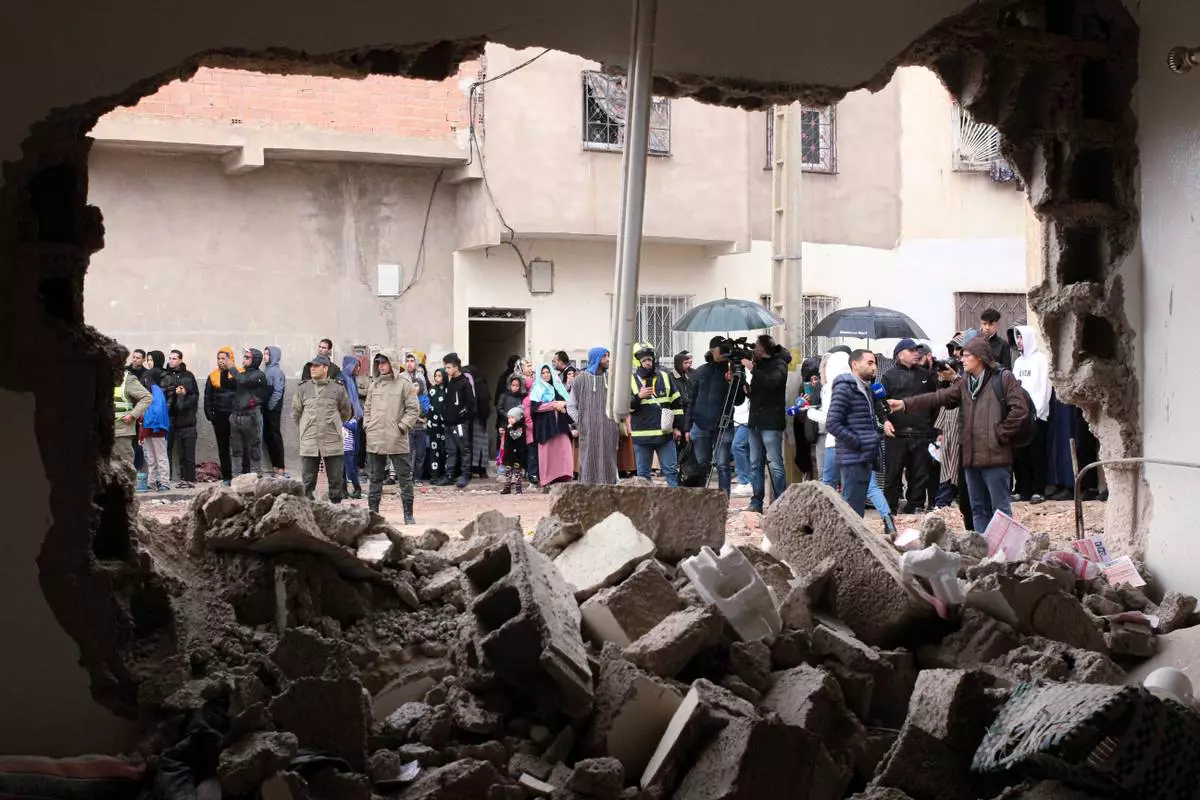
Residents and jounalists watch as rescue workers search for survivors, amid the wreckage of two collapsed buildings, in Fez, Morocco, Wednesday, Dec. 10, 2025. (AP Photo/Hanane Boukili)
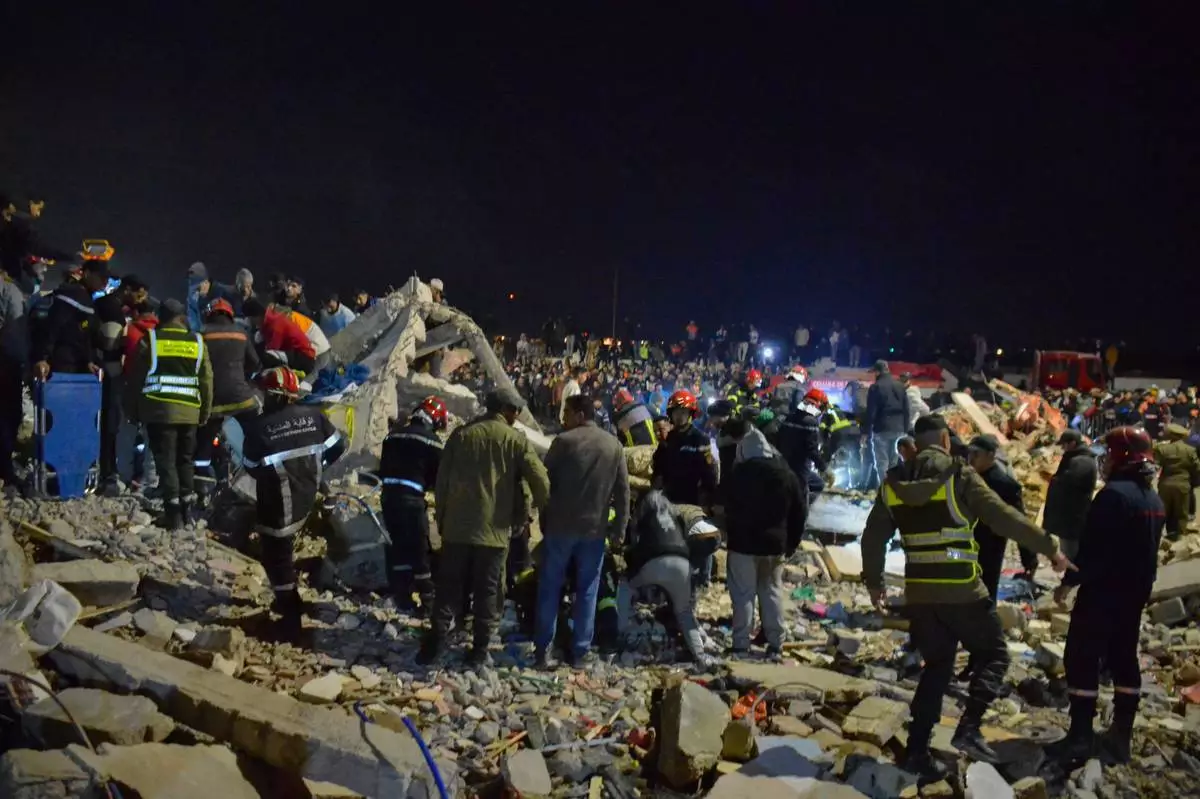
Rescue workers and reisdents search for survivors amid the wreckage of two collapsed buildings in Fez, Morocco, Tuesday, Dec. 9, 2025. (AP Photo/Ahmed Alaoui Mrani)
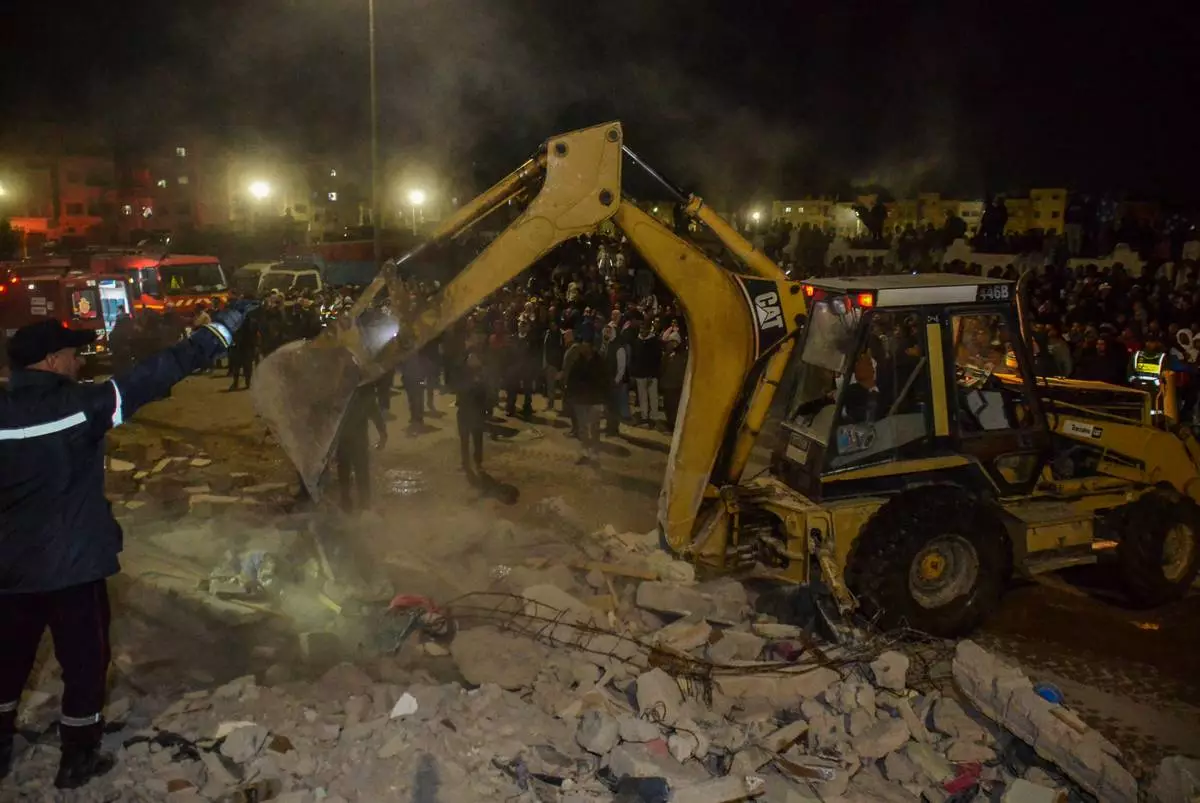
Rescue workers and residents search for survivors amid the wreckage of two collapsed buildings in Fez, Morocco, Tuesday, Dec. 9, 2025. (AP Photo/Ahmed Alaoui Mrani)
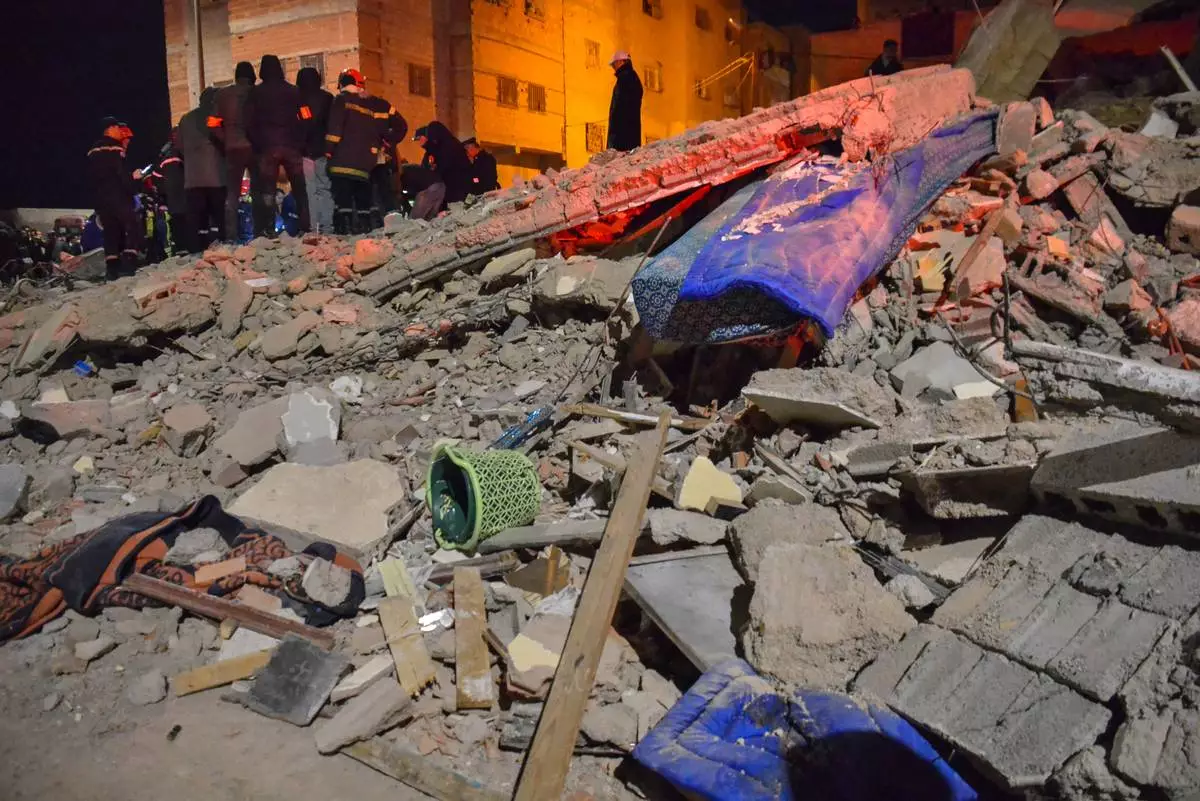
Rescue workers and residents search for survivors amid the wreckage of two collapsed buildings in Fez, Morocco, Tuesday, Dec. 9, 2025. (AP Photo/Ahmed Alaoui Mrani)
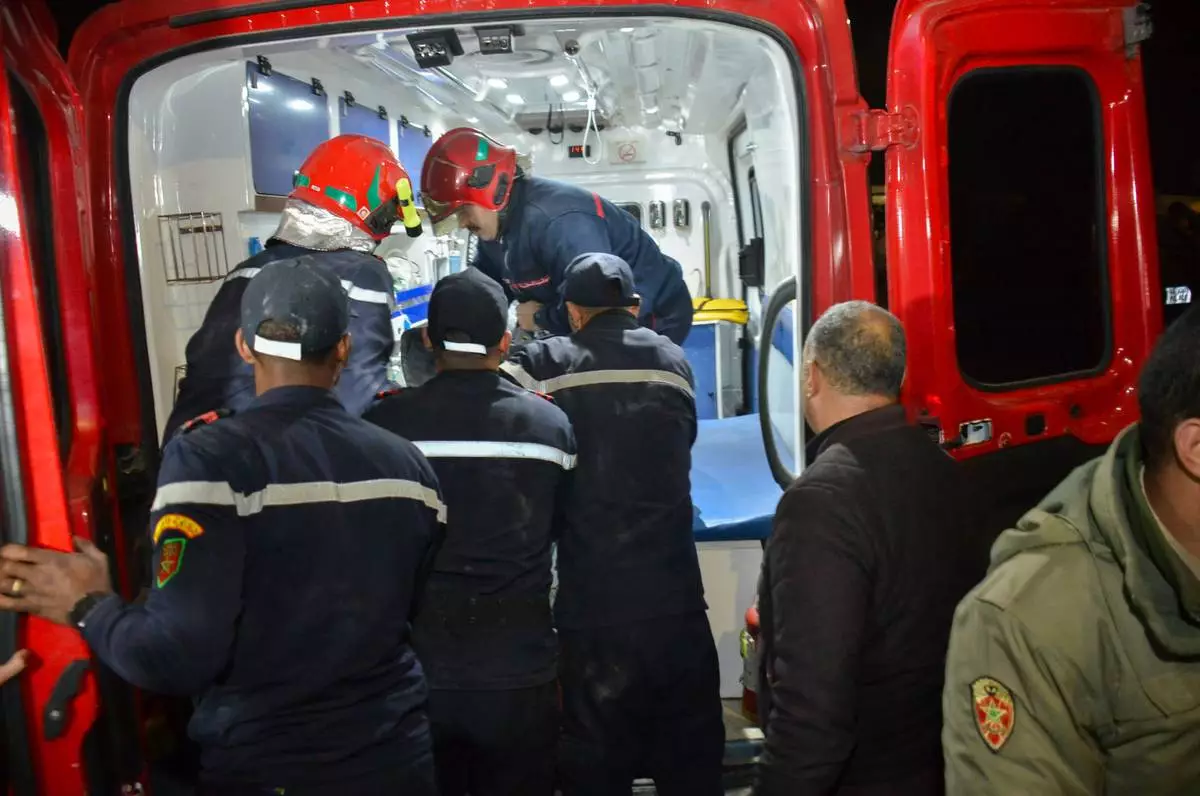
Rescue workers carry a body to an ambulance after recovering it from the wreckage of two collapsed buildings in Fez, Morocco, Tuesday, Dec. 9, 2025. (AP Photo/Ahmed Alaoui Mrani)
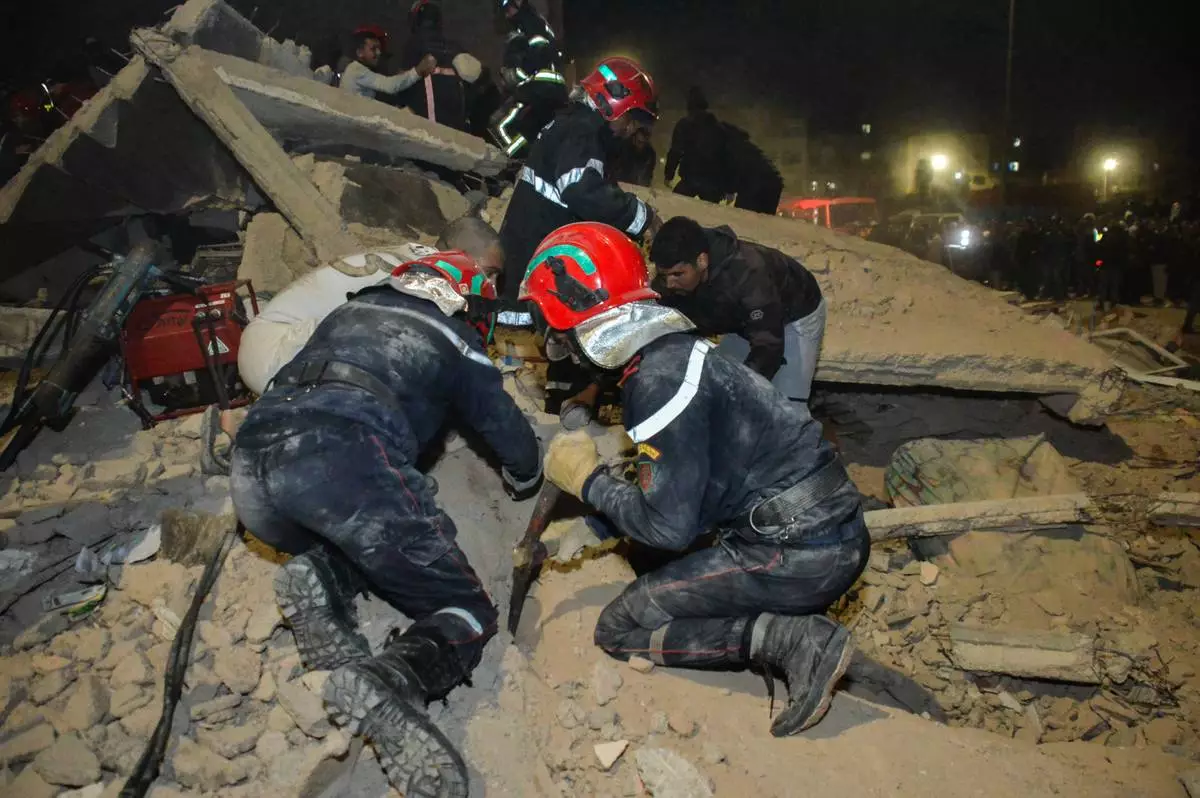
Rescue workers and residents search for survivors amid the wreckage of two collapsed buildings in Fez, Morocco, Tuesday, Dec. 9, 2025. (AP Photo/Ahmed Alaoui Mrani)