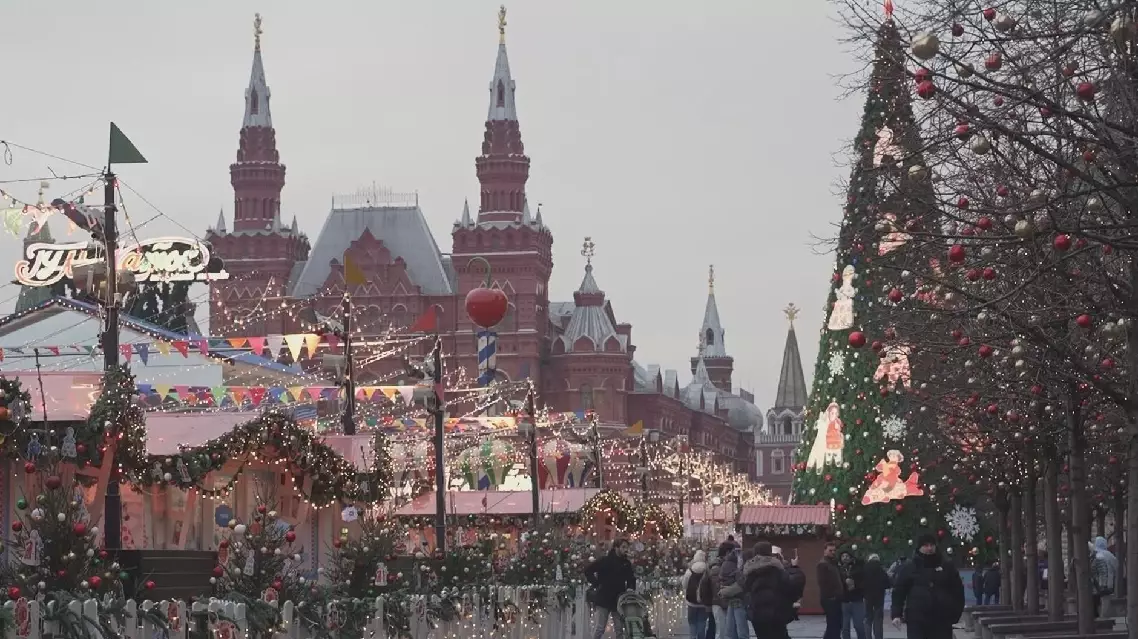
Russia's hospitality sector is preparing for the boom of Chinese tourists sparked by the country's latest visa-free policy.
Russian President Vladimir Putin signed a decree on Dec 1 allowing Chinese nationals to enter Russia visa-free for tourism or business purposes for a stay not exceeding 30 days, based on the principle of reciprocity.
Under the decree, which took effect immediately upon its signing, Chinese citizens holding regular People's Republic of China passports have the right to enter Russia and stay for no more than 30 days for purposes including family visits, business trips, tourism, participation in scientific, cultural, socio-political, economic or sports events, as well as transit through Russian territory and exit from the country, without obtaining a visa until Sept 14, 2026. The policy is expected to increase individual tourism especially and promote Russia's remote regions, and Russia's hospitality sector has been adapting and preparing for the arrival of more Chinese guests. "Now we are starting to implement 'China friendly' elements with all our hotels because we are interested in our guests from China and there are some things like directions in the Chinese language, menus in the restaurant. And now we start to employ foreign staff with native language," said Maria Grishina, head of federal projects department of the Moscow-based Cosmos Hotel Group.
Alexander Lvov, head of the "World Without Borders" Travel Association, explained the promotional measures from the government.
"A lot of work on the part of the state and state structures has been done throughout the year to prepare the regions to welcome more tourists including from China. And very soon in December there will be a presentation of regional products at the highest level. They will be presented to Deputy Prime Minister Chernyshenko. And then the best will receive state support for further promotion, including in the Chinese market," said Lvov.
Chinese tourism is already surging. In the first quarter of 2025 alone, over 106,700 Chinese tourists entered Russia -- an almost 8 percent increase compared to the previous year. In total, Chinese visitors made an estimated 1.2 million tourist trips to Russia in 2024, making China the top source country for inbound tourism.
"This visa-free decision is era-defining for the market. As soon as it was announced we noticed a surge of interest. And we got requests for all seasons -- including spring, summer and even autumn. We predict that the visa-free decision will increase individual tourism by 50 percent and group tourism by 10-15 percent over the next months," said Daria Domostroeva, a representative of Moscow-based tour operator Intourist.
Chinese tourists in Russia said the new policy will make it easier for them to come back and travel more.
"It is my first time in Moscow, Moscow is a beautiful city. I think I will come to Moscow maybe next year in summer because I want to see different seasons," said Chinese tourist Li Jinwen.
"I have been to Irkutsk and now is Moscow and I am going to Murmansk. I want to see so many [cities]. Russia is a huge country," said Chinese tourist Wang Jiayue.
Visa-free access is also expected to deepen cultural exchanges and make business travel easier. Analysts believe that this could significantly strengthen trade, investment, and broader bilateral ties between Russia and China.
Russian hospitality sector prepares for surge of Chinese tourists