A forum marking the 80th anniversary of the United Nations (UN) Charter was held in southwest China's Chongqing Municipality on Wednesday, bringing together nearly 90 human rights experts and scholars from home and abroad.
Lu Guangjin, vice president of the China Society for Human Rights Studies, said at the event that China's human rights endeavors have made continuous progress over the past decade, with their global influence increasing steadily.
China has been working to improve people's livelihoods, and to protect and promote human rights through development, enabling its people to share more of the fruits of development, Lu added.
The 2025 Li Buyun Law Prize ceremony was held alongside the forum, with Zhang Yonghe, executive dean of the Human Rights Institute at the Southwest University of Political Science and Law, receiving this year's award for over 30 years of research, notably redefining the "Right to Development" as an "eternal right" for all humanity, a Chinese perspective gaining worldwide attention.
"Peace, development, and human rights are the three pillars of the UN Charter. Given today's global situation, I feel we must emphasize these rights even more. This also reflects China's view on human rights -- prioritizing the rights to subsistence and development as primary, indivisible human rights. Similarly, without development, achieving peace is very difficult," said Zhang.
The Li Buyun Law Prize recognizes individuals and organizations who have made eminent contributions to Chinese and international legal studies and legal education exchange. It was established in 2013 by the Shanghai Institute of Finance and Law in honor of Li Buyun, a pioneer in human rights law research in China.
Attending the event, Djibril Diallo, former spokesperson of the UN secretary-general, also hailed China's efforts over the years as "impressive."
"China's view of human rights is really central to the issue, because it links to the most basic levels. I have observed how China has been over the years promoting human rights in order to introduce issues such as fighting hunger, providing education and also health issues, and especially providing issues as entry points to dealing with the United Nations Sustainable Development Goals. So that's the most impressive," he said.
Wednesday's event also saw the launch of the Chinese and English editions of "Women in China's New Era," a book featuring 30 real-life stories of Chinese women who have pursued their aspirations and realized personal value.
"I think personal stories and especially human stories, women stories are very important to see how human rights development is in action in the everyday life of normal and average people, how they understand the development and how they have the fruits of the development," said Krisztina Karsai, a law professor at the University of Szeged in Hungary.
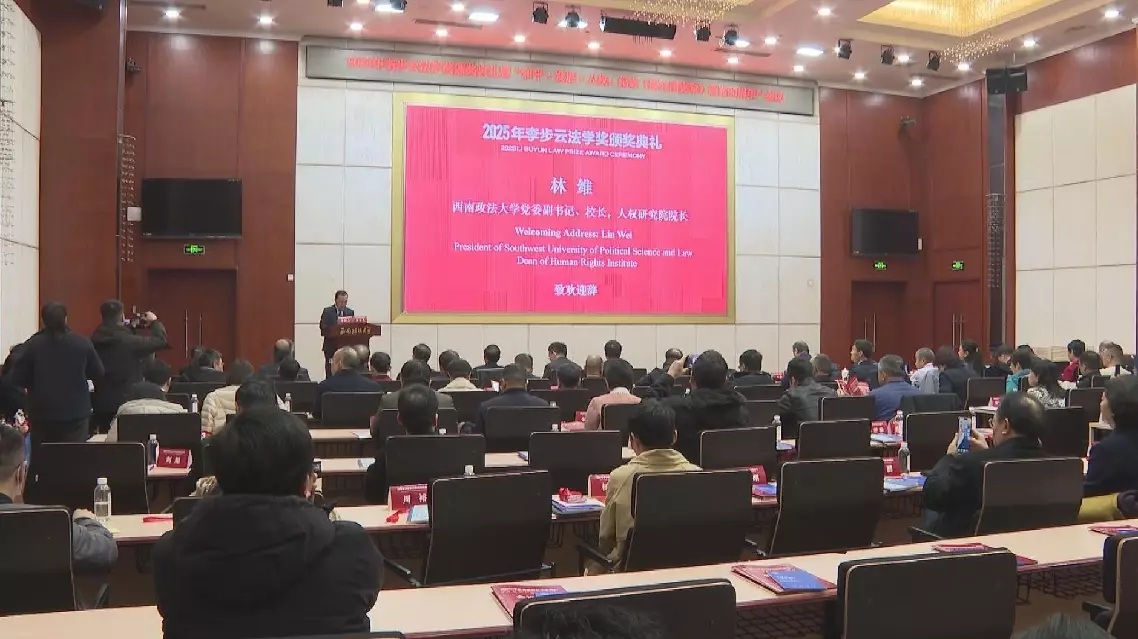
Human rights forum in China marks UN Charter's 80th anniversary